

 プレビュー
プレビュー
 プリントを購入
 シェアする
シェアする シェアする
シェアする
 詳細を見る
詳細を見る

 ダウンロード
 似ている作品
 X線調査
X線調査 スライドショー
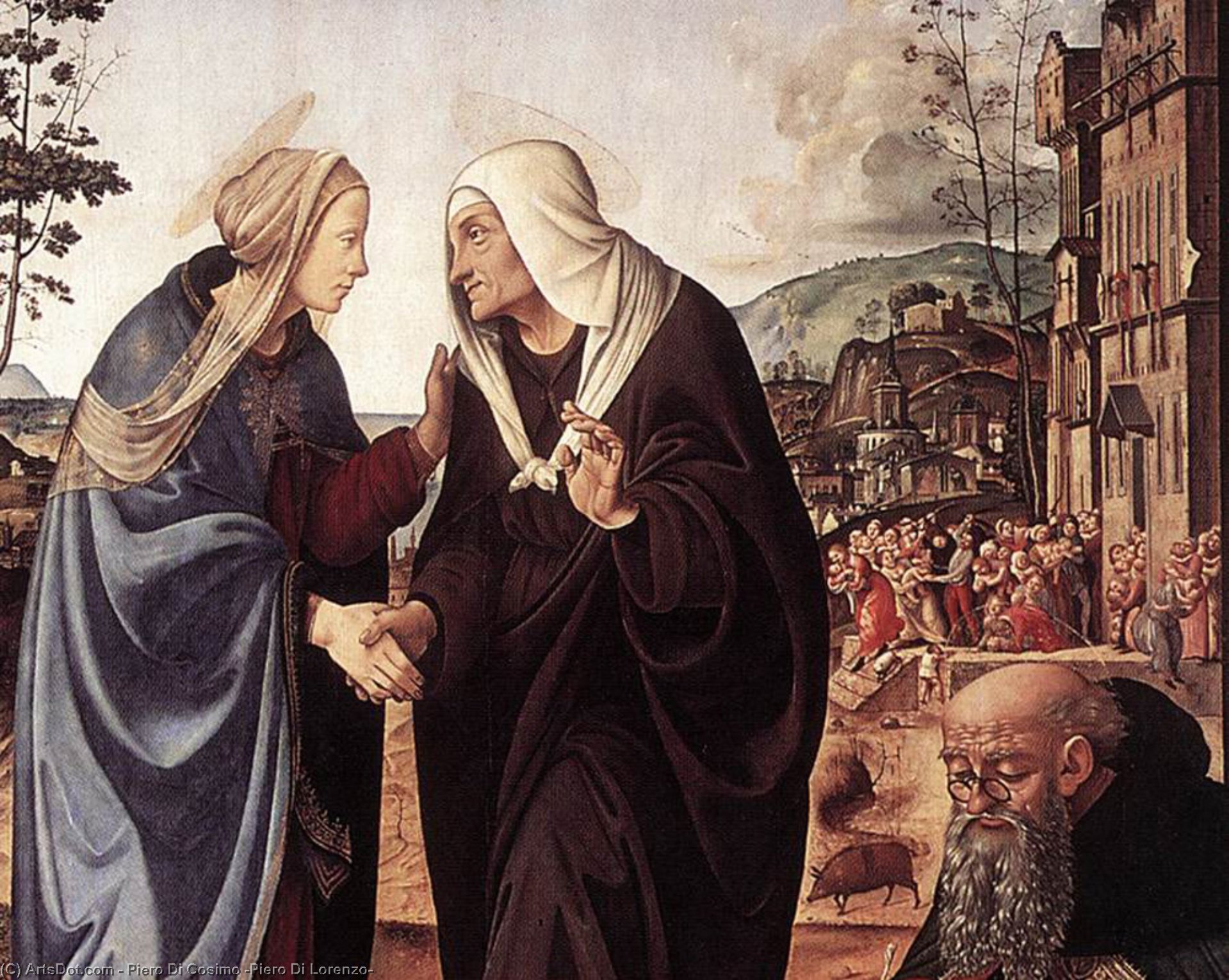
The Visitation with Sts Nicholas and Anthony (detail)


 詳細を見る
詳細を見る




P118B $10

P118H $10

P118W $10

P438Z $10

P508JH $12

P508YH $12

P805H $10

P805Z $10

P919BZ $10

P919G $10

P919XJ $10

P959ZH $10

P968JZ $12

W106C $8

W218G $10

W218JH $8

W218Y $10

W307PJ $10

W316G $10

W316PJ $8

W316Y $10

W398PJ $8

W4111J $10

W500HY $15

W500JH $15

W692G $12

W849H $8

W940BG $15

W953PJ $8




作品のオリジナル比率に合わせた、当店の規定サイズからお選びください。

特定のフレームやスペースに合わせて、ご希望のサイズをご入力いただけます。選択されたサイズが元の画像の比率と異なる場合、アートワークをトリミングするか、手描きで要素を追加して絵画を拡張いたします。デジタルモックアップ を制作し、制作開始前にご確認(承認)をいただきます。
画面上のプレビューは、実際のトリミングや拡張を正確に反映しているものではありません。最終的な構図は、モックアップによってのみ正確にご確認いただけます。
カスタムサイズもご利用いただけますが、元の比率を維持するためには、あらかじめ用意されたリストからサイズを選択することをお勧めいたします。
ご注文後、ArtsDot.com チームより詳細な指示をお送りするとともに、仕上がりイメージ(モックアップ)をご提供いたします。


 ガラスオプションは、110cm未満のサイズでのみご利用いただけます。

The Visitation with Sts Nicholas and Anthony (detail)
複製技法
複製画のサイズ
-


合計金額
$ 263
The Visitation with Sts Nicholas and Anthony (detail): A Florentine Dreamscape
Piero di Cosimo’s “The Visitation,” painted in 1489, isn't merely a depiction of biblical scripture; it’s an embodiment of the Florentine Renaissance spirit—a daring fusion of humanist observation with fantastical imagination. Executed during a period marked by intellectual curiosity and artistic innovation, this masterpiece transcends simple storytelling to offer viewers a glimpse into the profound psychological landscape of its time.
Subject Matter & Narrative: The painting portrays Mary Magdalene and Elizabeth, figures central to the biblical narrative of the Visitation—Mary visiting Elizabeth after conceiving Jesus. However, Cosimo elevates this familiar tale with an arresting visual richness that goes beyond literal representation. The women engage in a contemplative dialogue, their gestures conveying intimacy and spiritual connection. This isn’t just about recounting a story; it's about capturing the essence of faith and maternal devotion.
Style & Technique: Cosimo’s style aligns with the burgeoning Mannerism movement—a reaction against the idealized beauty championed by earlier Renaissance artists like Leonardo da Vinci and Raphael. Unlike those masters, Cosimo deliberately eschewed smooth surfaces and harmonious proportions, favoring instead a subtly unsettling aesthetic characterized by elongated figures and expressive poses. The artist skillfully employs sfumato – a technique pioneered by Leonardo – to create hazy gradations of light and shadow, lending an ethereal quality to the scene. This masterful manipulation of pigment contributes significantly to the painting’s emotive power.
Historical Context: Florence in 1489 was at the zenith of artistic achievement under Lorenzo de Medici—the Magnificent—who fostered a climate of intellectual ferment and patronage. Cosimo's work reflects this cultural dynamism, mirroring the humanist preoccupation with human emotion and psychological realism. The painting speaks to the anxieties and aspirations of its era – grappling with questions of faith, morality, and the role of women in society.
Symbolism & Emotional Impact: Beyond its biblical narrative, “The Visitation” is laden with symbolic significance. The donkey represents humility and pastoral innocence—a deliberate contrast to the grandeur of Florentine courts. Mary’s outstretched hand symbolizes compassion and divine grace, while Elizabeth's book signifies wisdom and spiritual contemplation. Cosimo’s masterful use of color – muted reds and blues dominate the palette – reinforces the painting’s solemn mood and evokes a sense of serene spirituality. The overall effect is one of profound beauty tempered by subtle melancholy—a testament to Cosimo’s ability to capture the complexities of human experience.
Conclusion: Piero di Cosimo's “The Visitation” remains an enduring symbol of Florentine Renaissance artistry, demonstrating how imagination and meticulous technique could converge to produce a work that transcends mere visual representation. It invites viewers to contemplate not only the biblical story but also the broader humanist concerns of its time—a timeless masterpiece destined to inspire generations of art lovers.
関連作品

アーティストの略歴
ピエロ・ディ・コジモ(1462-1522):フィレンツェ・ルネサンスにおける幻想と写実の架け橋
イタリア、フィレンツェに1462年頃、ピエロ・ディ・ロレンツォ・バッティスタの名で生まれたピエロ・ディ・コジモは、鮮やかな色彩を放つフィレンツェ・ルネサンスという壮大なタペストリーの中に、ひときわ異彩を放つ存在として刻まれています。古典的な理想を厳格に守ろうとした当時の多くの画家たちとは異なり、コジモは豊かな想像力を備えていました。彼は自然への緻密な観察眼と、空想的な要素を自らの作品へと融合させたのです。この独特な調和こそが、彼をこの時代で最も革新的な画家の一人たらしめた所以といえるでしょう。彼の芸術的な歩みは、当時ヨーロッパ全体を再編しつつあった人文主義思想の勃興と芸術的実験の潮流の中で展開され、時代の文化的な変容をそのまま映し出していました。- 初期の生涯と修行:コジモの形成期に関する正確な伝記的事実は、今なお謎に包まれています。その断片的な情報は、主にヴァザーリの『芸術家列伝』に見られる記述に依拠しています。彼は、数々の才能ある芸術家を輩出した揺籃(ようらん)とも言える工房、名高い彫刻家であり画家でもあったアンドレア・デル・ヴェロッキオのもとで修行を積みました。この師との出会いによって、コジモはフレスコ画の技法や彫刻の技術に触れ、その後の芸術活動の礎となる基礎的な技能を形作っていったのです。
- 影響と芸術的様式:コジモの様式には、美しさと心理的な深みの両方を追求したボッティチェッリや、ヤン・ファン・エイクといった巨匠たちの深い影響が見て取れます。ボッティチェッリの優美な線描と空想的な人物像は、コジモの中にエレガンスと理想化された表現への嗜好を植え付けました。一方で、油彩画の達人であるファン・エイクの手法は、彼に繊細な色調の階調や質感の豊かさを探求する勇気を与えました。これらの影響が溶け合うことで、輝かしい色彩、繊細な筆致、そして神話的な物語と写実的な風景が見事に融合した、彼独自の芸術言語が誕生したのです。
名作と芸術的達成
コジモの全作品群は、彼の類まれなる才能と想像力豊かなヴィジョンを示す驚くべきコレクションで構成されています。その中でも最も称賛されている傑作の一つが、「ウルカヌスとアイオロス」です。この記念碑的な円形油彩画は、ゼウスの息子とポセイドンの神話的な対峙を描いており、緻密に構築された構図の中で劇的な感情を伝えるコジモの卓越した能力を証明しています。同様に、「眠れる幼子キリストを抱く聖母と洗礼者聖ヨハネ」は、細部への細やかなこだわりと、宗教的イコノグラフィー(図像学)に対する深い理解を体現しています。さらに、もう一つの円形の名作である「幼子への礼拝」には、初期ルネサンス美術の特徴である静謐な美しさと精神的な瞑想が宿っています。遺産と歴史的重要路
ピエロ・ディ・コジモがフィレンツェ絵画に果たした貢献は、単なる様式上の革新にとどまりません。彼は芸術史における極めて重要な転換点を象徴しています。厳格なアカデミックな慣習という制約を拒絶し、写実的な描写とともに想像力豊かな物語性を追求することで、コジモはラファエロやミケランジェロといった後世の芸術家たちが、新たな表現の可能性を切り拓くための道を切り開いたのです。幻想と写実の調和のとれた融合は、今なお見る者の心を捉えて離さず、ルネサンスの創造性と芸術的天才の不朽の象徴として、彼の地位を確固たるものにしています。彼は個々の傑作のみならず、ヨーロッパ美術のより広範な軌跡を形作った先駆者として、歴史にその名を刻み続けています。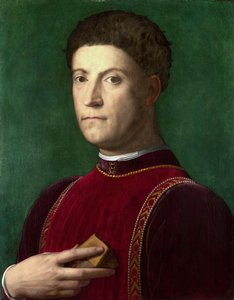
ピエロ・ディ・コジモ
1462 - 1522 , イタリア
基本情報
- Artistic Movement Or Style: ルネサンス美術
- Artists Who Influenced This Artist:
- ボッティチェリ
- ファン・デル・グース
- Date Of Birth: 1462年
- Full Name: ピエロ・ディ・ロレンツォ
- Nationality: イタリア人
- Notable Artworks:
- ウルカヌスとアイオロス
- 聖母子と眠れる幼子キリスト、幼い洗礼者ヨハネ
- 幼子への礼拝
- Place Of Birth: イタリア、フィレンツェ
関連記事

Sacred Narratives on Canvas: Exploring Devotional Imagery Across Art History
Explore the rich history of devotional art! Discover iconic masterpieces, symbolism & techniques from antiquity to the Renaissance. Expert insights for collectors & enthusiasts at ArtsDot.

エル・グレコの傑作25選:魂を揺さぶる宗教画と芸術の深淵 | ArtsDot
エル・グレコの傑作25選:魂を揺さぶる宗教画の世界へ。スペイン絵画の巨匠、マニエリスム様式と Toledo の光彩を紐解きます。ArtsDot.com で名画のアートプリントや複製画をお楽しみください。コレクションはこちら →
Sacred Expressions: A Journey Through Devotional Art Across Cultures & Eras
Explore the rich history of devotional art across cultures & eras. Discover iconic masterpieces, symbolism, and artistic techniques. Expert insights for collectors & enthusiasts.
Sacred Narratives Embodied: A Comprehensive Exploration of Religious Iconography in Art History
Explore the rich history of religious iconography in art! Discover symbolism, movements & masterpieces from Byzantine to Renaissance periods. Expert insights for collectors and enthusiasts at ArtsDot.

Sacred Visions: Exploring Faith & Devotion in Religious Art Across Cultures
Explore the rich history of religious art across cultures! Discover symbolism, Renaissance masterpieces & the power of color in devotional works. Expert insights for collectors and enthusiasts.

