 プレビュー
プレビュー
 シェアする
シェアする シェアする
シェアする
 詳細を見る
詳細を見る

 ダウンロード
 似ている作品
 X線調査
X線調査 スライドショー
 Stats
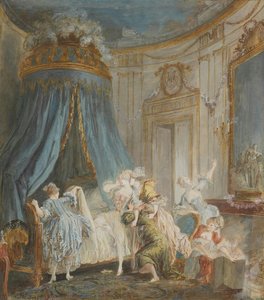
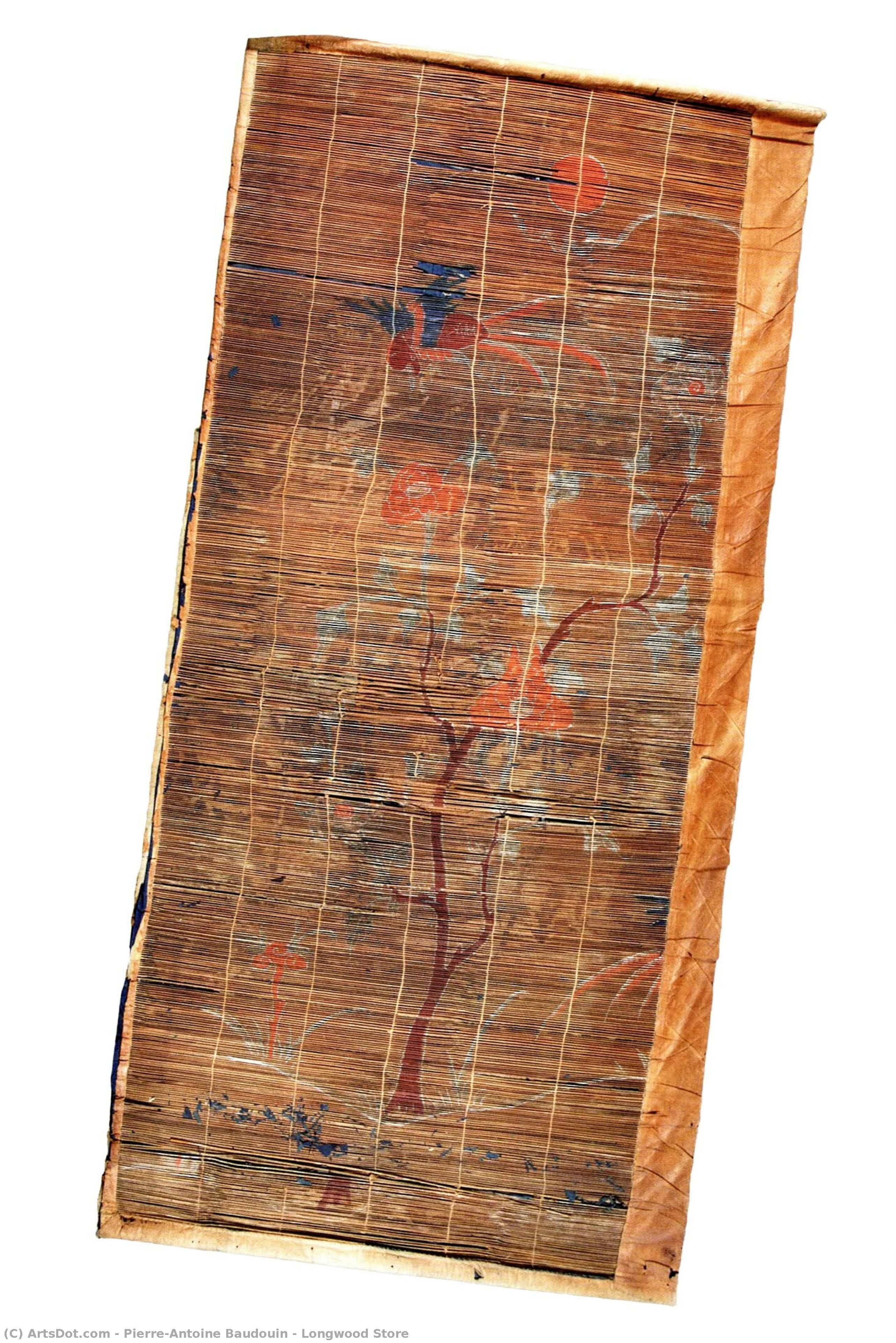
StatsLongwood Store


 詳細を見る
詳細を見る
ジークレー/アートプリント
迅速な制作と多彩な仕上げオプションを備えた、ミュージアムクオリティのジークレーまたはキャンバスプリント。 ( 手描きの絵画を購入 Switch to Digital Image)




































作品のオリジナル比率に合わせた、当店の規定サイズからお選びください。

特定のフレームやスペースに合わせて、ご自身でサイズを指定することも可能です。選択されたサイズが元の画像の比率と一致しない場合、作品をトリミングするか、鏡面反射または単色での塗りつぶしによって画像を拡張いたします。制作を開始する前に、ご確認用のデジタルモックアップをお送りいたします。
画面上のプレビューには、実際のトリミングや拡張は反映されませんのでご注意ください。最終的な構図を正確に確認できるのは、モックアップのみとなります。
カスタムサイズも承っておりますが、元の比率を維持するためには、あらかじめ用意されたリストからサイズを選択することをお勧めいたします。


 ガラスオプションは、110cm未満のサイズでのみご利用いただけます。

Longwood Store
ジークレー/アートプリント
複製画のサイズ
-


合計金額
$ 62
関連作品
アーティストの略歴
The Master of Miniature Pleasures
In the shimmering, decadent atmosphere of mid-18th century Paris, few artists captured the ephemeral essence of Rococo intimacy quite like Pierre-Antoine Baudouin. Born in 1723 to an engraver, Baudouin emerged not merely as a painter, but as a chronicler of the era's most private and whispered moments. His life was deeply entwined with the very fabric of French high society and its artistic elite; through his marriage to Marie-Elisabeth, the daughter of the legendary François Boucher, he became more than just a pupil of the Rococo master—he became an extension of Boucher’s own aesthetic legacy. This connection granted him access to the most refined circles of the French court, where the boundaries between art and life were often blurred by grace, wit, and a touch of scandal.
Baudouin’s artistic development was characterized by a remarkable mastery of delicate mediums. While many of his contemporaries sought the permanence of oil on canvas, Baudouin found his true voice in the ephemeral textures of watercolors, gouache, and crayons. His technique allowed for a luminous, almost translucent quality that perfectly suited his subject matter: idyllic landscapes, soft boudoir scenes, and the playful, often erotic, encounters of the aristocracy. There is a certain breathlessness to his work, a sense that one is catching a fleeting glimpse through a silk curtain. His ability to render the softness of skin, the sheen of satin, and the gentle light of a Parisian afternoon made him a favorite among collectors who sought art that felt as much like a secret as a possession.
A Controversial Legacy of Light and Shadow
Despite his technical brilliance and his prestigious election to the Académie Royale in 1763, Baudouin’s reputation was never without its shadows. He occupied a complex position in the cultural landscape of the 1760s, caught between the frivolous elegance of the Rococo and the rising tide of moralistic scrutiny. The famous critic Denis Diderot, known for his biting assessments of the Salons, famously cast Baudouin in a harsh light. While acknowledging his talent, Diderot condemned him as a "painter-preacher of bad morals," contrasting him unfavorably with Jean-Baptiste Greuze, whom he viewed as a moralizing force. To Diderot, Baudouin’s work—with its focus on rakes and houses of ill repute—represented the decadent decay of a society losing its ethical compass.
This tension between aesthetic pleasure and moral judgment defines much of Baudouin's historical significance. His oeuvre serves as a vital, if controversial, window into the libertine culture of pre-revolutionary France. Whether he was painting a historical subject like his reception piece, Hyperides pleading the cause of Phryne before the Areopagus, or a more intimate miniature, there was always an underlying pulse of worldly sophistication. His life ended prematurely in 1769, amidst rumors that linked his early death to the very lifestyle of pleasure he so exquisitely depicted. Today, Baudouin is remembered not just as a follower of Boucher, but as a singular artist who dared to elevate the miniature and the erotic to a level of profound, delicate artistry, leaving behind a legacy that remains as captivating as it is provocative.
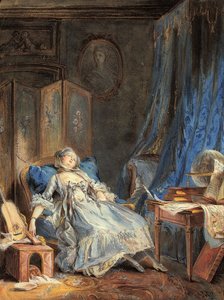
pierre-antoine baudouin
1723 - 1769 , France
基本情報
- Artistic Movement Or Style: Neoclassical history painter
- Artists Or Movements Influenced By This Artist:
- Jacques-Louis David
- Thomas Blackwell
- Artists Who Influenced This Artist:
- Agostino Masucci
- Sir Joshua Reynolds
- Date Of Birth: 1723
- Date Of Death: 1798
- Full Name: Gavin Hamilton
- Nationality: Scottish
- Notable Artworks:
- Death of Lucretia
- Homer's Iliad cycle
- Place Of Birth: Lanarkshire, Scotland
関連記事
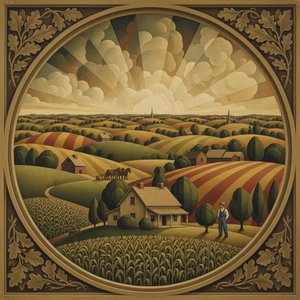
Grant Wood & American Regionalism: Identity, Myth & the Rural Landscape
Explore the world of Grant Wood & American Regionalism with ArtsDot. Discover the symbolism behind 'American Gothic', recurring themes, and the movement's lasting impact on art history. High-quality reproductions available.
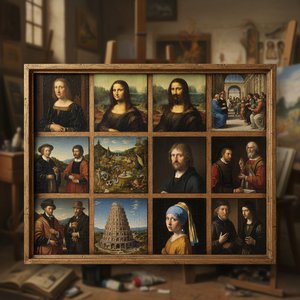
Oil on Panel Masters: 10 Paintings That Revolutionized Art |
Journey through 10 legendary 'Oil on Panel' masterpieces by Van Eyck, Bosch & Bruegel. Explore the stories behind these iconic Renaissance & Baroque paintings and find museum-quality art reproductions to elevate your home decor. Discover all masterpieces on !
Oil on Panel: A Historical Survey of Technique, Support, and Aesthetic Impact
Explore the rich history of oil on panel painting! Discover Renaissance techniques, support construction, & the enduring legacy of this masterful art form. Expert insights for collectors and enthusiasts.
Alfred East: Pioneering Plein Air & Evoking Atmospheric Landscapes
Explore the life & work of Alfred East, a pioneer of British plein air painting. Discover his techniques for capturing atmospheric landscapes, Barbizon influences, and lasting legacy. Learn more at ArtsDot.
Oil on Panel: A Historical Survey of Technique, Support & Aesthetic Evolution
Explore the rich history of oil on panel painting! Discover Renaissance techniques, support structures & aesthetic evolution. Expert insights for art collectors and enthusiasts.