

 プレビュー
プレビュー
 プリントを購入
 シェアする
シェアする シェアする
シェアする
 詳細を見る
詳細を見る

 ダウンロード
 似ている作品
 X線調査
X線調査 スライドショー
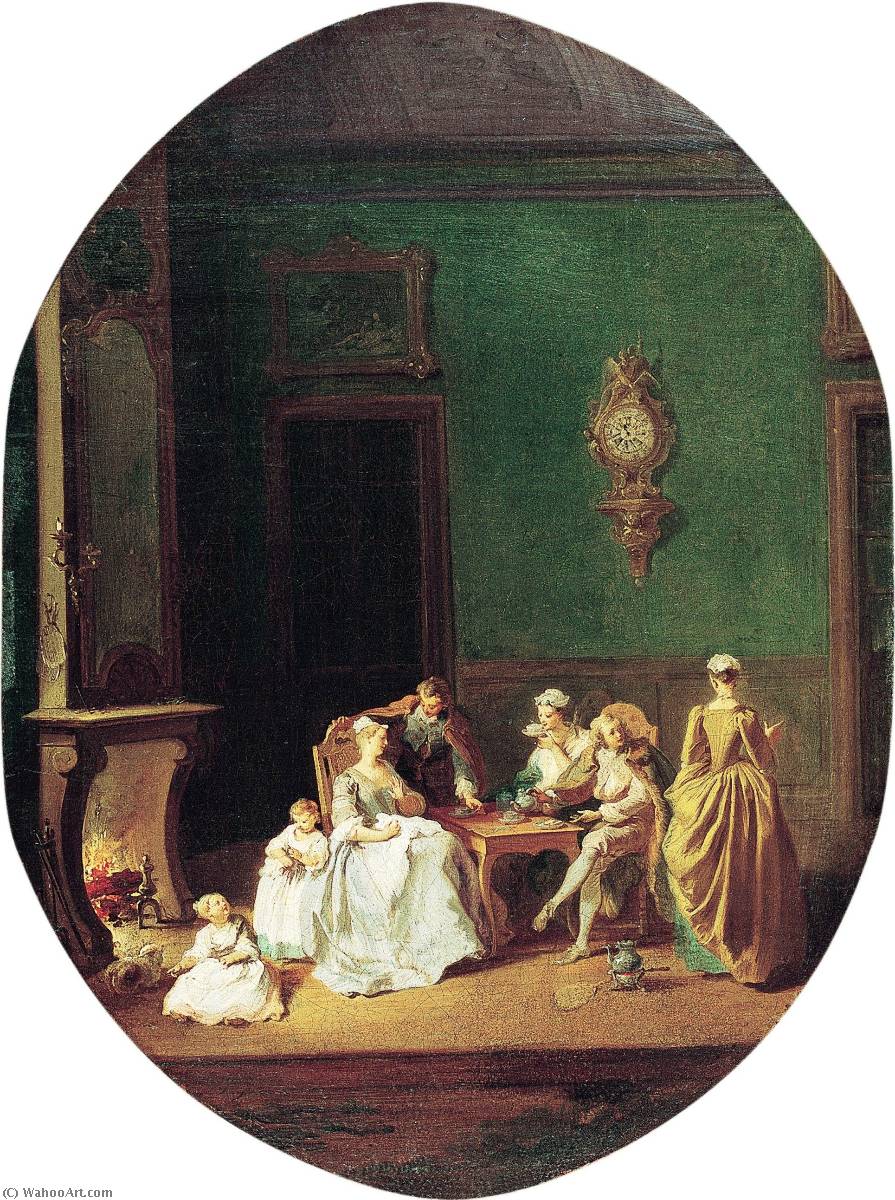
The Four Seasons 4, Winter


 詳細を見る
詳細を見る




































作品のオリジナル比率に合わせた、当店の規定サイズからお選びください。

特定のフレームやスペースに合わせて、ご希望のサイズをご入力いただけます。選択されたサイズが元の画像の比率と異なる場合、アートワークをトリミングするか、手描きで要素を追加して絵画を拡張いたします。デジタルモックアップ を制作し、制作開始前にご確認(承認)をいただきます。
画面上のプレビューは、実際のトリミングや拡張を正確に反映しているものではありません。最終的な構図は、モックアップによってのみ正確にご確認いただけます。
カスタムサイズもご利用いただけますが、元の比率を維持するためには、あらかじめ用意されたリストからサイズを選択することをお勧めいたします。
ご注文後、ArtsDot.com チームより詳細な指示をお送りするとともに、仕上がりイメージ(モックアップ)をご提供いたします。


 ガラスオプションは、110cm未満のサイズでのみご利用いただけます。

The Four Seasons 4, Winter
複製技法
複製画のサイズ
-


合計金額
$ 263
関連作品
アーティストの略歴
The Echoes of Watteau’s Atelier
Pierre Antoine Quillard remains a figure shrouded in artistic mystery—a talent tragically cut short before achieving the renown he deserved. Despite the scarcity of definitive biographical details and the frustrating lack of a comprehensive catalogue raisonné, scholars have pieced together fragments of his life and career to illuminate his place within the vibrant Rococo landscape of eighteenth-century France. Born around 1700 in Paris, likely into a family involved in woodworking, Quillard’s early artistic inclinations were nurtured from a remarkably young age. Accounts suggest he began studying art under Antoine Watteau, the celebrated painter of fêtes galantes, though precise confirmation remains elusive. This formative influence is palpable throughout his oeuvre, where Quildard consistently sought to emulate Watteau's distinctive style—characterized by delicate brushstrokes, idealized landscapes, and an emphasis on capturing fleeting moments of aristocratic leisure.
The brilliance of his early talent was recognized almost immediately by the highest echelons of French society. When he was merely ten or eleven years old, his paintings were deemed such perfect copies of Watteau's style that Cardinal Fleury presented some to King Louis XV, who subsequently granted Quillard a pension. This royal recognition provided a foundation of support, yet his path toward academic glory was met with unexpected obstacles. His artistic journey was marked by repeated failures in securing the Prix de Rome, a prestigious scholarship awarded annually by the Académie Royale to promising young artists destined for study in Italy. Despite achieving second place in both 1724 and 1725, Quillard found himself unable to claim the top honor, a setback that may have redirected the course of his life toward the Iberian Peninsula.
A New Horizon in Portugal
Fate intervened decisively when Quillard accepted an invitation from Charles Frédéric de Merveilleux, a Swiss physician attached to the royal court in Lisbon. This position offered him invaluable experience working alongside Merveille0 on Flora, a monumental herbarium project intended to celebrate Portugal’s scientific achievements. Upon his arrival in Lisbon, the Crown Prince—later King Joseph I—awarded him a generous pension, signaling his growing importance within the Portuguese court. Quillard's transition from a French protégé to an international court painter was seamless, as he brought with him the refined elegance of the Rococo movement to a new and eager audience.
His appointment as Court Painter to King John V in 1727 marked the pinnacle of his professional recognition. His early assignments were grand in scale, including the decoration of ceilings in Queen Maria Anna's apartments. These works, though magnificent, suffered a tragic fate; they were ultimately destroyed during the devastating Lisbon earthquake of 1755. Beyond his decorative ceiling paintings, Quillard was also commissioned to illustrate publications issued by the Academia Portuguesa de História. His ability to blend scientific precision with artistic grace made him an ideal collaborator for the era's great intellectual and botanical endeavors.
Legacy and Artistic Contribution
Though his life ended prematurely on November 25, 1733, at the age of only thirty-three, Quillard left behind a legacy that bridged the gap between French Rococo elegance and Portuguese royal splendor. His work serves as a vital link in understanding how the aesthetic language of Watteau traveled across borders to influence the visual culture of Europe. To study his surviving works is to witness a master in the making, an artist who captured the ephemeral beauty of nature and the sophisticated grace of the aristocracy.
The breadth of his artistic output can be categorized through several key themes:
- Portraiture and Court Life: Capturing the dignity and fashion of the Portuguese and French nobility.
- Botanical Illustration: Contributing to the scientific advancement of the era through the Flora project.
- The Rococo Landscape: Emulating the dreamlike, pastoral settings popularized by his mentor, Antoine Watteau.
- Decorative Arts: Executing large-scale ceiling paintings and engravings that defined royal interiors.
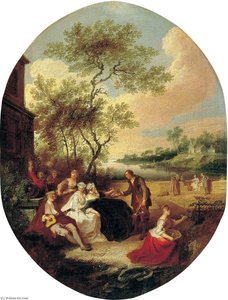
pierre antoine quillard
1700 - 1733
基本情報
- Artistic Movement Or Style: Rococo
- Artists Or Movements Influenced By This Artist: ['Louis XV of France']
- Artists Who Influenced This Artist: ['Antoine Watteau']
- Date Of Birth: c. 1700
- Date Of Death: 25 November 1733
- Full Name: Pierre Antoine Quillard
- Nationality: French
- Notable Artworks:
- The Four Seasons 3, Autumn
- The Four Seasons 2, Summer
- The Four Seasons 1, Spring
- Place Of Birth: Paris, France

