 プレビュー
プレビュー
 プリントを購入
 シェアする
シェアする シェアする
シェアする
 詳細を見る
詳細を見る

 ダウンロード
 似ている作品
 X線調査
X線調査 スライドショー
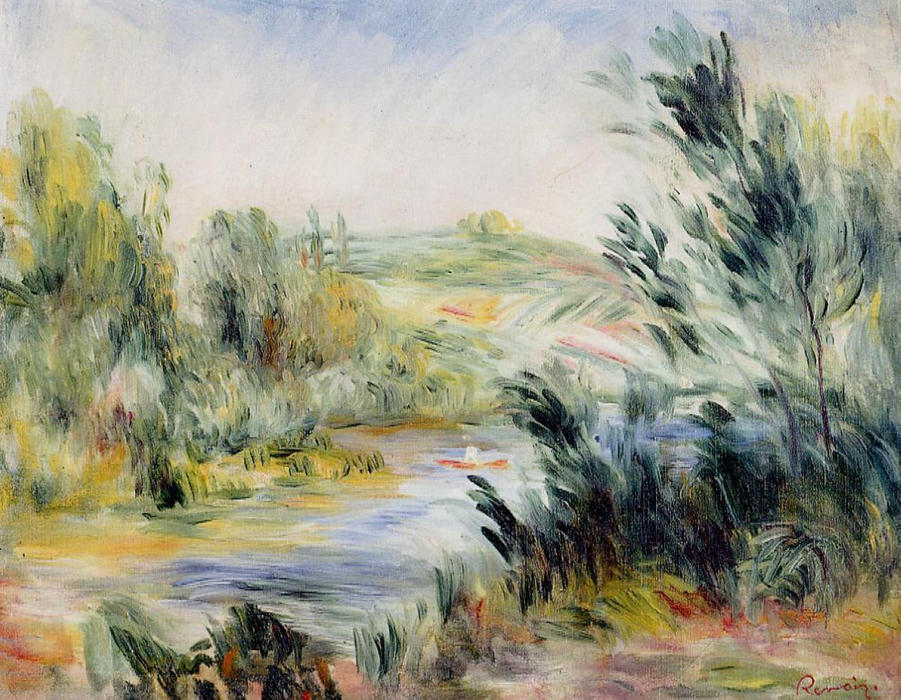
The Banks of a River, Rower in a Boat

 詳細を見る
詳細を見る




P118B $10

P118H $10

P118W $10

P438Z $10

P508JH $12

P508YH $12

P805H $10

P805Z $10

P919BZ $10

P919G $10

P919XJ $10

P959ZH $10

P968JZ $12

W106C $8

W218G $10

W218JH $8

W218Y $10

W307PJ $10

W316G $10

W316PJ $8

W316Y $10

W398PJ $8

W4111J $10

W500HY $15

W500JH $15

W692G $12

W849H $8

W940BG $15

W953PJ $8




作品のオリジナル比率に合わせた、当店の規定サイズからお選びください。

特定のフレームやスペースに合わせて、ご希望のサイズをご入力いただけます。選択されたサイズが元の画像の比率と異なる場合、アートワークをトリミングするか、手描きで要素を追加して絵画を拡張いたします。デジタルモックアップ を制作し、制作開始前にご確認(承認)をいただきます。
画面上のプレビューは、実際のトリミングや拡張を正確に反映しているものではありません。最終的な構図は、モックアップによってのみ正確にご確認いただけます。
カスタムサイズもご利用いただけますが、元の比率を維持するためには、あらかじめ用意されたリストからサイズを選択することをお勧めいたします。
ご注文後、ArtsDot.com チームより詳細な指示をお送りするとともに、仕上がりイメージ(モックアップ)をご提供いたします。


 ガラスオプションは、110cm未満のサイズでのみご利用いただけます。

The Banks of a River, Rower in a Boat
複製技法
複製画のサイズ
-


合計金額
$ 263
A Moment Frozen in Light: The Essence of Impressionism
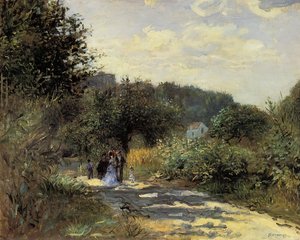
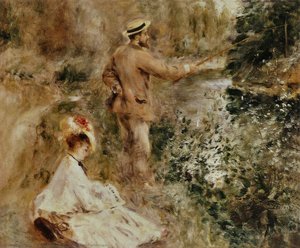
Pierre-Auguste Renoir’s “The Banks of a River, Rower in a Boat” isn't merely a depiction of a riverside scene; it’s an immersion into the dappled light and vibrant atmosphere of late 19th-century Paris. Painted around 1870 – a pivotal period for Impressionism – this work captures a fleeting moment, imbued with a sense of joyful leisure and the beauty of nature's embrace. Renoir, deeply influenced by artists like Jean-Charles Cazin who specialized in idyllic landscapes, sought to move beyond academic realism, prioritizing the subjective experience of seeing—the way light dances on water, how colors blend and shift, and the ephemeral quality of a summer afternoon.
The composition itself is deceptively simple. A solitary rower, gliding along a gently flowing river, dominates the foreground, his boat a splash of orange against the verdant backdrop. Trees line the banks, their branches reaching out like welcoming arms, while figures – some standing on the shore, others further back – are subtly integrated into the scene, suggesting a community enjoying the day’s pleasures. This isn't a grand historical narrative; it’s an intimate snapshot of everyday life, rendered with Renoir’s signature sensitivity and attention to detail.
The Dance of Light and Color: A Technical Masterpiece
Renoir’s technique is the very heart of this painting. He employs a broken brushstroke – short, visible dabs of color applied directly from the tube – creating an effect of shimmering light and movement. Notice how he doesn't blend colors smoothly; instead, he allows them to mingle optically on the canvas, resulting in a vibrant, almost luminous quality. The use of complementary colors—the orange boat against the blue water—intensifies this effect, adding visual excitement and depth. This technique was revolutionary for its time, rejecting the traditional practice of layering paint to create smooth transitions.
The artist’s mastery extends to his understanding of atmospheric perspective. The distant trees are rendered in softer, paler tones, conveying a sense of distance and creating an illusion of depth. He skillfully captures the reflections on the water's surface, mirroring the sky and surrounding foliage, further enhancing the painting’s immersive quality. It is important to note that Renoir was influenced by Jean-Charles Cazin, who specialized in luminous seascapes & figure subjects.
Symbolism of Leisure and Beauty
Beyond its technical brilliance, “The Banks of a River” carries symbolic weight. The rower represents a moment of escape – a respite from the hustle and bustle of city life. It’s an invitation to slow down, appreciate the beauty of nature, and savor the simple pleasures of leisure. The presence of the figures on the shore suggests community and connection, reinforcing the painting's theme of shared enjoyment. Renoir was known for his celebration of beauty and especially feminine sensuality, as noted by art historians.
The river itself can be interpreted as a metaphor for life’s journey – flowing onward, ever changing, yet always connected to its source. The painting's serene atmosphere evokes a sense of tranquility and contentment, reminding us to find beauty in the everyday moments of our lives. It is a testament to Renoir’s ability to capture not just what he saw, but also how he *felt* about what he saw – a profound connection with the world around him.
Bringing Renoir's Vision Home
ArtsDot offers meticulously crafted hand-painted reproductions of “The Banks of a River, Rower in a Boat,” allowing you to experience the magic of this iconic Impressionist masterpiece in your own space. Our artists faithfully recreate Renoir’s delicate brushstrokes and vibrant color palette, ensuring that every detail is rendered with exceptional accuracy and artistry. Whether you're an art collector, interior designer, or simply someone who appreciates beauty, a ArtsDot reproduction will bring the timeless charm of this painting into your life.
関連作品
アーティストの略歴
光に浸された生涯:ピエール=オーギュスト・ルノワールの世界
1841年、フランスのリムーザン地方で生まれたピエール=オーギュスト・ルノワールは、謙虚な磁器画家としての出発から、印象派の巨匠へと昇華していく軌跡は、揺るぎない献身と芸術的ビジョンを示す証です。幼少期を過ごした家族と共にパリへ移り住んだことは、彼の芸術的感性を深く形作りました。賑やかな街並み、多様な人々が織りなす生活は、その後の作品のインスピレーション源となりました。当初は経済的な必要性から磁器絵付けの修行を積む中で、若きルノワールは頻繁にルーブル美術館を訪れ、巨匠たちの技法を丹念に研究し、美への深い理解を育みました。この初期の経験が、単なる職人芸を超えた情熱を燃え上がらせたのです。それは、キャンバス上で光と生命の一瞬を捉えるという使命でした。その後、シャルル・グレレのアトリエに入学し、クロード・モネ、アルフレッド・シスレー、フレデリック・バジルといった志ある芸術家たちとの生涯にわたる友情を築き、印象派運動の礎を築きました。写実主義から輝ける印象へ
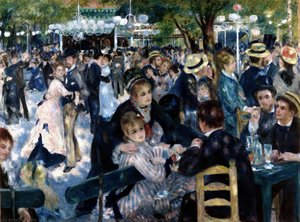
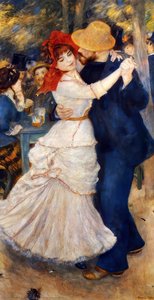
ルノワールの芸術的進化は、多様な巨匠の影響を受けた魅力的な変遷でした。当初、ギュスターヴ・クールベやエドゥアール・マネといった写実主義画家たちに惹かれ、彼らの現代生活を率直かつ直接的に描写する姿勢を称賛しました。しかし、ピーター・パウル・ルーベンスやジャン=アントワーヌ・ワトーの輝かしい色彩と官能的なフォルムが彼の心を捉え、美への深い感謝と喜びや余暇を描く傾向を育みました。これらの初期の影響は、ルノワールが独自のスタイルを確立するにつれて融合し、鮮やかな色彩、崩れた筆致、そして光の一過性の効果を捉えることに重点を置いた作品群を生み出しました。1874年の最初の印象派展への参加は転換点となり、当初は伝統的な美術界から批判を受けましたが、学術的慣習からの拒絶と新たな芸術的ビジョンの受容を示すものでした。それは、目に見えるものだけでなく、ある特定の瞬間に生命を経験する感覚までも捉えようとするものです。ムーラン・ド・ラ・ガレットでのダンス(1876年)は、陽光に照らされ、喜びにあふれた人々が描かれ、このアプローチの典型例です。人生の一瞬を捉える:主要作品とテーマ
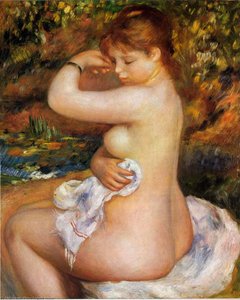
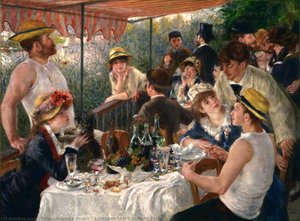
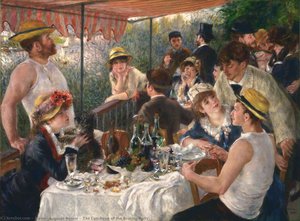
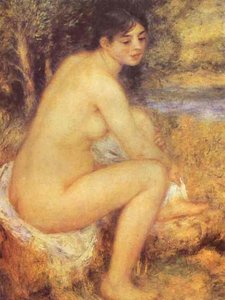
ルノワールの作品群は、人生のささやかな喜びの賛歌です。親密な集まり、日当たりの良い風景、そして人間の形の輝かしい美しさ。ボート乗りのお昼(1880-81年)は、おそらく彼の最も象徴的な作品の一つであり、セーヌ川でゆったりとした午後を楽しんでいる陽気な人々の姿を描いています。この絵画は光と動きを捉えるという点で傑作であり、暖かい太陽の光に包まれ、水面にきらめく反射が描かれています。浴後(1885-87年)は、ルノワールが女性のヌードを描く卓越した技術を示しており、繊細な肌の色調と優雅なポーズを強調しています。彼の絵画は単なる現実の描写ではなく、鑑賞者の心に深く響く暖かさ、親密さ、喜びといった感情が込められています。彼は壮大な歴史的物語や劇的な寓話に関心を寄ぼず、むしろ日常生活の中に内在する美しさを捉え、平凡な瞬間を芸術へと高めました。ブージヴァルのダンスもまた、一瞬の印象と大気の状態を捉える彼の能力を示す傑作です。形態と構造へのシフト:晩年と遺産
1890年代に入ると、ルノワールのスタイルは大きな変化を遂げました。彼は印象派のルーツを完全に捨て去ることはありませんでしたが、より彫刻的で古典的なアプローチへと向かい、イタリア旅行や形態と構造への新たな関心に影響を受けました。この変化はまた、関節炎が徐々に彼の機動力を制限したことによる身体的な制約も一部原因でした。しかし、これらの課題にもかかわらず、ルノワールは揺るぎない献身をもって描き続け、より充実した人物描写と暖かく豊かな色彩を特徴とする作品を生み出しました。彼の晩年の絵画は、しばしばより思索的な雰囲気を反映していますが、初期の作品を定義していた美しさへの賛歌という根底にあるテーマは変わりません。芸術的業績に加えて、ルノワールの遺産は彼の家族を通して受け継がれています。息子ジャン・ルノワールは著名な映画監督となり、世代を超えて創造的な精神を受け継いでいます。1919年、ピエール=オーギュスト・ルノワールは世を去り、世界中の観客にインスピレーションと喜びを与え続ける、不朽の作品群を残しました。彼は芸術史における最も愛される人物の一人であり、比類のない繊細さと優雅さで人生の喜びと人間の経験の美しさを捉える能力が称賛されています。永続的な影響
- ルノワールの影響は、その後の世代の芸術家に否定できません。光、色彩、そして一瞬を捉えることへの重点は、多くの現代美術運動への道を開きました。
- 彼の美しさへの賛歌と官能性は、今日でも観客に共鳴し続けており、彼の作品を普遍的に魅力的なものにしています。
- 彼は印象主義が芸術史における主要な勢力として確立される上で重要な役割を果たし、伝統的な慣習に挑戦し、芸術的表現のための新たな可能性を開きました。
- 数多くのポスター、カレンダー、その他の商品に複製されている彼の絵画の永続的な人気は、彼の作品の時代を超越した品質を証明しています。
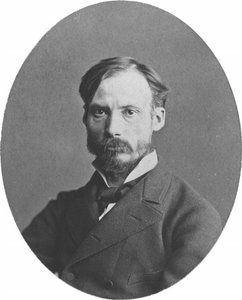
ピエール=オーギュスト・ルノワール
1841 - 1919 , フランス
基本情報
- フルネーム: ピエール=オーギュスト・ルノワール
- 主な作品:
- ムーラン・ド・ラ・ガレットのダンス
- ボート乗りのお昼ご飯
- アフター・ザ・バス
- ブギヴァルのダンス
- 出生地: リムーザン、フランス
- 国籍: フランス
- 影響を与えた芸術家: ['印象派']
- 影響を受けたアーティスト:
- ルブラン
- ワateau
- クールベ
- マネ
- 没年月日: 1919年12月3日
- 生年月日: 1841年2月25日
- 芸術運動: 印象派
関連記事

ルノワール傑作25選:光と色彩が織りなす印象派の華麗なる世界 | ArtsDot
ルノワールの傑作25選🎨 印象派の光と色彩が輝く世界へ。絵画の背景、技法、そして時代を超えて愛される理由を紐解きます。ArtsDotで高品質な複製画やインテリアアートを見つけ、お部屋に芸術的な彩りを✨ Explore the full collection online!

Impressionistic Landscapes: 10 Masterpieces That Changed Art & Decor
Journey into the heart of Impressionism! Explore 10 masterpieces by Monet, Renoir & Degas that revolutionized landscape art. Discover their stories, techniques & find museum-quality reproductions to elevate your home decor on ArtsDot.com.

Evocations of Place: A Historical Journey Through Landscape Art
Explore the rich history of landscape art with ArtsDot. Discover renowned artists, movements like Impressionism & tonalism, and expert guidance for collecting timeless pieces. Find your perfect serene escape today!
Flowing Narratives: Rivers in Painting – A Historical Exploration
Explore the rich history of rivers in painting! Discover masterpieces from ancient times to Impressionism & beyond. Learn about symbolism, artists like Monet & Daubigny, and find your perfect serene artwork at ArtsDot.

印象派風景を彩った至宝:アート史に名を刻む10選
印象派風景の革新を彩った10選。モネ、ルノワールら巨匠の名作を紐解き、色彩と光が生み出す感動の世界へ。アートの歴史とインテリアのインスピレーションをArtsDot.comで。高品質な複製画で、あなただけの空間を創造しましょう。