 プレビュー
プレビュー
 プリントを購入
 シェアする
シェアする シェアする
シェアする
 詳細を見る
詳細を見る

 ダウンロード
 似ている作品
 X線調査
X線調査 スライドショー
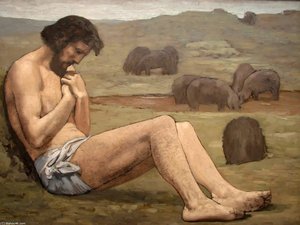
The Poor Fisherman


 詳細を見る
詳細を見る




P118B $10

P118H $10

P118W $10

P438Z $10

P508JH $12

P508YH $12

P805H $10

P805Z $10

P919BZ $10

P919G $10

P919XJ $10

P959ZH $10

P968JZ $12

W106C $8

W218G $10

W218JH $8

W218Y $10

W307PJ $10

W316G $10

W316PJ $8

W316Y $10

W398PJ $8

W4111J $10

W500HY $15

W500JH $15

W692G $12

W849H $8

W940BG $15

W953PJ $8




作品のオリジナル比率に合わせた、当店の規定サイズからお選びください。

特定のフレームやスペースに合わせて、ご希望のサイズをご入力いただけます。選択されたサイズが元の画像の比率と異なる場合、アートワークをトリミングするか、手描きで要素を追加して絵画を拡張いたします。デジタルモックアップ を制作し、制作開始前にご確認(承認)をいただきます。
画面上のプレビューは、実際のトリミングや拡張を正確に反映しているものではありません。最終的な構図は、モックアップによってのみ正確にご確認いただけます。
カスタムサイズもご利用いただけますが、元の比率を維持するためには、あらかじめ用意されたリストからサイズを選択することをお勧めいたします。
ご注文後、ArtsDot.com チームより詳細な指示をお送りするとともに、仕上がりイメージ(モックアップ)をご提供いたします。


 ガラスオプションは、110cm未満のサイズでのみご利用いただけます。

The Poor Fisherman
複製技法
複製画のサイズ
-


合計金額
$ 263
A Vision of Rural Faith: The Soul of Puvis de Chavannes
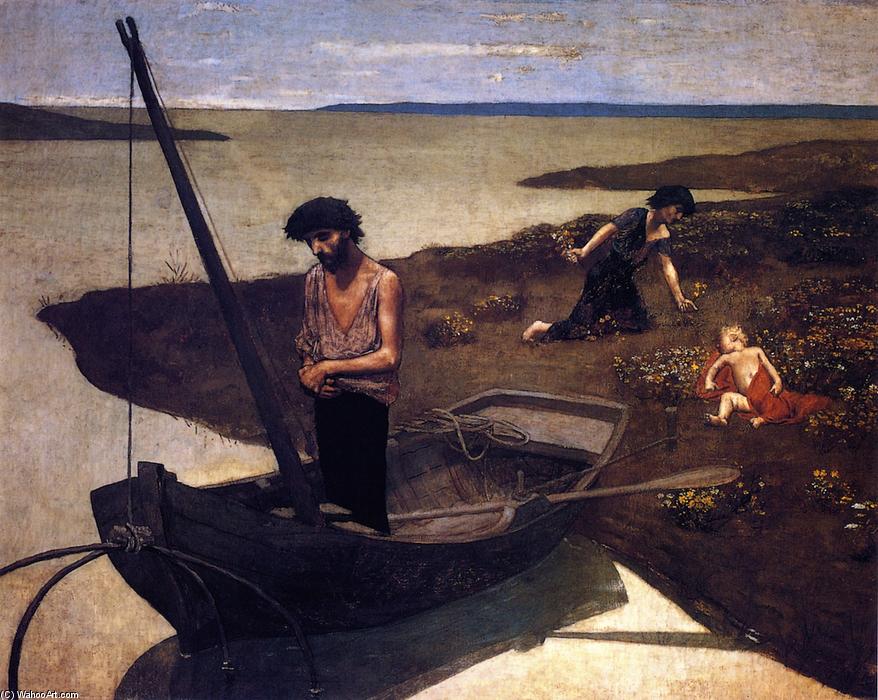
In the quietude of the late nineteenth century, amidst the rapid industrialization of France, Pierre Cécile Puvis de Chavannes offered a sanctuary of stillness. His masterpiece, The Poor Fisherman, completed around 1881, serves as more than just a depiction of maritime labor; it is a profound meditation on the human spirit. As a pivotal figure in French art history, often revered as "the painter for France," Puvis de Chavannes possessed a rare ability to weave national identity with universal emotion. In this particular work, he moves away from the frantic energy of the Impressionists, choosing instead a deliberate, monumental calm that invites the viewer into a state of deep contemplation.
The painting captures a moment frozen in time, where the boundaries between the physical world and the spiritual realm seem to blur. A solitary fisherman stands prominently in his boat, his weathered features telling a story of resilience and toil. His hands are clasped in a gesture of prayer or perhaps profound reflection, a central symbolic element that elevates the scene from a mere genre painting to a Symbolist icon. This quiet act of devotion, set against the vastness of the water, suggests a deep-seated connection between man, nature, and the divine—a theme that resonates powerfully with anyone seeking a sense of peace in their surroundings.
Mastery of Technique and Atmospheric Depth
Technically, The Poor Fisherman is a triumph of subtle nuance and compositional balance. Puvis de Chavannes utilizes a palette that is both muted and evocative, employing soft, earthy tones that ground the scene in a palpable reality while maintaining an ethereal quality. The artist’s background in engineering perhaps contributed to his masterful command of structure; notice how the placement of the boats creates a rhythmic depth that draws the eye through the landscape. The water is not merely a surface but a living, breathing presence, reflecting the subtle shifts of light and the heavy atmosphere of a day spent in waiting.
The brushwork is remarkably controlled, eschewing unnecessary detail to favor an evocative suggestion of form. This approach allows the viewer's imagination to fill in the textures of the fisherman’s rugged clothing and the gentle ripples of the river. For the discerning collector or interior designer, this technique offers a unique advantage: the painting possesses a timeless quality that does not clash with modern aesthetics but rather enhances them. Its ability to command attention through subtlety makes it an ideal centerpiece for spaces designed for reflection, such as a library, a study, or a serene living area.
A Timeless Addition to the Sophisticated Interior
Beyond its historical significance, The Poor Fisherman offers an emotional resonance that is difficult to replicate. It embodies a sense of "ideal beauty"—a pursuit central to Puvis de Chavannes's philosophy. The painting does not demand attention through loud colors or dramatic action; instead, it seduces the viewer with its quiet dignity and the strength found in vulnerability. This makes a high-quality reproduction of this work an extraordinary investment for those looking to infuse their homes with a sense of history, stability, and grace.
Integrating such a piece into a curated collection or a room design provides a focal point of profound narrative depth. Whether placed in a contemporary setting to provide a classical counterpoint or within a traditional gallery-style arrangement, the painting acts as an anchor of tranquility. It serves as a constant reminder of the beauty found in simplicity and the enduring power of faith and resilience, making it a truly transformative work of art for any discerning enthusiast of the fine arts.
関連作品
アーティストの略歴
生涯と壮大なビジョンの探求
ピエール・セシル・プーヴィス・ド・シャヴァンヌ、しばしば単にプーヴィス・ド・シャヴァンヌと呼ばれるこの名は、19世紀フランス美術において独特で重要な位置を占めています。1824年にリヨンで生まれた彼は、「フランスの画家」として知られるようになり、第三共和政初期における公共芸術への深い影響を示しました。彼の遺産は単なる装飾を超え、プーヴィス・ド・シャヴァンヌは国民的理想を体現し、政治的・社会的な変革に直面していた世代に共鳴する視覚的な物語を作り上げました。彼は歴史を単に描写したのではなく、未来のためにその視覚的記憶を積極的に形成しました。彼の象徴主義やアール・ヌーヴォーに傾倒する後続の芸術家たちへの影響は否定できず、メダリストとの協調性も高く評価され、デザインと洞察力に富んだ提案を行いました。工学から芸術への献身
ピエール・セシルの初期の人生は、当初、芸術の世界とは異なる軌跡をたどっていました。ブルゴーニュ貴族の子孫であるエンジニアの父を持つ彼は、アミアン大学とパリのアンリ4世高校で教育を受け、父親の後を継ぐための準備をしていました。しかし、深刻な病気が転機となり、静養期間が内省と芸術的傾向の発芽を促しました。イタリアへの変革的な旅は彼に絵画への情熱を呼び起こし、工学から創造的な表現に専念する人生へと決意を変えました。彼は祖先の遺産を受け継ぎ、「ド・シャヴァンヌ」を名前に取り入れ、アイデンティティと血統の微妙な主張を行いました。彼の正式な訓練には、ウジェーヌ・ドラクロワ、アンリ・シェッファー、トーマス・クチュールの著名な指導者たちからの短い指導が含まれていましたが、最終的には独立した研究を好み、リヨン駅近くに広々としたスタジオを設立し、芸術的探求の中心地としました。彼は後に記念碑的な作品のために基礎となる解剖学の理解を深めるために、アカデミー・デ・ボザールでクラスを受講しました。象徴主義様式の誕生
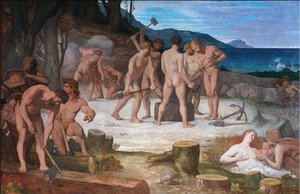
プーヴィス・ド・シャヴァンヌの芸術的スタイルは一般的に象徴主義に分類されますが、ロマン主義のルーツから発展しました。彼の作品は、簡素化された形態、リズミカルな線形構成、フレスコ画を彷彿とさせる独特でくすんだパレットによってすぐに認識できます。彼は写真のような写実性には興味がなく、本質を抽出し、被写体の根底にある精神をとらえようとしました。彼は古典古代や理想化された風景から頻繁にインスピレーションを得て、壮大な物語の中に寓意的なテーマを織り込みました。1860年代初頭にアミアンのピカディー美術館で始まった初期の依頼作品—*コンコルディア*、*ベラム*、*労働*、*休息*など—は、公共壁画における彼の評判を確立しました。これらは単なる装飾要素ではありませんでした。市民的美徳、労働、調和の追求について慎重に検討された声明でした。その後、リヨンの美術館のために依頼された一連の重要な壁画は、公共芸術における彼の地位をさらに確固たるものにしました。1873年にサンアントニオ美術館に収蔵されている*木こりたち*などの注目すべき作品は、日常的なシーンに象徴的な重みと詩的な優雅さを吹き込む彼の能力を示しています。*マッシリア、ギリシャ植民地*や*聖なる森*などの絵画は、彼の特徴的なスタイルとテーマ的関心を示し、瞑想を誘う風景の中に裸の人物を描いています。永続的な遺産:影響と歴史的重要性
プーヴィス・ド・シャヴァンヌがフランス—そしてそれ以外—の芸術界に与えた影響は深遠でした。彼は一世代の画家や彫刻家、特にモダニズムに関連する人々に影響を与えた功績があります。簡素化された形態、装飾的なパターン、寓意的なテーマへの彼の強調は、伝統的なアカデミックな制約から脱却しようとする芸術家たちに深く共鳴しました。ジョルジュ・ド・フェールはその著名な弟子の一人で、彼の指導と助言から直接恩恵を受けました。絵画の分野を超えて、プーヴィスはメダリストと積極的に協力し、彼らの作品を豊かにするデザインと提案を提供しました。エミール・ゾラは彼の芸術を「理性、情熱、意志によって作られた芸術」と雄弁に称賛し、彼の創造物の中に内在する知的および感情的な深みを捉えました。彼の最も祝われる業績は、フランスにおける政治的および社会的大変革の時代における公共芸術の開発への貢献にあります。彼の壁画は単なる美的強化ではありませんでした。それらは国民的理想を体現し、市民空間のための視覚的な物語を提供することを意図しており、集団的アイデンティティと共有された価値観を育みました。パリのパンテオンにある聖ジュヌヴィエーヴの生涯を描いた記念碑的な壁画は、彼のスキルとビジョンの永続的な証です。プーヴィス・ド・シャヴァンヌは19世紀フランス美術における重要な人物であり、ロマン主義と象徴主義の間のギャップを埋め、現代時代の芸術的革新への道を開きました。彼の作品は畏敬の念と賞賛を引き続き刺激し、歴史、文化、そして人間存在に対する芸術が及ぼす力を思い出させてくれます。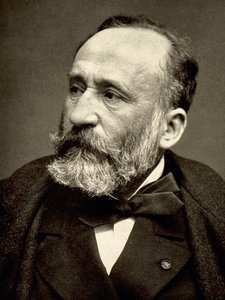
ピュヴィ・ド・シャヴァンヌ
1824 - 1898 , フランス
基本情報
- Artistic Movement Or Style: 象徴主義
- Artists Or Movements Influenced By This Artist:
- ロベール・ジェナン
- アール・ヌーヴォー
- モダニズム
- Artists Who Influenced This Artist:
- ドラクロワ
- シェッファー
- クール
- Date Of Birth: 1824年12月14日
- Date Of Death: 1898年
- Full Name: ピエール・セシル・プヴィス・ド・シャヴァンヌ
- Nationality: フランス人
- Notable Artworks (List Of Titles):
- 木こりたち
- マッシリア
- 聖なる森
- 平和
- 愛国心の研究
- Place Of Birth (City And Country): リヨン、フランス
関連記事

ゴヤ傑作25選:スペインの魂を揺さぶる、深遠な芸術の世界 | ArtsDot
ゴヤ傑作25選:ロマン主義を代表するスペインの巨匠、フランシスコ・デ・ゴヤの世界へ。黒衣の女からマハまで、魂を揺さぶる絵画の物語と技法を紐解きます。ArtsDotで高品質なアートレプリカを見つけ、インテリアに深みと風格を。今すぐコレクションをご覧ください。
Pierre Puvis de Chavannes: Symbolism, Mural Painting, and the Pursuit of Ideal Beauty
Explore the life & work of Pierre Puvis de Chavannes, a pivotal Symbolist painter renowned for his monumental murals. Discover his aesthetic principles, key artworks like 'Hope,' and lasting influence on modern art. A deep dive into 19th-century French painting.

Giclée Prints: Archival Quality & Aesthetic Nuances for the Discerning Collector
Explore the world of giclée prints with ArtsDot. Learn about archival quality, aesthetic nuances & investment potential. Expert guidance for discerning art collectors seeking museum-quality reproductions and lasting value.
The Allure of the Horizon: A Comprehensive Exploration of Seascape Art Through History & Emotion
Explore the captivating world of seascape art! Discover its history, key artists & movements – from Dutch Masters to Impressionism. Expert insights for collectors and enthusiasts at ArtsDot.