

 プレビュー
プレビュー
 シェアする
シェアする シェアする
シェアする
 詳細を見る
詳細を見る

 ダウンロード
 似ている作品
 X線調査
X線調査 スライドショー
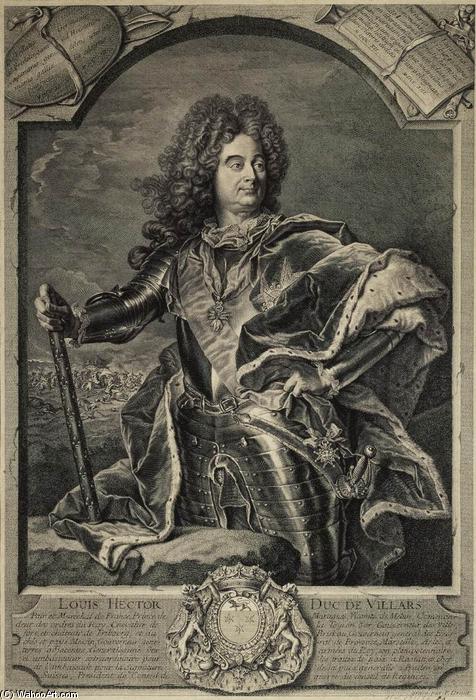
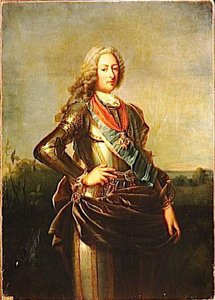
Portrait of Louis Hector, Duc de Villars, Marshal of France
 Engraving
- Baroque Portraiture
 1718
1718 525.0 x 360.0 cm
 エルミタージュ美術館
 詳細を見る
詳細を見る
ジークレー/アートプリント
迅速な制作と多彩な仕上げオプションを備えた、ミュージアムクオリティのジークレーまたはキャンバスプリント。 ( 手描きの絵画を購入 画像を購入)




P118B $10

P118H $10

P118W $10

P438Z $10

P508JH $12

P508YH $12

P805H $10

P805Z $10

P919BZ $10

P919G $10

P919XJ $10

P959ZH $10

P968JZ $12

W106C $8

W218G $10

W218JH $8

W218Y $10

W307PJ $10

W316G $10

W316PJ $8

W316Y $10

W398PJ $8

W4111J $10

W500HY $15

W500JH $15

W692G $12

W849H $8

W940BG $15

W953PJ $8




作品のオリジナル比率に合わせた、当店の規定サイズからお選びください。

特定のフレームやスペースに合わせて、ご自身でサイズを指定することも可能です。選択されたサイズが元の画像の比率と一致しない場合、作品をトリミングするか、鏡面反射または単色での塗りつぶしによって画像を拡張いたします。制作を開始する前に、ご確認用のデジタルモックアップをお送りいたします。
画面上のプレビューには、実際のトリミングや拡張は反映されませんのでご注意ください。最終的な構図を正確に確認できるのは、モックアップのみとなります。
カスタムサイズも承っておりますが、元の比率を維持するためには、あらかじめ用意されたリストからサイズを選択することをお勧めいたします。


 ガラスオプションは、110cm未満のサイズでのみご利用いただけます。

Portrait of Louis Hector, Duc de Villars, Marshal of France
ジークレー/アートプリント
複製画のサイズ
-


合計金額
$ 62
Portrait of Louis Hector, Duc de Villars – A Baroque Masterpiece
Pierre Drevet’s “Portrait of Louis Hector, Duc de Villars, Marshal of France,” painted in 1718, is more than a mere likeness; it's a meticulously crafted distillation of power, dignity, and the calculated gravitas demanded by the French court. This engraving, executed with remarkable precision using the techniques of the Baroque period, offers a rare glimpse into the world of a prominent military leader – a man who shaped the destiny of France during a turbulent era. The work transcends its subject matter to become a testament to Drevet’s skill and an evocative window into 18th-century aristocratic life.
The portrait depicts Louis Hector, Duc de Villars, a celebrated Marshal of France, in a three-quarter pose that immediately commands attention. He stands within a dark archway, a subtle device employed to draw the viewer’s eye towards his commanding presence. The composition is centered around Villars himself, whose stern expression and formal attire – complete with elaborate military uniform, medals, and a richly adorned hat – project an aura of authority and strategic intellect. The careful arrangement of elements creates a sense of balance and stability, reflecting the ideals of order and control that were highly valued within the French court.
A Symphony of Lines and Tones
Drevet’s mastery lies in his command of engraving technique. The artwork is entirely monochromatic, utilizing a sophisticated range of grays to build depth, texture, and form. Fine lines are meticulously etched into the metal plate, creating an astonishing level of detail – from the intricate folds of Villars' clothing to the delicate curls of his hair and the subtle contours of his face. Hatching and cross-hatching techniques are employed with exceptional skill, layering tones to simulate the roughness of fabric, the sheen of polished armor, and the texture of aged leather. This painstaking process transforms a simple engraving into a remarkably realistic representation.
The use of lines is not merely decorative; it’s fundamental to the artwork's expressive power. The sharp, defined lines delineate the edges of Villars’ garments and facial features, emphasizing his strength and resolve. Conversely, softer, more diffused lines create an atmosphere of quiet contemplation, suggesting a man burdened by responsibility and strategic thought. The overall effect is one of controlled elegance and understated intensity.
Symbolism and Historical Context
Beyond its technical brilliance, the portrait is rich in symbolic meaning. The formal attire, particularly the elaborate military uniform and medals, signifies Villars’ high rank and distinguished service to France. His stern expression conveys a sense of duty, discipline, and unwavering commitment to his nation. The dark archway behind him serves as a visual anchor, grounding the figure within a space of authority and power. The inclusion of decorative elements – reminiscent of leaves and scrolls – adds an element of grandeur and formality, aligning with the aesthetic sensibilities of the Baroque period.
Painted in 1718, during the reign of Louis XIV, this portrait reflects the political and cultural climate of France at the time. The era was marked by a fervent belief in royal authority, military prowess, and the importance of maintaining social order. Villars himself played a crucial role in these developments, serving as a key figure in the French army and contributing significantly to the nation’s success during the War of the Spanish Succession. His portrait, therefore, is not simply a representation of an individual; it's a symbol of France’s power and ambition.
A Legacy of Artistic Excellence
Pierre Drevet’s “Portrait of Louis Hector, Duc de Villars, Marshal of France” stands as a remarkable achievement in the history of engraving. Its meticulous detail, sophisticated use of line and tone, and rich symbolic content combine to create a work of enduring beauty and historical significance. Reproductions of this masterpiece offer art enthusiasts and collectors alike an opportunity to experience the artistry and vision of one of France’s most celebrated portrait engravers. It remains a powerful testament to the enduring legacy of Baroque art and a captivating window into the world of 18th-century nobility.
関連作品
アーティストの略歴
ヨハネス・フェルメール:光に照らされた人生
ヨハネス・フェルメールという名は、光り輝く室内空間と日常の静かな尊厳を象徴するものであり、西洋美術史において最も謎めいていて愛される人物の一人であり続けています。1632年にオランダのデルフトで生まれた彼の芸術的な道のりは悲しくも短く、わずか十年後に命を落としましたが、その短い間に彼は驚くほど少ないながらも深く影響力のある作品群を生み出しました。光と色彩の絶妙な使用法が特徴のこれらの絵画は、一般の人々の生活に親密な一瞥を提供し、静謐な美しさや深い感情の瞬間を捉えています。彼の遺産は、単に芸術的な技術的な輝きのためだけでなく、彼自身を取り巻く永続的な謎――熟練した職人であり、献身的な夫であり父であり、そしてその生涯がほとんど憶測に包まれた非常に内向的な人物であるという点によっても続いています。
フェルメールの初期の生活は、デルフトの活気ある商業景観に深く根ざしていました。彼の父、レイニエ・ヤンスは、カッファとして知られる豪華なサテン生地を専門とする織物職人であり、この商売が家族にささやかな収入をもたらし、若いヨハネスを職人技と商業の世界へと導きました。家族の繁栄のおかげで、彼らは賑やかな市場広場にかなりの大きさの家を購入することができ、その場所は後に彼の最も有名な絵画の舞台となることになります。この環境は、彼の中に細部へのこだわり、観察力、そして都市生活のリズムへの深い認識を植え付けました――これらは彼の芸術的ビジョンを形作る上で決定的な要素となりました。フェルメールは地元の芸術家から初期の訓練を受けましたが、具体的な詳細は乏しく、徒弟制度と組み合わせたほとんど独学的なアプローチが示唆されています。彼は1632年10月31日にデルフトの主要教会であるニューウェ・ケルクに洗礼され、1653年にカテリーナ・ボルネスと結婚しました――この結合によって、彼は著名な商人であり芸術の後援者であったインフルエンサーなティンス家と関わることになりました。
芸術家のパレットと技法
フェルメールの芸術様式は、その目覚ましい繊細さと光の習熟度によって即座に認識されます。劇的なコントラストや力強い筆致を好んだ同時代の多くの作家たちとは異なり、フェルメールは半透明な絵具の層を積み重ねるという繊細な技法を用い、ほとんど写真のような効果を生み出しました。彼は特に光が表面とどのように相互作用するか――金属のきらめく反射、ろうそくの柔らかい輝き、窓から差し込む拡散した光など――を捉えることに長けていました。この細部への綿密な注意は、「真珠の耳飾りの少女」のような作品に見られ、そこでは主題の視線がキャンバス全体にわたって鑑賞者を追っているかのように感じられます。また、「乳搾り女」においては、光が彼女のエプロンのひだを捉え、その顔の素朴な美しさを照らしています。
フェルメールのパレットは驚くほど抑制されており、主に茶色、黄土色、灰色といった落ち着いたアースカラーに頼り、深みと雰囲気を生み出していました。彼はこれらの色を控えめに使い、白い繊細なウォッシュや微妙な色の濃淡を重ね合わせることで、並外れた光沢を実現しました。彼の筆致はほとんど見えず、色をシームレスに混ぜ合わせることで滑らかな移行と驚くべきリアリズムの感覚を生み出しています。彼はまた、レオナルド・ダ・ヴィンチによって開発された技法であるスフマートの達人でもあり、これは輪郭を和らげ、かすんだ効果を作り出すことで、彼の絵画の雰囲気的な質感をさらに高めています。
主題とテーマ
フェルメールの初期の作品はしばしば聖書的または神話的な場面を描いており――劇的な人物や豪華な衣装に満ちた壮大な物語――でしたが、彼は徐々にその焦点をより親密な題材へと移していきました。彼は日常生活の光景を捉えることにますます関心を抱き、特に家庭内の空間で起こる出来事に注目しました。これらの絵画は、商人、主婦、子供たち、召使いといった一般の人々の生活に痛切な一瞥を提供し、彼らの静かな尊厳、ささやかな喜び、そして深い感情の瞬間を明らかにしています。
フェルメールの作品には、母性、家族生活、自然界の美しさといった繰り返し現れるテーマがあります。彼は若い子供を持つ女性たちを描くことが多く、それらの間の優しさと愛情を捉えました。彼の絵画はまた、日常のささやかな喜び――リンゴを皮むく女性、猫と遊ぶ少女、硬貨を数える商人など――を称賛しています。これらの場面には静けさと満足感が満ちており、それは平凡な生活の美しさと価値に対するフェルメール自身の認識を反映しています。
再発見と遺産
1675年の彼の死後何世紀にもわたり、フェルメールの作品はほとんど忘れられ、レンブラントやフランシス・ハルスといった他のオランダの巨匠たちの輝きに影を落とされていました。20世紀初頭になって初めて、学識経験者たちは彼の絵画が持つ独自の資質と深い芸術的価値を認識し始めました。フェルメールの再発見は、社会における芸術家の役割についてのより広範な再評価と同時に起こりました――伝統的な英雄的な人物や壮大な物語への重点から、一般の人々の日常的な経験へのより大きな評価へと移行したのです。
今日、フェルメールの絵画は世界中の美術館で最も貴重な所蔵品の一つです。「真珠の耳飾りの少女」は議論の余地なく彼の最も有名な作品であり、その謎めいた表情と光り輝く質感が鑑賞者を魅了しています。彼の他の傑作――「乳搾り女」、「デルフトの眺め」、そして「絵画の技術」――は、その技術的な素晴らしさと感情的な深さによって今なお畏敬の念と賞賛を呼び起こしています。フェルメールの遺産は美術史の領域を遥かに超えており、彼の絵画は文化的な象徴となり、美しさ、静けさ、そして人間的なつながりという時代を超越したビジョンを体現しています。彼は観察力の力、技術の繊細さ、そして私たちの人生を形作る静かな瞬間を捉える永続的な魅力の証であり続けているのです。
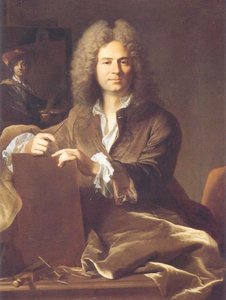
ピエール・ドレヴェ
1663 - 1738
基本情報
- Artistic Movement Or Style: バロック
- Artists Or Movements Influenced By This Artist: ['レンブラント']
- Artists Who Influenced This Artist: ['グイド・レニ']
- Date Of Birth: 1632年10月31日
- Date Of Death: 1675年12月16日
- Full Name: ヨハネス・フェルメール
- Nationality: オランダ人
- Notable Artworks:
- 真珠の耳飾りの少女
- 天秤を持つ女性
- 乳売女
- Place Of Birth: デルフト(オランダ)
関連記事
Engraving's Golden Age: 10 Masterpieces That Redefined Art | ArtsDot
Journey through art history with our Top 10 Legendary Engravings! Explore masterpieces by Dürer, Rembrandt & Goya. Discover the stories behind these iconic prints and find museum-quality reproductions for your home at ArtsDot.com.
Engraving: A Historical Survey of Technique, Artistic Expression & Enduring Legacy
Explore the rich history of engraving with ArtsDot. Discover techniques, iconic artists like Dürer & Callot, collecting tips, and expert guidance for preserving your art investment. Learn about intaglio printing & more!
The Grandeur of Baroque Portraiture: Power, Emotion & Artistic Innovation
Explore the grandeur of Baroque portraiture! Discover Rubens, Van Dyck & the masters of 17th-century art. Uncover symbolism, techniques & lasting influence. Expert insights for collectors and enthusiasts.

バロックのドラマ:現代のインテリアに壮麗さと情感を取り込む
バロック様式の歴史、絵画、家具の魅力をご紹介。ArtsDotでは、高品質な油絵複製やカスタムポートレートをご提供し、現代のインテリアに壮麗さと情感を取り入れます。アートコンサルテーションも承ります。

バロック美術を極めた至宝:時代を彩る10大名作の世界
バロック美術の華!カラヴァッジョ、ベルニーニら巨匠が創り上げた10大名作を徹底解剖。ドラマチックな色彩と豪華絢爛の世界観に触れ、至宝のアートプリントで空間を彩ろう。ArtsDot.comで美術館品質の複製と洗練されたインテリアを見つけましょう!

