

 プレビュー
プレビュー
 プリントを購入
 シェアする
シェアする シェアする
シェアする
 詳細を見る
詳細を見る

 ダウンロード
 似ている作品
 X線調査
X線調査 スライドショー
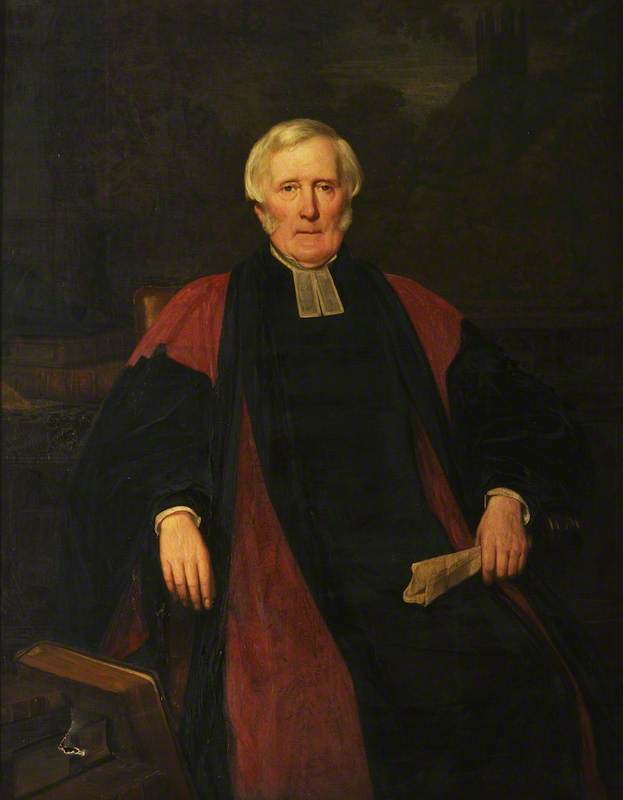
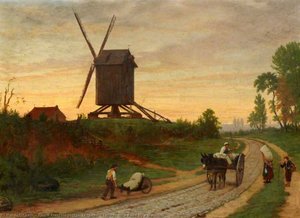
Frederick Bulley (1811–1885), President (1855–1885)
 141.0 x 110.0 cm
 Magdalen College
 詳細を見る
詳細を見る




































作品のオリジナル比率に合わせた、当店の規定サイズからお選びください。

特定のフレームやスペースに合わせて、ご希望のサイズをご入力いただけます。選択されたサイズが元の画像の比率と異なる場合、アートワークをトリミングするか、手描きで要素を追加して絵画を拡張いたします。デジタルモックアップ を制作し、制作開始前にご確認(承認)をいただきます。
画面上のプレビューは、実際のトリミングや拡張を正確に反映しているものではありません。最終的な構図は、モックアップによってのみ正確にご確認いただけます。
カスタムサイズもご利用いただけますが、元の比率を維持するためには、あらかじめ用意されたリストからサイズを選択することをお勧めいたします。
ご注文後、ArtsDot.com チームより詳細な指示をお送りするとともに、仕上がりイメージ(モックアップ)をご提供いたします。


 ガラスオプションは、110cm未満のサイズでのみご利用いただけます。

Frederick Bulley (1811–1885), President (1855–1885)
複製技法
複製画のサイズ
-


合計金額
$ 263
関連作品







アーティストの略歴
Pierre François Joseph Tonneau: A Victorian Portraitist of the American West
Pierre François Joseph Tonneau, born in Belgium in 1831 and passing away in 1904, remains a quietly significant figure within the landscape of 19th-century European art. While his name may not immediately resonate with the public consciousness as prominently as some of his contemporaries, Tonneau’s meticulous portraits and evocative landscapes, particularly those depicting scenes from the American West, reveal a keen observational eye and a subtle yet powerful artistic voice. His work offers a fascinating glimpse into the Victorian era's fascination with exploration, frontier life, and the burgeoning art market that catered to both European nobility and increasingly wealthy Americans.
Tonneau’s early life is somewhat shrouded in mystery, though it’s known he spent his formative years in Belgium. He eventually migrated to England, where he established himself as a portrait painter, quickly gaining recognition for his ability to capture the likenesses of prominent figures – from members of the British aristocracy to notable clergymen and academics. This early success provided him with the financial stability and professional experience necessary to embark on a significant chapter in his career: an extended sojourn to America during the mid-1870s.
The American Years: Magdalen College and Beyond
Tonneau’s time in North America proved transformative. He was invited to South Dakota, specifically to Magdalen College in Alumnee, where he spent several years documenting the lives of its fellows and faculty. This period produced some of his most celebrated works, notably a series of portraits depicting Reverend T.H.T. Hopkins, Reverend H.R. Bramley, Reverend J. Rigaud, and Reverend H.F. Garnsey – individuals who played crucial roles in the college’s administration and intellectual life. These paintings are not merely likenesses; Tonneau imbues them with a quiet dignity and contemplative quality, reflecting the Victorian values of piety, scholarship, and social responsibility.
Beyond the Magdalen College portraits, Tonneau also produced evocative landscape scenes capturing the rugged beauty of the American West. These works—often depicting expansive prairies, rolling hills, and glimpses of distant mountains—demonstrate a growing interest in capturing the essence of the frontier experience. His style during this period shifted subtly, incorporating elements of Impressionism – particularly in his use of light and color – while retaining the meticulous detail characteristic of his earlier portraiture. The “In the Grounds of Magdalen College, with Portraits of Magdalen Fellows…” painting is a prime example, showcasing both his portrait skills and his burgeoning ability to render atmospheric effects.
Technique and Influences
Tonneau’s artistic technique was characterized by a remarkable level of detail and precision. He employed a layered approach to paint, building up surfaces with thin glazes of color to achieve subtle tonal variations and luminous effects. His portraits were particularly notable for their realistic rendering of textures – the fine weave of clothing, the sheen of polished shoes, the delicate contours of faces. He was influenced by academic painting traditions, evident in his careful composition and adherence to classical principles of perspective and anatomy.
However, Tonneau’s work also reveals a sensitivity to contemporary artistic trends. The influence of the Barbizon School, with its emphasis on plein air painting and naturalistic observation, can be detected in his landscapes. Furthermore, he seems to have absorbed elements from Japanese prints, particularly in his use of asymmetrical compositions and flattened perspectives – a trend that was gaining popularity among European artists at the time.
Legacy and Recognition
Despite not achieving widespread fame during his lifetime, Pierre François Joseph Tonneau’s work has been increasingly recognized for its artistic merit and historical significance. His portraits offer valuable insights into Victorian society and the lives of individuals who shaped American education and religious life. His landscapes capture a fleeting moment in time – a glimpse of the untamed beauty of the American West before it was irrevocably transformed by settlement and industrialization.
Today, his paintings are housed in collections across North America and Europe, testament to their enduring appeal. The meticulous detail, quiet dignity, and subtle emotional depth of Tonneau’s art continue to captivate viewers and remind us of the often-overlooked contributions of lesser-known artists within the broader narrative of 19th-century European painting.
pierre françois joseph tonneau
1831 - 1904
基本情報
- Artistic Movement Or Style: Portraiture
- Artists Or Movements Influenced By This Artist: ['Academic Art']
- Artists Who Influenced This Artist: ['William Powell Frith']
- Date Of Birth: 1831
- Date Of Death: 1904
- Full Name: Pierre François Joseph Tonneau
- Nationality: French
- Notable Artworks:
- John Edward Henderson
- In Magdalen College
- Place Of Birth: Wahoo, Nebraska

