

 プレビュー
プレビュー
 プリントを購入
 シェアする
シェアする シェアする
シェアする
 詳細を見る
詳細を見る

 ダウンロード
 似ている作品
 X線調査
X線調査 スライドショー
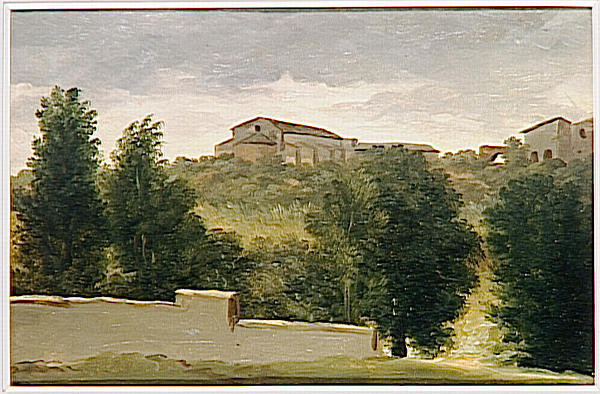
A LA VILLA FARNESE LE MUR


 詳細を見る
詳細を見る




P118B $10

P118H $10

P118W $10

P438Z $10

P508JH $12

P508YH $12

P805H $10

P805Z $10

P919BZ $10

P919G $10

P919XJ $10

P959ZH $10

P968JZ $12

W106C $8

W218G $10

W218JH $8

W218Y $10

W307PJ $10

W316G $10

W316PJ $8

W316Y $10

W398PJ $8

W4111J $10

W500HY $15

W500JH $15

W692G $12

W849H $8

W940BG $15

W953PJ $8




作品のオリジナル比率に合わせた、当店の規定サイズからお選びください。

特定のフレームやスペースに合わせて、ご希望のサイズをご入力いただけます。選択されたサイズが元の画像の比率と異なる場合、アートワークをトリミングするか、手描きで要素を追加して絵画を拡張いたします。デジタルモックアップ を制作し、制作開始前にご確認(承認)をいただきます。
画面上のプレビューは、実際のトリミングや拡張を正確に反映しているものではありません。最終的な構図は、モックアップによってのみ正確にご確認いただけます。
カスタムサイズもご利用いただけますが、元の比率を維持するためには、あらかじめ用意されたリストからサイズを選択することをお勧めいたします。
ご注文後、ArtsDot.com チームより詳細な指示をお送りするとともに、仕上がりイメージ(モックアップ)をご提供いたします。


 ガラスオプションは、110cm未満のサイズでのみご利用いただけます。

A LA VILLA FARNESE LE MUR
複製技法
複製画のサイズ
-


合計金額
$ 263
作品解説
A Serene Vista of Italian Grandeur: Valenciennes’ “À la Villa Farnèse le Mur”
Pierre-Henri de Valenciennes' "À la Villa Farnèse le Mur" (circa 1782-1784) is more than just a landscape painting; it’s a carefully constructed evocation of the Italian countryside, imbued with the spirit of the late Enlightenment and the burgeoning Romantic movement. This captivating work, currently residing in the Louvre Museum's collection, offers a glimpse into a world of refined beauty and subtle observation – a testament to Valenciennes’ pioneering approach to landscape painting.
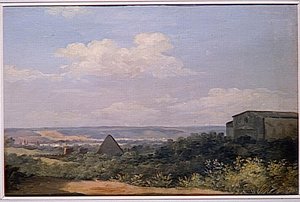
The scene unfolds within the Villa Farnese at Caprarola, a magnificent Renaissance villa nestled amidst rolling hills near Rome. The composition immediately draws the eye to the imposing structure, perched dramatically on a hilltop, its walls partially obscured by a dense tapestry of foliage. A low, weathered wall snakes across the foreground, acting as an anchor for the viewer and subtly hinting at the vastness of the surrounding landscape. Valenciennes masterfully employs atmospheric perspective – distant elements recede into a hazy blue, creating a convincing illusion of depth and drawing the eye towards the villa’s central prominence. The muted color palette—dominated by earthy greens, browns, and greys—evokes a sense of timeless tranquility, mirroring the classical ideals of harmony and balance that characterized much of 18th-century art.
The Dawn of “En Plein Air” – Valenciennes’ Revolutionary Technique
Valenciennes' contribution to the art world extends far beyond simply depicting a beautiful landscape. He was a key figure in establishing the revolutionary technique of "en plein air" painting, or working directly from nature. Prior to his influential treatise, “Reflections and Advice to a Student on Painting, Particularly on Landscape” (1800), artists typically worked from sketches created indoors. Valenciennes argued passionately for observing and capturing the fleeting effects of light and weather directly in the field. This approach demanded a new level of artistic skill and sensitivity, allowing painters to truly capture the essence of a scene – its subtle shifts in color, texture, and atmosphere.
"À la Villa Farnèse le Mur" exemplifies this revolutionary technique. The loose brushstrokes, blended tones, and lack of sharp outlines demonstrate Valenciennes’ commitment to representing the immediate impression of the landscape. He wasn't striving for photographic accuracy; instead, he sought to convey the *feeling* of being present in that particular place at that specific moment. The hazy atmosphere isn’t merely a stylistic choice; it reflects the artist’s deliberate attempt to capture the ephemeral qualities of light and shadow.
Symbolism and the Pursuit of Ideal Beauty
Beyond its technical brilliance, the painting is rich in symbolic meaning. The Villa Farnese itself represents the ideals of Roman grandeur and Renaissance humanism – a testament to wealth, power, and artistic achievement. However, Valenciennes doesn’t simply celebrate this opulence; he presents it within a broader landscape context, suggesting a harmonious relationship between man-made structures and the natural world. The wall in the foreground, partially obscured by vegetation, symbolizes the inevitable encroachment of nature upon even the most imposing monuments. It's a subtle reminder of the transient nature of human endeavors against the backdrop of enduring beauty.
Furthermore, the painting’s overall mood—serene, contemplative, and bathed in diffused light—reflects the philosophical currents of the Enlightenment, emphasizing reason, order, and the pursuit of ideal beauty. The scene invites the viewer to step into a world of quiet contemplation, mirroring the artistic ideals of balance, harmony, and proportion that were so central to the era.
A Timeless Masterpiece for Collectors and Designers
"À la Villa Farnèse le Mur" remains a captivating work of art, offering a glimpse into the artistic sensibilities of 18th-century Italy. Its masterful composition, innovative technique, and evocative symbolism continue to resonate with viewers today. Whether admired as a historical artifact or sought after for its aesthetic qualities, this painting represents a pivotal moment in the development of landscape painting – a testament to Valenciennes’ legacy as a pioneer of “en plein air” and a champion of capturing the fleeting beauty of the natural world. Reproductions of this stunning artwork offer an accessible way to bring a touch of Italian grandeur into any interior space, evoking a sense of timeless elegance and serene contemplation.
関連作品

アーティストの略歴
生い立ちと修行時代
ピエール=アンリ・ド・ヴァランシエンヌは、1750年12月6日にフランスで生を受けました。彼の誕生の地については、現存する記録には明記されていませんが、美術史における彼の功績は極めて鮮明に語り継がれています。若き日の修行や教育課程に関する詳細な記録は限られているものの、1778年から1782年にかけてローマに滞在していた事実は重要です。この時期、彼は自然の息吹を直接感じ取りながら、数多くの風景写生を手がけました。プレネール(戸外)絵画への貢献
ヴァランシウムニエンヌは、プレネール、すなわち「戸外での絵画制作」の地位を高める上で決定的な役割を果たしました。ローマでの経験は、彼の独自の理論へと結実し、1800年に出版された論文『風景画を中心とした、弟子への省察と助言』においてその真髄が示されました。彼はここで「風景の肖像」という概念を提唱しました。これは、画家が目の前の風景を直接見つめながら描き、その細部を捉え尽くす手法です。この革新的なアプローチによって、ヴァランシエンヌは光や天候の変化に伴う、風景の刹那的で移ろいゆきやすい表情を見事に定着させることに成功したのです。著名な弟子たちとその影響力
彼の教えを受けた門下生には、ジャン=ヴィクトール・ベルタン、アシル・エトナ・ミシャロン、ルイ=エティエンヌ・ワトレ、ルイ=フランソワ・ルジューヌ、そしてフランス初のパノラマ画家であるピエール・プレヴォといった錚々たる顔ぶれが名を連ねています。これらの芸術家たちに与えた影響、そしてプレネール絵画の発展における彼の貢献は、美術界に永続的な足跡を残しました。晩年と最期
ヴァランシエンヌは1819年2月16日、パリにてその生涯を閉じました。現在は、多くの著名人が眠るパリの名高いペール・ラシェーズ墓地にその身を休めています。- ピエール=アンリ・ド・ヴァランシエンヌの作品集をArtsDot.comでご覧いただけます
- ヨーロッパの絵画や彫刻を展示するヴァランス美術館のコレクションをArtsDot.comで探索しましょう
- フランス美術とその歴史について詳しく知るにはWikipediaをご覧ください
遺産
美術界におけるピエール=アンリ・ド・ヴァランシエンヌの遺産は、疑いようのないものです。プレネール絵画における彼の先駆的な試みは、幾世代もの芸術家たちにインスピレーションを与え続け、その影響力は現代においてもなお色褪せることはありません。自著の論文や教え子たちの活動を通じて、ヴァランシエンヌは美術の世界に消えることのない深い刻印を残したのです。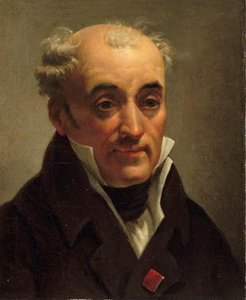
ピエール=アンリ・ド・ヴァランシエンヌ
1750 - 1819 , フランス
基本情報
- Artistic Movement Or Style: プレネール(戸外)絵画
- Artists Or Movements Influenced By This Artist: ['ピエール・ショーヴァン']
- Artists Who Influenced This Artist:
- ジャン=ヴィクトール・ベルタン
- アシル=エトナ・ミシャロン
- Date Of Birth: 1750年12月6日
- Date Of Death: 1819年2月16日
- Full Name: ピエール=アンリ・ド・ヴァランシエンヌ
- Nationality: フランス
- Notable Artworks:
- ネミの村
- ボルゲーゼ・ヴィラにて、並木道
- Place Of Birth: フランス、トゥールーズ
関連記事

アンリ・マティスの傑作25選:色彩と情熱の軌跡|ArtsDot
アンリ・マティスの傑作25選🎨 色彩と情熱が織りなす世界を旅する。フォーヴィスム代表の巨匠、マティスの絵画の魅力と歴史を紐解きます。ArtsDotで高品質なアートプリントや複製画を見つけ、インテリアに芸術的な輝きを✨ Explore the full collection online
ルノワール傑作25選:光と色彩が織りなす印象派の華麗なる世界 | ArtsDot
ルノワールの傑作25選🎨 印象派の光と色彩が輝く世界へ。絵画の背景、技法、そして時代を超えて愛される理由を紐解きます。ArtsDotで高品質な複製画やインテリアアートを見つけ、お部屋に芸術的な彩りを✨ Explore the full collection online!
Henri-Joseph Harpignies: Capturing the Poetic Essence of the French Landscape
Explore the serene landscapes of Henri-Joseph Harpignies, a master of the Barbizon School. Discover his atmospheric paintings, recurring themes & enduring legacy in 19th-century French art. Learn more at ArtsDot.

Evocations of Place: A Historical Journey Through Landscape Art
Explore the rich history of landscape art with ArtsDot. Discover renowned artists, movements like Impressionism & Romanticism, and expert guidance for collecting timeless pieces. Find your perfect serene escape today!

ロマン派ランドスケープ:時代を彩る巨匠の10選|アートとインテリアの世界
ロマン派絵画の時代を彩る10選。巨匠たちの風景が織りなす感動の世界へ。ターナー、ルーベンスなど、名作の裏話と高精細複製でアートをお部屋に。ArtsDot.comで至福のアート体験を。

