

 プレビュー
プレビュー
 プリントを購入
 シェアする
シェアする シェアする
シェアする
 詳細を見る
詳細を見る

 ダウンロード
 似ている作品
 X線調査
X線調査 スライドショー
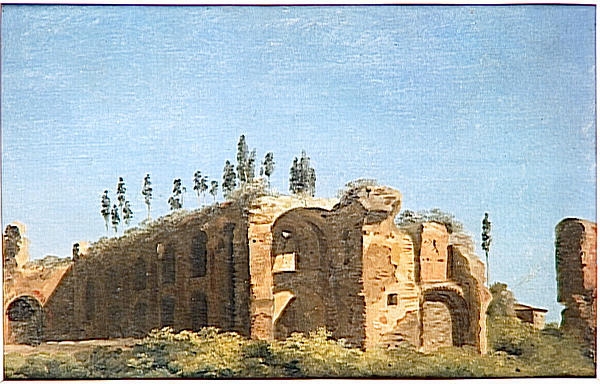
A LA VILLA FARNESE LES RUINES


 詳細を見る
詳細を見る




P118B $10

P118H $10

P118W $10

P438Z $10

P508JH $12

P508YH $12

P805H $10

P805Z $10

P919BZ $10

P919G $10

P919XJ $10

P959ZH $10

P968JZ $12

W106C $8

W218G $10

W218JH $8

W218Y $10

W307PJ $10

W316G $10

W316PJ $8

W316Y $10

W398PJ $8

W4111J $10

W500HY $15

W500JH $15

W692G $12

W849H $8

W940BG $15

W953PJ $8




作品のオリジナル比率に合わせた、当店の規定サイズからお選びください。

特定のフレームやスペースに合わせて、ご希望のサイズをご入力いただけます。選択されたサイズが元の画像の比率と異なる場合、アートワークをトリミングするか、手描きで要素を追加して絵画を拡張いたします。デジタルモックアップ を制作し、制作開始前にご確認(承認)をいただきます。
画面上のプレビューは、実際のトリミングや拡張を正確に反映しているものではありません。最終的な構図は、モックアップによってのみ正確にご確認いただけます。
カスタムサイズもご利用いただけますが、元の比率を維持するためには、あらかじめ用意されたリストからサイズを選択することをお勧めいたします。
ご注文後、ArtsDot.com チームより詳細な指示をお送りするとともに、仕上がりイメージ(モックアップ)をご提供いたします。


 ガラスオプションは、110cm未満のサイズでのみご利用いただけます。

A LA VILLA FARNESE LES RUINES
複製技法
複製画のサイズ
-


合計金額
$ 263
À La Villa Farnèse: Les Ruines – A Celebration of Decay and Impressionistic Light
The artwork depicts the ruins of a classical building, likely part of Villa Farnese, under a clear blue sky. It presents a scene of aged architecture overtaken by nature, conveying a sense of history and decay—a poignant reminder that even grand monuments succumb to time’s relentless march. Valenciennes' masterful depiction captures not merely the physical appearance of the ruins but also their emotional resonance, inviting contemplation on themes of loss and transformation.- Composition: Horizontally oriented, prioritizing the ruined structure as its central focal point. A carefully positioned row of slender trees punctuates the skyline above, creating a dynamic interplay between man-made decay and natural regeneration.
- Color Palette: Dominated by earthy tones—terracotta, ochre, and brown—reflecting the weathered stone of the ruins themselves. These hues are subtly contrasted with the serene azure of the sky and verdant greens adorning the surrounding landscape.
- Technique: Employing oil paint on canvas, Valenciennes skillfully utilizes layering to achieve nuanced gradations in color and texture. Visible brushstrokes contribute to a palpable sense of materiality, hinting at the artist’s dedication to capturing the immediacy of observation.
The Influence of En Plein Air Painting Theory
Valenciennes' work stands as a cornerstone of en plein air painting—a revolutionary approach championed by artists like Bertin and Michallon. Valenciennes’ 1800 treatise, “Reflections and Advice to a Student on Painting,” formalized the concept of "landscape portrait," advocating for direct observation of nature to capture its fleeting beauty and atmospheric subtleties. This method allowed Valenciennes to translate the ephemeral qualities of light and weather into enduring visual representations.- Perspective: The perspective is somewhat flattened, eschewing dramatic depth cues—likely a deliberate stylistic choice reflecting the limitations of photographic representation at the time.
- Lighting: Soft, diffused illumination pervades the scene, suggesting an overcast day or indirect sunlight. This gentle radiance enhances the melancholic mood and underscores the artwork’s contemplative character.
Symbolism and Emotional Impact
The ruins themselves serve as potent symbols of decay, loss, and the inevitable passage of time—themes explored extensively in Romantic art. Valenciennes' depiction evokes a profound sense of nostalgia for vanished grandeur and invites viewers to consider the beauty inherent in impermanence. The artwork’s muted palette and understated brushstrokes amplify this emotional depth, fostering an experience that transcends mere visual appreciation.Historical Context
Painted during Valenciennes’ formative years (1750-1819), “À La Villa Farnèse” embodies the spirit of Neoclassicism—a movement characterized by a return to classical ideals and forms. Valenciennes' artistic vision aligns with the broader cultural preoccupation with antiquity, reflecting an intellectual fascination with reviving Greco-Roman aesthetics and philosophical principles. The artwork’s inclusion in Musée du Louvre’s collection underscores its enduring significance as a masterpiece of French Romanticism.関連作品


アーティストの略歴
生い立ちと修行時代
ピエール=アンリ・ド・ヴァランシエンヌは、1750年12月6日にフランスで生を受けました。彼の誕生の地については、現存する記録には明記されていませんが、美術史における彼の功績は極めて鮮明に語り継がれています。若き日の修行や教育課程に関する詳細な記録は限られているものの、1778年から1782年にかけてローマに滞在していた事実は重要です。この時期、彼は自然の息吹を直接感じ取りながら、数多くの風景写生を手がけました。プレネール(戸外)絵画への貢献
ヴァランシウムニエンヌは、プレネール、すなわち「戸外での絵画制作」の地位を高める上で決定的な役割を果たしました。ローマでの経験は、彼の独自の理論へと結実し、1800年に出版された論文『風景画を中心とした、弟子への省察と助言』においてその真髄が示されました。彼はここで「風景の肖像」という概念を提唱しました。これは、画家が目の前の風景を直接見つめながら描き、その細部を捉え尽くす手法です。この革新的なアプローチによって、ヴァランシエンヌは光や天候の変化に伴う、風景の刹那的で移ろいゆきやすい表情を見事に定着させることに成功したのです。著名な弟子たちとその影響力
彼の教えを受けた門下生には、ジャン=ヴィクトール・ベルタン、アシル・エトナ・ミシャロン、ルイ=エティエンヌ・ワトレ、ルイ=フランソワ・ルジューヌ、そしてフランス初のパノラマ画家であるピエール・プレヴォといった錚々たる顔ぶれが名を連ねています。これらの芸術家たちに与えた影響、そしてプレネール絵画の発展における彼の貢献は、美術界に永続的な足跡を残しました。晩年と最期
ヴァランシエンヌは1819年2月16日、パリにてその生涯を閉じました。現在は、多くの著名人が眠るパリの名高いペール・ラシェーズ墓地にその身を休めています。- ピエール=アンリ・ド・ヴァランシエンヌの作品集をArtsDot.comでご覧いただけます
- ヨーロッパの絵画や彫刻を展示するヴァランス美術館のコレクションをArtsDot.comで探索しましょう
- フランス美術とその歴史について詳しく知るにはWikipediaをご覧ください
遺産
美術界におけるピエール=アンリ・ド・ヴァランシエンヌの遺産は、疑いようのないものです。プレネール絵画における彼の先駆的な試みは、幾世代もの芸術家たちにインスピレーションを与え続け、その影響力は現代においてもなお色褪せることはありません。自著の論文や教え子たちの活動を通じて、ヴァランシエンヌは美術の世界に消えることのない深い刻印を残したのです。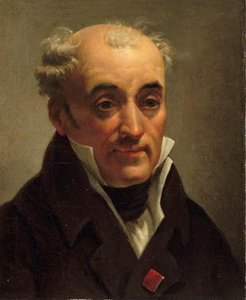
ピエール=アンリ・ド・ヴァランシエンヌ
1750 - 1819 , フランス
基本情報
- Artistic Movement Or Style: プレネール(戸外)絵画
- Artists Or Movements Influenced By This Artist: ['ピエール・ショーヴァン']
- Artists Who Influenced This Artist:
- ジャン=ヴィクトール・ベルタン
- アシル=エトナ・ミシャロン
- Date Of Birth: 1750年12月6日
- Date Of Death: 1819年2月16日
- Full Name: ピエール=アンリ・ド・ヴァランシエンヌ
- Nationality: フランス
- Notable Artworks:
- ネミの村
- ボルゲーゼ・ヴィラにて、並木道
- Place Of Birth: フランス、トゥールーズ
関連記事

ロマン派ランドスケープ:時代を彩る巨匠の10選|アートとインテリアの世界
ロマン派絵画の時代を彩る10選。巨匠たちの風景が織りなす感動の世界へ。ターナー、ルーベンスなど、名作の裏話と高精細複製でアートをお部屋に。ArtsDot.comで至福のアート体験を。

Evocations of Place: A Historical Journey Through Landscape Art
Explore the rich history of landscape art with ArtsDot. Discover renowned artists, movements like Impressionism & Romanticism, and expert guidance for collecting timeless pieces. Find your perfect serene escape today!

ジョン・コンスタブルの傑作25選:英国風景画の巨匠が描く自然と光の詩 | ArtsDot
ジョン・コンスタブルの傑作25選。英国風景画の巨匠が描く自然と光の詩の世界へ。ロマン主義を代表する絵画、デダム・ヴェールやヘイ・ウェインなど、ArtsDotで高品質なアートプリントをお楽しみください。インテリアに深みと感動を。コレクションはこちら。
Charles Le Brun: Master of French Baroque Classicism & His Enduring Legacy
Explore the life & art of Charles Le Brun, master of French Baroque Classicism. Discover his royal commissions, influence on Versailles, and enduring legacy through detailed analysis & stunning artworks.
Evocations of Place: A Historical Journey Through Landscape Art
Explore the rich history of landscape art with ArtsDot. Discover renowned artists, movements like Impressionism & tonalism, and expert guidance for collecting timeless pieces. Find your perfect serene escape today!