

 プレビュー
プレビュー
 シェアする
シェアする シェアする
シェアする
 詳細を見る
詳細を見る

 ダウンロード
 似ている作品
 X線調査
X線調査 スライドショー
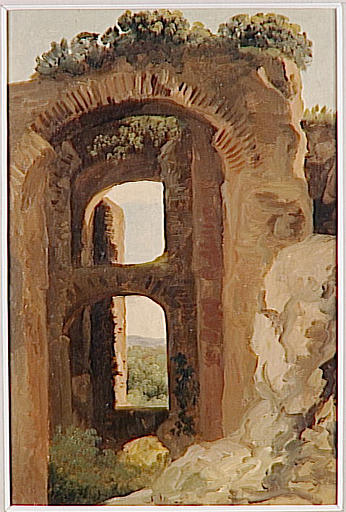
ARCADES EN RUINE


 詳細を見る
詳細を見る
ジークレー/アートプリント
迅速な制作と多彩な仕上げオプションを備えた、ミュージアムクオリティのジークレーまたはキャンバスプリント。 ( 手描きの絵画を購入 画像を購入)




P118B $10

P118H $10

P118W $10

P438Z $10

P508JH $12

P508YH $12

P805H $10

P805Z $10

P919BZ $10

P919G $10

P919XJ $10

P959ZH $10

P968JZ $12

W106C $8

W218G $10

W218JH $8

W218Y $10

W307PJ $10

W316G $10

W316PJ $8

W316Y $10

W398PJ $8

W4111J $10

W500HY $15

W500JH $15

W692G $12

W849H $8

W940BG $15

W953PJ $8




作品のオリジナル比率に合わせた、当店の規定サイズからお選びください。

特定のフレームやスペースに合わせて、ご自身でサイズを指定することも可能です。選択されたサイズが元の画像の比率と一致しない場合、作品をトリミングするか、鏡面反射または単色での塗りつぶしによって画像を拡張いたします。制作を開始する前に、ご確認用のデジタルモックアップをお送りいたします。
画面上のプレビューには、実際のトリミングや拡張は反映されませんのでご注意ください。最終的な構図を正確に確認できるのは、モックアップのみとなります。
カスタムサイズも承っておりますが、元の比率を維持するためには、あらかじめ用意されたリストからサイズを選択することをお勧めいたします。


 ガラスオプションは、110cm未満のサイズでのみご利用いただけます。

ARCADES EN RUINE
ジークレー/アートプリント
複製画のサイズ
-


合計金額
$ 62
作品詳細説明
Echoes of Empire: The Allure of Ruined Arches
To gaze upon this depiction of an arcade in ruins is to step across the threshold of time itself. It is not merely a painting of stone and mortar; it is a meditation on endurance, a quiet dialogue between human ambition and nature's relentless embrace. The composition centers around magnificent, skeletal arches—the remnants of what was once a grand thoroughfare or monumental structure. These architectural bones, rendered with the characteristic loose touch of an academic study, invite the viewer to wander through imagined passages, hearing the echoes of footsteps long faded into history.
The artist, Pierre-Henri de Valenciennes, masterfully captures the essence of en plein air observation. His technique here suggests a preparatory sketch or a deeply felt study, allowing the visible brushstrokes and varied tones to become part of the narrative. The palette is wonderfully restrained—a symphony of ochres, dusty browns, and muted greens that speak of sun-baked earth and slow decay. This limited, earthy spectrum grounds the piece in a tangible sense of place, evoking the warm, diffused light of an ancient Mediterranean afternoon.
The Art of Atmosphere: Technique and Vision
What elevates this work beyond mere topographical record is its profound atmospheric quality. Valenciennes was instrumental in elevating landscape painting to an art form that prioritized feeling over flawless depiction. Here, the lines are gestural rather than rigid; they curve with the organic grace of overgrown ivy clinging to weathered travertine. The artist does not seek to reconstruct the perfect façade, but rather to capture the moment—the interplay between the solid geometry of the stone and the soft chaos of the encroaching foliage. This masterful handling of texture, suggested through layered color washes, gives the illusion that one could reach out and feel the rough grit of the rock under a fingertip.
The perspective, while somewhat flattened in the manner of an evocative study, nonetheless guides the eye deep into the composition. Through the successive openings of the arcade, glimpses of distant landscape peek through, creating layers of depth that pull the viewer inward, suggesting infinite possibility beyond the immediate ruin.
Symbolism: Nature Reclaiming Man's Glory
The symbolism inherent in these ruins is timeless and deeply resonant. The decaying architecture stands as a potent memento mori—a reminder that even the mightiest human constructs are subject to entropy. Yet, this decay is not presented as tragedy alone. Instead, it is imbued with a sublime beauty. Nature, represented by the vibrant, tenacious greenery spilling over the lintels and through the openings, acts as both destroyer and restorer. It suggests a cyclical pattern: that what falls apart eventually nourishes something new.
For the collector or designer, this piece offers more than decoration; it offers contemplation. It speaks to the passage of time with an elegant resignation, finding beauty in imperfection and patina.
Bringing Antiquity Home
Reproducing a work like Arcades en ruine allows one to curate an atmosphere of cultivated history within a modern space. Imagine this piece adorning a library, a sunlit atrium, or a room designed with classical undertones. The muted tones ensure it complements a wide array of interior palettes, lending an immediate sense of depth and storied elegance. It is the perfect focal point for those who appreciate the romanticism of antiquity—those who find inspiration not in pristine perfection, but in the beautiful poetry written by time upon enduring stone.
関連作品
アーティストの略歴
生い立ちと修行時代
ピエール=アンリ・ド・ヴァランシエンヌは、1750年12月6日にフランスで生を受けました。彼の誕生の地については、現存する記録には明記されていませんが、美術史における彼の功績は極めて鮮明に語り継がれています。若き日の修行や教育課程に関する詳細な記録は限られているものの、1778年から1782年にかけてローマに滞在していた事実は重要です。この時期、彼は自然の息吹を直接感じ取りながら、数多くの風景写生を手がけました。プレネール(戸外)絵画への貢献
ヴァランシウムニエンヌは、プレネール、すなわち「戸外での絵画制作」の地位を高める上で決定的な役割を果たしました。ローマでの経験は、彼の独自の理論へと結実し、1800年に出版された論文『風景画を中心とした、弟子への省察と助言』においてその真髄が示されました。彼はここで「風景の肖像」という概念を提唱しました。これは、画家が目の前の風景を直接見つめながら描き、その細部を捉え尽くす手法です。この革新的なアプローチによって、ヴァランシエンヌは光や天候の変化に伴う、風景の刹那的で移ろいゆきやすい表情を見事に定着させることに成功したのです。著名な弟子たちとその影響力
彼の教えを受けた門下生には、ジャン=ヴィクトール・ベルタン、アシル・エトナ・ミシャロン、ルイ=エティエンヌ・ワトレ、ルイ=フランソワ・ルジューヌ、そしてフランス初のパノラマ画家であるピエール・プレヴォといった錚々たる顔ぶれが名を連ねています。これらの芸術家たちに与えた影響、そしてプレネール絵画の発展における彼の貢献は、美術界に永続的な足跡を残しました。晩年と最期
ヴァランシエンヌは1819年2月16日、パリにてその生涯を閉じました。現在は、多くの著名人が眠るパリの名高いペール・ラシェーズ墓地にその身を休めています。- ピエール=アンリ・ド・ヴァランシエンヌの作品集をArtsDot.comでご覧いただけます
- ヨーロッパの絵画や彫刻を展示するヴァランス美術館のコレクションをArtsDot.comで探索しましょう
- フランス美術とその歴史について詳しく知るにはWikipediaをご覧ください
遺産
美術界におけるピエール=アンリ・ド・ヴァランシエンヌの遺産は、疑いようのないものです。プレネール絵画における彼の先駆的な試みは、幾世代もの芸術家たちにインスピレーションを与え続け、その影響力は現代においてもなお色褪せることはありません。自著の論文や教え子たちの活動を通じて、ヴァランシエンヌは美術の世界に消えることのない深い刻印を残したのです。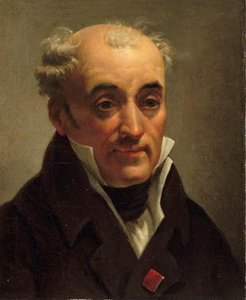
ピエール=アンリ・ド・ヴァランシエンヌ
1750 - 1819 , フランス
基本情報
- Artistic Movement Or Style: プレネール(戸外)絵画
- Artists Or Movements Influenced By This Artist: ['ピエール・ショーヴァン']
- Artists Who Influenced This Artist:
- ジャン=ヴィクトール・ベルタン
- アシル=エトナ・ミシャロン
- Date Of Birth: 1750年12月6日
- Date Of Death: 1819年2月16日
- Full Name: ピエール=アンリ・ド・ヴァランシエンヌ
- Nationality: フランス
- Notable Artworks:
- ネミの村
- ボルゲーゼ・ヴィラにて、並木道
- Place Of Birth: フランス、トゥールーズ
関連記事

ロマン派ランドスケープ:時代を彩る巨匠の10選|アートとインテリアの世界
ロマン派絵画の時代を彩る10選。巨匠たちの風景が織りなす感動の世界へ。ターナー、ルーベンスなど、名作の裏話と高精細複製でアートをお部屋に。ArtsDot.comで至福のアート体験を。

葛飾北斎:25の傑作が語る浮世絵の世界 - ArtsDot
葛飾北斎の25選:『神奈川沖浪裏』や『富嶽三十六景』など、浮世絵の世界を深く探求。木版画の技法と日本美術の美をArtsDotで。高品質なアートプリントで空間に感動を。コレクションはこちら。

ジョン・コンスタブルの傑作25選:英国風景画の巨匠が描く自然と光の詩 | ArtsDot
ジョン・コンスタブルの傑作25選。英国風景画の巨匠が描く自然と光の詩の世界へ。ロマン主義を代表する絵画、デダム・ヴェールやヘイ・ウェインなど、ArtsDotで高品質なアートプリントをお楽しみください。インテリアに深みと感動を。コレクションはこちら。
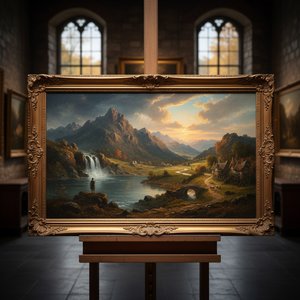
The Sublime and the Picturesque: Exploring Emotion & Nature in Romantic Landscape Painting
Explore the emotional power of Romantic landscape painting! Discover the sublime & picturesque traditions, key artists like Friedrich & Cole, and find your perfect artwork at ArtsDot.
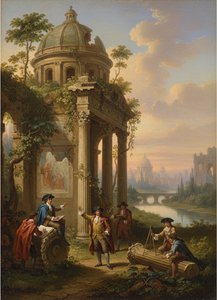
Hubert Robert: Picturing Ruins, Preserving Memory – A Study of Romantic Antiquarianism & Artistic Innovation
Explore the captivating world of Hubert Robert, master of Romantic landscape painting & 'capriccio' ruins. Discover his historical context, artistic innovations, and collecting insights with ArtsDot.

