

 プレビュー
プレビュー
 プリントを購入
 シェアする
シェアする シェアする
シェアする
 詳細を見る
詳細を見る

 ダウンロード
 似ている作品
 X線調査
X線調査 スライドショー
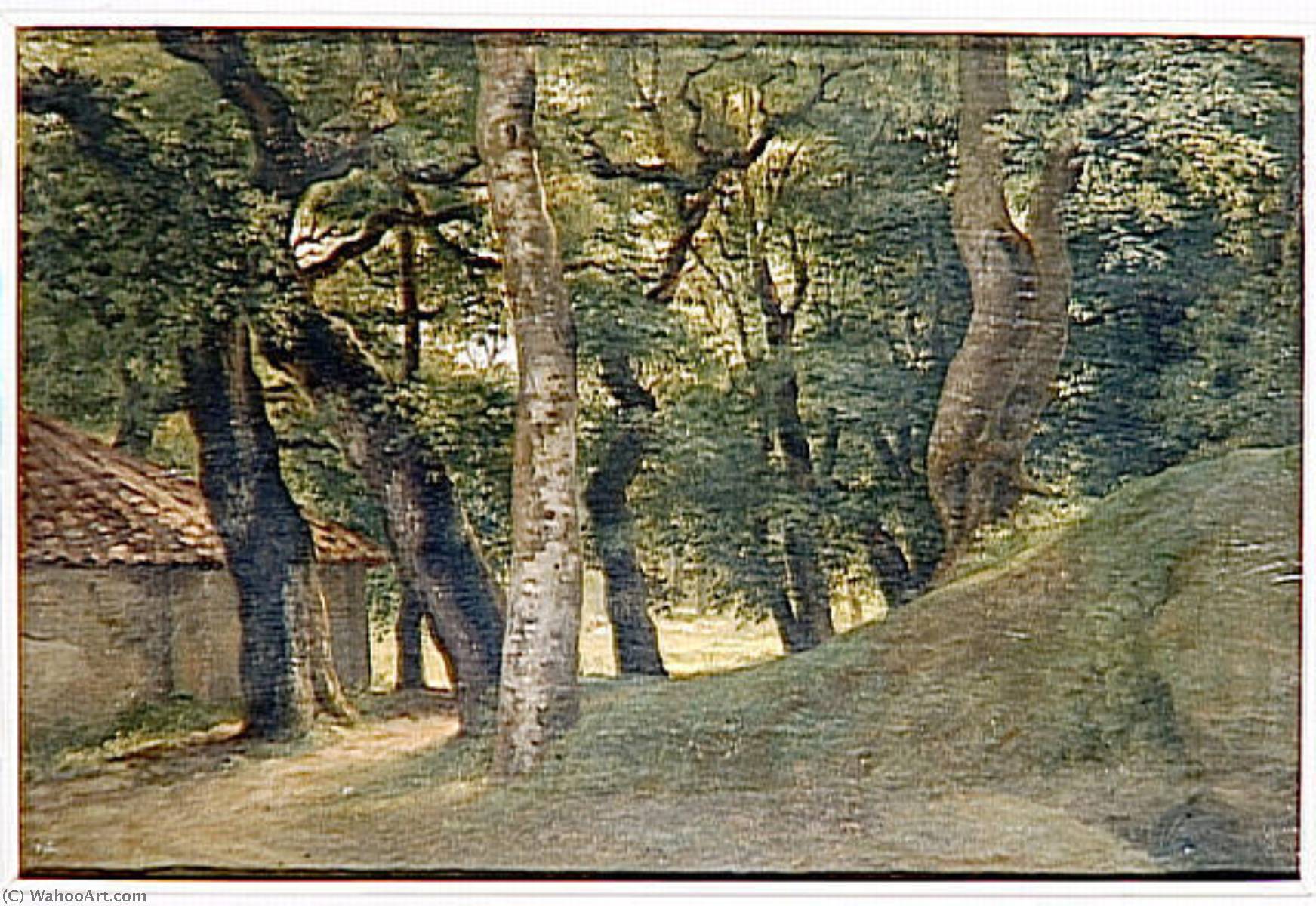
FORET DE LA VILLA BORGHESE


 詳細を見る
詳細を見る




P118B $10

P118H $10

P118W $10

P438Z $10

P508JH $12

P508YH $12

P805H $10

P805Z $10

P919BZ $10

P919G $10

P919XJ $10

P959ZH $10

P968JZ $12

W106C $8

W218G $10

W218JH $8

W218Y $10

W307PJ $10

W316G $10

W316PJ $8

W316Y $10

W398PJ $8

W4111J $10

W500HY $15

W500JH $15

W692G $12

W849H $8

W940BG $15

W953PJ $8




作品のオリジナル比率に合わせた、当店の規定サイズからお選びください。

特定のフレームやスペースに合わせて、ご希望のサイズをご入力いただけます。選択されたサイズが元の画像の比率と異なる場合、アートワークをトリミングするか、手描きで要素を追加して絵画を拡張いたします。デジタルモックアップ を制作し、制作開始前にご確認(承認)をいただきます。
画面上のプレビューは、実際のトリミングや拡張を正確に反映しているものではありません。最終的な構図は、モックアップによってのみ正確にご確認いただけます。
カスタムサイズもご利用いただけますが、元の比率を維持するためには、あらかじめ用意されたリストからサイズを選択することをお勧めいたします。
ご注文後、ArtsDot.com チームより詳細な指示をお送りするとともに、仕上がりイメージ(モックアップ)をご提供いたします。


 ガラスオプションは、110cm未満のサイズでのみご利用いただけます。

FORET DE LA VILLA BORGHESE
複製技法
複製画のサイズ
-


合計金額
$ 263
作品解説
A Forest’s Quiet Majesty: Exploring Valenciennes' "Foret de la Villa Borghese"
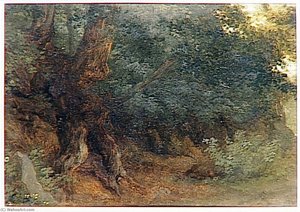
Pierre-Henri de Valenciennes’ “Foret de la Villa Borghese” isn’t merely a depiction of a woodland; it’s an invitation to stillness, a captured moment of serene contemplation within the heart of Rome’s famed Villa Borghese. Painted around 1782-1784, this work stands as a pivotal example of Valenciennes' innovative approach to landscape painting – a burgeoning movement he himself championed: the “landscape portrait.” Rather than striving for photographic realism, Valenciennes sought to distill the *feeling* of a place, imbuing his canvases with an atmosphere that transcends simple representation. The piece speaks volumes about the Romantic sensibility taking root in France at the time, prioritizing emotional response and subjective experience over strict academic rules.
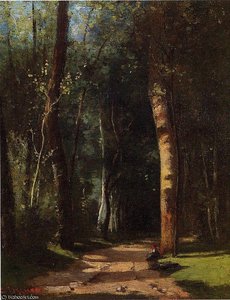
The composition immediately draws the eye into the depths of the forest. A subtle linear perspective guides us through a carefully arranged series of trees – predominantly slender birches and towering pines – creating an illusion of vastness and receding distance. The placement of the small, red-tiled structure on the left edge acts as a grounding element, a tiny human intrusion within this otherwise wild expanse, subtly reminding us of our own presence while simultaneously emphasizing the forest’s enduring power. Notice how Valenciennes doesn't rigidly define the edges of the scene; instead, he allows the foliage to gently blur and soften, contributing to the overall sense of atmospheric depth.
The Language of Light and Color
Valenciennes masterfully employs a muted yet vibrant color palette. The dominant greens – ranging from deep forest hues to lighter, sun-dappled shades – are expertly layered, creating a rich tapestry of texture and tone. Earthy browns and tans ground the composition, while the subtle red of the building’s roof provides a delicate focal point. Crucially, he utilizes diffused light, avoiding harsh shadows or direct sunlight. This creates an ethereal quality, suggesting a perpetual twilight within the forest – a mood that evokes both tranquility and a hint of melancholy. The brushstrokes themselves are loose and impressionistic; they aren't meticulously detailed but rather convey the *impression* of texture and form, mirroring the fleeting effects of light filtering through the leaves.
A Revolutionary Approach to Landscape
“Foret de la Villa Borghese” is a testament to Valenciennes’ groundbreaking theories on landscape painting. He believed that artists should paint directly from nature, capturing not just what they *saw*, but also what they *felt*. This approach, known as “en plein air,” was revolutionary at the time, challenging the established academic tradition of studio-based work. Valenciennes' insistence on observing and recording details – the texture of bark, the patterns in foliage, the subtle shifts in light – led him to develop the concept of the "landscape portrait," a genre that prioritized capturing the essence of a place rather than simply replicating its appearance. This emphasis on subjective experience and emotional resonance would profoundly influence subsequent generations of landscape artists.
Symbolism and Emotional Resonance
Beyond its technical brilliance, “Foret de la Villa Borghese” resonates with deeper symbolic meaning. The dense forest can be interpreted as a metaphor for the mysteries of nature, a place of both beauty and potential danger. The solitary structure hints at human vulnerability within this vast wilderness, prompting reflection on our relationship to the natural world. There’s an undeniable sense of solitude and introspection evoked by the scene – a quiet invitation to pause, breathe, and connect with the stillness of the forest. The painting's enduring appeal lies in its ability to transport us to another time and place, allowing us to experience the profound beauty and emotional power of nature.
Technical Details & Reproduction Considerations
The work is believed to be executed in oil on canvas or panel, utilizing a technique characterized by loose brushstrokes and an emphasis on capturing the overall impression. The artist’s deliberate use of atmospheric perspective – the subtle blurring of details with distance – further enhances the sense of depth and realism. When considering reproductions, it's important to note that faithfully replicating Valenciennes’ nuanced color palette and delicate brushwork requires exceptional skill and attention to detail. High-quality prints or hand-painted reproductions are essential to truly appreciate the artistry and emotional impact of this remarkable landscape.
関連作品

アーティストの略歴
生い立ちと修行時代
ピエール=アンリ・ド・ヴァランシエンヌは、1750年12月6日にフランスで生を受けました。彼の誕生の地については、現存する記録には明記されていませんが、美術史における彼の功績は極めて鮮明に語り継がれています。若き日の修行や教育課程に関する詳細な記録は限られているものの、1778年から1782年にかけてローマに滞在していた事実は重要です。この時期、彼は自然の息吹を直接感じ取りながら、数多くの風景写生を手がけました。プレネール(戸外)絵画への貢献
ヴァランシウムニエンヌは、プレネール、すなわち「戸外での絵画制作」の地位を高める上で決定的な役割を果たしました。ローマでの経験は、彼の独自の理論へと結実し、1800年に出版された論文『風景画を中心とした、弟子への省察と助言』においてその真髄が示されました。彼はここで「風景の肖像」という概念を提唱しました。これは、画家が目の前の風景を直接見つめながら描き、その細部を捉え尽くす手法です。この革新的なアプローチによって、ヴァランシエンヌは光や天候の変化に伴う、風景の刹那的で移ろいゆきやすい表情を見事に定着させることに成功したのです。著名な弟子たちとその影響力
彼の教えを受けた門下生には、ジャン=ヴィクトール・ベルタン、アシル・エトナ・ミシャロン、ルイ=エティエンヌ・ワトレ、ルイ=フランソワ・ルジューヌ、そしてフランス初のパノラマ画家であるピエール・プレヴォといった錚々たる顔ぶれが名を連ねています。これらの芸術家たちに与えた影響、そしてプレネール絵画の発展における彼の貢献は、美術界に永続的な足跡を残しました。晩年と最期
ヴァランシエンヌは1819年2月16日、パリにてその生涯を閉じました。現在は、多くの著名人が眠るパリの名高いペール・ラシェーズ墓地にその身を休めています。- ピエール=アンリ・ド・ヴァランシエンヌの作品集をArtsDot.comでご覧いただけます
- ヨーロッパの絵画や彫刻を展示するヴァランス美術館のコレクションをArtsDot.comで探索しましょう
- フランス美術とその歴史について詳しく知るにはWikipediaをご覧ください
遺産
美術界におけるピエール=アンリ・ド・ヴァランシエンヌの遺産は、疑いようのないものです。プレネール絵画における彼の先駆的な試みは、幾世代もの芸術家たちにインスピレーションを与え続け、その影響力は現代においてもなお色褪せることはありません。自著の論文や教え子たちの活動を通じて、ヴァランシエンヌは美術の世界に消えることのない深い刻印を残したのです。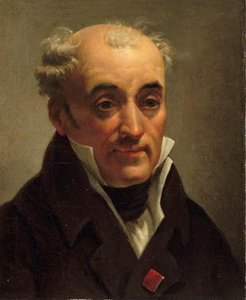
ピエール=アンリ・ド・ヴァランシエンヌ
1750 - 1819 , フランス
基本情報
- Artistic Movement Or Style: プレネール(戸外)絵画
- Artists Or Movements Influenced By This Artist: ['ピエール・ショーヴァン']
- Artists Who Influenced This Artist:
- ジャン=ヴィクトール・ベルタン
- アシル=エトナ・ミシャロン
- Date Of Birth: 1750年12月6日
- Date Of Death: 1819年2月16日
- Full Name: ピエール=アンリ・ド・ヴァランシエンヌ
- Nationality: フランス
- Notable Artworks:
- ネミの村
- ボルゲーゼ・ヴィラにて、並木道
- Place Of Birth: フランス、トゥールーズ
関連記事

ロマン派ランドスケープ:時代を彩る巨匠の10選|アートとインテリアの世界
ロマン派絵画の時代を彩る10選。巨匠たちの風景が織りなす感動の世界へ。ターナー、ルーベンスなど、名作の裏話と高精細複製でアートをお部屋に。ArtsDot.comで至福のアート体験を。
Paul Huet: Capturing the Essence of French Romanticism Through Light and Landscape
Explore the captivating world of Paul Huet (1803-1869), a master of French Romantic landscape painting. Discover his influence on Barbizon & Impressionism, and browse high-quality reproductions at ArtsDot.

ジョン・コンスタブルの傑作25選:英国風景画の巨匠が描く自然と光の詩 | ArtsDot
ジョン・コンスタブルの傑作25選。英国風景画の巨匠が描く自然と光の詩の世界へ。ロマン主義を代表する絵画、デダム・ヴェールやヘイ・ウェインなど、ArtsDotで高品質なアートプリントをお楽しみください。インテリアに深みと感動を。コレクションはこちら。

Evocations of Place: A Historical Journey Through Landscape Art
Explore the rich history of landscape art with ArtsDot. Discover renowned artists, movements like Impressionism & Romanticism, and expert guidance for collecting timeless pieces. Find your perfect serene escape today!
Henri-Joseph Harpignies: Capturing the Poetic Essence of the French Landscape
Explore the serene landscapes of Henri-Joseph Harpignies, a master of the Barbizon School. Discover his atmospheric paintings, recurring themes & enduring legacy in 19th-century French art. Learn more at ArtsDot.

