

 プリントを購入
 シェアする
シェアする シェアする
シェアする
 詳細を見る
詳細を見る

 ダウンロード
 似ている作品
 スライドショー
Nicolò Paganini (1784-1840)


 詳細を見る
詳細を見る




































作品のオリジナル比率に合わせた、当店の規定サイズからお選びください。

特定のフレームやスペースに合わせて、ご希望のサイズをご入力いただけます。選択されたサイズが元の画像の比率と異なる場合、アートワークをトリミングするか、手描きで要素を追加して絵画を拡張いたします。デジタルモックアップ を制作し、制作開始前にご確認(承認)をいただきます。
画面上のプレビューは、実際のトリミングや拡張を正確に反映しているものではありません。最終的な構図は、モックアップによってのみ正確にご確認いただけます。
カスタムサイズもご利用いただけますが、元の比率を維持するためには、あらかじめ用意されたリストからサイズを選択することをお勧めいたします。
ご注文後、ArtsDot.com チームより詳細な指示をお送りするとともに、仕上がりイメージ(モックアップ)をご提供いたします。


 ガラスオプションは、110cm未満のサイズでのみご利用いただけます。

Nicolò Paganini (1784-1840)
複製技法
複製画のサイズ
-


合計金額
$ 263
作品解説
The Enigmatic Gaze of Paganini: David d'Angers’ Bronze Portrait
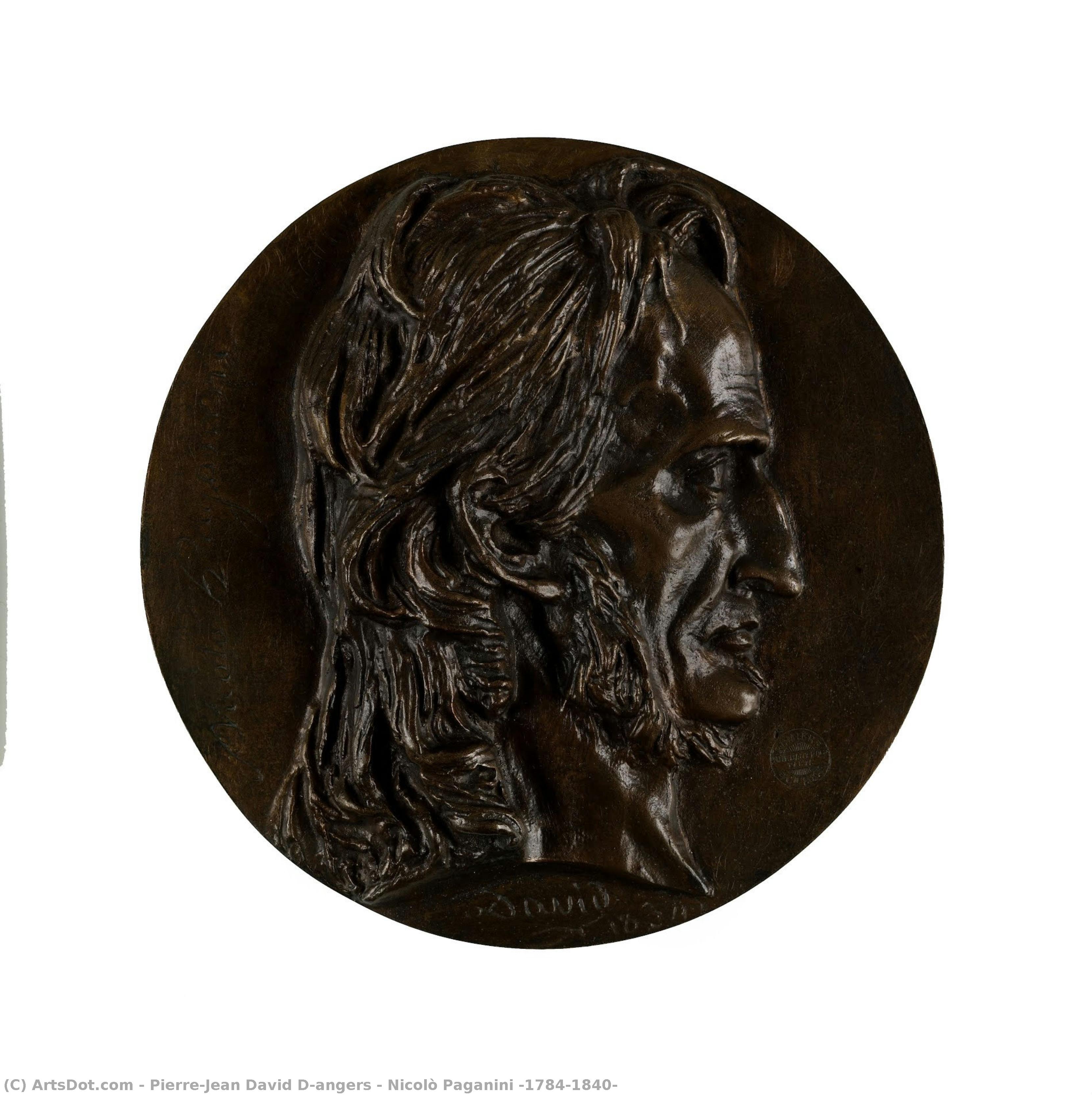
Nicolò Paganini, the name itself conjures images of breathtaking virtuosity and an almost unsettling magnetism. The 1834 bronze portrait by Pierre-Jean David d’Angers doesn’t merely depict this celebrated Italian violinist; it attempts to capture the very essence of his captivating presence – a man who seemed to command attention simply through his music and, as history suggests, perhaps a touch of calculated mystique. This isn't a straightforward likeness; instead, David d’Angers has crafted an arresting study in intensity, inviting us into the shadowed depths of Paganini’s gaze.
The coin-like form of the portrait immediately draws the eye, reminiscent of ancient Roman medallions and lending a sense of timelessness to the subject. The artist's choice of bronze – a material known for its rich, dark patina and ability to capture subtle details – is crucial. It lends an almost sculptural quality to the image, elevating it beyond a simple representation. The surface itself is remarkably smooth, polished to a high sheen that reflects light in intriguing ways, highlighting the contours of Paganini’s face and emphasizing his severe features.
A Master at Work: David d'Angers and the Neoclassical Tradition
Pierre-Jean David d’Angers was a pivotal figure in 19th-century French art, deeply rooted in the neoclassical tradition yet embracing the burgeoning Romantic spirit. Initially apprenticed to his father, a woodcarver, he quickly demonstrated an exceptional talent for sculpture and rapidly ascended through the ranks of the École des Beaux-Arts in Paris. His early work was heavily influenced by Jacques-Louis David, his mentor, but d’Angers swiftly developed his own distinctive style – characterized by dramatic lighting, intense emotional expression, and a meticulous attention to anatomical detail. The statue of Thomas Jefferson, also created by d'Angers, stands as testament to his ability to capture heroic figures with both power and dignity.
This portrait exemplifies that skill perfectly. Notice the careful rendering of Paganini’s features: the strong jawline, the slightly furrowed brow, and most notably, those eyes. They are not simply looking at us; they seem to pierce through the viewer, holding a complex mixture of intelligence, melancholy, and perhaps even a hint of theatricality – qualities often associated with the violinist's legendary performances.
Symbolism and the Romantic Ideal
Beyond a simple portrait, d’Angers imbues the image with symbolic weight. The severe, almost austere expression suggests a man consumed by his art, dedicating himself entirely to his craft. The dark background further isolates Paganini, emphasizing his presence as an individual of extraordinary talent and perhaps a degree of isolation. This aligns perfectly with the Romantic ideal – the solitary genius wrestling with profound emotions and pushing the boundaries of artistic expression.
Furthermore, the coin-like form subtly references antiquity, connecting Paganini to a lineage of great artists and thinkers. It’s as if d'Angers is suggesting that Paganini, like the figures on ancient coins, represents an enduring symbol of human achievement and artistic brilliance. The inclusion of the date “1834” on the coin itself reinforces this connection to history and tradition.
A Legacy in Bronze: The Enduring Appeal
David d’Angers' portrait of Nicolò Paganini is more than just a depiction of a famous musician; it’s a powerful meditation on artistry, intensity, and the enduring allure of the Romantic ideal. The bronze itself, with its rich texture and reflective surface, adds to the work’s dramatic impact. Reproductions of this piece offer collectors and interior designers alike an opportunity to bring home a captivating image that embodies both historical significance and artistic mastery – a testament to the genius of Pierre-Jean David d’Angers and the unforgettable legacy of Nicolò Paganini.
関連作品
アーティストの略歴
石に刻まれた遺産:ピエール=ジャン・ダヴィド・ダンジェールの生涯と芸術
1788年、フランスのアンジェに生を受けたピエール=ジャン・ダヴィドは、その後の彼の人生と作品の根幹を成すことになる共和主義の熱狂の中で、芸術の旅を歩み始めました。当初は地元の木彫り師であった父のもとで修行を積んだ若きダヴィドでしたが、彫刻に対する類まれな才能を瞬く間に発揮し、より大きな野心へと突き動かされていきました。1808年、古典的な伝統と革命の精神が渦巻くパリに辿り着いた彼は、エコール・デ・ボザールにてフィリップ=ローラン・ローランに師事します。この時期は彼にとって極めて重要な形成期となり、新古典主義の原則を深く身につける一方で、胎動しつつあったロマン主義の動きにも触れることとなりました。そして1809年、決定的な瞬間が訪れます。ジャック=ルイ・ダヴィドの工房に入った彼は、単なる職業上の名称としてではなく、偉大な師との違いを明確にし、自らの血統と芸術的野心を意識的に主張するために「ダヴィド・ダンジェール」という名を名乗ることにしたのです。この改名は、時代の先駆的な画家から受けた深い影響を認めつつも、自らの道を切り拓こうとする強い意志の表れでした。パリでの初期の歳月は苦難の連続でしたが、彼は決して屈しませんでした。1810年には「オトリアダス」で評価を得て、1811年には彫刻作品「エパミノンダス」によって、栄誉あるローマ賞を勝ち取るに至ったのです。ローマの追憶から新古典主義の極致へ
1811年から1816年までの5年間、ダヴィド・ダンジェールがローマで過ごした時間は、彼の芸術的変容をもたらしました。古代古典の世界に没入し、アントニオ・カノーヴァのような巨匠たちの影響を受ける中で、彼の芸術的ビジョンは成熟を遂げました。彼はギリシャ彫刻の理想――理想化された形態、英雄的な物語、そして感情の抑制――を吸収しながらも、そこに彼独自の個人的な感性を吹き込み始めたのです。しかし、この時期は単なる学術的な研鑽の場ではありませんでした。それは政治的な目覚めの時期でもありました。フランスにおけるブルボン王朝の復古は、彼の帰国に暗い影を落としました。革命政権と結びついていたジャック=ルイ・デヴィドとの繋がりゆえに、彼は一時的にイギリスへ渡ることとなり、そこでは称賛と厳しい監視の両方にさらされることとなりました。それでも、パリに戻った彼の才能は瞬く間に受け入れられます。人物の心理を鋭く捉えた極めて精緻な肖像メダリオンや、市民の美徳と国家の英雄を讃える記念碑的な彫刻によって、彼は名を馳せることとなったのです。エトワール凱旋門やルーヴル美術館での仕事は、大規模プロジェクトにおける彼の初期の習熟を示しており、野心的な依頼に応えうる彫刻家としての地位を確立させました。英雄と理想を刻む彫刻家
ダヴィド・ダンジェールの芸術的成果は驚くほど多岐にわたり、彫像、浮き彫り(バ・レリーフ)、墓碑、そして何よりも有名な肖像メダリオンにまで及びます。彼は被写体の外見的な類似性だけでなく、その内面的な性格までも捉える並外れた能力を備えていました。彼の肖像は単なる再現ではなく、尊厳、知性、そして道徳的な強さを吹き込んだ「解釈」そのものでした。ルーヴル美術館に収蔵されている、ギリシャの将軍の悲劇的な運命を痛切に描いた「負傷したピロポメネス」や、感情表現の極致を示す「痛み(La Douleure)」などは、彼の代表作として知られています。しかし、彼の名声を真に不動のものとしたのは、記念碑的な依頼作品でした。パリのパンテオンのペディメント(破風)彫刻は、おそらく彼の最も重要な業績であり、フランスの愛国心と知的遺産を壮大な寓意として表現しています。他にも、ストラスブールのグーテンベルク記念碑や、ペール・ラシェーズ墓地のゴベール将軍の騎馬像などは、彫刻された形態を通じて力強さとダイナミズムを伝える彼の卓越した技術の証です。また、米仏友好の象徴として、アメリカ合衆国議会のために制作したラファイエットの胸像も忘れてはなりません。永続する影響:遺産と歴史的意義
ピエール=ジャン・ダヴィド・ダンジェールは、単なる彫刻家ではありませんでした。彼は革命、帝国、そして復古という激動の時代を生き、目撃した時代の産物だったのです。彼の芸術には、19世紀フランスを形作った政治的・知的な潮流が反映されています。彼は共和主義の理想を掲げ、勇気、誠実さ、そして公務への献身を体現する人物たちを讃えました。新古典主義の伝統に深く根ざしながらも、その作品は感情の激しさや劇的な物語性を重視するロマン主義の出現を予兆させていました。彼の影響は彫刻の領域を超え、幾世代もの芸術家にインスピレーションを与え、フランスの視覚的景観を形作ってきました。今日、彼の作品はボルチモアのウォルターズ美術館やニューヨークのメトロポリタン美術館など、世界中の著名な美術館で見ることができます。アンジェのダヴィド美術館は、彼の芸術を保管する専用の宝庫として、その遺産を後世へと伝えています。ダヴィド・ダンジェールは今なお魅力的な人物であり続けています。彼は英雄たちの姿を捉えただけでなく、一つの時代の精神そのものを体現した彫刻家なのです。古典的な形態とロマン主義的な表現を融合させる彼の能力は、現代の観衆の心にも響き続け、フランスで最も重要かつ不朽の芸術家の一人としての地位を確固たるものにしています。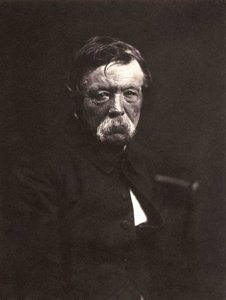
ピエール=ジャン・ダヴィド・ダンジェール
1788 - 1856 , フランス
基本情報
- Artistic Movement Or Style: 新古典主義
- Artists Who Influenced This Artist:
- ジャック=ルイ・ダヴィッド
- フィリップ=ローラン・ロラン
- Date Of Birth: 1788年
- Date Of Death: 1856年
- Full Name: ピエール=ジャン・ダヴィド・ダンジェール
- Nationality: フランス
- Notable Artworks:
- 負傷したピロポメネス
- La Douleur (悲しみ)
- エパミノンダス
- Place Of Birth: フランス、アンジェ
関連記事

Bronze Sculptures That Defined Art History | ArtsDot
Journey through art history with our Top 10 bronze sculptures! Explore masterpieces by Rodin, Michelangelo & more. Discover stories behind iconic statues and find museum-quality reproductions for your home decor at ArtsDot.com.

The Enduring Form: Exploring Themes & Techniques in Sculpture Across Historical Periods
Explore the rich history of sculpture from ancient masterpieces to contemporary innovations. Discover key techniques, influential artists & investment potential for discerning art collectors.

Bronze Age to Modern Masters: 10 Sculptures That Redefined Art | ArtsDot
Journey through art history with 10 legendary bronze sculptures – from Michelangelo's David to Rodin’s Thinker. Explore the stories, techniques & timeless beauty of these masterpieces. Find museum-quality reproductions & elevate your home decor on ArtsDot.com.
The Enduring Form: Sculpture Across History, Technique & Emotional Resonance
Explore the rich history of sculpture with ArtsDot. Discover key techniques, influential artists & investment potential for discerning collectors. Expert insights into valuing and collecting timeless masterpieces.
青銅彫刻の永続的遺産:歴史、技法、そして現代における解釈
青銅彫刻の歴史、技法、現代における解釈を専門家が解説。古代から現代までの貴重な作品群を深く理解し、コレクションや投資に役立つ情報を提供します。美術品鑑定、修復についてもご紹介。

