

 プリントを購入
 シェアする
シェアする シェアする
シェアする
 詳細を見る
詳細を見る

 ダウンロード
 似ている作品
 スライドショー
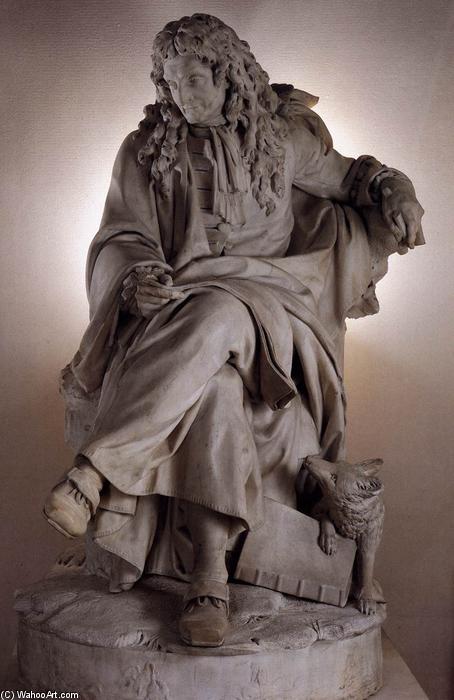
La Fontaine


 詳細を見る
詳細を見る
オンラインプレビューをはるかに凌ぐ、高解像度で鮮明なデジタル画像をご購入いただけます。
各ファイルは、社内の専門家が高度なツールと熟練した手作業によるレタッチを用いて、細心の注意を払って準備されています。すべての画像において、卓越した鮮明度、正確な色彩再現性、そして繊細なディテールを保証いたします。
最終ファイルは、プロフェッショナルな編集・印刷環境ですぐにご利用いただけるよう最適化された状態で、72時間以内にメールにてお届けいたします。これは、一流のデザインスタジオ、出版社、ギャラリーから信頼されているものと同等の品質です。
デジタル画像のご注文に付随する特典
高品質なデジタル画像配信を、確かな品質で。
ArtsDot.com を選ぶことは、単に画像を手に入れることではありません。それは、プロの手によって精密に仕上げられ、満足保証が付いた高品質なデジタルアートワークを受け取ることを意味します。ご注文いただいた際に自動的に付随する内容は、以下の通りです:

メールですぐにお届け
ご注文から72時間以内に、高解像度のデジタル画像ファイルがメールでお手元に届きます。すぐにそのままご利用いただけます。

AI技術で最適化されたデジタルファイル
お客様の作品は、高度なAIツールと専門家による手作業の編集を組み合わせてプロフェッショナルに最適化されており、細部のディテール、鮮明さ、そして正確な色再現性を最大限に引き出しています。

一生涯無料の再送サービス
ファイルを誤って削除したり、紛失してしまったりしましたか?ご安心ください。いつでも無料で再送いたします。

輸入手数料は一切かかりません
関税や手数料、配送料を気にすることなく、お気に入りのアートワークをすぐにお楽しみいただけます。デジタルダウンロードは常に免税です。

色彩再現の保証
プロ仕様のツールとカラーマネジメント技術を用いることで、デジタル画像が元の色を最大限に忠実に再現することを保証いたします。

100日間満足保証
ご購入いただいたデジタル画像にご満足いただけない場合は、100日以内であれば、理由を問わず修正または100%の返金対応をさせていただきます。

100% 返金保証
ご満足いただけない場合は、デジタルファイルを受け取ってから100日以内であれば、理由を問わず全額返金いたします。

まとめ買い割引
3枚購入で10%OFF - 5枚購入で15%OFF - 10枚以上購入で20%OFF。クリエイティブなプロジェクト、ギャラリー、エージェンシーに最適です。
The Contemplative Muse: An Encounter with Classical Form
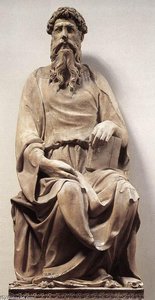
Before you stands a vision carved from the purest marble, a testament to the enduring power of human intellect and artistic grace. This sculpture captures a moment of profound introspection, presenting a seated figure whose very posture speaks of deep thought. The subject, rendered in a style evocative of the late Baroque or early Neoclassical period, is clad in drapery that seems less like mere fabric and more like solidified movement. Observe how the artist has masterfully manipulated the stone to suggest the weight and flow of classical attire, each fold catching the light with an almost liquid sheen. The figure’s gaze, directed downward toward the object cradled in his hand—perhaps a manuscript or book—draws the viewer into a shared space of quiet contemplation. It is a study not just in marble, but in the very act of knowing.
Mastery in Stone: Technique and Detail
The technical brilliance displayed here is breathtaking. The sculptor, working with the cool permanence of marble, has imbued the piece with an astonishing sense of life. Notice the delicate rendering of the hands; one rests gently upon a knee, anchoring the pose, while the other delicately supports the object of study. This contrast between the relaxed weight and the focused gesture speaks volumes about the figure's internal state. Furthermore, the composition is grounded by two small, watchful figures—mythical beasts or lions—at the base. These elements are not mere decoration; they function as symbolic guardians, lending an air of antiquity and solemnity to the entire tableau. The artist’s ability to achieve such intricate detail while maintaining the monumental presence of the seated form is a hallmark of supreme craftsmanship.
Echoes of History: Context and Symbolism
Dating to 1783, this work emerges from an era deeply fascinated by classical antiquity. The revival of Greco-Roman ideals permeated art across Europe, leading sculptors to revisit the themes of philosophy, literature, and learned contemplation. This piece embodies that spirit perfectly. The seated scholar archetype—the man surrounded by symbols of knowledge (the book) and guarded by emblems of power or wisdom (the beasts)—is a perennial motif. It invites us to consider what we are studying, what truths we are guarding, and the quiet dignity inherent in deep thought. For the collector, owning such a piece is acquiring not just art, but a tangible link to the Enlightenment's reverence for classical learning.
Bringing Antiquity Home: Aesthetic Impact
For the discerning interior designer or passionate art lover, this sculpture offers an unparalleled focal point. Its cool, luminous marble surface interacts beautifully with ambient light, adding an immediate layer of cultured gravitas to any room. Whether placed in a library corner, a formal reception hall, or a study dedicated to reflection, it commands attention without shouting. It whispers stories of forgotten philosophers and enduring wisdom. Reproducing this piece allows one to curate an atmosphere steeped in timeless elegance—a sanctuary where the noise of the modern world fades, replaced by the quiet resonance of marble and thought.
関連作品
作家の略歴
William Aikman: A Pioneer of British Watercolour
William Aikman, born in Edinburgh in 1682 and tragically dying in London in 1731, remains a somewhat enigmatic figure within the burgeoning world of British art. While he didn’t achieve widespread fame during his lifetime, Aikman's contribution to watercolour painting is now recognized as profoundly influential, establishing him as a key precursor to later Romantic landscape artists. His life was marked by both artistic ambition and personal hardship, shaping the distinctive character of his work. Aikman’s early years were spent in Edinburgh, where he received a basic education before moving to London in 1708. It was here that he began his career as a professional artist, initially working as a portrait painter but quickly gravitating towards landscape subjects – a field increasingly gaining prominence at the time.Early Influences and Artistic Development
Aikman’s artistic journey reveals a fascinating interplay of influences. He was deeply impacted by the Dutch Masters, particularly their masterful use of light and shadow, which he skillfully translated into his watercolour paintings. His early works demonstrate a strong debt to the meticulous detail and atmospheric perspective favored by artists like Jan van Goyen and Jacob van Ruisdael. However, Aikman wasn’t simply a mimic; he possessed an innate ability to imbue his landscapes with a sense of drama and emotional resonance. He was also influenced by the prevailing taste for ‘Picturesque’ scenery – idealized views of nature that emphasized grandeur and sublimity – though he ultimately moved beyond this fashionable trend. Aikman's style evolved over time, becoming increasingly expressive and less reliant on rigid topographical accuracy. His later works are characterized by looser brushwork, brighter colors, and a greater emphasis on capturing the mood and atmosphere of a scene.The Scottish Highlands: A Defining Subject
A significant portion of Aikman’s oeuvre is dedicated to depicting the dramatic landscapes of the Scottish Highlands. This period, beginning around 1715, proved to be exceptionally formative for his artistic development. Commissioned by the British government following the Jacobite rising, Aikman was tasked with creating detailed surveys of the region – a monumental undertaking that provided him with unparalleled access to some of Scotland’s most breathtaking scenery. These commissions weren't merely exercises in cartography; they demanded an acute eye for detail and a sensitivity to the nuances of light and color. The rugged mountains, vast lochs, and heather-covered moors became his primary subjects, and he captured them with remarkable precision and evocative power. His Highland paintings are not simply representations of scenery but rather powerful expressions of the wildness and beauty of the Scottish wilderness.Technique and Innovation in Watercolour
Aikman’s mastery of watercolour lies primarily in his innovative use of layering and glazing techniques. He built up his compositions gradually, applying thin washes of color over dry underlayers to create luminous effects and subtle tonal variations. He was particularly adept at using ‘wet-on-wet’ technique – applying wet paint onto a still-damp surface – to achieve soft edges and atmospheric diffusion. Furthermore, Aikman experimented with incorporating body colour (a more opaque pigment) into his watercolors, allowing him to create richer, more vibrant hues and add textural interest. His work demonstrated a remarkable understanding of the medium’s capabilities, pushing the boundaries of what was considered possible in watercolour painting during the early 18th century. He is often credited with being one of the first British artists to publish aquatint prints, further solidifying his position as an innovator.Legacy and Historical Significance
Despite a relatively short career cut short by illness, William Aikman’s impact on British art was considerable. His detailed surveys of the Scottish Highlands provided invaluable documentation of the region's landscape, while his paintings established watercolour as a viable medium for capturing the beauty of nature. Aikman’s emphasis on atmospheric perspective and emotional expression paved the way for later Romantic artists such as Turner and Constable. Although he didn’t achieve widespread fame during his lifetime, Aikman is now recognized as a pivotal figure in the development of British landscape painting – a pioneer who helped to elevate watercolour from a decorative art form to a respected medium capable of conveying profound artistic insights. His work can be found in major collections across the UK, testament to its enduring appeal and historical importance.
pierre julien
1731 - 1804 , France
プロフィール概要
- Artistic Movement Or Style: Scottish Baroque
- Artists Or Movements Influenced By This Artist: ['Rafaello Zucchero']
- Artists Who Influenced This Artist: ['Peter Lely']
- Date Of Birth: 1682
- Date Of Death: 1731
- Full Name: William Aikman
- Nationality: British
- Notable Artworks:
- The Burning of Edinburgh
- Portrait of James Drummond