 プレビュー
プレビュー
 プリントを購入
 シェアする
シェアする シェアする
シェアする
 詳細を見る
詳細を見る

 ダウンロード
 似ている作品
 X線調査
X線調査 スライドショー
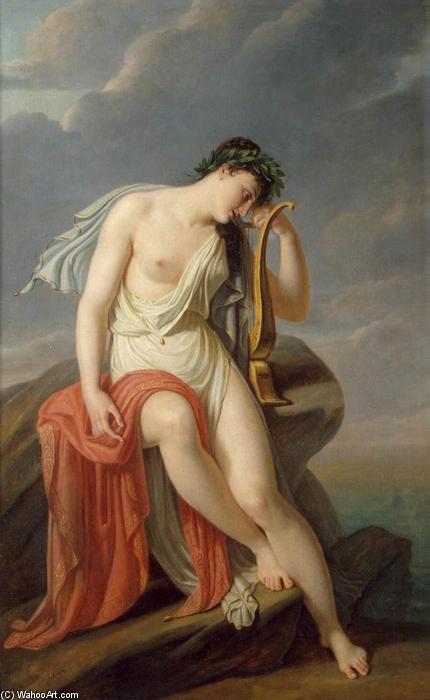
Sappho on the Leucadian Cliff
 Oil On Canvas
- WallArt
- Neoclassical Revival
 1800
1800- 19th Century
 188.0 x 114.0 cm
 エルミタージュ美術館
 詳細を見る
詳細を見る




P118B $10

P118H $10

P118W $10

P438Z $10

P508JH $12

P508YH $12

P805H $10

P805Z $10

P919BZ $10

P919G $10

P919XJ $10

P959ZH $10

P968JZ $12

W106C $8

W218G $10

W218JH $8

W218Y $10

W307PJ $10

W316G $10

W316PJ $8

W316Y $10

W398PJ $8

W4111J $10

W500HY $15

W500JH $15

W692G $12

W849H $8

W940BG $15

W953PJ $8




作品のオリジナル比率に合わせた、当店の規定サイズからお選びください。

特定のフレームやスペースに合わせて、ご希望のサイズをご入力いただけます。選択されたサイズが元の画像の比率と異なる場合、アートワークをトリミングするか、手描きで要素を追加して絵画を拡張いたします。デジタルモックアップ を制作し、制作開始前にご確認(承認)をいただきます。
画面上のプレビューは、実際のトリミングや拡張を正確に反映しているものではありません。最終的な構図は、モックアップによってのみ正確にご確認いただけます。
カスタムサイズもご利用いただけますが、元の比率を維持するためには、あらかじめ用意されたリストからサイズを選択することをお勧めいたします。
ご注文後、ArtsDot.com チームより詳細な指示をお送りするとともに、仕上がりイメージ(モックアップ)をご提供いたします。


 ガラスオプションは、110cm未満のサイズでのみご利用いただけます。

Sappho on the Leucadian Cliff
複製技法
複製画のサイズ
-


合計金額
$ 263
作品解説
Sappho on the Leucadian Cliff: A Neoclassical Echo of Mythological Despair
The painting Sappho on the Leucadian Cliff by Pierre Narcisse Guérin stands as a testament to the enduring fascination with classical mythology and the stylistic prowess of the neoclassical movement. Created in 1800, this monumental oil on canvas – measuring 188 x 114 cm – resides within the prestigious Hermitage Museum in St. Petersburg, Russia, offering visitors an unparalleled glimpse into artistic excellence of its time. Guérin’s oeuvre exemplifies a harmonious blend of Romantic fervor and classical restraint, securing his place amongst the foremost painters of the era.The Artist and His Influences: Jean-Baptiste Regnault's Legacy
Pierre Narcisse Guérin’s artistic journey began under the tutelage of Jean-Baptiste Regnault, arguably the most celebrated painter of his generation. Regnault’s influence profoundly shaped Guérin’s stylistic sensibilities, fostering a dedication to idealized forms and dramatic compositions—characteristics that would define Guérin's distinctive oeuvre. Furthermore, Guérin served as a guide for influential artists like Eugène Delacroix and Théodore Géricault, cementing his role as a pivotal figure in disseminating classical ideals within the burgeoning Romantic landscape.A Mythological Narrative Captured in Paint
The painting depicts Sappho, the legendary Greek poetess famed for her lyrical verses celebrating female love and desire. According to myth, Sappho tragically leaped from the Leucadian cliff – overlooking the Aegean Sea – following rejection by Apollo or a mortal lover. Guérin skillfully portrays this pivotal moment of despair, capturing not merely an event but also the profound emotional turmoil experienced by the subject. The artist’s meticulous attention to detail—particularly in rendering the rocky outcrop and turbulent sky—creates a palpable sense of drama and immediacy.Neoclassical Technique: Harmony and Depth Through Light
Guérin's masterful technique embodies the core principles of neoclassical art. He employs chiaroscuro – dramatic contrasts between light and shadow – to sculpt volumes, emphasizing the physicality of Sappho’s form and conveying the emotional intensity of her predicament. The artist utilizes a muted palette dominated by earthy tones—ochre, umber, and Sienna—harmoniously blending with cooler shades of blue and grey to depict the sea and sky. These subtle color choices contribute significantly to the painting's overall atmosphere, fostering a feeling of contemplative solemnity.Symbolism Beyond Representation: The Leucadian Cliff as Metaphor
The Leucadian cliff itself serves as more than just a scenic backdrop; it functions as a potent symbol representing Sappho’s precipice – both literal and metaphorical – before her fateful act. The cliff embodies vulnerability, isolation, and the inescapable confrontation with mortality—themes central to classical mythology and resonating powerfully within the painting's narrative. Guérin’s deliberate positioning of Sappho against this dramatic landscape underscores the universality of human experience: confronting despair and accepting inevitable loss are experiences that transcend time and culture.Conclusion: A Masterpiece of Neoclassical Elegance
Sappho on the Leucadian Cliff by Pierre Narcisse Guérin remains an enduring symbol of neoclassical artistic achievement. Its meticulous execution, evocative composition, and profound exploration of mythological themes solidify its place as a cornerstone of European art history. For those seeking to appreciate this iconic artwork in detail, we invite you to explore ArtsDot.com and delve deeper into the artist’s life and legacy—and don't forget to visit Wikipedia for further scholarly insights! To discover more paintings by Guérin, including Morpheus and Iris and The artist's daughter, explore the Hermitage Museum’s collection on ArtsDot.com.関連作品

アーティストの略歴
時代を繋ぐ架け橋:ピエール・ナルシース・ゲランの生涯と遺産
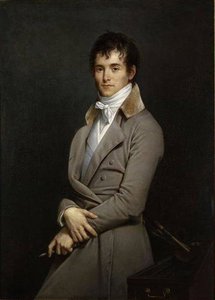
フランス美術史という壮大なタペストリーにおいて、新古典主義の規律ある厳格さからロマン主義の激動する情熱への繊細な変遷を、これほどまでに優雅に体現した人物は稀である。ピエール・ナルシース・ゲランは、1774年にパリで生まれた。彼が登場したのは、フランス革命の残響がアカデミーの殿堂に今なお響き渡っていた、社会が劇的な変貌を遂げつつあった時代であった。名高いジャン=バティスト・ルノの弟子であったゲランの初期のキャリアは、すぐに際立ったものとなった。1796年、彼は権威あるグランプリの一つを獲得し、革命による空白期間を経て、フランス美術界の競争精神を復活させる力を持つ恐るべき才能の到来を告げたのである。
ゲランの名声は、単なる技術的な熟練によるものではなく、感情的な共鳴によってもたらされた。1799年のサロンで『マルクス・セクストゥスの帰還』を発表した際、その衝撃はまさに電撃的であった。死と政治的動乱によって荒廃した故郷へと戻るローマの退役軍人を描いたこの作品は、当時のフランス人が直面していた経験を痛切に象徴する寓意として機能した。ゲランはこの作品を通じて、歴史的な物語と主題が抱く生々しく個人的な悲嘆を織り交ぜる類まれな能力を示し、古典的な過去を用いて混沌とした現在を映し出すことに成功したのである。このドラマチックな表現の極致は彼の代名術となり、大衆の称賛を集め、ジョゼフ=ベノワ=スーヴェの下でのローマでのさらなる研鑽へと彼を導いた。
光と神話の旅路
ゲランの人生の軌跡は、芸術的な野心と肉体的な脆弱さの両方によって形作られた。ローマでの日々は知的な豊かさをもたらしたものの、病による健康状態の悪化によって短縮され、ナポリへの移住を余儀なくされた。しかし、この地こそが彼のパレットを広げる契機となったのである。アミンタスの墓に捧げた記念碑的作品に見られるように、彼は風景画の大気的な荘厳さを取り入れ始めた。この放浪の時期は、彼が新古典主義の基礎に新たな光と影の感覚を吹き込むことを可能にし、やがてヨーロッパを席巻することになる表現豊かな様式の先駆けとなった。
パリに帰還したゲランのレパートリーは、19世紀初頭における最も魅惑的な神話や歴史的場面を含むものへと拡大していった。彼の作品にはしばしば、神々しい人物に命を吹き込むような、輝かしいキアロスクーロ(明暗法)が見られた。例えば、空想的な『モルフェウスとイリス』のように。また、『ディドとアイネイアス』の悲劇的な運命や、『アンドロマーケとピュロス』の強烈で英雄的なエネルギーを描く際にも、ゲランは神話的な主題に人間的な脆さを吹き込む類まれな才能を発揮した。古典的な伝統が持つ理想化された美しさと、新たに芽生えつつあった心理的な深みとのバランスをとる彼の能力は、ナポレオン時代の帝国の宮廷の寵愛を受けるものとなった。
巨匠の影響力と芸術的意義
個々のキャンバスを超えて、ゲランの歴史的な重要性は、極めて重要な指導者であり、様式の架け橋としての役割に存在する。彼は世代の交差点に立ち、ロマン主義の巨匠たちがその上に築き上げるための基盤を提供したのである。彼の影響は、以下のような伝説的な画家たちの作品の中に辿ることができる。
- ウジェーなるドラクロワ:ゲランの劇的な構図と感情的な強烈さを取り入れ、ロマン主義運動を切り拓いた。
- テオドール・ジェリコー:人間の葛藤を力強く描き、ゲランの歴史画に見られる物語の重厚さを共鳴させた。
- アンリ・シェフェール:師から受け継いだ洗練された新古典主義のエレガンスを継承した才能ある弟子。
結局のところ、ピエール・ナルシース・ゲランは単に美しい場面を描く画家ではなかった。彼は自らの時代の鼓動を理解していた芸術家であった。肖像画、神話的な寓意、そして歴史的な叙事詩を通じて、彼は秩序と混沌、安定と変化の間の緊張感を捉えたのである。彼の遺産はルーヴル美術館やエルミタージュ美術館といった機関の殿堂に刻まれ続けており、旧世界の規律を掌握しながらも、新世界の秘密を囁くことができた一人の男の証として、今なお輝きを放っている。
ピエール・ナルシース・ゲラン
1774 - 1833 , フランス
基本情報
- Artistic Movement Or Style: 新古典主義
- Artists Or Movements Influenced By This Artist:
- ドラクロワ
- ジェリコ
- Artists Who Influenced This Artist: ['ジャン=バティスト・ルノワール']
- Date Of Birth: フランス、パリ (1774年)
- Date Of Death: 1833年
- Full Name: ピエール=ナルシース・ゲラン
- Nationality: フランス人
- Notable Artworks:
- マルクス・セクストゥスの帰還
- モルフェウスとイリス
- オーロラとケファロス
- Place Of Birth: パリ
関連記事
Giclée Prints: Archival Quality & Aesthetic Nuances for the Discerning Collector
Explore the world of giclée prints with ArtsDot. Learn about archival quality, aesthetic nuances & investment potential. Expert guidance for discerning art collectors seeking museum-quality reproductions and lasting value.

Echoes of Time: Exploring the Enduring Appeal & Historical Context of Vintage Art Prints
Explore the captivating world of vintage art prints! Discover their history, collecting tips & enduring appeal. Expert insights on chromolithography and building a legacy collection with ArtsDot.

The Enduring Legacy of Fine Art Prints: Technique, History & Aesthetic Impact
Explore the rich history & techniques of fine art prints. Discover investment potential, assess authenticity, and learn how to preserve your collection with expert guidance. Trusted insights for discerning collectors.

The Enduring Legacy of Printmaking: Techniques, Themes & Artistic Innovation Across Centuries
Explore the rich history of printmaking with ArtsDot. Discover techniques from intaglio to lithography, learn about collecting valuable prints & find museum-quality reproductions. Expert insights for art enthusiasts and collectors.
Echoes of Olympus: Mythological Narratives in Western Art Through the Ages
Explore the captivating history of mythological narratives in Western art! From ancient Greece to modern masterpieces, discover iconic artworks & symbolism. Expert analysis and high-quality reproductions at ArtsDot.