

 プレビュー
プレビュー
 シェアする
シェアする シェアする
シェアする
 詳細を見る
詳細を見る

 ダウンロード
 似ている作品
 X線調査
X線調査 スライドショー
 統計情報
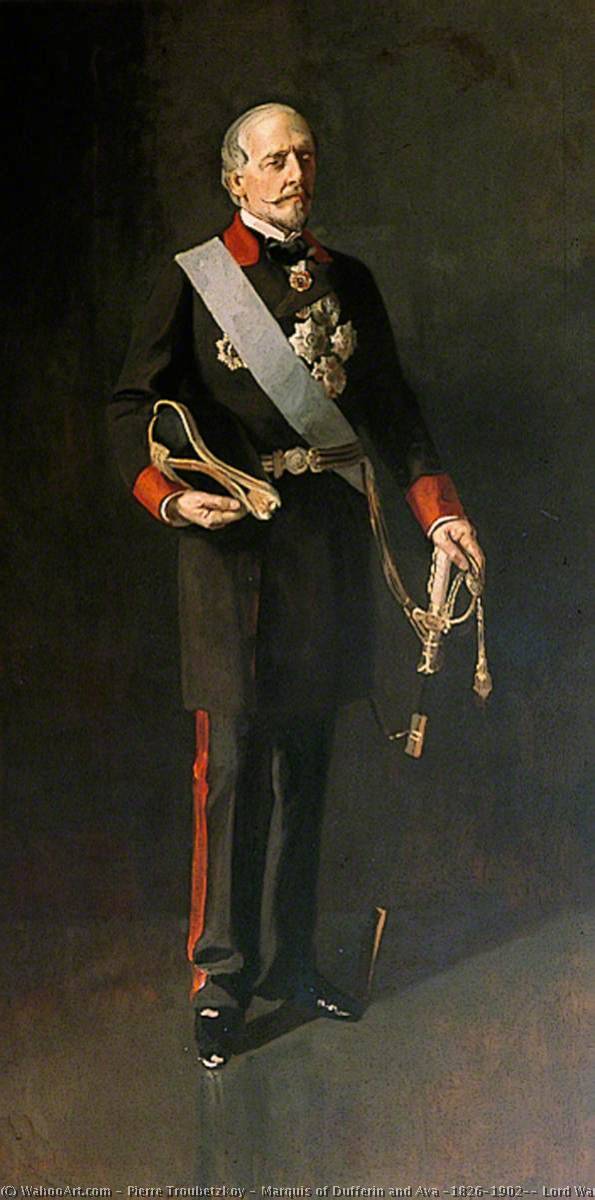
統計情報Marquis of Dufferin and Ava (1826–1902), Lord Warden of the Cinque Ports
 1895
1895 225.0 x 114.0 cm
Explore the captivating bronze sculptures of Pierre Troubetzkoy, a Russian-Italian artist renowned for his portraits of European society & historical figures.
 詳細を見る
詳細を見る
手描き油彩複製画
当社のアーティストが、お客様のご希望のサイズと額縁に合わせて、キャンバスに手描きで制作する油彩画です。 ( プリント版に切り替え デジタル画像販売へ切り替え)




































標準サイズ
オーダーメイド
CM
INCH
作品のオリジナル比率に合わせた、当店の規定サイズからお選びください。
Loading sizes...

幅
高さ
特定のフレームやスペースに合わせて、ご希望のサイズをご入力いただけます。選択されたサイズが元の画像の比率と異なる場合、アートワークをトリミングするか、手描きで要素を追加して絵画を拡張いたします。デジタルモックアップ を制作し、制作開始前にご確認(承認)をいただきます。
画面上のプレビューは、実際のトリミングや拡張を正確に反映しているものではありません。最終的な構図は、モックアップによってのみ正確にご確認いただけます。
カスタムサイズもご利用いただけますが、元の比率を維持するためには、あらかじめ用意されたリストからサイズを選択することをお勧めいたします。
カスタマイズの例:顔をお客様の写真に置き換える、ペットを追加する(例:猫を犬に変更)、背景に隠れたメッセージを入れる、背景の風景や要素を変更するなど。
ご注文後、ArtsDot.com チームより詳細な指示をお送りするとともに、仕上がりイメージ(モックアップ)をご提供いたします。
ご注文後、ArtsDot.com チームより詳細な指示をお送りするとともに、仕上がりイメージ(モックアップ)をご提供いたします。


 ガラスオプションは、110cm未満のサイズでのみご利用いただけます。

Marquis of Dufferin and Ava (1826–1902), Lord Warden of the Cinque Ports
複製技法
複製画のサイズ
-


合計金額
$ 263
関連作品








アーティストの略歴
A Sculptor of Society: The Life and Art of Pierre Troubetzkoy
Pierre Troubetzkoy, a name resonating with the Belle Époque’s spirit of dynamism and psychological insight, was more than just a sculptor; he was a chronicler of his time. Born into Russian aristocracy – though precise birth details remain elusive – Troubetzkoy carved a unique path for himself across Europe, becoming celebrated for his intensely personal portraits that captured not merely likeness but the very essence of his sitters. His journey began with formal training in St. Petersburg before he moved to Italy, where he honed his skills and developed a distinctive style that eschewed traditional academic polish in favor of a more expressive, almost Impressionistic approach to bronze. This early period was crucial in establishing his fascination with capturing movement and emotion, qualities that would define his oeuvre.From Russia to the Parisian Salons: A Rising Star
Troubetzkoy’s artistic ambitions led him to Paris, the epicenter of the art world at the turn of the 20th century. He quickly gained recognition for his unconventional techniques and compelling subject matter. Unlike many sculptors who favored idealized forms, Troubetzkoy sought out individuals with strong personalities – politicians, writers, artists, and members of high society. His studio became a hub for intellectual exchange, attracting figures eager to be immortalized in his distinctive bronze castings. He wasn’t interested in creating static monuments; instead, he aimed to reveal the inner life of his subjects through their posture, gesture, and facial expression. This approach resonated deeply with an audience increasingly fascinated by psychology and the complexities of the human condition. His work was frequently exhibited at the prestigious Parisian Salons, garnering critical acclaim and establishing him as a leading sculptor of his generation.The Art of Psychological Portraiture: Technique and Influences
Troubetzkoy’s technique was remarkably innovative for its time. He often worked directly from life, eschewing preliminary sketches or models in favor of an immediate, intuitive approach. This allowed him to capture fleeting expressions and subtle nuances that might otherwise be lost. His use of bronze was equally unconventional; he embraced a rougher texture and looser application of the material, creating surfaces that seemed to vibrate with energy. The influence of Impressionism is palpable in his work, particularly in his emphasis on capturing light and atmosphere. However, Troubetzkoy’s sculptures were not merely aesthetic exercises; they were deeply psychological investigations. He sought to understand his sitters – their motivations, anxieties, and aspirations – and to convey this understanding through the medium of bronze. His portraits are often described as being “alive,” imbued with a sense of personality that transcends mere representation.Notable Works and Lasting Legacy
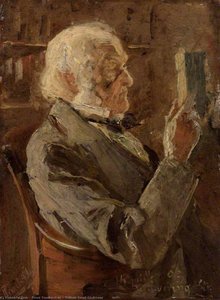
Among Troubetzkoy’s most celebrated works is his portrait of William Ewart Gladstone, the former British Prime Minister. This sculpture, completed in 1893, captures Gladstone as a contemplative elder statesman, his face etched with wisdom and experience. The loose brushwork and rich colors evoke a sense of intimacy and psychological depth. Other notable portraits include those of prominent French writers and artists, each revealing Troubetzkoy’s unique ability to capture the essence of his subject. While he also created allegorical works, it was his portraits that cemented his reputation as one of the most important sculptors of the Belle Époque. Today, Troubetzkoy's sculptures are held in major museums and private collections around the world, serving as a testament to his artistic vision and enduring legacy. His work continues to captivate audiences with its psychological insight, technical innovation, and evocative power.Historical Significance: A Mirror to an Era
Pierre Troubetzkoy’s significance extends beyond his artistic achievements; he was a keen observer of the social and political currents of his time.- His portraits offer a fascinating glimpse into the lives of European society at the turn of the 20th century.
- He captured the spirit of an era marked by rapid change, intellectual ferment, and psychological exploration.
- Troubetzkoy’s innovative techniques challenged traditional sculptural conventions, paving the way for new forms of artistic expression.
基本情報
- Artistic Movement Or Style: Belle Époque Art
- Full Name: Pierre Troubetzkoy
- Nationality: Russian-Italian
- Notable Artworks: ['William Ewart Gladstone']