 プレビュー
プレビュー
 プリントを購入
 シェアする
シェアする シェアする
シェアする
 詳細を見る
詳細を見る

 ダウンロード
 似ている作品
 X線調査
X線調査 スライドショー
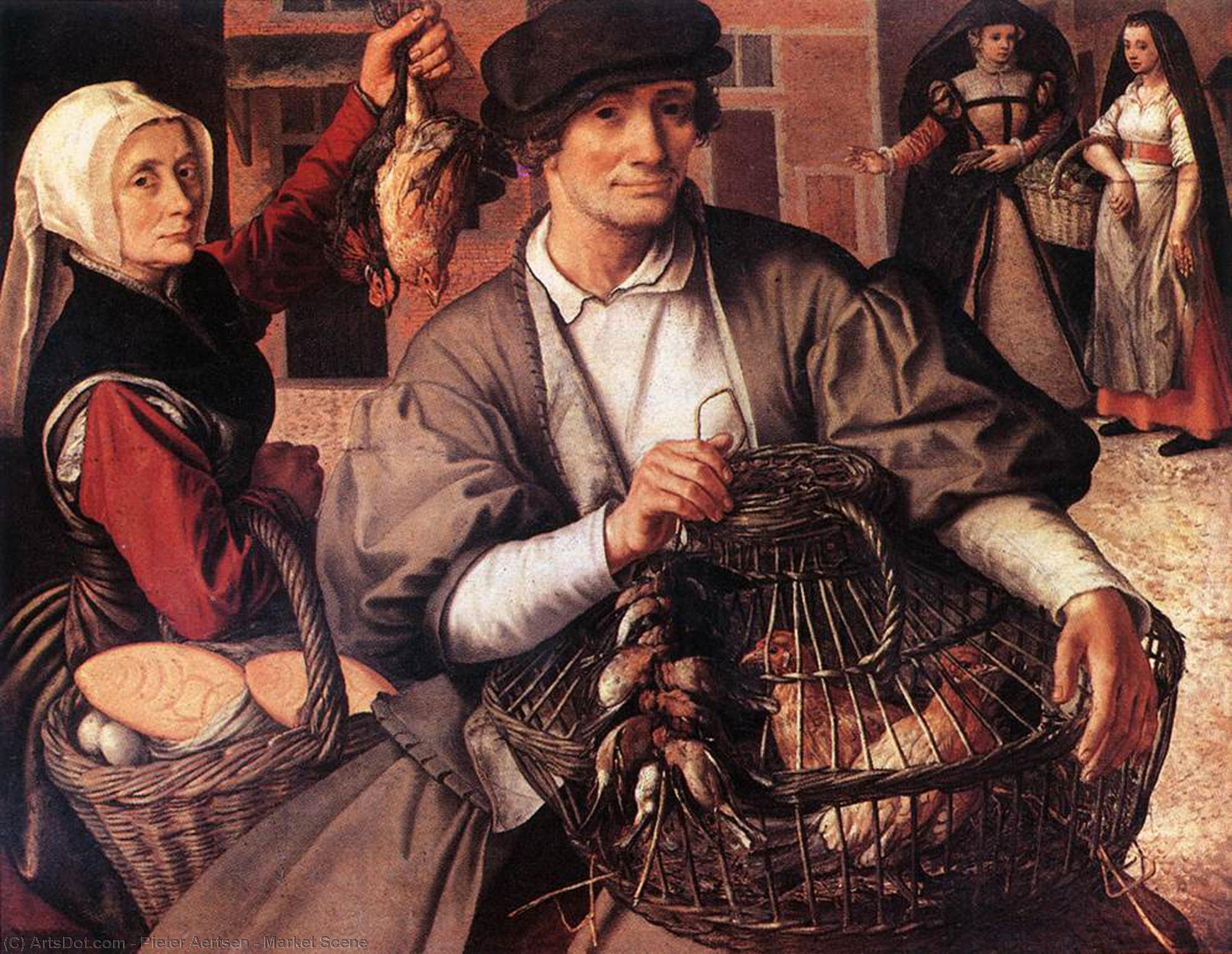
Market Scene
 Oil On Canvas
- WallArt
- Northern Mannerism
 Renaissance
 91.0 x 112.0 cm
 Kunsthistorisches Museum
 詳細を見る
詳細を見る




P118B $10

P118H $10

P118W $10

P438Z $10

P508JH $12

P508YH $12

P805H $10

P805Z $10

P919BZ $10

P919G $10

P919XJ $10

P959ZH $10

P968JZ $12

W106C $8

W218G $10

W218JH $8

W218Y $10

W307PJ $10

W316G $10

W316PJ $8

W316Y $10

W398PJ $8

W4111J $10

W500HY $15

W500JH $15

W692G $12

W849H $8

W940BG $15

W953PJ $8




作品のオリジナル比率に合わせた、当店の規定サイズからお選びください。

特定のフレームやスペースに合わせて、ご希望のサイズをご入力いただけます。選択されたサイズが元の画像の比率と異なる場合、アートワークをトリミングするか、手描きで要素を追加して絵画を拡張いたします。デジタルモックアップ を制作し、制作開始前にご確認(承認)をいただきます。
画面上のプレビューは、実際のトリミングや拡張を正確に反映しているものではありません。最終的な構図は、モックアップによってのみ正確にご確認いただけます。
カスタムサイズもご利用いただけますが、元の比率を維持するためには、あらかじめ用意されたリストからサイズを選択することをお勧めいたします。
ご注文後、ArtsDot.com チームより詳細な指示をお送りするとともに、仕上がりイメージ(モックアップ)をご提供いたします。


 ガラスオプションは、110cm未満のサイズでのみご利用いただけます。

Market Scene
複製技法
複製画のサイズ
-


合計金額
$ 263
作品解説
A Symphony of Everyday Life: The World of Pieter Aertsen
In the bustling heart of a sixteenth-century marketplace, where the scent of fresh produce meets the vibrant energy of human commerce, lies the soul of Pieter Aertsen’s Market Scene. This masterpiece serves as more than a mere depiction of trade; it is a profound window into the Northern Renaissance, capturing a moment where the mundane and the monumental collide. As viewers gaze upon the crowded stalls and the focused figures navigating the square, they are invited into a meticulously constructed miniature world. Aertseb, often referred to as "Lange Piet," possessed an unparalleled ability to elevate the domestic narrative, transforming a simple gathering of merchants and peasants into a complex tapestry of human existence that resonates with timeless vitality.
The composition is anchored by a striking central figure—a man seated with a quiet, contemplative gravity, cradling a birdcage filled with life. This focal point acts as an emotional anchor amidst the surrounding movement. Around him, the marketplace breathes; figures lean into conversation, others tend to their wares, and the subtle presence of a hat-clad onlooker adds layers of social depth. The scene is rich with the tactile delights of the era: the smooth sheen of polished metal, the rustic texture of wooden bowls, and the delicate glint of glass bottles. For the discerning collector or interior designer, this painting offers a sense of grounded luxury, bringing an atmosphere of historical richness and organic warmth to any curated space.
Mastery of Technique and the Art of Realism
Aertsen’s technical prowess is nothing shortable of extraordinary, representing a pivotal bridge between the stylized elegance of Mannerism and the burgeoning observational truth of Realism. Utilizing oil on canvas, the artist employed a sophisticated method of applying thin, translucent glazes to achieve a luminous color palette. This technique allows light to appear as if it is emanating from within the objects themselves, lending a breathtaking glow to the fruits, vegetables, and utensils scattered throughout the scene. His command over texture is particularly noteworthy; one can almost feel the rough grain of the market stalls and the cool weight of the ceramic cups.
This dedication to accuracy was revolutionary for his time. While his predecessors often favored exaggerated proportions and artificiality, Aertsen embraced the beauty of the tangible. He pioneered a style where the "lower" subject matter—the food, the tools, and the people—takes center stage with such incredible detail that it demands reverence. This approach does not merely document a scene; it celebrates the sensory experience of living. For those seeking to adorn a home with art that inspires a connection to the physical world, Aertsen’s work provides an unparalleled sense of presence and substance.
Symbolism and the Legacy of the Northern Renaissance
Beyond its surface beauty, the Market Scene is steeped in the symbolic language characteristic of the Flemish tradition. In the works of Aertsen, every object carries a potential weight of meaning. The abundance of food and the lively birds within the cage can be interpreted as metaphors for fertility, the fleeting nature of life, or even hidden religious allegories that were common in the Antwerp school. He was a master of "inversion," a technique where he would place a grander, often biblical narrative in the distant background, forcing the viewer to first confront the reality of the material world before discovering the spiritual truth hidden within it.
This layering of meaning ensures that the painting remains intellectually stimulating long after the initial visual impact has faded. It is an artwork that rewards slow looking and deep contemplation. As a high-quality reproduction, this piece serves as a magnificent conversation starter, offering both aesthetic splendor and historical depth. Whether placed in a sunlit gallery or a sophisticated study, Aertsen’s vision of the marketplace continues to enchant, reminding us that there is profound beauty and infinite complexity to be found in the simplest moments of our daily lives.
関連作品




アーティストの略歴
ピーター・アーツェン:日常の物語を構築した巨匠
美術史の館でしばしば囁かれる名前、ピーター・アーツェンは、北方マニエリスムとオランダ黄金時代の芽生え始めたリアリズムを結びつける極めて重要な人物として存在しています。1508年頃にアムステルダムで生まれ、同じ街で悲劇的な最期を遂げたアーツェンの遺産は、壮大な宗教画や英雄的な肖像画によって定義されるものではありません。むしろ、彼が革命的と見なされたジャンル絵画へのアプローチ――日常の生活そのものを意図的に高め、象徴主義と物語的な深みを何層にも織り込んだ点にこそあります。彼は単に光景を描写していたのではなく、まるでミニチュアの世界を構築し、鑑賞者を人間経験という複雑なタペストリーへと誘っていたのです。
アーツェンは当初、アラート・クラエスから薫陶を受け、伝統的なフランドル絵画の確固たる基礎を築きました。しかし、真に彼の独特な様式を形作ったのは、16世紀半ばにおける芸術革新の活気あふれる中心地であったアントワープへの移住でした。アントワープの賑やかな雰囲気、多様な住民層、そしてヨーロッパ交易の交差点としての立地は、実験に適した環境を育みました。これは当時の厳格に定められた宗教的慣習とは対照的でした。彼はここで名高い聖ルークの組合に入門し、「ランヘ・ピーター」、すなわち「背の高いピーター」という異名を得ました。この名は彼の堂々とした体躯を反映しており、それはしばしば彼の肖像画に取り入れられる細部でもありました。
記念碑的なジャンルの発明
アーツェンが芸術にもたらした最も重要な貢献は、彼が先駆的に生み出したもの、すなわち「記念碑的なジャンルシーン」の創造にあります。それ以前の家庭生活の描写が宗教画の隅や脇役に追いやられていたのに対し、アーツェンは市場の光景、肉屋の店、静物といった日常の営みを、キャンバスの最前線に堂々と据え置きました。これは単なる主題の変化ではなく、芸術的な優先順位における根本的な転換を意味していました。彼は意図的にジャンル間の境界線を曖昧にし――静物画、風景画、物語画――それらを織り交ぜることで、鑑賞者からの能動的な関与を要求する複雑な構図を生み出したのです。
彼の最も有名な作品である『エジプトへの逃避行を描いた肉屋の店』(1551年)は、この革命的なアプローチを見事に体現しています。その光景は、肉や野菜、道具で溢れかえる緻密に描かれた肉屋の台座によって支配されており、鑑賞者の目を瞬時に捉える驚くほど詳細な静物画です。しかし、この一見するとありふれた設定の中に、聖書の物語の要素が繊細に織り込まれています。カウンターの上部にある小さなパネルには、エジプトへ逃れる聖家族が描かれているのです。このように現実を重ね合わせる――商業という触知できる世界と、信仰という精神的な領域との並置――は、アーツェン作品の特徴となり、後の何世代もの芸術家に深い影響を与え続けました。
象徴主義と物体の言語
アーツェンの描く光景は、単に視覚的に目を引くだけではありません。そこには豊かな象徴的な意味が込められています。一つ一つの物体、一つ一つの仕草が重みを持ち、より大きな物語や道徳的な考察に貢献しているのです。例えば、静物画の中の品々の配置は、現世の快楽と精神的な報酬、富と貧困、あるいは時間の儚さそのものを象徴し得ます。『肉屋の店』は特に象徴性に満ちています。食べ物の豊かさは現世の繁栄を象徴する一方で、淫欲と結びつけられる牡蠣やムール貝の存在は、一種の戒めの物語として機能しているのです。
さらに、アーツェンはヨアヒム・パティニールのような先達からインスピレーションを得ていました。彼は宗教的な場面の中に風景要素を用いることで、大気的な深みと視覚的な関心を創出する手法を切り開いたからです。アーツェンもこの技法を取り入れ、教会窓や牧歌的な光景といったミニチュアの風景をジャンル構成に統合し、物語の範囲をさらに広げました。それは鑑賞者に対し、同時に複数の現実を熟考することを促すものでした。
影響と遺産
ピーター・アーツェンが後世の芸術家たちに与えた影響は否定できません。彼のジャンル絵画への革新的なアプローチは、オランダの静物画という独立した芸術ジャンルの台頭を促し、ヤン・サンダーズ・ファン・ヘメセンのような人物や、決定的に重要な息子であるピーター・ピエテルス・ザ・エルダーに影響を与えました。アーツェンの現実的な細部へのこだわりは、象徴主義と物語の層状化という彼の熟練した使用法と結びつき、日常の複雑さを捉えようとする後続の芸術家たちにとって先例を築いたのです。
さらに驚くべきことに、アーツェンの作品はイタリア絵画の発展をも予見していました。ルネサンスの人文主義者ハドリアヌス・ユニアス(アドリアエン・デ・ヨンヘ)は、アーツェンを古代ギリシャの画家ペライコスになぞらえました。ペライコスは、ありふれた題材を並外れた写実性と象徴的な深みをもって描く能力で称賛された人物です。この比較は、伝統的な芸術的慣習に異議を唱え、ジャンル絵画の地位を高めたアーツェンの先駆的な役割を際立たせています。
アムステルダムでの「ベルデンストーム」(プロテスタント宗教改革における偶像破壊運動)による多くの作品が破壊されたにもかかわらず、アーツェンの遺産は今も息づいています。彼の絵画は、日常の何気ないものが深遠なものへと変わり、日々の生活が豊かな意味のタペストリーへと変貌を遂げる世界の一端を垣間見せてくれるため、美術史家と鑑賞者の双方を魅了し続けているのです。
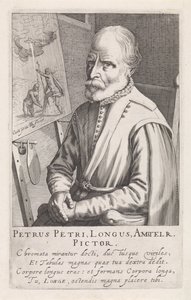
ピーター・アーツセン
1508 - 1575 , オランダ
基本情報
- Artistic Movement Or Style: 北方マニエリスム
- Artists Or Movements Influenced By This Artist:
- ヨアヒム・パティニール
- フランドル・バロック
- Artists Who Influenced This Artist: ['アラート・クラエス']
- Date Of Birth: 1508年、アムステルダム
- Date Of Death: 1575年、アムステルダム
- Full Name: ピーター・アーツェン
- Nationality: オランダ人
- Notable Artworks:
- 食肉屋の店(ウプサラ)
- 市場の女性...
- 様々な祭壇画
- Place Of Birth: オランダ、アムステルダム
関連記事
Abraham Hendricksz van Beyeren: Pioneering Dutch Still Life & the Banquet Tradition
Explore the captivating world of Dutch Golden Age still life with Abraham van Beyeren. Discover his innovative techniques, symbolic banquet scenes & lasting influence on art history. Learn about collecting these masterpieces.
Genre Painting: A Window into Daily Life & Societal Values of the Dutch Golden Age
Explore the captivating world of Dutch Golden Age genre painting! Discover realistic depictions of daily life, masterful artists like Ostade & Metsu, and hidden symbolism. Learn about this influential art movement with ArtsDot.

Golden Age Reflections: Dutch Baroque Painting & Cultural Innovation
Explore the Dutch Golden Age of painting! Discover key artists like Vermeer & ter Borch, their innovative techniques, and the rich cultural context behind these Baroque masterpieces. Learn about collecting & appreciating this iconic art period.
Silent Narratives: Exploring the Enduring Appeal of Still Life Painting Across Centuries
Explore the rich history of still life painting with ArtsDot. Discover Dutch Masters, decode vanitas symbolism & learn about collecting timeless art. Expert insights and museum-quality reproductions.
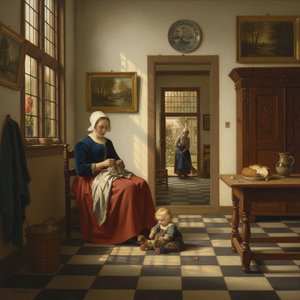
Pieter de Hooch: Illuminating Dutch Domestic Life & Golden Age Charm
Explore the captivating world of Pieter de Hooch, a master of Dutch Golden Age painting. Discover his innovative use of light, intimate domestic scenes, and lasting influence on art history. Learn more at ArtsDot.