

 プレビュー
プレビュー
 プリントを購入
 シェアする
シェアする シェアする
シェアする
 詳細を見る
詳細を見る

 ダウンロード
 似ている作品
 X線調査
X線調査 スライドショー
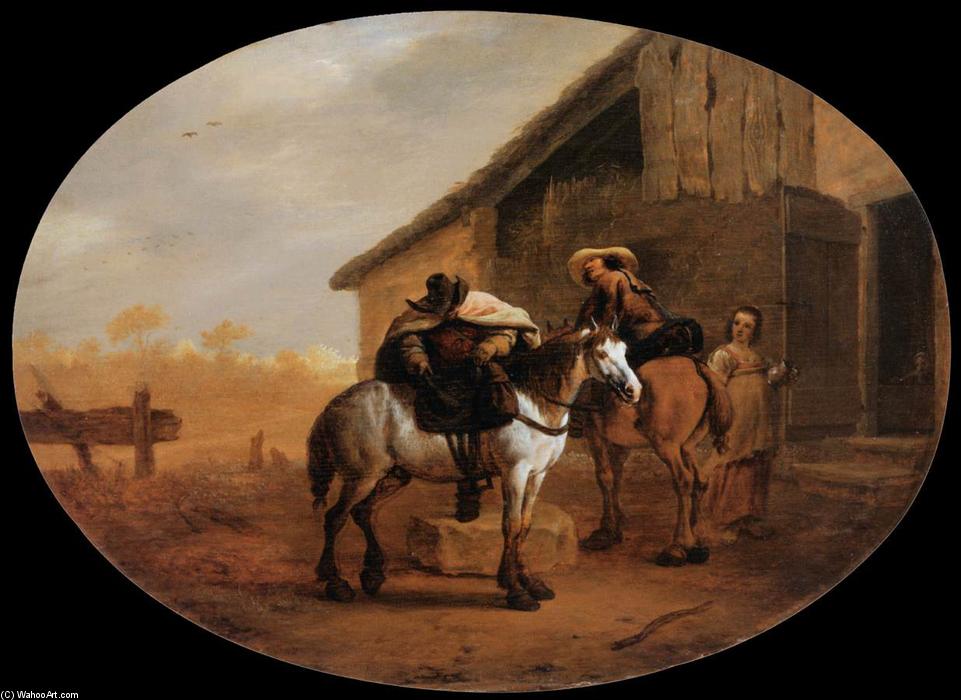
Departure from the Inn
 Oil On Canvas
- WallArt
- Baroque
 1639
1639 32.0 x 43.0 cm
 ルーブル美術館
 詳細を見る
詳細を見る
オンラインプレビューをはるかに凌ぐ、高解像度で鮮明なデジタル画像をご購入いただけます。
各ファイルは、社内の専門家が高度なツールと熟練した手作業によるレタッチを用いて、細心の注意を払って準備されています。すべての画像において、卓越した鮮明度、正確な色彩再現性、そして繊細なディテールを保証いたします。
最終ファイルは、プロフェッショナルな編集・印刷環境ですぐにご利用いただけるよう最適化された状態で、72時間以内にメールにてお届けいたします。これは、一流のデザインスタジオ、出版社、ギャラリーから信頼されているものと同等の品質です。
デジタル画像のご注文に付随する特典
高品質なデジタル画像配信を、確かな品質で。
ArtsDot.com を選ぶことは、単に画像を手に入れることではありません。それは、プロの手によって精密に仕上げられ、満足保証が付いた高品質なデジタルアートワークを受け取ることを意味します。ご注文いただいた際に自動的に付随する内容は、以下の通りです:

メールですぐにお届け
ご注文から72時間以内に、高解像度のデジタル画像ファイルがメールでお手元に届きます。すぐにそのままご利用いただけます。

AI技術で最適化されたデジタルファイル
お客様の作品は、高度なAIツールと専門家による手作業の編集を組み合わせてプロフェッショナルに最適化されており、細部のディテール、鮮明さ、そして正確な色再現性を最大限に引き出しています。

一生涯無料の再送サービス
ファイルを誤って削除したり、紛失してしまったりしましたか?ご安心ください。いつでも無料で再送いたします。

輸入手数料は一切かかりません
関税や手数料、配送料を気にすることなく、お気に入りのアートワークをすぐにお楽しみいただけます。デジタルダウンロードは常に免税です。

色彩再現の保証
プロ仕様のツールとカラーマネジメント技術を用いることで、デジタル画像が元の色を最大限に忠実に再現することを保証いたします。

60日間満足保証
ご購入いただいたデジタル画像にご満足いただけない場合は、60日以内であれば、修正または100%の返金(理由を問う必要はありません)をさせていただきます。

100% 返金保証
ご満足いただけない場合は、デジタルファイルを受け取ってから60日以内であれば、理由を問わず全額返金いたします。

まとめ買い割引
3枚購入で10%OFF - 5枚購入で15%OFF - 10枚以上購入で20%OFF。クリエイティブなプロジェクト、ギャラリー、エージェンシーに最適です。
Departure from the Inn: A Baroque Window into Dutch Life
Pieter Boddingh van Laer’s “Departure from the Inn,” painted in 1639, is more than just a depiction of a roadside scene; it's a vibrant snapshot of 17th-century Dutch society, imbued with the drama and psychological depth characteristic of the Baroque period. Housed within the hallowed halls of the Musée du Louvre in Paris, this oil on canvas offers a captivating glimpse into a world of travelers, merchants, and the quiet observation of daily life – a world rendered with remarkable skill and emotional resonance.
The painting immediately draws the eye to the central figures: two mounted riders traversing a rustic landscape. One, leading the way in a white horse, exudes confidence and purpose, while his companion, perched on a brown steed, appears slightly more hesitant, perhaps contemplating the journey ahead. To their right, a woman stands poised by what is clearly an inn entrance – a focal point of activity and anticipation. Her posture suggests she’s not merely observing; she's actively engaged in the scene, her gaze hinting at a story yet untold. The building itself, constructed from weathered wood and topped with a thatched roof, speaks to a simpler, more agrarian existence, providing a grounding contrast to the figures’ attire and demeanor.
A Masterclass in Baroque Technique
Van Laer's mastery lies not only in his ability to capture a scene but also in his command of light and shadow – hallmarks of the Baroque style. Notice how the artist employs *chiaroscuro*, dramatically contrasting areas of bright illumination with deep, enveloping darkness. This technique isn’t merely aesthetic; it serves to heighten the emotional impact of the painting, drawing attention to key figures and creating a sense of depth and atmosphere. The muted earth tones – browns, ochres, and greys – dominate the palette, lending an air of realism and grounding the scene in the tangible world. The brushstrokes are visible yet controlled, contributing to the texture and richness of the canvas.
Furthermore, the artist’s attention to detail is remarkable. The folds of the riders' clothing, the texture of the horse’s coats, and even the subtle expressions on their faces all contribute to a sense of immediacy and authenticity. This meticulous approach reflects Van Laer’s commitment to portraying not just appearances but also the inner lives of his subjects.
Historical Context and Artistic Influences
"Departure from the Inn" emerged during a period of significant artistic innovation in the Netherlands, as artists began to move away from the rigid conventions of Mannerism and embrace a more naturalistic style. Van Laer’s work is deeply rooted in the Dutch Golden Age, a time of unprecedented prosperity and cultural flourishing. He was influenced by the realism of Frans Hals, particularly his ability to capture psychological depth in portraits, but also by the burgeoning interest in Roman landscapes and genre scenes that were gaining popularity at the time.
Notably, Van Laer’s work aligns with the “Bamboccianti” style – a movement he pioneered. These paintings depicted everyday life, often featuring peasants, travelers, or musicians, offering a glimpse into the lives of ordinary people. The term "Bamboccio" itself referred to an awkward, slightly comical figure, reflecting the artists’ fascination with portraying humanity in all its imperfect glory.
Symbolism and Emotional Resonance
Beyond its technical brilliance, “Departure from the Inn” is rich in symbolic meaning. The journey depicted represents not just a physical movement but also a metaphorical one – a transition, an adventure, or perhaps even a farewell. The woman by the inn entrance could symbolize hospitality, anticipation, or simply the quiet observation of human drama. The painting’s overall mood is one of understated elegance and contemplative reflection, inviting viewers to pause and consider the complexities of life and the beauty of everyday moments.
Reproductions of this masterpiece offer a unique opportunity to bring this evocative scene into your home or office. ArtsDot meticulously recreates Van Laer’s techniques and color palette, ensuring that you own a faithful representation of this iconic work of art – a window into the vibrant world of 17th-century Dutch life.
関連作品





作家の略歴
Pieter van Laer: Bridging Dutch Realism and Italian Sensibility
The story of Pieter van Laer, often known by his evocative nickname Il Bamboccio, is a captivating journey through the heart of the seventeenth-century Baroque era. Born in Haarlem around 1599, Van Laer emerged from a Dutch landscape defined by intense artistic experimentation and humanist ideals. His early years were shaped by the rigorous traditions of the Netherlands, most notably under the tutelage of the legendary master Frans Hals. From Hals, Van Laer inherited a profound appreciation for meticulous realism and a psychological depth that would later allow him to breathe life into the most humble of subjects. While his roots were firmly planted in Dutch soil, his spirit was destined for the sun-drenched landscapes of Italy, where he would eventually forge a stylistic bridge between Northern precision and Mediterranean drama.
As Van Laer traveled south, he became a central figure in the vibrant artistic community of Rome. He was an active member of the Bentvueghels, a spirited association of Flemish and Dutch artists that fostered camaraderie and shared innovation among expatriates. It was during his decade-long residency in Rome that Van Laer achieved his most significant historical milestone: the establishment of the Bamboccianti style. This movement represented a bold departure from the idealized, lofty subjects of traditional academic art. Instead, Van Laer championed a revolutionary approach that found beauty in the unvarnished truth of everyday life, focusing on the rustic, the gritty, and the spontaneous.
The Art of the Everyday: Style and Technique
The essence of the Bamboccianti style lies in its unflinching portrayal of the common man. Van Laer’s canvases are populated by peasants, travelers, and laborers engaged in the rhythmic, often chaotic activities of rural existence. He drew profound inspiration from the dramatic realism of Caravaggio, utilizing chiaroscical techniques to create a sense of palpable volume and tension. By masterfully contrasting deep, enveloping shadows with sudden bursts of brilliant light, he imbued even the simplest roadside scene with a sense of theatrical importance.
His technical prowess is perhaps most evident in his ability to manipulate atmosphere and texture. Whether painting a sweeping landscape or an intimate genre scene, Van Laer possessed a unique gift for capturing the ephemeral qualities of light. Consider the following hallmarks of his mature work:
- Dynamic Compositions: His scenes often feature a sense of movement, where figures seem caught in a fleeting moment of action or quiet contemplation.
- Vibrant Color Palettes: While often utilizing earthy tones to ground his subjects in reality, he frequently introduced striking contrasts to guide the viewer's eye through the narrative.
- Narrative Depth: Beyond mere depiction, works like Departure from the Inn use subtle gestures and postures to suggest complex psychological states, such as anticipation or hesitation.
- Animalistic Detail: His skill extended to the natural world, where his animal paintings showcased a keen observational eye for the anatomy and spirit of his subjects.
Legacy and Historical Significance
Though his life was relatively short, ending around 1642, Pieter van Laer left an indelible mark on the trajectory of European art. By legitimizing the depiction of "low" subject matter through high-level technical execution, he challenged the hierarchies of the art world and paved the way for future generations of genre painters. His influence resonated far beyond the borders of the Netherlands, impacting the development of Italian landscape and genre painting by introducing a Northern sensibility for detail and a Southern passion for light.
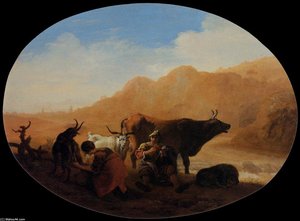
Today, his masterpieces reside in some of the world's most prestigious institutions, such as the Musée du Louvre in Paris and the Alte Pinakothek in Munich. Works like The Herdsmen and The Flagellants serve as enduring windows into a bygone era, reminding us of his unparalleled ability to find the extraordinary within the ordinary. Van Laer remains a pivotal figure whose work continues to captivate audiences with its profound humanity and its timeless celebration of life's simplest, most authentic moments.
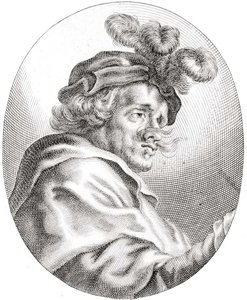
pieter boddingh van laer
1599 - 1642
プロフィール概要
- Artistic Movement Or Style: Bamboccianti
- Artists Who Influenced This Artist:
- Rembrandt van Rijn
- Jan Steen
- Date Of Birth: 1599
- Date Of Death: c. 1642
- Full Name: Pieter Boddingh van Laer
- Nationality: Dutch
- Notable Artworks:
- Departure from the Inn
- The Herdsmen
- Bentvueghels in a Roman Tavern
- Place Of Birth: Amsterdam, Netherlands

