 プレビュー
プレビュー
 プリントを購入
 シェアする
シェアする シェアする
シェアする
 詳細を見る
詳細を見る

 ダウンロード
 似ている作品
 X線調査
X線調査 スライドショー
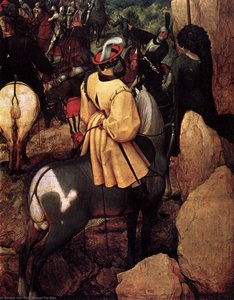
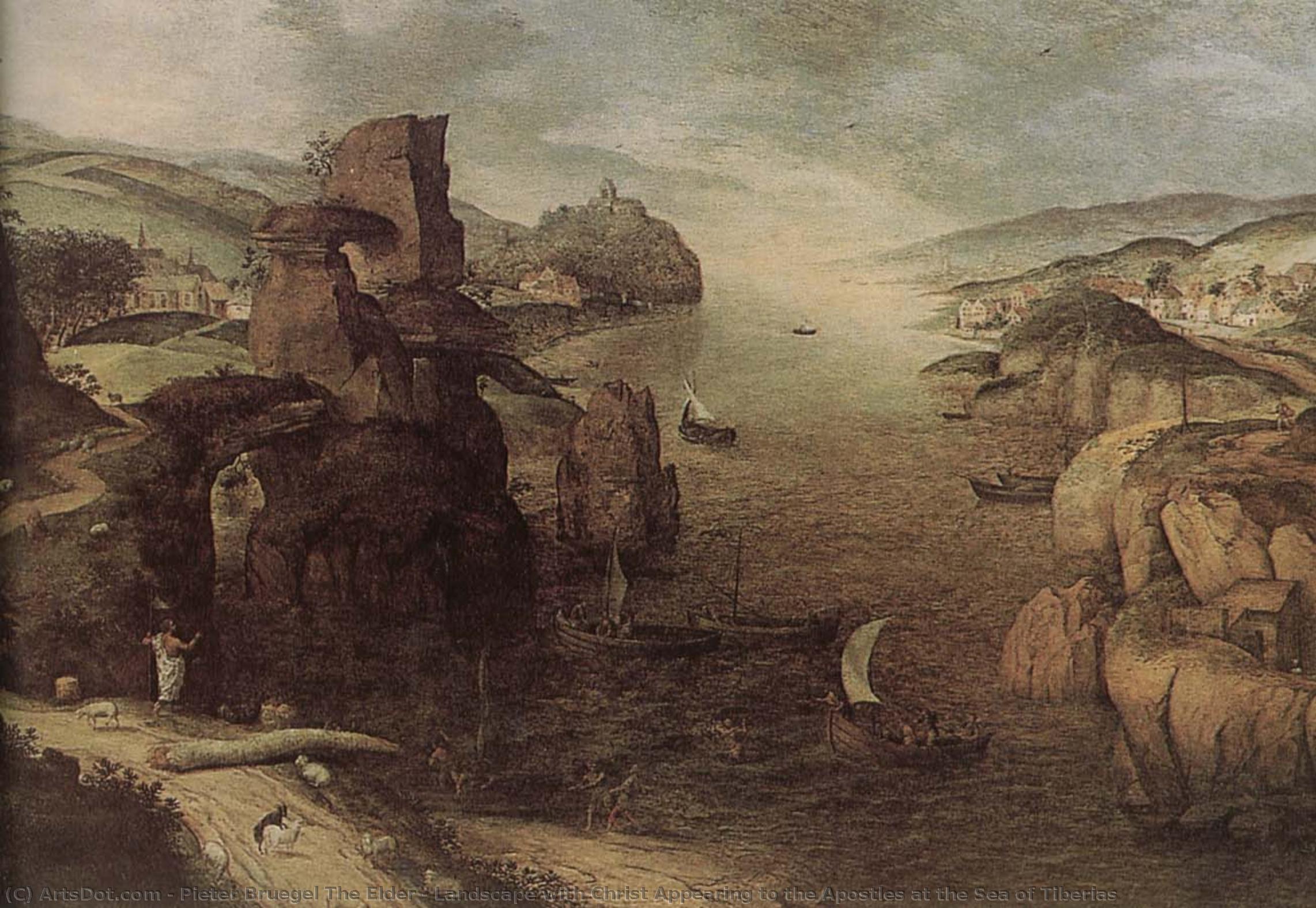
Landscape with Christ Appearing to the Apostles at the Sea of Tiberias
 Oil On Canvas
- WallArt
- Nothing
 1553
1553- Renaissance
 67.0 x 100.0 cm
 詳細を見る
詳細を見る




P118B $10

P118H $10

P118W $10

P438Z $10

P508JH $12

P508YH $12

P805H $10

P805Z $10

P919BZ $10

P919G $10

P919XJ $10

P959ZH $10

P968JZ $12

W106C $8

W218G $10

W218JH $8

W218Y $10

W307PJ $10

W316G $10

W316PJ $8

W316Y $10

W398PJ $8

W4111J $10

W500HY $15

W500JH $15

W692G $12

W849H $8

W940BG $15

W953PJ $8




作品のオリジナル比率に合わせた、当店の規定サイズからお選びください。

特定のフレームやスペースに合わせて、ご希望のサイズをご入力いただけます。選択されたサイズが元の画像の比率と異なる場合、アートワークをトリミングするか、手描きで要素を追加して絵画を拡張いたします。デジタルモックアップ を制作し、制作開始前にご確認(承認)をいただきます。
画面上のプレビューは、実際のトリミングや拡張を正確に反映しているものではありません。最終的な構図は、モックアップによってのみ正確にご確認いただけます。
カスタムサイズもご利用いただけますが、元の比率を維持するためには、あらかじめ用意されたリストからサイズを選択することをお勧めいたします。
ご注文後、ArtsDot.com チームより詳細な指示をお送りするとともに、仕上がりイメージ(モックアップ)をご提供いたします。


 ガラスオプションは、110cm未満のサイズでのみご利用いただけます。

Landscape with Christ Appearing to the Apostles at the Sea of Tiberias
複製技法
複製画のサイズ
-


合計金額
$ 263
Captivating Subject and Composition
This exquisite landscape captures a profound biblical moment—the appearance of Christ to the apostles at the Sea of Tiberias. The scene is rendered with a masterful balance of natural beauty and spiritual significance, inviting viewers into a moment of divine revelation and human reflection. The expansive river, winding through lush terrain, serves as a symbolic conduit between the earthly and the divine, emphasizing themes of faith, renewal, and hope. Small boats and figures scattered along the shoreline evoke a sense of humble devotion and everyday life, grounding the sacred event in a relatable, pastoral setting.Artistic Style and Technique
Created in 1553, this work exemplifies Pieter Bruegel the Elder’s mastery of realistic landscape painting, characterized by meticulous detail and a harmonious composition. The artist employs fine brushwork and layered glazes to achieve depth and subtle tonal variations, capturing the soft glow of a sunset sky blending pink, orange, purple, and gold. The subdued earthy palette, combined with delicate light and shadow, enhances the tranquil mood and emphasizes the naturalistic textures of rocks, foliage, and water. The slightly elevated perspective offers a panoramic view, allowing viewers to immerse themselves in the vastness and serenity of the scene.Historical Context and Artistic Significance
Produced during the Renaissance, this painting reflects Bruegel’s innovative approach to landscape as a central subject, moving beyond mere background to become a narrative element in its own right. While renowned for his peasant scenes and moral allegories, Bruegel’s landscapes often carry symbolic and spiritual undertones, as seen here. The work embodies the period’s fascination with nature’s beauty and divine intervention, aligning with the broader cultural movement that celebrated humanism and religious reflection. Its balanced composition and realistic detail exemplify the artist’s dedication to capturing the natural world with both accuracy and poetic depth.Symbolism and Emotional Impact
The tranquil scene evokes a sense of peace, contemplation, and spiritual awakening. The calm waters and gentle sunset symbolize hope, divine presence, and the promise of renewal. The subtle interplay of light and shadow invites viewers to reflect on the divine’s subtle yet profound influence in everyday life. This artwork’s serene atmosphere and meticulous detail foster a meditative experience, inspiring awe and reverence. It is a perfect piece for those seeking a meaningful, contemplative work that elevates any space with its spiritual depth and natural beauty.Perfect for Collection and Interior Design
This high-quality reproduction offers art lovers, collectors, and interior designers an opportunity to bring a timeless masterpiece into their environment. Its harmonious composition and evocative subject make it an ideal focal point in living rooms, studies, or spiritual spaces. The artwork’s rich colors and detailed execution add depth and sophistication, creating an atmosphere of tranquility and inspiration. Whether displayed as a centerpiece or a complementary accent, this painting transforms any interior into a sanctuary of beauty, reflection, and artistic excellence.関連作品

アーティストの略歴
Pieter Bruegel the Elder (c. 1525–1569): Renaissance Master of Landscapes & Peasant Life
Pieter Bruegel the Elder emerged during a period of profound transformation, a time when the artistic landscape of Europe was shifting from the High Renaissance ideals of Italy towards the burgeoning complexities of Northern European expression. Born sometime between 1525 and 1530, likely in Breda – though details surrounding his early life remain somewhat elusive – Bruegel’s formative years unfolded amidst religious upheaval and a flourishing merchant culture. He began his artistic journey around 1545 as an apprentice to Pieter Coecke van Aelst, a respected Antwerp painter known for both his artistry and his designs for tapestries. This apprenticeship provided Bruegel with a solid grounding in the technical skills of oil painting and drawing, but perhaps more importantly, it exposed him to the humanist currents that were beginning to permeate intellectual circles. Van Aelst’s workshop was not merely a place of artistic instruction; it was a crucible where traditional techniques met new ideas, shaping Bruegel's future vision.Early Life & Artistic Training
The exact circumstances surrounding Bruegel’s birth are debated by historians, with speculation centering on Breda or the village Son of Bruegel – both located in what is now the Netherlands. However, during the sixteenth century, Brabant was part of the Habsburg Empire and ruled by Spain, influencing Bruegel's formative years. Around 1545, he commenced his artistic education under Pieter Coecke van Aelst’s tutelage in Antwerp, mastering the foundational skills of oil painting and drawing – techniques that would become hallmarks of his distinctive style. Van Aelst’s workshop wasn’t simply a conduit for technical proficiency; it fostered an environment where established traditions wrestled with emerging humanist philosophies, profoundly shaping Bruegel's artistic worldview. This exposure to humanist thought contrasted sharply with the dominant religious dogma of the era, prompting Bruegel to question conventional representations and explore new avenues of expression.Travels & Artistic Influences: Embracing Italian Renaissance Ideals
Between 1551 and 1553, Bruegel undertook extensive expeditions through France, Switzerland, and Italy – journeys that irrevocably molded his artistic sensibilities. While in Italy, he encountered the monumental works of Renaissance masters like Leonardo da Vinci and Michelangelo, absorbing their stylistic innovations and compositional grandeur. However, Bruegel’s temperament remained firmly rooted in Northern European tradition; he didn't merely emulate Italian aesthetics but skillfully integrated them into his own unique vision. The Alps, with their dramatic peaks and valleys, captivated him deeply, influencing the spatial organization and atmospheric perspective characteristic of many of his later landscapes. These travels weren’t mere sightseeing excursions; they were immersive explorations designed to stimulate observation and cultivate intellectual curiosity—activities that would fuel Bruegel's artistic creativity for decades to come. Notably, he was influenced by Hieronymus Bosch, whose unsettling imagery and symbolic narratives foreshadowed the darker themes that would permeate Bruegel’s oeuvre.The Flourishing Antwerp Workshop & Artistic Breakthrough
In 1553, Bruegel established himself as a free master in the Guild of Saint Luke in Antwerp—a pivotal moment signifying his professional independence and securing him recognition within the city's vibrant artistic milieu. Simultaneously, he married Pieter Coecke van Aelst’s daughter, cementing his familial ties and bolstering his social standing. Recognizing the potential for commercial success alongside artistic fulfillment, Bruegel partnered with Hieronymus Cock, whose Antwerp publishing house skillfully disseminated prints featuring Bruegel’s designs—a collaborative venture that propelled his work across Europe and established him as a leading figure in printmaking. This association fostered both financial stability and access to intellectual discourse, nurturing Bruegel's artistic development and propelling him toward groundbreaking achievements.A Unique Vision: Landscapes & Peasant Life – Defining the Northern Renaissance
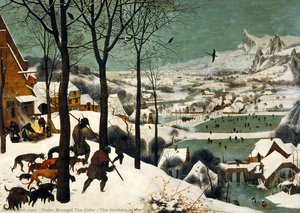
Bruegel’s true genius resided in his subject matter—a deliberate departure from the prevailing conventions of Renaissance painting, which predominantly focused on religious iconography or classical mythology. Instead, he turned his gaze to the everyday lives of ordinary people—peasants laboring in fields, villagers celebrating festivals, and hunters traversing snowy landscapes—subjects that would become synonymous with the Northern Renaissance aesthetic. This wasn’t a rejection of established artistic traditions but rather an elevation of the mundane to the level of sublime artistry—a bold assertion that challenged prevailing perceptions of beauty and significance. His landscapes weren't merely scenic backgrounds; they were active participants in narrative unfolding, imbued with symbolic resonance and reflecting a profound understanding of nature’s power and vulnerability. Paintings like *The Hunters in the Snow* exemplify Bruegel’s meticulous attention to detail and masterful manipulation of atmospheric perspective—techniques that would become foundational to subsequent developments in landscape painting. Furthermore, he skillfully captured the humor and pathos inherent in human experience—themes that resonated deeply with audiences across centuries.Legacy & Enduring Influence
Pieter Bruegel the Elder's artistic legacy extends far beyond his own lifetime, profoundly influencing generations of artists who followed him—most notably Isaac van Ostade and Adriaen Brouwer—who embraced his distinctive style and explored similar themes. His pioneering approach to landscape painting paved the way for later developments in the genre, inspiring artists to capture the grandeur and beauty of the natural world with unprecedented realism and expressive power. Beyond painting, Bruegel’s work continues to captivate audiences today, appearing prominently in films like Andrei Tarkovsky's *Solaris* (1972) and Lars von Trier’s *Melancholia* (2011)—demonstrating the enduring resonance of his imagery and cementing his place as one of the most influential figures in art history. He died in Brussels in 1569 at a relatively young age—a testament to his unwavering dedication to artistic innovation and a poignant reminder of the transformative power of vision.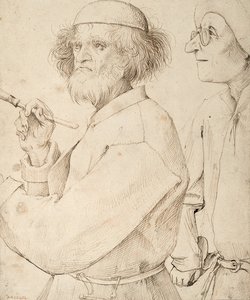
ピエートル・ブーゲル・ザ・イルダー
1525 - 1569 , ベルギー
基本情報
- Artistic Movement Or Style: Renaissance painting
- Artists Or Movements Influenced By This Artist: ['Dutch Golden Age painting']
- Artists Who Influenced This Artist: ['Hieronymus Bosch']
- Date Of Birth: c. 1525
- Date Of Death: 1569
- Full Name: Pieter Bruegel I
- Nationality: Flemish
- Notable Artworks:
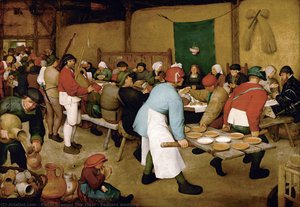
- Landscape with the Flight into Egypt
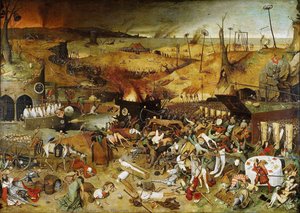
- The Triumph of Death
- Peasant Wedding
- Hunters in the Snow
- Place Of Birth: Breda, Netherlands
関連記事

ロマン派ランドスケープ:時代を彩る巨匠の10選|アートとインテリアの世界
ロマン派絵画の時代を彩る10選。巨匠たちの風景が織りなす感動の世界へ。ターナー、ルーベンスなど、名作の裏話と高精細複製でアートをお部屋に。ArtsDot.comで至福のアート体験を。

Evocations of Place: A Historical Journey Through Landscape Art
Explore the rich history of landscape art with ArtsDot. Discover renowned artists, movements like Impressionism & Romanticism, and expert guidance for collecting timeless pieces. Find your perfect serene escape today!

ジョン・コンスタブルの傑作25選:英国風景画の巨匠が描く自然と光の詩 | ArtsDot
ジョン・コンスタブルの傑作25選。英国風景画の巨匠が描く自然と光の詩の世界へ。ロマン主義を代表する絵画、デダム・ヴェールやヘイ・ウェインなど、ArtsDotで高品質なアートプリントをお楽しみください。インテリアに深みと感動を。コレクションはこちら。
Evoking Nature's Sublime: A Comprehensive Exploration of 19th-Century Landscape Painting
Explore the captivating world of 19th-century landscape painting! Discover renowned artists like Friedrich & Monet, key movements, and find the perfect artwork to bring nature's serenity into your home. Expert insights at ArtsDot.

Evocations of Place: A Historical Journey Through Landscape Art
Explore the rich history of landscape art with ArtsDot. Discover renowned artists, movements like Impressionism & tonalism, and expert guidance for collecting timeless pieces. Find your perfect serene escape today!