

 プレビュー
プレビュー
 プリントを購入
 シェアする
シェアする シェアする
シェアする
 詳細を見る
詳細を見る

 ダウンロード
 似ている作品
 X線調査
X線調査 スライドショー
Pieter Bruegel the Elder

 詳細を見る
詳細を見る
オンラインプレビューをはるかに凌ぐ、高解像度で鮮明なデジタル画像をご購入いただけます。
各ファイルは、社内の専門家が高度なツールと熟練した手作業によるレタッチを用いて、細心の注意を払って準備されています。すべての画像において、卓越した鮮明度、正確な色彩再現性、そして繊細なディテールを保証いたします。
最終ファイルは、プロフェッショナルな編集・印刷環境ですぐにご利用いただけるよう最適化された状態で、72時間以内にメールにてお届けいたします。これは、一流のデザインスタジオ、出版社、ギャラリーから信頼されているものと同等の品質です。
デジタル画像のご注文に付随する特典
高品質なデジタル画像配信を、確かな品質で。
ArtsDot.com を選ぶことは、単に画像を手に入れることではありません。それは、プロの手によって精密に仕上げられ、満足保証が付いた高品質なデジタルアートワークを受け取ることを意味します。ご注文いただいた際に自動的に付随する内容は、以下の通りです:

メールですぐにお届け
ご注文から72時間以内に、高解像度のデジタル画像ファイルがメールでお手元に届きます。すぐにそのままご利用いただけます。

AI技術で最適化されたデジタルファイル
お客様の作品は、高度なAIツールと専門家による手作業の編集を組み合わせてプロフェッショナルに最適化されており、細部のディテール、鮮明さ、そして正確な色再現性を最大限に引き出しています。

一生涯無料の再送サービス
ファイルを誤って削除したり、紛失してしまったりしましたか?ご安心ください。いつでも無料で再送いたします。

輸入手数料は一切かかりません
関税や手数料、配送料を気にすることなく、お気に入りのアートワークをすぐにお楽しみいただけます。デジタルダウンロードは常に免税です。

色彩再現の保証
プロ仕様のツールとカラーマネジメント技術を用いることで、デジタル画像が元の色を最大限に忠実に再現することを保証いたします。

60日間満足保証
ご購入いただいたデジタル画像にご満足いただけない場合は、60日以内であれば、修正または100%の返金(理由を問う必要はありません)をさせていただきます。

100% 返金保証
ご満足いただけない場合は、デジタルファイルを受け取ってから60日以内であれば、理由を問わず全額返金いたします。

まとめ買い割引
3枚購入で10%OFF - 5枚購入で15%OFF - 10枚以上購入で20%OFF。クリエイティブなプロジェクト、ギャラリー、エージェンシーに最適です。
作品の詳細
Pieter Bruegel the Elder: A Portrait of Renaissance Observation
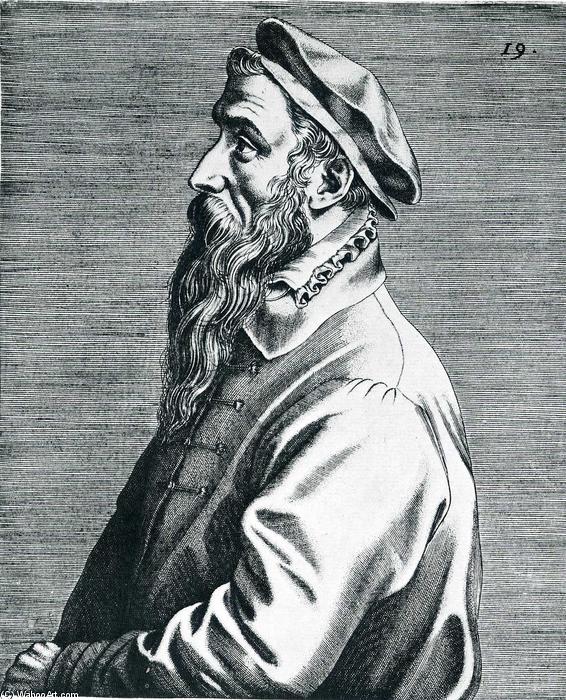
Pieter Bruegel the Elder stands as a cornerstone of Northern Renaissance art, embodying a unique blend of meticulous realism and profound social commentary. This engraving, produced sometime around 1560 – though precise dating remains elusive – offers an intimate glimpse into the artist’s visage and reflects the artistic sensibilities prevalent during his era.
The artwork's monochromatic palette—a masterful deployment of shades of gray—immediately establishes a tone of solemn contemplation. Rather than striving for vibrant color, Bruegel prioritized tonal variation to sculpt form and texture with remarkable precision. Hatching and cross-hatching techniques dominate the rendering of facial features, clothing folds, and the hat’s brim, demonstrating the artist's mastery of engraving technique.
- Composition: Centered on Bruegel’s head and shoulders, the portrait eschews extraneous detail, directing all visual attention to the subject’s countenance. His gaze directs upwards and slightly to the right, conveying a sense of quiet observation—a characteristic trait of Renaissance humanist thought.
- Technique: Executed with exceptional skill in engraving, the image utilizes fine lines to achieve shading and delineate contours. The process involved meticulously transferring an inked design onto a copper plate, resulting in a crisp, detailed print that captures Bruegel’s likeness with remarkable accuracy.
- Lighting: Subtle directional lighting—presumably originating from above and slightly to the left—highlights key areas of Bruegel's face, emphasizing his forehead, nose, and hat brim. This careful manipulation of light contributes significantly to the portrait’s three-dimensional quality.
Beyond its technical prowess, the engraving possesses a subtle emotional resonance. The dignified pose and attentive gaze speak volumes about Bruegel's intellectual curiosity and artistic dedication—qualities that align perfectly with the humanist ideals shaping European culture during his lifetime.
A Window into Renaissance Humanism
Bruegel’s work is inextricably linked to the broader context of the Northern Renaissance, a movement characterized by a renewed interest in classical learning alongside a burgeoning concern for earthly realities. Unlike the idealized figures favored by Italian artists of the High Renaissance, Bruegel depicted human subjects with unflinching honesty, capturing both their beauty and their vulnerabilities.
His landscapes—particularly scenes depicting rural life—are infused with symbolic meaning, reflecting anxieties about mortality and the precariousness of existence. Consider “The Tower of Babel,” a monumental painting completed in 1563 that powerfully conveys the futility of human ambition against the backdrop of divine judgment – a theme resonating deeply within humanist philosophy.
Exploring Flemish Artistic Legacy
Pieter Bruegel’s influence extends far beyond his own lifetime, shaping subsequent generations of artists and cementing his place as one of Flanders' most celebrated painters. His meticulous attention to detail and masterful use of engraving technique continue to inspire admiration today.
- Notable Works: Explore iconic pieces like “The Hunters in the Snow,” a breathtaking winter landscape showcasing Bruegel’s unparalleled skill in capturing atmospheric conditions, or “Peasant Wedding,” a vibrant depiction of Flemish social life brimming with color and narrative detail.
- Museum Collections: Admire reproductions of Bruegel's masterpieces at museums across Europe and North America – including the Rijksmuseum in Amsterdam and The Metropolitan Museum of Art in New York – offering unparalleled access to this pivotal artistic achievement.
A reproduction of Pieter Bruegel’s portrait offers more than just a visual representation; it provides a tangible connection to a transformative period in European art history—a testament to the enduring power of observation and humanist contemplation.
関連作品

作家の略歴
Pieter Bruegel the Elder (c. 1525–1569): Renaissance Master of Landscapes & Peasant Life
Pieter Bruegel the Elder emerged during a period of profound transformation, a time when the artistic landscape of Europe was shifting from the High Renaissance ideals of Italy towards the burgeoning complexities of Northern European expression. Born sometime between 1525 and 1530, likely in Breda – though details surrounding his early life remain somewhat elusive – Bruegel’s formative years unfolded amidst religious upheaval and a flourishing merchant culture. He began his artistic journey around 1545 as an apprentice to Pieter Coecke van Aelst, a respected Antwerp painter known for both his artistry and his designs for tapestries. This apprenticeship provided Bruegel with a solid grounding in the technical skills of oil painting and drawing, but perhaps more importantly, it exposed him to the humanist currents that were beginning to permeate intellectual circles. Van Aelst’s workshop was not merely a place of artistic instruction; it was a crucible where traditional techniques met new ideas, shaping Bruegel's future vision.Early Life & Artistic Training
The exact circumstances surrounding Bruegel’s birth are debated by historians, with speculation centering on Breda or the village Son of Bruegel – both located in what is now the Netherlands. However, during the sixteenth century, Brabant was part of the Habsburg Empire and ruled by Spain, influencing Bruegel's formative years. Around 1545, he commenced his artistic education under Pieter Coecke van Aelst’s tutelage in Antwerp, mastering the foundational skills of oil painting and drawing – techniques that would become hallmarks of his distinctive style. Van Aelst’s workshop wasn’t simply a conduit for technical proficiency; it fostered an environment where established traditions wrestled with emerging humanist philosophies, profoundly shaping Bruegel's artistic worldview. This exposure to humanist thought contrasted sharply with the dominant religious dogma of the era, prompting Bruegel to question conventional representations and explore new avenues of expression.Travels & Artistic Influences: Embracing Italian Renaissance Ideals
Between 1551 and 1553, Bruegel undertook extensive expeditions through France, Switzerland, and Italy – journeys that irrevocably molded his artistic sensibilities. While in Italy, he encountered the monumental works of Renaissance masters like Leonardo da Vinci and Michelangelo, absorbing their stylistic innovations and compositional grandeur. However, Bruegel’s temperament remained firmly rooted in Northern European tradition; he didn't merely emulate Italian aesthetics but skillfully integrated them into his own unique vision. The Alps, with their dramatic peaks and valleys, captivated him deeply, influencing the spatial organization and atmospheric perspective characteristic of many of his later landscapes. These travels weren’t mere sightseeing excursions; they were immersive explorations designed to stimulate observation and cultivate intellectual curiosity—activities that would fuel Bruegel's artistic creativity for decades to come. Notably, he was influenced by Hieronymus Bosch, whose unsettling imagery and symbolic narratives foreshadowed the darker themes that would permeate Bruegel’s oeuvre.The Flourishing Antwerp Workshop & Artistic Breakthrough
In 1553, Bruegel established himself as a free master in the Guild of Saint Luke in Antwerp—a pivotal moment signifying his professional independence and securing him recognition within the city's vibrant artistic milieu. Simultaneously, he married Pieter Coecke van Aelst’s daughter, cementing his familial ties and bolstering his social standing. Recognizing the potential for commercial success alongside artistic fulfillment, Bruegel partnered with Hieronymus Cock, whose Antwerp publishing house skillfully disseminated prints featuring Bruegel’s designs—a collaborative venture that propelled his work across Europe and established him as a leading figure in printmaking. This association fostered both financial stability and access to intellectual discourse, nurturing Bruegel's artistic development and propelling him toward groundbreaking achievements.A Unique Vision: Landscapes & Peasant Life – Defining the Northern Renaissance
Bruegel’s true genius resided in his subject matter—a deliberate departure from the prevailing conventions of Renaissance painting, which predominantly focused on religious iconography or classical mythology. Instead, he turned his gaze to the everyday lives of ordinary people—peasants laboring in fields, villagers celebrating festivals, and hunters traversing snowy landscapes—subjects that would become synonymous with the Northern Renaissance aesthetic. This wasn’t a rejection of established artistic traditions but rather an elevation of the mundane to the level of sublime artistry—a bold assertion that challenged prevailing perceptions of beauty and significance. His landscapes weren't merely scenic backgrounds; they were active participants in narrative unfolding, imbued with symbolic resonance and reflecting a profound understanding of nature’s power and vulnerability. Paintings like *The Hunters in the Snow* exemplify Bruegel’s meticulous attention to detail and masterful manipulation of atmospheric perspective—techniques that would become foundational to subsequent developments in landscape painting. Furthermore, he skillfully captured the humor and pathos inherent in human experience—themes that resonated deeply with audiences across centuries.Legacy & Enduring Influence
Pieter Bruegel the Elder's artistic legacy extends far beyond his own lifetime, profoundly influencing generations of artists who followed him—most notably Isaac van Ostade and Adriaen Brouwer—who embraced his distinctive style and explored similar themes. His pioneering approach to landscape painting paved the way for later developments in the genre, inspiring artists to capture the grandeur and beauty of the natural world with unprecedented realism and expressive power. Beyond painting, Bruegel’s work continues to captivate audiences today, appearing prominently in films like Andrei Tarkovsky's *Solaris* (1972) and Lars von Trier’s *Melancholia* (2011)—demonstrating the enduring resonance of his imagery and cementing his place as one of the most influential figures in art history. He died in Brussels in 1569 at a relatively young age—a testament to his unwavering dedication to artistic innovation and a poignant reminder of the transformative power of vision.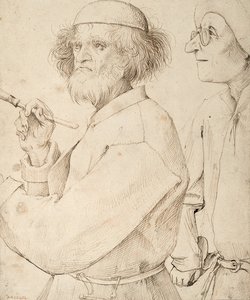
ピエートル・ブーゲル・ザ・イルダー
1525 - 1569 , ベルギー
プロフィール概要
- Artistic Movement Or Style: Renaissance painting
- Artists Or Movements Influenced By This Artist: ['Dutch Golden Age painting']
- Artists Who Influenced This Artist: ['Hieronymus Bosch']
- Date Of Birth: c. 1525
- Date Of Death: 1569
- Full Name: Pieter Bruegel I
- Nationality: Flemish
- Notable Artworks:
- Landscape with the Flight into Egypt
- The Triumph of Death
- Peasant Wedding
- Hunters in the Snow
- Place Of Birth: Breda, Netherlands

