 プレビュー
プレビュー
 シェアする
シェアする シェアする
シェアする
 詳細を見る
詳細を見る

 ダウンロード
 似ている作品
 X線調査
X線調査 スライドショー
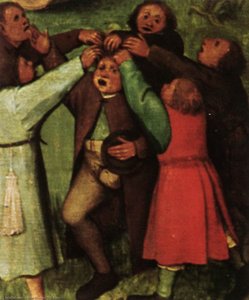
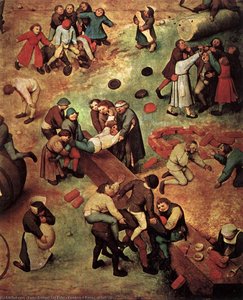
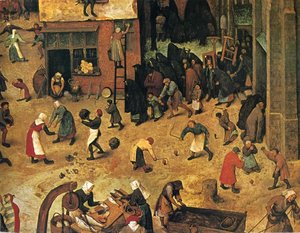
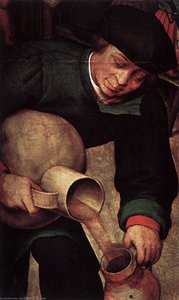
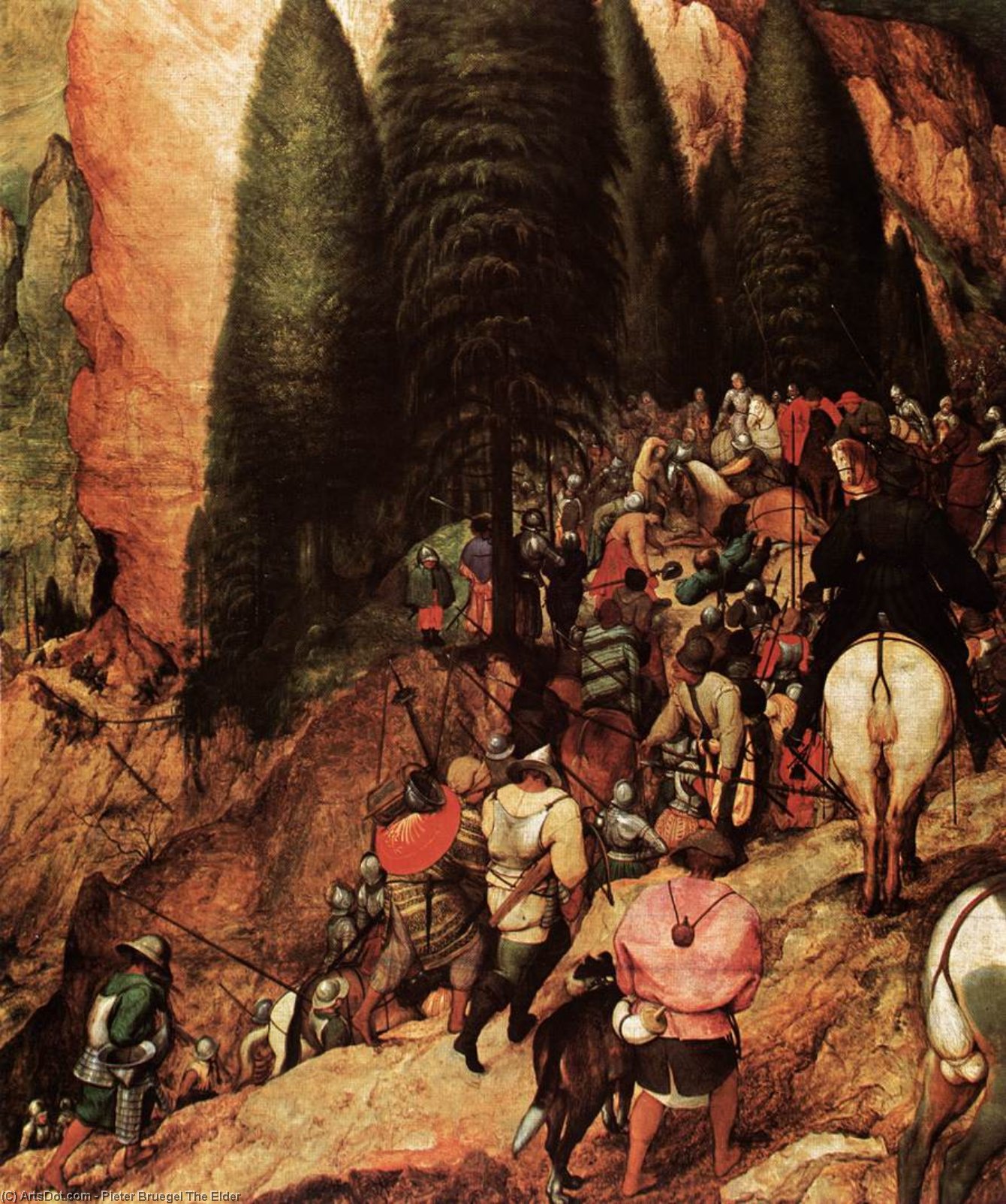
サウロの回心(細部)


 詳細を見る
詳細を見る
ジークレー/アートプリント
迅速な制作と多彩な仕上げオプションを備えた、ミュージアムクオリティのジークレーまたはキャンバスプリント。 ( 手描きの絵画を購入 画像を購入)




P118B $10

P118H $10

P118W $10

P438Z $10

P508JH $12

P508YH $12

P805H $10

P805Z $10

P919BZ $10

P919G $10

P919XJ $10

P959ZH $10

P968JZ $12

W106C $8

W218G $10

W218JH $8

W218Y $10

W307PJ $10

W316G $10

W316PJ $8

W316Y $10

W398PJ $8

W4111J $10

W500HY $15

W500JH $15

W692G $12

W849H $8

W940BG $15

W953PJ $8




作品のオリジナル比率に合わせた、当店の規定サイズからお選びください。

特定のフレームやスペースに合わせて、ご自身でサイズを指定することも可能です。選択されたサイズが元の画像の比率と一致しない場合、作品をトリミングするか、鏡面反射または単色での塗りつぶしによって画像を拡張いたします。制作を開始する前に、ご確認用のデジタルモックアップをお送りいたします。
画面上のプレビューには、実際のトリミングや拡張は反映されませんのでご注意ください。最終的な構図を正確に確認できるのは、モックアップのみとなります。
カスタムサイズも承っておりますが、元の比率を維持するためには、あらかじめ用意されたリストからサイズを選択することをお勧めいたします。


 ガラスオプションは、110cm未満のサイズでのみご利用いただけます。

サウロの回心(細部)
ジークレー/アートプリント
複製画のサイズ
-


合計金額
$ 62
作品詳細説明
神の介入の瞬間:ブーゲルの「サウロの回心」を紐解く
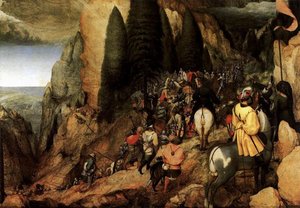
ピエートル・ブーゲル・ザ・イルダーによる「サウロの回心」――この見事なパネル画の細部には、単なる聖書の出来事の描写を超えたものが宿っています。それは、信仰と変容に葛藤する人間体験を、鮮やかで、どこか混沌としたスナップショットとして捉えたものです。1567年に完成し、現在はウィーンの美術史美術館に収蔵されているこの作品は、宗教的な主題を超越し、変化、疑念、そして最終的な精神的覚醒という、人類が持つ可能性への深い瞑想へと昇華されています。壮大な物語とともに日常の営みを捉えることに長けたブーゲルは、理想化された表現を避け、今日においても驚くほど現代的に感じられる、生々しく直接的な描写を選び取っています。
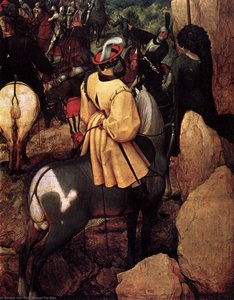
場面は、息を呑むような臨場感とともに展開します。ダマスカスへと向かう途上のサウロは、目もくらむような光に打たれ、馬から転落します。画面構成は決して静止していません。周囲の人々の慌てふためく身振り、立ち上がる馬、困惑して吠える犬たち――それらすべてが、劇的な緊迫感を生み出しています。ブーゲルの天才性は、これらの細部を緻密に描き出したことだけでなく、サウロの体験の深遠さを物語るような感情的な響きを、描写に吹き込んだ点にあります。少なくとも13人の人物が、それぞれ独自の個性と表情を持って描かれており、その数そのものが、非日常的な出来事に対する人間の反応の縮図を作り上げているのです。
画家のパレット:技法とリアリズム
パネルに油彩を施すブーゲルの卓越した技法は、一目で明らかです。絵具の質感は豊かで層を成しており、色彩と筆致に対する彼の意図的なアプローチが露わになっています。彼はリアリズムと象徴主義を融合させ、聖書の物語を、誰もが認識できるような、どこか土の匂いがする現実的な舞台に根付かせました。光の使い方にも注目してください。それは神聖なスポットライトとしてではなく、サウロットの転落を照らし出し、見守る人々の顔に影を落とす、実体を持った力として機能しています。衣服のひだから馬のたてがみの毛一本一本に至るまで、その細部へのこだわりは驚異的であり、ブーゲルによる比類なき観察眼と技術の高さを示しています。
- カラーパレット: 大地を思わせる茶色、オーカー(黄土色)、そして落ち着いた緑色が主体となり、風景とその素朴な舞台設定を反映しています。
- 質感: 厚塗りのインパスト技法が触覚的な質感を生み出し、鑑賞者は道の荒々しさや馬の重みを、まるで肌で感じるかのような感覚に誘われます。
- 構図のダイナミズム: ブーゲルは対角線と人物の重なりを巧みに操ることで、動きと奥行きを生み出し、鑑賞者の視線を画面全体へと導きます。
16世紀ヨーロッパへの窓
「サウロの回心」は、単なる宗教画ではありません。それは16世紀ヨーロッパの社会的、文化的景観を覗く窓なのです。馬、犬、人々といった日常的な生活に焦点を当てたブーゲルの視点は、芸術の優先順位が宮廷的な肖像画や神話的な場面から、ありふれた人間性の描写へと移行していたことを反映しています。ピンク色の傘のような、一見すると些細なディテールの挿入は、絵画にリアリズムを加え、重大な出来事の文脈の中に存在する、こうした日常的な品々の意味について鑑賞者に思索を促します。
さらに、ブーゲルの作品は当時のより広範な芸術的潮流とも共鳴しています。劇的な構図と細部へのこだわりで知られるハンス・ホルバイン(子)のような画家たちと、彼は親和性を共有しています。興味深いことに、ブーゲルの作品は、W.H.オーデン(詩「美術館」において)、アンドレイ・タルコフスキー、ラース・フォン・トリアールといった影響力のある人物たちによって引用されており、数世紀を経てもなお、思考を刺激し芸術的な解釈を呼び起こす不朽の力を証明しています。
歴史を身近に:ArtsDot.com の複製画
ArtsDot.comでは、ブーゲルの「サウロの回心」(細部)の、細部まで精巧に作られた油彩複製画をご用意しています。これにより、アート愛好家の皆様は、この傑作の美しさと複雑さを直接体験することができます。私たちの熟練した職人は、豊かな質感から微妙な色彩の変化に至るまで、ブーゲルの技法のあらゆるニュアンスを再現し、お手元の複製画がオリジナルの本質を捉えるよう努めています。これらの複製画は単なるコピーではありません。それ自体が独立した芸術作品であり、壁を彩り、会話のきっかけを作るのに最適です。複製画の詳細はこちらから。
ピエートル・ブーゲル・ザ・イルダーとその芸術的遺産についてさらに詳しく知りたい方は、Wikipediaをご覧ください。
アーティストの略歴
Pieter Bruegel the Elder (c. 1525–1569): Renaissance Master of Landscapes & Peasant Life
Pieter Bruegel the Elder emerged during a period of profound transformation, a time when the artistic landscape of Europe was shifting from the High Renaissance ideals of Italy towards the burgeoning complexities of Northern European expression. Born sometime between 1525 and 1530, likely in Breda – though details surrounding his early life remain somewhat elusive – Bruegel’s formative years unfolded amidst religious upheaval and a flourishing merchant culture. He began his artistic journey around 1545 as an apprentice to Pieter Coecke van Aelst, a respected Antwerp painter known for both his artistry and his designs for tapestries. This apprenticeship provided Bruegel with a solid grounding in the technical skills of oil painting and drawing, but perhaps more importantly, it exposed him to the humanist currents that were beginning to permeate intellectual circles. Van Aelst’s workshop was not merely a place of artistic instruction; it was a crucible where traditional techniques met new ideas, shaping Bruegel's future vision.Early Life & Artistic Training
The exact circumstances surrounding Bruegel’s birth are debated by historians, with speculation centering on Breda or the village Son of Bruegel – both located in what is now the Netherlands. However, during the sixteenth century, Brabant was part of the Habsburg Empire and ruled by Spain, influencing Bruegel's formative years. Around 1545, he commenced his artistic education under Pieter Coecke van Aelst’s tutelage in Antwerp, mastering the foundational skills of oil painting and drawing – techniques that would become hallmarks of his distinctive style. Van Aelst’s workshop wasn’t simply a conduit for technical proficiency; it fostered an environment where established traditions wrestled with emerging humanist philosophies, profoundly shaping Bruegel's artistic worldview. This exposure to humanist thought contrasted sharply with the dominant religious dogma of the era, prompting Bruegel to question conventional representations and explore new avenues of expression.Travels & Artistic Influences: Embracing Italian Renaissance Ideals
Between 1551 and 1553, Bruegel undertook extensive expeditions through France, Switzerland, and Italy – journeys that irrevocably molded his artistic sensibilities. While in Italy, he encountered the monumental works of Renaissance masters like Leonardo da Vinci and Michelangelo, absorbing their stylistic innovations and compositional grandeur. However, Bruegel’s temperament remained firmly rooted in Northern European tradition; he didn't merely emulate Italian aesthetics but skillfully integrated them into his own unique vision. The Alps, with their dramatic peaks and valleys, captivated him deeply, influencing the spatial organization and atmospheric perspective characteristic of many of his later landscapes. These travels weren’t mere sightseeing excursions; they were immersive explorations designed to stimulate observation and cultivate intellectual curiosity—activities that would fuel Bruegel's artistic creativity for decades to come. Notably, he was influenced by Hieronymus Bosch, whose unsettling imagery and symbolic narratives foreshadowed the darker themes that would permeate Bruegel’s oeuvre.The Flourishing Antwerp Workshop & Artistic Breakthrough
In 1553, Bruegel established himself as a free master in the Guild of Saint Luke in Antwerp—a pivotal moment signifying his professional independence and securing him recognition within the city's vibrant artistic milieu. Simultaneously, he married Pieter Coecke van Aelst’s daughter, cementing his familial ties and bolstering his social standing. Recognizing the potential for commercial success alongside artistic fulfillment, Bruegel partnered with Hieronymus Cock, whose Antwerp publishing house skillfully disseminated prints featuring Bruegel’s designs—a collaborative venture that propelled his work across Europe and established him as a leading figure in printmaking. This association fostered both financial stability and access to intellectual discourse, nurturing Bruegel's artistic development and propelling him toward groundbreaking achievements.A Unique Vision: Landscapes & Peasant Life – Defining the Northern Renaissance
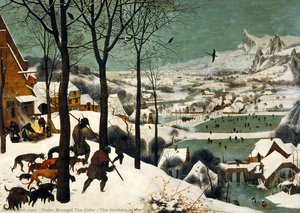
Bruegel’s true genius resided in his subject matter—a deliberate departure from the prevailing conventions of Renaissance painting, which predominantly focused on religious iconography or classical mythology. Instead, he turned his gaze to the everyday lives of ordinary people—peasants laboring in fields, villagers celebrating festivals, and hunters traversing snowy landscapes—subjects that would become synonymous with the Northern Renaissance aesthetic. This wasn’t a rejection of established artistic traditions but rather an elevation of the mundane to the level of sublime artistry—a bold assertion that challenged prevailing perceptions of beauty and significance. His landscapes weren't merely scenic backgrounds; they were active participants in narrative unfolding, imbued with symbolic resonance and reflecting a profound understanding of nature’s power and vulnerability. Paintings like *The Hunters in the Snow* exemplify Bruegel’s meticulous attention to detail and masterful manipulation of atmospheric perspective—techniques that would become foundational to subsequent developments in landscape painting. Furthermore, he skillfully captured the humor and pathos inherent in human experience—themes that resonated deeply with audiences across centuries.Legacy & Enduring Influence
Pieter Bruegel the Elder's artistic legacy extends far beyond his own lifetime, profoundly influencing generations of artists who followed him—most notably Isaac van Ostade and Adriaen Brouwer—who embraced his distinctive style and explored similar themes. His pioneering approach to landscape painting paved the way for later developments in the genre, inspiring artists to capture the grandeur and beauty of the natural world with unprecedented realism and expressive power. Beyond painting, Bruegel’s work continues to captivate audiences today, appearing prominently in films like Andrei Tarkovsky's *Solaris* (1972) and Lars von Trier’s *Melancholia* (2011)—demonstrating the enduring resonance of his imagery and cementing his place as one of the most influential figures in art history. He died in Brussels in 1569 at a relatively young age—a testament to his unwavering dedication to artistic innovation and a poignant reminder of the transformative power of vision.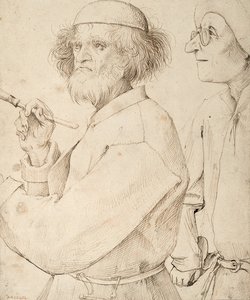
ピエートル・ブーゲル・ザ・イルダー
1525 - 1569 , ベルギー
基本情報
- Artistic Movement Or Style: Renaissance painting
- Artists Or Movements Influenced By This Artist: ['Dutch Golden Age painting']
- Artists Who Influenced This Artist: ['Hieronymus Bosch']
- Date Of Birth: c. 1525
- Date Of Death: 1569
- Full Name: Pieter Bruegel I
- Nationality: Flemish
- Notable Artworks:
- Landscape with the Flight into Egypt
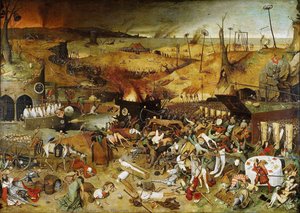
- The Triumph of Death
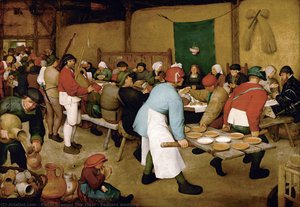
- Peasant Wedding
- Hunters in the Snow
- Place Of Birth: Breda, Netherlands
関連記事
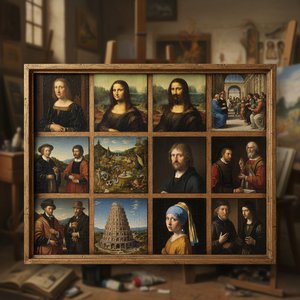
Oil on Panel Masters: 10 Paintings That Revolutionized Art |
Journey through 10 legendary 'Oil on Panel' masterpieces by Van Eyck, Bosch & Bruegel. Explore the stories behind these iconic Renaissance & Baroque paintings and find museum-quality art reproductions to elevate your home decor. Discover all masterpieces on !
Oil on Panel: A Historical Survey of Technique, Support & Aesthetic Evolution
Explore the rich history of oil on panel painting! Discover Renaissance techniques, support structures & aesthetic evolution. Expert insights for art collectors and enthusiasts.
Oil on Panel: A Historical Survey of Technique, Support, and Aesthetic Impact
Explore the rich history of oil on panel painting! Discover Renaissance techniques, support construction, & the enduring legacy of this masterful art form. Expert insights for collectors and enthusiasts.

The Enduring Legacy of Oil on Canvas: Technique, History & Aesthetic Impact
Explore the rich history & techniques of oil painting – from Renaissance masters to Impressionism. Discover pigments, layering methods, and why this timeless medium endures. Expert insights for artists & art enthusiasts.
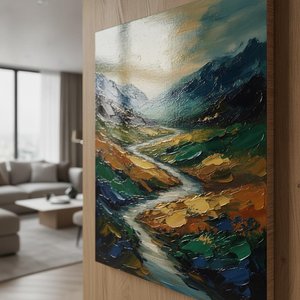
Oil on Board: A Historical Survey of Technique, Aesthetic Qualities & Enduring Appeal
Explore the rich history of oil on board painting! Discover techniques, aesthetic qualities & enduring appeal from early masters to modern practice. Expert insights for collectors and art enthusiasts.