 プレビュー
プレビュー
 プリントを購入
 シェアする
シェアする シェアする
シェアする
 詳細を見る
詳細を見る

 ダウンロード
 似ている作品
 X線調査
X線調査 スライドショー
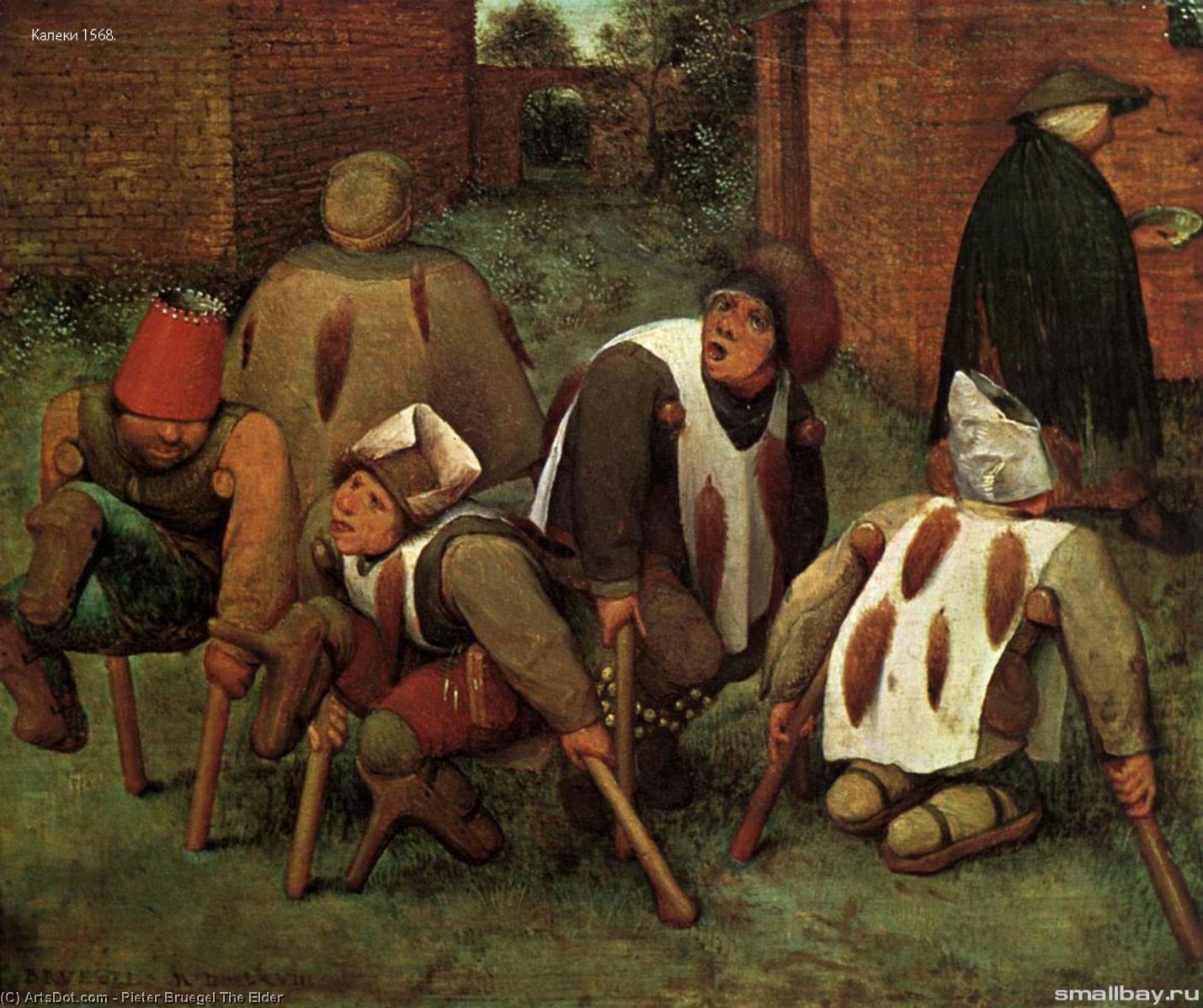
身体障害者たち


 詳細を見る
詳細を見る




P118B $10

P118H $10

P118W $10

P438Z $10

P508JH $12

P508YH $12

P805H $10

P805Z $10

P919BZ $10

P919G $10

P919XJ $10

P959ZH $10

P968JZ $12

W106C $8

W218G $10

W218JH $8

W218Y $10

W307PJ $10

W316G $10

W316PJ $8

W316Y $10

W398PJ $8

W4111J $10

W500HY $15

W500JH $15

W692G $12

W849H $8

W940BG $15

W953PJ $8




作品のオリジナル比率に合わせた、当店の規定サイズからお選びください。

特定のフレームやスペースに合わせて、ご希望のサイズをご入力いただけます。選択されたサイズが元の画像の比率と異なる場合、アートワークをトリミングするか、手描きで要素を追加して絵画を拡張いたします。デジタルモックアップ を制作し、制作開始前にご確認(承認)をいただきます。
画面上のプレビューは、実際のトリミングや拡張を正確に反映しているものではありません。最終的な構図は、モックアップによってのみ正確にご確認いただけます。
カスタムサイズもご利用いただけますが、元の比率を維持するためには、あらかじめ用意されたリストからサイズを選択することをお勧めいたします。
ご注文後、ArtsDot.com チームより詳細な指示をお送りするとともに、仕上がりイメージ(モックアップ)をご提供いたします。


 ガラスオプションは、110cm未満のサイズでのみご利用いただけます。

身体障害者たち
複製技法
複製画のサイズ
-


合計金額
$ 263
人間という条件への窓:ピエートル・ブーゲルの「身体障害者たち」
1568年に描かれ、現在はルーヴル美術館の神聖なる回廊に鎮座するピエートル・ブーゲル(父)の「身体障害者たち」は、単なる身体的障がいを持つ人々の描写に留まりません。それは、社会的な受容、人間の脆弱さ、そして困難の中に宿る静かな尊厳についての、痛切な瞑想なのです。5世紀以上も前に制作されたことを考えれば、驚くほど先見性に満力した作品と言えるでしょう。わずか18 x 21センチメートルという小規模なパネルに描かれたこの親密な油彩画は、その小ささに似合わぬ深い衝撃を放ち、見る者をその場に留まらせ、呼び起こされる複雑な感情へと深く沈潜させます。北欧ルネサンスにおける日常の真髄を捉える達人であったブーゲルは、写実主義と繊細な社会批評を見事に融合させ、今日においてもなお力強く共鳴し続けるイメージを創り上げました。構図と情景の設定:静かな絶望の集い
場面は控えめな室内、夕暮れ時か早朝の気配を感じさせる、淡い光に包まれたダイニングルームで展開されます。テーブルを囲むのは6人の男たちであり、彼ら一人ひとりの身体には、目に見える形での障害や変形が刻まれています。その姿勢は様々です。熱心に会話へと身を乗り出す者もいれば、疲れ果てた諦念とともに座る者、あるいは物思いにふける者もいます。画面右側には一人の人物が立ち、この小さな共同体を観察しています。その表情を読み解くのは困難です。それは憐れみでしょうか、好奇心でしょうか、あるいはどこか突き放したような愉悦なのでしょうか。しかし、その配置は決して混沌としたものではありません。意図的な秩序をもって人々が配置されており、違いを超えた共有された経験と、静かな連帯感を感じさせます。テーブルの存在自体が、彼らが孤立したのけ者ではなく、より大きな社会の織りなす一部であることを暗示し、共同体というテーマをさりげなく補強しています。また、使い古された衣服、簡素な調度品、そして一人ひとりの顔に刻まれた表情といった細部まで緻密に描き込まれた要素が、この情景を確かな現実へと繋ぎ止めています。象徴と歴史的背景:社会規範への挑戦
16世紀ヨーロッパの宗教的な激動と社会的な階層化が進んでいた時代に描かれた「身体障害者たち」は、障害に対する当時の支配的な態度に対し、繊細ながらも重大な批判を投げかけています。社会の視線がしばしば身体的障がいを持つ人々を社会の辺境へと追いやっていた一方で、ブーゲルは彼らを憐れみや蔑みの対象としてではなく、共通の会話に参加する能動的な主体として描き出しています。王冠、シャコー帽、ベレー帽、そしてキャップといった様々な被り物の存在は、社会的な差異を暗示しており、これらの男たちが単に身体的な限界によって定義される存在ではないことを示唆しています。美術史家の中には、一部の人物を飾るキツネの尾が、当時活動していた反乱グループ「ゲウス(物乞い)」を指しているのではないかと推測する者もおり、解釈の層をさらに深めています。この絵画の真の力は、その静かな抵抗にあります。彼らを単なる苦難の対象として描くことを拒み、尊厳と承認に値する人間として描き切った点にこそ、その本質があるのです。 <h2> ブーゲルの技法と芸術様式:細部へのマスタークラス ブーゲルの卓越した技術は、この絵画の極めて小さなサイズを考慮すると、その細部への細心の注意に顕著に表れています。パネルに施された油彩技法は、豊かな色彩と驚異的な質感をもたらしており、指先で木の粗さを感じ取れるかのようです。彼の代名詞とも言える「キアロスクーロ(明暗法)」――光と影の劇的な相互作用――は、情景に奥行きと感情的な強度を与え、鑑賞者の視線を一人ひとりの顔や仕草へと引き込みます。写実性を伝える能力と、同時に絵画に象徴的な意味を吹き込む能力の両立は、彼の芸術的天才性の証です。その小さなスケールゆえに、私たちは極めて間近な観察を強いられ、表情や形態の微細なニュアンスを真に「見る」ことを促されます。この特性こそが、本作を単なる再現を超えた芸術へと昇華させているのです。現代における意義:共感という時代を超えたメッセージ
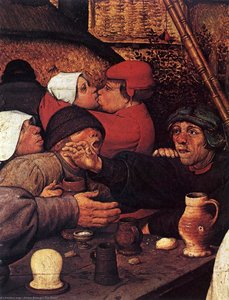
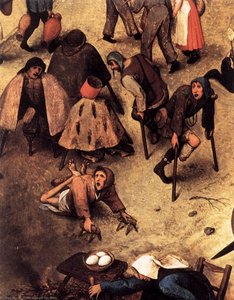
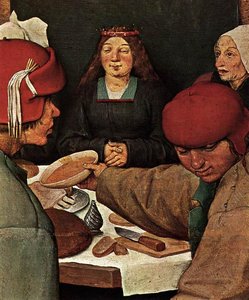
「身体障害者たち」は、制作から数世紀を経た今もなお、驚くほど現代的な響きを持っています。それは、身体的能力や社会的地位に関わらず、すべての個人に対する包摂性、慈愛、そして尊重の重要性を伝える強力なリマインダーとして機能しています。分断と偏見が特徴となりがちな現代において、ブーゲルによるこの絵画は、共感への力強い呼びかけとなっています。それは、私たちの共通の人間性を認識し、排除や疎外を永続させる社会規範に立ち向かうための切実な願いなのです。この情緒豊かな芸術作品の複製(レプリカ)は、この時代を超えたメッセージに触れ、思考を刺激し変化を促す芸術の不朽の力を考察するための貴重な機会を与えてくれます。ArtsDot.comで提供される高品質な手描き複製画を依頼し、ブーゲルの深い洞察と人間愛を象徴するこの傑作を、ご自宅やオフィスに迎え入れてみてはいかがでしょうか。それは、常にあなたの傍らで、大切な真理を語り続けてくれることでしょう。関連作品
アーティストの略歴
Pieter Bruegel the Elder (c. 1525–1569): Renaissance Master of Landscapes & Peasant Life
Pieter Bruegel the Elder emerged during a period of profound transformation, a time when the artistic landscape of Europe was shifting from the High Renaissance ideals of Italy towards the burgeoning complexities of Northern European expression. Born sometime between 1525 and 1530, likely in Breda – though details surrounding his early life remain somewhat elusive – Bruegel’s formative years unfolded amidst religious upheaval and a flourishing merchant culture. He began his artistic journey around 1545 as an apprentice to Pieter Coecke van Aelst, a respected Antwerp painter known for both his artistry and his designs for tapestries. This apprenticeship provided Bruegel with a solid grounding in the technical skills of oil painting and drawing, but perhaps more importantly, it exposed him to the humanist currents that were beginning to permeate intellectual circles. Van Aelst’s workshop was not merely a place of artistic instruction; it was a crucible where traditional techniques met new ideas, shaping Bruegel's future vision.Early Life & Artistic Training
The exact circumstances surrounding Bruegel’s birth are debated by historians, with speculation centering on Breda or the village Son of Bruegel – both located in what is now the Netherlands. However, during the sixteenth century, Brabant was part of the Habsburg Empire and ruled by Spain, influencing Bruegel's formative years. Around 1545, he commenced his artistic education under Pieter Coecke van Aelst’s tutelage in Antwerp, mastering the foundational skills of oil painting and drawing – techniques that would become hallmarks of his distinctive style. Van Aelst’s workshop wasn’t simply a conduit for technical proficiency; it fostered an environment where established traditions wrestled with emerging humanist philosophies, profoundly shaping Bruegel's artistic worldview. This exposure to humanist thought contrasted sharply with the dominant religious dogma of the era, prompting Bruegel to question conventional representations and explore new avenues of expression.Travels & Artistic Influences: Embracing Italian Renaissance Ideals
Between 1551 and 1553, Bruegel undertook extensive expeditions through France, Switzerland, and Italy – journeys that irrevocably molded his artistic sensibilities. While in Italy, he encountered the monumental works of Renaissance masters like Leonardo da Vinci and Michelangelo, absorbing their stylistic innovations and compositional grandeur. However, Bruegel’s temperament remained firmly rooted in Northern European tradition; he didn't merely emulate Italian aesthetics but skillfully integrated them into his own unique vision. The Alps, with their dramatic peaks and valleys, captivated him deeply, influencing the spatial organization and atmospheric perspective characteristic of many of his later landscapes. These travels weren’t mere sightseeing excursions; they were immersive explorations designed to stimulate observation and cultivate intellectual curiosity—activities that would fuel Bruegel's artistic creativity for decades to come. Notably, he was influenced by Hieronymus Bosch, whose unsettling imagery and symbolic narratives foreshadowed the darker themes that would permeate Bruegel’s oeuvre.The Flourishing Antwerp Workshop & Artistic Breakthrough
In 1553, Bruegel established himself as a free master in the Guild of Saint Luke in Antwerp—a pivotal moment signifying his professional independence and securing him recognition within the city's vibrant artistic milieu. Simultaneously, he married Pieter Coecke van Aelst’s daughter, cementing his familial ties and bolstering his social standing. Recognizing the potential for commercial success alongside artistic fulfillment, Bruegel partnered with Hieronymus Cock, whose Antwerp publishing house skillfully disseminated prints featuring Bruegel’s designs—a collaborative venture that propelled his work across Europe and established him as a leading figure in printmaking. This association fostered both financial stability and access to intellectual discourse, nurturing Bruegel's artistic development and propelling him toward groundbreaking achievements.A Unique Vision: Landscapes & Peasant Life – Defining the Northern Renaissance
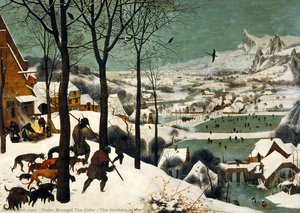
Bruegel’s true genius resided in his subject matter—a deliberate departure from the prevailing conventions of Renaissance painting, which predominantly focused on religious iconography or classical mythology. Instead, he turned his gaze to the everyday lives of ordinary people—peasants laboring in fields, villagers celebrating festivals, and hunters traversing snowy landscapes—subjects that would become synonymous with the Northern Renaissance aesthetic. This wasn’t a rejection of established artistic traditions but rather an elevation of the mundane to the level of sublime artistry—a bold assertion that challenged prevailing perceptions of beauty and significance. His landscapes weren't merely scenic backgrounds; they were active participants in narrative unfolding, imbued with symbolic resonance and reflecting a profound understanding of nature’s power and vulnerability. Paintings like *The Hunters in the Snow* exemplify Bruegel’s meticulous attention to detail and masterful manipulation of atmospheric perspective—techniques that would become foundational to subsequent developments in landscape painting. Furthermore, he skillfully captured the humor and pathos inherent in human experience—themes that resonated deeply with audiences across centuries.Legacy & Enduring Influence
Pieter Bruegel the Elder's artistic legacy extends far beyond his own lifetime, profoundly influencing generations of artists who followed him—most notably Isaac van Ostade and Adriaen Brouwer—who embraced his distinctive style and explored similar themes. His pioneering approach to landscape painting paved the way for later developments in the genre, inspiring artists to capture the grandeur and beauty of the natural world with unprecedented realism and expressive power. Beyond painting, Bruegel’s work continues to captivate audiences today, appearing prominently in films like Andrei Tarkovsky's *Solaris* (1972) and Lars von Trier’s *Melancholia* (2011)—demonstrating the enduring resonance of his imagery and cementing his place as one of the most influential figures in art history. He died in Brussels in 1569 at a relatively young age—a testament to his unwavering dedication to artistic innovation and a poignant reminder of the transformative power of vision.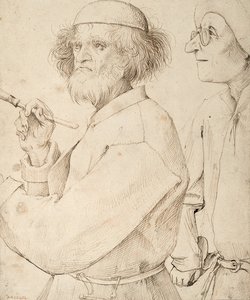
ピエートル・ブーゲル・ザ・イルダー
1525 - 1569 , ベルギー
基本情報
- Artistic Movement Or Style: Renaissance painting
- Artists Or Movements Influenced By This Artist: ['Dutch Golden Age painting']
- Artists Who Influenced This Artist: ['Hieronymus Bosch']
- Date Of Birth: c. 1525
- Date Of Death: 1569
- Full Name: Pieter Bruegel I
- Nationality: Flemish
- Notable Artworks:
- Landscape with the Flight into Egypt
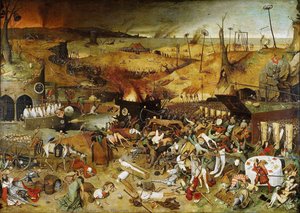
- The Triumph of Death
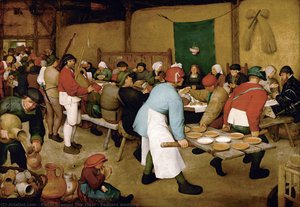
- Peasant Wedding
- Hunters in the Snow
- Place Of Birth: Breda, Netherlands
関連記事
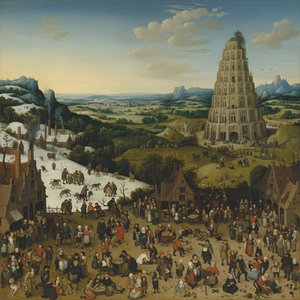
Pieter Bruegel the Elder: A Master of Genre, Landscape & Social Commentary
Explore the life & art of Pieter Bruegel the Elder, a pivotal figure of the Renaissance. Discover his groundbreaking genre scenes, symbolic landscapes, and lasting influence on art history. Learn more at ArtsDot.
北方ルネサンスを彩る至宝:10の傑作が語る芸術と革新の世界
北方ルネサンスの10大傑作を紐解き、芸術の革新と美しさを再発見。ヤン・ファン・エイクからデューラーまで、巨匠たちの物語と技法を深く探求。高品質な複製絵画で、お部屋にアートの息吹を。ArtsDot.comで至宝の世界をお楽しみください!
Oil on Panel Masters: 10 Paintings That Revolutionized Art |
Journey through 10 legendary 'Oil on Panel' masterpieces by Van Eyck, Bosch & Bruegel. Explore the stories behind these iconic Renaissance & Baroque paintings and find museum-quality art reproductions to elevate your home decor. Discover all masterpieces on !

The Enduring Legacy of Oil on Canvas: Technique, History & Aesthetic Impact
Explore the rich history & techniques of oil painting – from Renaissance masters to Impressionism. Discover pigments, layering methods, and why this timeless medium endures. Expert insights for artists & art enthusiasts.

The Enduring Power of Painting: A Historical & Contemporary Exploration of Form and Emotion
Explore the rich history & enduring techniques of oil painting with ArtsDot. Discover masterpieces, learn about art collecting, and find authentic handmade reproductions crafted by skilled artists.