

 プレビュー
プレビュー
 プリントを購入
 シェアする
シェアする シェアする
シェアする
 詳細を見る
詳細を見る

 ダウンロード
 似ている作品
 X線調査
X線調査 スライドショー
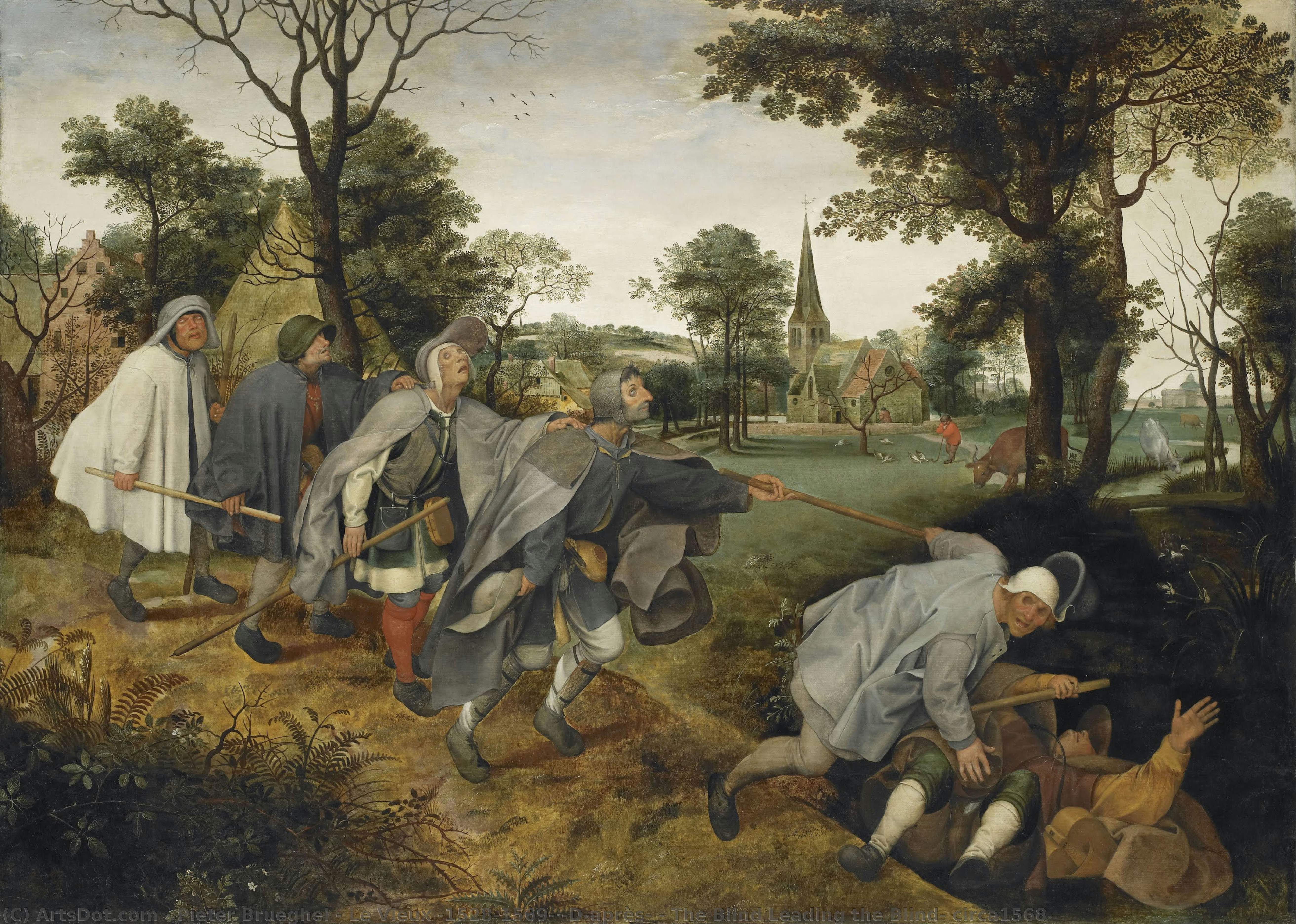
The Blind Leading the Blind, circa1568
 Acrylic On Canvas
- WallArt
- Northern Renaissance
 122.0 x 170.0 cm
 グラン・パレ
 詳細を見る
詳細を見る
オンラインプレビューをはるかに凌ぐ、高解像度で鮮明なデジタル画像をご購入いただけます。
各ファイルは、社内の専門家が高度なツールと熟練した手作業によるレタッチを用いて、細心の注意を払って準備されています。すべての画像において、卓越した鮮明度、正確な色彩再現性、そして繊細なディテールを保証いたします。
最終ファイルは、プロフェッショナルな編集・印刷環境ですぐにご利用いただけるよう最適化された状態で、72時間以内にメールにてお届けいたします。これは、一流のデザインスタジオ、出版社、ギャラリーから信頼されているものと同等の品質です。
デジタル画像のご注文に付随する特典
高品質なデジタル画像配信を、確かな品質で。
ArtsDot.com を選ぶことは、単に画像を手に入れることではありません。それは、プロの手によって精密に仕上げられ、満足保証が付いた高品質なデジタルアートワークを受け取ることを意味します。ご注文いただいた際に自動的に付随する内容は、以下の通りです:

メールですぐにお届け
ご注文から72時間以内に、高解像度のデジタル画像ファイルがメールでお手元に届きます。すぐにそのままご利用いただけます。

AI技術で最適化されたデジタルファイル
お客様の作品は、高度なAIツールと専門家による手作業の編集を組み合わせてプロフェッショナルに最適化されており、細部のディテール、鮮明さ、そして正確な色再現性を最大限に引き出しています。

一生涯無料の再送サービス
ファイルを誤って削除したり、紛失してしまったりしましたか?ご安心ください。いつでも無料で再送いたします。

輸入手数料は一切かかりません
関税や手数料、配送料を気にすることなく、お気に入りのアートワークをすぐにお楽しみいただけます。デジタルダウンロードは常に免税です。

色彩再現の保証
プロ仕様のツールとカラーマネジメント技術を用いることで、デジタル画像が元の色を最大限に忠実に再現することを保証いたします。

60日間満足保証
ご購入いただいたデジタル画像にご満足いただけない場合は、60日以内であれば、修正または100%の返金(理由を問う必要はありません)をさせていただきます。

100% 返金保証
ご満足いただけない場合は、デジタルファイルを受け取ってから60日以内であれば、理由を問わず全額返金いたします。

まとめ買い割引
3枚購入で10%OFF - 5枚購入で15%OFF - 10枚以上購入で20%OFF。クリエイティブなプロジェクト、ギャラリー、エージェンシーに最適です。
The Blind Leading the Blind – A Chronicle of Human Fallibility
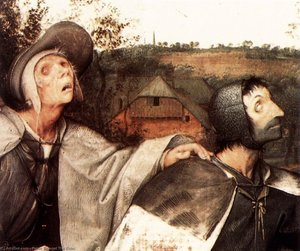
Pieter Bruegel the Elder’s “The Blind Leading the Blind,” completed around 1568, isn't merely a painting; it’s a profound meditation on human folly, societal delusion, and the perilous nature of following blindly. Born in Breda during a turbulent period of religious upheaval in the Netherlands – a time marked by Spanish rule and simmering unrest – Bruegel possessed an unparalleled ability to distill the complexities of everyday life onto canvas. This particular work, housed within the prestigious Museo di Capodimonte in Naples, offers a starkly realistic yet subtly satirical depiction of a biblical parable, transforming a simple story into a timeless commentary on human behavior. The scene unfolds within a small village setting, dominated by a winding path that leads a procession of six figures – all blind men – away from the viewer. Their faces are etched with varying degrees of disfigurement and distress, each bearing unique signs of impaired vision, hinting at different forms of blindness beyond mere physical impairment. They hold onto one another for support, their movements suggesting a desperate, yet ultimately futile, attempt to navigate their way forward. The composition is masterfully constructed; the diagonal lines created by the path and the figures’ bodies draw the eye relentlessly into the heart of the scene, amplifying the sense of disorientation and impending doom. The muted color palette – dominated by earthy browns, grays, and ochres – reinforces the painting's somber mood, mirroring the bleakness of the situation depicted.A Masterclass in Flemish Realism
Bruegel’s technical prowess is immediately evident in “The Blind Leading the Blind.” Executed in distemper on linen canvas—a technique favored for its luminous quality and ability to capture subtle tonal variations—the painting showcases his meticulous attention to detail. He doesn't shy away from depicting the imperfections of human form, rendering the blind men’s faces with a raw honesty that underscores their vulnerability. The artist’s use of *chiaroscuro* – the dramatic interplay of light and shadow – adds depth and volume to the scene, emphasizing the figures’ physical presence and creating a palpable sense of atmosphere. Notice how Bruegel skillfully employs texture to convey the roughness of the path beneath their feet, the worn fabric of their clothing, and the weathered surfaces of the buildings in the background. The landscape itself is rendered with remarkable precision, capturing the rolling hills and distant trees characteristic of the Flemish countryside. This commitment to realism wasn’t simply a matter of technical skill; it was integral to Bruegel's artistic vision—he sought to depict the world as he saw it, without embellishment or idealization.Symbolism and the Weight of Faith
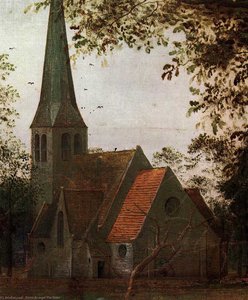
The painting’s narrative is rooted in the biblical parable of Matthew 15:14, which describes Jesus warning against leading others astray through ignorance. However, Bruegel transcends a simple illustration of this story, imbuing it with layers of symbolic meaning. The blind men represent not only those who are physically unable to see but also individuals who are willfully blind to truth and reason – those who follow blindly without questioning or critical thought. The fact that they are all holding onto each other suggests a shared vulnerability and dependence, highlighting the dangers of collective delusion. The village itself can be interpreted as a microcosm of society—a place where appearances often deceive and where individuals are easily misled. Even the presence of St. Anna’s Church in the background subtly underscores the painting's themes of faith and guidance, suggesting that true vision comes not from outward appearance but from inner understanding. The inclusion of a cowherd in the distance adds another layer of complexity, hinting at the mundane realities of rural life and the potential for both wisdom and folly within everyday experiences.A Legacy of Observation and Social Commentary
Pieter Brueghel the Elder’s legacy extends far beyond this single masterpiece. He was a pivotal figure in the development of Northern Renaissance art, pioneering a style characterized by its unflinching realism, social commentary, and profound psychological insight. His paintings offer a rare glimpse into the lives of ordinary people—peasants, laborers, and merchants—revealing their hopes, fears, and struggles with remarkable honesty. Following his father’s death in 1569, Brueghel continued to work alongside his brother Jan Brueghel the Younger, establishing a prolific workshop that produced hundreds of paintings inspired by his father's style. The younger Brueghel’s output significantly expanded the reach and influence of his family’s artistic legacy, ensuring that Pieter Bruegel’s profound observations about human nature would continue to resonate with audiences for centuries to come. “The Blind Leading the Blind” stands as a testament to this enduring power—a haunting reminder of the importance of critical thinking, independent judgment, and the potential pitfalls of blindly following the crowd.関連作品
作家の略歴
Pieter Bruegel the Elder: A Window into 16th-Century Life
Pieter Bruegel, the Elder – a name synonymous with the vibrant and often unsettling scenes of peasant life that defined much of Northern Renaissance art. Born around 1525 in Breda, a city nestled within the Duchy of Brabant (now part of Belgium), Bruegel’s artistic journey spanned decades, culminating in a body of work that continues to captivate and provoke thought centuries later. He wasn't merely a painter; he was a keen observer of humanity, capturing not just appearances but also the rhythms, anxieties, and simple joys of everyday existence – a perspective remarkably rare for artists of his time.
Early Life and Apprenticeship
The precise details of Bruegel’s early life remain somewhat shrouded in mystery. Historians generally agree that he was born around 1525, likely in Breda, a bustling trading center at the time. However, pinpointing his exact birthdate is difficult, and much of what we know about his formative years comes from the accounts of Carel van Mander’s *Het Schilderboeck* (Book of Painters), published posthumously in 1604 – nearly half a century after Bruegel's death. According to Van Mander, Bruegel began his artistic training under the tutelage of Pieter Coecke van Aelst, a prominent Antwerp artist known for his versatility as a sculptor, architect, and tapestry designer. This apprenticeship provided Bruegel with a solid foundation in various artistic techniques, but it was during this period that he began to develop his distinctive style – one characterized by its earthy realism, meticulous detail, and often subtly satirical commentary.
A Master of Landscape and Peasant Life
Bruegel’s artistic evolution is marked by a gradual shift in focus. Initially, he produced landscapes—often imbued with the atmospheric qualities of the Flemish countryside. These early works demonstrate a clear debt to the traditions of Flemish landscape painting, but they quickly evolved into something more profound. Around 1560, Bruegel began to depict scenes of peasant life – harvests, festivals, hunts, and everyday chores. These paintings are not simply idyllic representations; they offer a nuanced portrayal of rural society, revealing both its beauty and its hardships. He captured the communal spirit of village celebrations alongside the relentless toil of agricultural labor, presenting a complex and often ambiguous view of human existence.
- The Peasant Wedding (1567): A prime example of Bruegel’s ability to capture both the joy and the chaos of a communal event.
- The Goldsmith (1564): Illustrates the relentless pursuit of wealth and the moral compromises that can accompany it.
- Hay Harvest (1565): A masterful depiction of rural labor, emphasizing the physical exertion and seasonal rhythms of peasant life.
Technique and Influences
Bruegel’s artistic technique was remarkably sophisticated for his time. He employed a meticulous attention to detail, rendering textures with astonishing accuracy – from the rough bark of trees to the folds of clothing. His use of color was equally impressive, creating a sense of depth and atmosphere through subtle gradations and contrasts. While he initially drew inspiration from the Flemish landscape tradition, Bruegel’s work also reveals influences from Italian Renaissance art, particularly the works of Leonardo da Vinci and Raphael. He skillfully integrated classical motifs into his compositions, adding a layer of intellectual sophistication to his depictions of peasant life.
Legacy and Historical Significance
Pieter Bruegel, the Elder, left an indelible mark on the history of art. His paintings offer a unique window into 16th-century society, revealing both the beauty and the brutality of rural life. He was one of the first artists to depict peasant life with such honesty and psychological depth, paving the way for future generations of artists who sought to capture the realities of everyday existence. His sons, Jan Bruegel the Younger and Pieter Bruegel the Son, continued his artistic legacy, further developing and expanding upon his distinctive style. Today, Bruegel’s paintings are celebrated in museums around the world, serving as a testament to his genius and enduring appeal.
Bruegel's work is not merely decorative; it’s a social commentary, a meditation on human nature, and a remarkable achievement of artistic observation. He remains one of the most important figures in Northern Renaissance art, offering viewers a timeless perspective on the complexities of life itself.
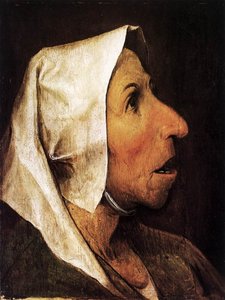
pieter brueghel , le vieux (1528-1569) (d'après)
1525 - 1569

