

 プレビュー
プレビュー
 プリントを購入
 シェアする
シェアする シェアする
シェアする
 詳細を見る
詳細を見る

 ダウンロード
 似ている作品
 X線調査
X線調査 スライドショー
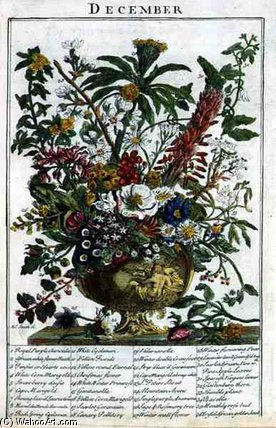
December, From 'the Flower Garden Displayed
 詳細を見る
詳細を見る




































作品のオリジナル比率に合わせた、当店の規定サイズからお選びください。

特定のフレームやスペースに合わせて、ご希望のサイズをご入力いただけます。選択されたサイズが元の画像の比率と異なる場合、アートワークをトリミングするか、手描きで要素を追加して絵画を拡張いたします。デジタルモックアップ を制作し、制作開始前にご確認(承認)をいただきます。
画面上のプレビューは、実際のトリミングや拡張を正確に反映しているものではありません。最終的な構図は、モックアップによってのみ正確にご確認いただけます。
カスタムサイズもご利用いただけますが、元の比率を維持するためには、あらかじめ用意されたリストからサイズを選択することをお勧めいたします。
ご注文後、ArtsDot.com チームより詳細な指示をお送りするとともに、仕上がりイメージ(モックアップ)をご提供いたします。


 ガラスオプションは、110cm未満のサイズでのみご利用いただけます。

December, From 'the Flower Garden Displayed
複製技法
複製画のサイズ
-


合計金額
$ 263
関連作品
アーティストの略歴
A Life Bridging Flanders and England: The Artistic Journey of Pieter Casteels III
Pieter Casteels III, born in Antwerp in 1684, represents a fascinating intersection of Flemish artistic tradition and the burgeoning decorative tastes of 18th-century England. He wasn’t merely a painter; he was a versatile creator who seamlessly moved between still life, landscape, printmaking, and even textile design, adapting his skills to thrive in a new cultural environment. His story begins within a family already steeped in artistic practice – the son of Elisabeth Bosschaert and Pieter Casteels II, a painter known for landscapes and history scenes, young Pieter received his initial training from his father, laying the foundation for a career that would ultimately unfold across two nations. The early years in Antwerp provided him with the technical skills characteristic of Flemish painting: meticulous detail, rich color palettes, and an appreciation for naturalistic representation. However, it was a journey to England in 1708, alongside his brother-in-law Peter Tillemans, that would truly define his artistic path. Initially employed by a London picture dealer named Turner to create copies of Old Master paintings, Casteels quickly became more than just a skilled replicator; he began to establish himself as an active participant in the vibrant London art scene.Embracing English Patronage and Artistic Community
The move to England proved pivotal. Casteels wasn’t simply seeking employment; he was entering a society with a growing appetite for decorative arts, particularly still life paintings featuring flowers, birds, and game. He actively integrated himself into the artistic community, subscribing to the prestigious Kneller Academy of Painting and Drawing in 1711 – a testament to his ambition and commitment to professional development. Membership in the Rose and Crown Club further solidified his position within London’s artistic circles. A brief return to Antwerp in 1712 saw him join the local Guild of Saint Luke, but it was England that would become his permanent home from around 1717 onwards. This period marked a shift towards specialization. Casteels cultivated a successful practice painting flowers and exotic birds, works often commissioned for decorative purposes – overdoors, chimney-pieces, and other architectural settings. He wasn’t solely reliant on commissions, however; he simultaneously operated as an art dealer, importing paintings from the continent to satisfy the demands of English collectors. Among his clientele was James Stanley, 10th Earl of Derby, a significant patron who acquired both imported works and original pieces directly from Casteels himself, demonstrating the artist’s growing reputation and commercial success.Innovation Beyond the Canvas: Printmaking and Textile Design
While successful as a painter, Casteels' ambition extended beyond traditional oil on canvas. In 1726, he embarked on an innovative project that would leave a lasting mark – the launch of a subscription for a set of twelve prints depicting birds, all etched from his own designs. This venture proved remarkably popular, encouraging him to expand into further publications: *The Twelve Months of Flowers* and *The Twelve Months of Fruit*. These weren’t simply artistic endeavors; they were shrewdly marketed as practical resources for workers in the luxury industries. Casteels explicitly advertised the illustrations as patterns for textile designers, recognizing a potential market beyond art collectors. This demonstrates his keen understanding of the commercial possibilities inherent in his work and his ability to bridge the gap between fine art and applied design. He effectively positioned himself not just as an artist but as a source of inspiration for the burgeoning British textile industry, showcasing a remarkable entrepreneurial spirit.A Final Chapter: From Painter to Residential Artist
In May 1735, at the height of his career, Casteels made a surprising decision – he retired from painting. However, this wasn’t a withdrawal from artistic life but rather a transition into a new role. He accepted a position as a residential artist for a calico manufacturer, first at Martin Abbey near Tooting, Surrey, and later briefly in Richmond, London. For the final fourteen years of his life, he dedicated himself to designing patterns for printed fabrics, bringing his expertise in floral and bird motifs to a wider audience through mass production. He died on May 16th, 1749, in Richmond, leaving behind a diverse body of work that reflects a lifetime spent adapting to the demands of a changing artistic landscape.Legacy and Historical Significance
Pieter Casteels III’s significance lies not only in the beauty and technical skill of his paintings but also in his adaptability and entrepreneurial spirit. He successfully navigated the transition from traditional Flemish painting techniques to the decorative tastes of 18th-century England, establishing a thriving career as both an artist and art dealer. His foray into printmaking was particularly noteworthy, creating accessible images that broadened his audience and influenced design trends. His *Twelve Months of Flowers* series is often credited as being among the first illustrated nursery catalogues, demonstrating his pioneering role in connecting art with commerce. While sometimes confused with other artists of a similar name – notably Peter Frans Casteels – his unique blend of artistic talent, commercial acumen, and innovative spirit secures his place as an important figure in the history of Anglo-Flemish art. His works continue to be admired for their vibrant colors, meticulous detail, and evocative depictions of nature, offering a glimpse into the decorative world of 18th-century England and the artist who helped shape it. His paintings often feature subtle symbolism relating to the seasons and the fleeting beauty of life, adding another layer of depth to his already captivating compositions.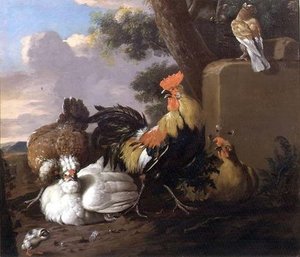
pieter casteels
1684 - 1749
基本情報
- Artistic Movement Or Style: Still life, Baroque
- Date Of Birth: 1684
- Date Of Death: 1749
- Full Name: Pieter Casteels III
- Nationality: Flemish
- Notable Artworks:
- April
- The Fable Of The Raven
- Birds In A Landscape
- Place Of Birth: Antwerp, Belgium

