

 プレビュー
プレビュー
 プリントを購入
 シェアする
シェアする シェアする
シェアする
 詳細を見る
詳細を見る

 ダウンロード
 似ている作品
 X線調査
X線調査 スライドショー
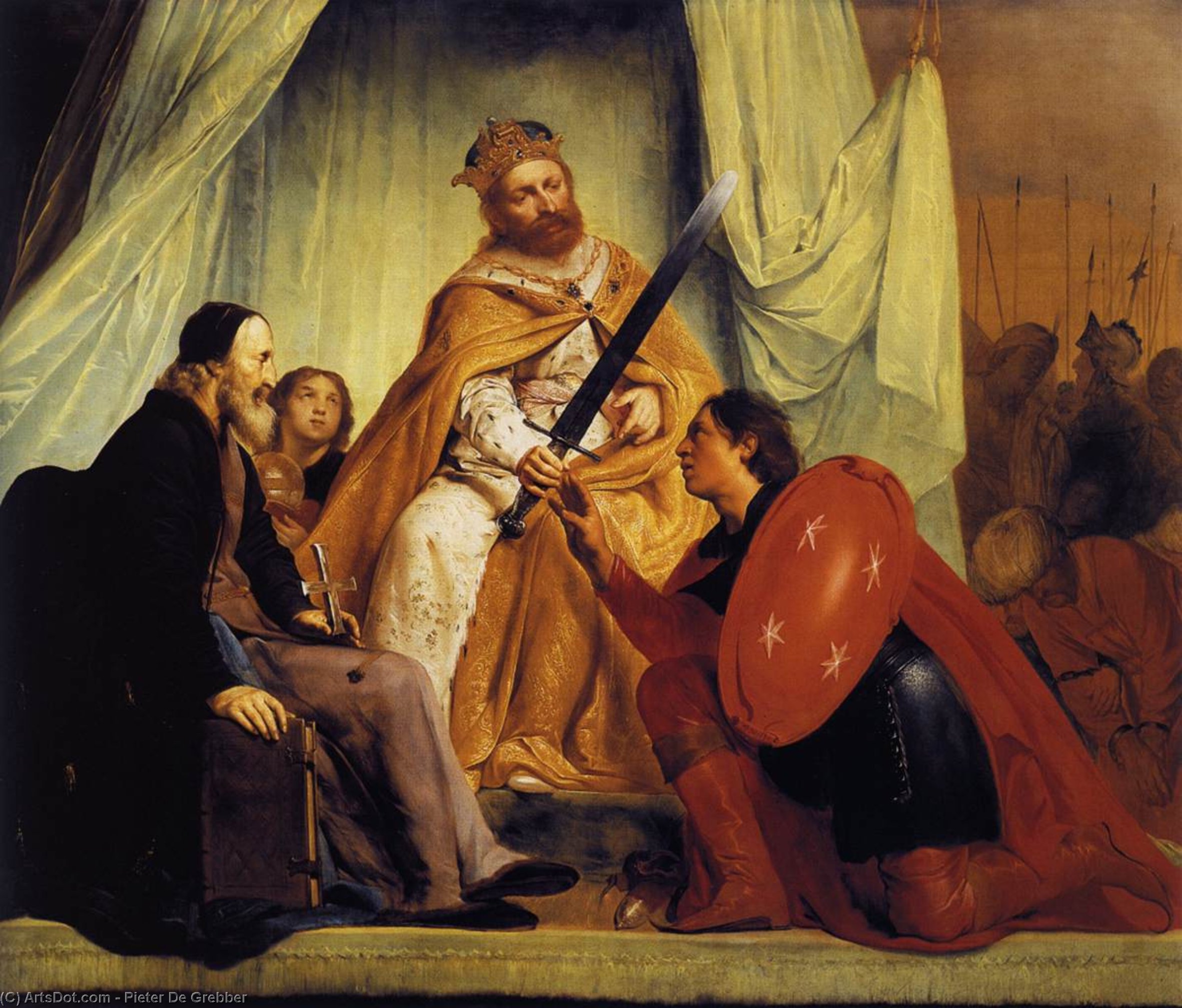
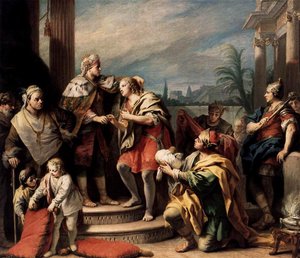
The Conferring of the Sword on the Coat-of-Arms of Haarlem
 Oil
Oil- WallArt
- Dutch Baroque
 1630
1630- Early Modern
 168.0 x 198.0 cm
 フランス・ハルス美術館
 詳細を見る
詳細を見る




P118B $10

P118H $10

P118W $10

P438Z $10

P508JH $12

P508YH $12

P805H $10

P805Z $10

P919BZ $10

P919G $10

P919XJ $10

P959ZH $10

P968JZ $12

W106C $8

W218G $10

W218JH $8

W218Y $10

W307PJ $10

W316G $10

W316PJ $8

W316Y $10

W398PJ $8

W4111J $10

W500HY $15

W500JH $15

W692G $12

W849H $8

W940BG $15

W953PJ $8




作品のオリジナル比率に合わせた、当店の規定サイズからお選びください。

特定のフレームやスペースに合わせて、ご希望のサイズをご入力いただけます。選択されたサイズが元の画像の比率と異なる場合、アートワークをトリミングするか、手描きで要素を追加して絵画を拡張いたします。デジタルモックアップ を制作し、制作開始前にご確認(承認)をいただきます。
画面上のプレビューは、実際のトリミングや拡張を正確に反映しているものではありません。最終的な構図は、モックアップによってのみ正確にご確認いただけます。
カスタムサイズもご利用いただけますが、元の比率を維持するためには、あらかじめ用意されたリストからサイズを選択することをお勧めいたします。
ご注文後、ArtsDot.com チームより詳細な指示をお送りするとともに、仕上がりイメージ(モックアップ)をご提供いたします。


 ガラスオプションは、110cm未満のサイズでのみご利用いただけます。

The Conferring of the Sword on the Coat-of-Arms of Haarlem
複製技法
複製画のサイズ
-


合計金額
$ 263
A Moment of Civic Splendor
In the heart of the Dutch Golden Age, where civic pride and artistic mastery converged, Pieter de Grebber captured a moment of profound ceremonial gravity in The Conferring of the Sword on the Coat-of-Arms of Haarlem. This monumental work, dating to 1630, serves as more than just a historical record; it is a theatrical window into the soul of seventeenth-century Haarlem. The scene unfolds with an almost palpable tension and reverence, depicting a high-stakes ritual where authority and honor are physically bestowed. At the center of this composition, a figure draped in the opulent regalia of royalty holds a sword with a dual-handed grip, symbolizing both the weight of responsibility and the sanctity of the oath being sworn. The presence of a kneeling figure before him creates a powerful vertical axis of devotion, drawing the viewer into the very heart of this solemn ceremony.
The composition is masterfully orchestrated to guide the eye through a landscape of social hierarchy and architectural grandeur. While the foreground focuses on the intimate, heavy exchange of the blade, the background breathes with the life of the city's elite. Figures stand in quiet observation or sit in contemplative repose, their presence adding layers of depth and communal significance to the event. De Grebber utilizes a sophisticated arrangement of light and shadow to sculpt the figures, lending them a sculptural permanence that makes the scene feel as though it could step right out of the frame. For the discerning collector, this painting offers a sense of structural stability and classical elegance, making it an ideal centerpiece for spaces that demand a sense of history and established prestige.
Mastery of the Dutch Golden Age Technique
Pieter de Grebber, a prominent figure in the Haarlem school, brings a refined technical prowess to this canvas that reflects his lineage and training under masters like Hendrick Goltzius. The technique is characterized by a rich, tactile quality; one can almost feel the heavy velvet of the royal garments and the cold, unforgiving steel of the sword. His ability to manipulate light—a hallmark of the Dutch tradition—creates a luminous atmosphere that softens the edges of the background figures while sharpening the focus on the central protagonists. This interplay of light does not merely illuminate the scene; it directs the emotional narrative, casting a glow of divine or civic approval upon the act of conferring the sword.
The color palette is deeply evocative, utilizing deep ochres, rich crimsons, and somber shadows to evoke an era of profound transition and burgeoning prosperity. For interior designers, this piece offers a sophisticated tonal foundation. The painting’s ability to anchor a room with its dark, resonant hues makes it a perfect companion for luxurious textures such as leather, dark wood, or heavy silks. It is not merely a decoration but an atmospheric tool that can transform a contemporary setting into a gallery of historical reflection.
Symbolism and Lasting Emotional Resonance
Beyond the literal depiction of a civic ceremony, the artwork vibrates with deeper symbolic meanings regarding power, duty, and the continuity of law. The sword itself acts as a potent symbol of justice and protection, while the coat-of-arms represents the enduring identity of Haarlem. De Grebber captures the ephemeral nature of a single moment—the breath held before the blade is lowered—and freezes it for eternity. This creates an emotional impact that oscillates between the awe of witnessing greatness and the quiet respect for the traditions that bind a society together.
Owning a high-quality reproduction of this masterpiece allows one to invite this sense of historical continuity into a modern home or professional environment. It serves as a conversation piece that transcends time, offering an invitation to contemplate the values of honor and community. Whether placed in a grand library or a refined dining hall, The Conferring of the Sword brings with it a legacy of Dutch excellence, providing an enduring sense of dignity and intellectual depth to any curated collection.
関連作品


アーティストの略歴
 ピーテル・フランス・デ・グレーバーは、オランダ黄金時代を彩った画家の一人です。
デ・グレーバーはハールレムに生まれ、ハールレムで画家および刺繍師として活動していたフランス・ピータースゾーン・デ・グレーバー(1573–1643)の長男であり、画家であるマリアとアルベルトの兄弟でした。彼は父から、そしてヘンドリック・ゴルツィウスから絵画の技法を学びました。カトリックで芸術的な家系に生まれ、その妹のマリアは後にガブリエル・メッツの義姉となりました。また、司祭であり音楽学者でもあったヤン・アルベルツゾーン・バンとは友人関係にあり、ハールレムの作曲家コルネリス・パドブルエによって、彼の詩に曲が付けられたこともあります。1632年にはハールレムの聖ルカ・ギルドの一員となりましたが、画家としての活動はすでに10年前に遡ります。彼の門下には、ヘールブラント・バン、ニコラエス・ピータースゾーン・ベルヘム、エグベルト・ファン・ヘームスケルク、ディルク・ヘルムブリーカーといった才能豊かな弟子たちが名を連ねていました。
1618年、父と息子はアントウェルペンへと赴き、名画「ライオンの穴のダニエル」の売却を巡ってピーテル・パウル・ルーベンスと交渉を行いました。この作品はその後、当時の共和国駐在英国大使ダドリー・カートン卿を経由して、国王チャールズ1世へと届けられました。ピーテルはハールレムのみならず、執政官フレデリック・ヘンドリックからも重要な依頼を受けていました。その功績により、ナールトワイクのハウス・ホンセラースダイクや、ハーグのハウス・テン・ボスのノールデイン宮殿の装飾にも携わっています。さらに、フランドルの教会や共和国内の隠れカトリック教会のための祭壇画も手掛け、デンマークの顧客のために制作した可能性もあります。
ピーテルは生涯独身を貫き、1634年から没するまでハールレムのベーギン会修道院で暮らしました。
歴史画に留まらず、ピーテル・デ・グレーバーは数多くの肖像画も描いており、さらに彼の多くの素描や少数のエッチングも現存しています。ユトレヒト・カラヴァッジョ派、ルーベンス、そしてレンブラントといった多様な影響を受けながら、彼は極めて個人的な独自のスタイルを確立しました。サロモン・デ・ブレイと共に「ハールレム古典主義」派の先駆者であり、その頂点を築いた人物として、整理された明快さと淡い色彩を特徴とする作品を生み出しました。
1649年、デ・グレーバーは論文『優れた画家および素描の達人が遵守し、追求すべき規則』を執筆しました。この文書の中で、彼は古典主義の画家が注意深く守るべきと信じる最も重要な11の規則を解説しています。古典主義者たちが必ずしもこれらの規則に固執していたわけではありませんが、それらは常に厳格に守られていました。これらの規則のほとんどは、歴史画をジャンルの階層の中で最高位として提示したカレル・ファン・マンダーのマニエリスム的な著書『画家書(schilder-boeck)』から引用されたものです。
ウィキメディア・コモンズにおけるピーテル・フランス・デ・グレーバー関連のメディア
もっと見る...
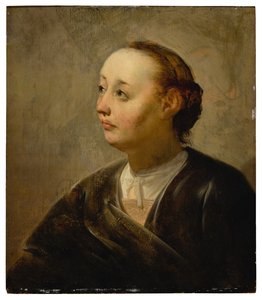
ピーテル・デ・グレベール
1600 - 1652 , オランダ
基本情報
- Artistic Movement Or Style: バロック
- Artists Who Influenced This Artist:
- カラヴァッジョ
- ルーベンス
- マイノ
- ハルス
- 蘭英
- ホントホルスト
- Date Of Death: 1652年
- Full Name: ジョン・テスティクル
関連記事

黄金世紀の巨匠たち:バロック絵画が彩る10選|ArtsDot
オランダ黄金時代の10大傑作を紐解く!レンブラント、フェルメール…バロック絵画の魅力と時代背景を深く探求。ArtsDotで、至高のアートコレクションと空間演出のヒントを見つけよう。高品質なアートプリントで、お部屋を華やかに。

Illuminating Innovation: Exploring the Dutch Golden Age of Painting
Explore the Dutch Golden Age of painting with ArtsDot. Discover Rembrandt, Vermeer & other Masters. Learn about key characteristics, iconic artworks, and lasting influence. Expert insights for collectors & enthusiasts.

Golden Age Reflections: Dutch Baroque Painting & Cultural Innovation
Explore the Dutch Golden Age of painting! Discover key artists like Vermeer & ter Borch, their innovative techniques, and the rich cultural context behind these Baroque masterpieces. Learn about collecting & appreciating this iconic art period.
Illuminating Realism: Exploring the Dutch Golden Age of Painting (1600-1700)
Explore the Dutch Golden Age of painting (1600-1700) with ArtsDot. Discover Rembrandt, Vermeer & other masters. Learn about techniques, history & find museum-quality reproductions.
Charles Leickert: Capturing the Dutch Golden Age Light – A Comprehensive Study of Technique, Context, and Legacy
Explore the captivating winter landscapes of Charles Leickert, a master of Dutch Golden Age light & atmosphere. Discover his techniques, symbolism, and lasting legacy – a comprehensive study for art enthusiasts and collectors.