

 プレビュー
プレビュー
 プリントを購入
 シェアする
シェアする シェアする
シェアする
 詳細を見る
詳細を見る

 ダウンロード
 似ている作品
 X線調査
X線調査 スライドショー
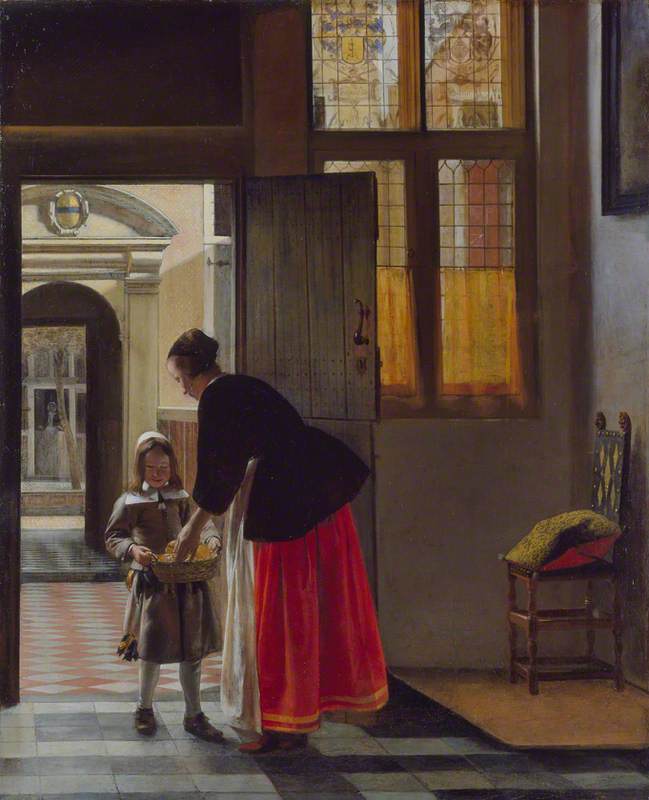
A Boy Bringing Bread
 Oil
Oil- WallArt
- Dutch Golden Age
 1663
1663- Early Modern
 74.0 x 59.0 cm
 ロンドンタワー
 詳細を見る
詳細を見る




P118B $10

P118H $10

P118W $10

P438Z $10

P508JH $12

P508YH $12

P805H $10

P805Z $10

P919BZ $10

P919G $10

P919XJ $10

P959ZH $10

P968JZ $12

W106C $8

W218G $10

W218JH $8

W218Y $10

W307PJ $10

W316G $10

W316PJ $8

W316Y $10

W398PJ $8

W4111J $10

W500HY $15

W500JH $15

W692G $12

W849H $8

W940BG $15

W953PJ $8




作品のオリジナル比率に合わせた、当店の規定サイズからお選びください。

特定のフレームやスペースに合わせて、ご希望のサイズをご入力いただけます。選択されたサイズが元の画像の比率と異なる場合、アートワークをトリミングするか、手描きで要素を追加して絵画を拡張いたします。デジタルモックアップ を制作し、制作開始前にご確認(承認)をいただきます。
画面上のプレビューは、実際のトリミングや拡張を正確に反映しているものではありません。最終的な構図は、モックアップによってのみ正確にご確認いただけます。
カスタムサイズもご利用いただけますが、元の比率を維持するためには、あらかじめ用意されたリストからサイズを選択することをお勧めいたします。
ご注文後、ArtsDot.com チームより詳細な指示をお送りするとともに、仕上がりイメージ(モックアップ)をご提供いたします。


 ガラスオプションは、110cm未満のサイズでのみご利用いただけます。

A Boy Bringing Bread
複製技法
複製画のサイズ
-


合計金額
$ 263
A Window into the Dutch Golden Age
In the quiet, sun-drenched corners of seventeenth-century Holland, there existed a profound appreciation for the beauty found within the mundane. Pieter de Hooch, a master of the Dutch Golden Age, captured this sentiment with unparalleled grace in his 1663 masterpiece, A Boy Bringing Bread. This painting is far more than a mere domestic snapshot; it is an invitation into a world of serene stability and quiet intimacy. As the viewer’s eye wanders through the composition, they are met with a scene that feels both deeply personal and universally relatable, anchored by the tender presence of a woman and child positioned near a threshold that connects the private interior to the life unfolding beyond.
The subject matter centers on a moment of domestic continuity. A woman, draped in rich, warm tones of red, cradles a young child, their gazes meeting the viewer with an innocent curiosity that bridges the centuries. The presence of others in the periphery—figures caught in the middle of daily rhythms—suggests a bustling yet harmonious household. This sense of community and domestic duty is subtly reinforced by the very title of the work; the arrival of bread signifies nourishment, sustenance, and the rhythmic, reliable heartbeat of home life. For the collector or interior designer, this piece offers a sense of groundedness, bringing a narrative of warmth and hospitality into any curated space.
Mastery of Light and Domestic Texture
Technically, De Hooch was a virtuoso of chiaroscuro and light diffusion. His ability to manipulate natural light as it filters through doorways and windows is nothing short of poetic. In A Boy Bringing Bread, the light does not merely illuminate; it sculptates the textures of the scene—the heavy fabric of the woman's clothing, the soft skin of the child, and the weathered surfaces of the domestic interior. This mastery of light creates a sense of depth that pulls the viewer into the room, making the atmosphere feel palpable and breathable.
The artist’s technique relies on a delicate balance of precision and softness. While the details of the architecture and the figures are rendered with meticulous care, there is an atmospheric haze that lends the painting its dreamlike, nostalgic quality. This interplay between sharp detail and soft light creates a visual rhythm that guides the eye from the foreground subjects toward the more shadowed, mysterious recesses of the background. It is this sophisticated use of space—the "open doorway" motif for which De Hooch is famous—that provides a sense of infinite possibility within a confined setting.
An Enduring Legacy for the Modern Collector
For those seeking to adorn their homes with art that evokes emotion and conversation, a reproduction of this work serves as a timeless centerpiece. The painting embodies the values of the emerging Dutch middle class of the 1600s: industriousness, family devotion, and an appreciation for the quiet joys of life. It is a piece that does not demand attention through grandiosity or violence, but rather earns it through its profound stillness and emotional resonance.
Integrating such a work into a modern interior allows for a sophisticated dialogue between historical narrative and contemporary aesthetics. Whether placed in a sunlit reading nook or as a focal point in a formal dining area, A Boy Bringing Bread brings with it an aura of tranquility and classical elegance. It is an investment in atmosphere, offering any space a touch of the Dutch Golden Age's unparalleled warmth and a lasting connection to the human experience.
関連作品
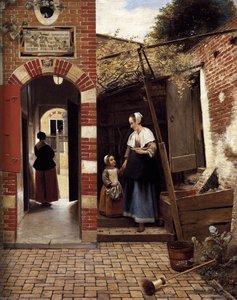
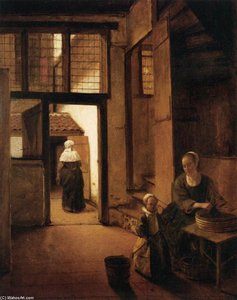
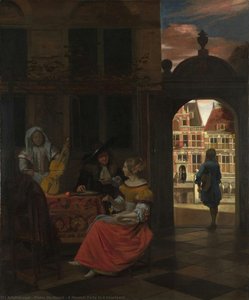

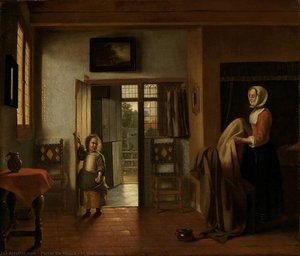
アーティストの略歴
生い立ちと修行時代
ピーテル・デ・ホーホは、オランダ黄金時代を代表する巨匠の一人として、1629年12月20日、ネーデルラントのロッテルダムに生を受けました。煉瓦職人のヘンドリック・ヘンドリックスス・デ・ホーホと、助産師のアネット・ピータースの間に生まれた五人兄弟の長男です。彼の若き日の詳細については謎に包まれている部分も多いものの、ロッテルダム、デルフト、そしてアムステルダムといった都市で活動していたことが知られています。デ・ホーホの芸術的な研鑽は、風景画家ニコラス・ベルヘムのもと、ハールレムにてヤコブ・オハテルヴェルトと共に受けられました。この修行時代こそが、後に彼が代名詞とする、開かれた扉の向こうへと視線を誘うような、静謐な室内風景を描き出すための揺るぎない礎となったのです。芸術的スタイルと主題
デ・ホーホの作品を語る上で欠かせないのは、細部への徹底したこだわり、自然主義的な描写、そして光の魔法のような使い手であることです。彼の絵画はしばしば日常の営みを捉え、台頭しつつあった中産階抹階級の価値観や憧憬を映し出していました。その卓越したスタイルの象徴とも言えるのが、「デルフトの家の中庭」(1658年)です。この作品には、ありふれた日常の細かな機微を捉える彼の類まれな才能が凝縮されています。また、デ・ホーホの作品はエマニュエル・デ・ウィッテと主題や構図において共通点を持っていますが、人物とその間に流れる人間関係に焦点を当てる点において、彼は独自の地位を確立しています。その情熱は、「乳児に授乳する女」(1658年)や「膝に赤ん坊を乗せた女」(1658年)といった、家庭的な情景への深い洞察に満ちた作品群からも鮮明に見て取ることができます。代表作とその遺産
デ・ホーホの輝かしい業績の中でも、特に特筆すべき作品には以下のようなものがあります:- 「陽気な飲み手」(1650年頃)
- 「陽光差し込む部屋でのカード遊び」(1658年)
- 「少年のためにパンとバターを用意する女」(1661年)
美術館とコレクション
デ・ホーホの傑作は世界各地の美術館に収蔵されています。その中には、15世紀から20世紀に至るまでの膨大なヨーロッパ美術を誇るベルギーのアントワープ、王立美術館(Koninklijk Museum voor Schone Kunsten)も含まれています。ピーテル・デ・ホーホとその作品について、ArtsDotでさらに詳しく探索しましょう: [https://ArtsDot.com/@/pieter-de-hooch](https://ArtsDot.com/@/pieter-de-hooch) /ja/art/show/art-d3b4kt-ja/ (ベルギー王立美術館の至宝を体験する)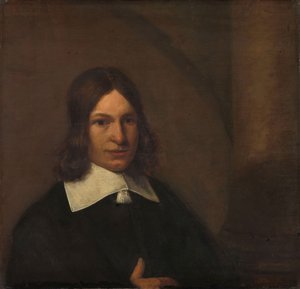
ピーテル・デ・ホーホ
1629 - 1694 , オランダ
基本情報
- Artistic Movement Or Style: デルフト派、オランダ黄金時代
- Artists Or Movements Influenced By This Artist: ['ヤン・フェルメール']
- Artists Who Influenced This Artist: ['ニコラス・ベルヘム']
- Date Of Birth: 1629年12月20日
- Full Name: ピーテル・ヘンドリックスス・デ・ホーホ
- Nationality: オランダ
- Notable Artworks:
- 空のグラス
- 手紙を読む女
- 陽光の差し込む部屋のカード遊びをする人々
- パンとバターを用意する女性
- Place Of Birth: オランダ、ロッテルダム
関連記事
Pieter de Hooch: Illuminating Dutch Domestic Life & Golden Age Charm
Explore the captivating world of Pieter de Hooch, a master of Dutch Golden Age painting. Discover his innovative use of light, intimate domestic scenes, and lasting influence on art history. Learn more at ArtsDot.

黄金世紀の巨匠たち:バロック絵画が彩る10選|ArtsDot
オランダ黄金時代の10大傑作を紐解く!レンブラント、フェルメール…バロック絵画の魅力と時代背景を深く探求。ArtsDotで、至高のアートコレクションと空間演出のヒントを見つけよう。高品質なアートプリントで、お部屋を華やかに。

Golden Age Reflections: Dutch Baroque Painting & Cultural Innovation
Explore the Dutch Golden Age of painting! Discover key artists like Vermeer & ter Borch, their innovative techniques, and the rich cultural context behind these Baroque masterpieces. Learn about collecting & appreciating this iconic art period.

Willem van de Velde the Elder: Master of Maritime Painting & Chronicler of the Dutch Golden Age
Discover the captivating maritime paintings of Willem van de Velde the Elder, a master chronicler of the Dutch Golden Age. Explore his unparalleled realism and lasting influence on naval art history.

Illuminating Innovation: Exploring the Dutch Golden Age of Painting
Explore the Dutch Golden Age of painting with ArtsDot. Discover Rembrandt, Vermeer & other Masters. Learn about key characteristics, iconic artworks, and lasting influence. Expert insights for collectors & enthusiasts.