

 プレビュー
プレビュー
 プリントを購入
 シェアする
シェアする シェアする
シェアする
 詳細を見る
詳細を見る

 ダウンロード
 似ている作品
 X線調査
X線調査 スライドショー
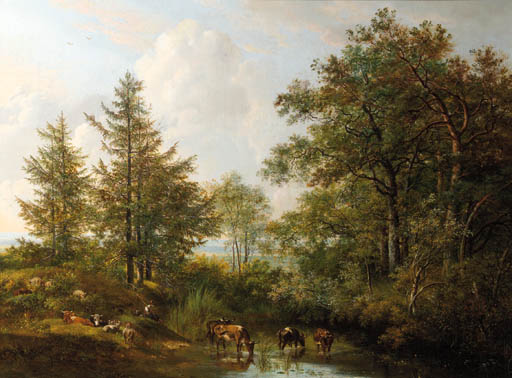
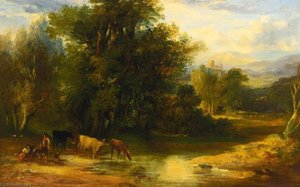
A Shepherdess And Cattle Resting By A Wooded Pond
 詳細を見る
詳細を見る




































作品のオリジナル比率に合わせた、当店の規定サイズからお選びください。

特定のフレームやスペースに合わせて、ご希望のサイズをご入力いただけます。選択されたサイズが元の画像の比率と異なる場合、アートワークをトリミングするか、手描きで要素を追加して絵画を拡張いたします。デジタルモックアップ を制作し、制作開始前にご確認(承認)をいただきます。
画面上のプレビューは、実際のトリミングや拡張を正確に反映しているものではありません。最終的な構図は、モックアップによってのみ正確にご確認いただけます。
カスタムサイズもご利用いただけますが、元の比率を維持するためには、あらかじめ用意されたリストからサイズを選択することをお勧めいたします。
ご注文後、ArtsDot.com チームより詳細な指示をお送りするとともに、仕上がりイメージ(モックアップ)をご提供いたします。


 ガラスオプションは、110cm未満のサイズでのみご利用いただけます。

A Shepherdess And Cattle Resting By A Wooded Pond
複製技法
複製画のサイズ
-


合計金額
$ 263
関連作品

アーティストの略歴
John Constable: Bridging Observation and Emotion
Born in East Bergholt, Suffolk, on June 11th, 1776, John Constable emerged as a pivotal figure in British landscape painting, forever altering the genre’s trajectory. His life was one of quiet dedication to capturing the essence of the natural world, a pursuit deeply intertwined with his personal experiences and artistic sensibilities. Unlike many of his contemporaries who embarked on grand European tours seeking inspiration, Constable remained rooted in his beloved Suffolk countryside – a region he meticulously documented throughout his career. This steadfast connection profoundly shaped his unique style, characterized by an intensely subjective approach to observation and a remarkable ability to convey the fleeting effects of light and atmosphere.
Constable’s early life was marked by a familial expectation that he would follow in his father's footsteps as a corn merchant. However, a youthful inclination towards art, nurtured through lessons with local artists and fueled by an avid study of Dutch masters like Ruisdael – particularly their masterful depiction of light and shadow – ultimately led him to pursue painting. The influence of Gainsborough, another Suffolk native, is readily apparent in Constable’s early works, evident in the meticulous detail and formal compositions. Yet, he quickly distinguished himself by rejecting the rigid conventions of 18th-century landscape painting, which he viewed as prioritizing picturesque arrangements over genuine feeling. As he famously declared, “I should paint my own places best,” emphasizing his commitment to capturing the emotional resonance of familiar landscapes rather than merely replicating them.
The Pursuit of ‘Light, Dews, Breezes, Bloom’
Constable's artistic philosophy centered on a deeply personal engagement with nature. He sought not simply to represent scenes but to translate the sensations he experienced – the warmth of sunlight, the coolness of dew, the rustle of leaves in the breeze, and the vibrant colors of wildflowers. This pursuit is vividly reflected in his technique: he abandoned traditional methods of smooth finish, opting instead for a vigorous, expressive brushstroke that conveyed movement, texture, and the ephemeral qualities of light. His paintings are imbued with an immediacy and spontaneity rarely found in earlier landscape works.
His dedication to capturing these fleeting moments led him to develop a revolutionary technique known as “direct painting.” He would often work directly on location, sketching in oils and meticulously observing how light transformed the appearance of his subjects throughout the day. This practice informed his later, larger-scale paintings, which he began to refer to as ‘six-footers’ due to their imposing size. These monumental works, such as *The Hay Wain* (1820) and *Dedham Vale* (1822), became iconic representations of the Suffolk countryside, capturing not just a specific place but also a particular mood and atmosphere.
Key Works and Recognition
Constable’s most celebrated paintings include *Wivenhoe Park* (1816), a vibrant depiction of the River Yare at Wivenhoe, and *The Hay Wain*, arguably his most famous work. *Dedham Vale*, painted in 1822, offers a serene portrayal of his beloved village and surrounding landscape. These works, along with numerous other landscapes depicting Suffolk’s rivers, meadows, and woodlands, demonstrate Constable's extraordinary ability to capture the beauty and tranquility of the natural world.
Despite facing initial skepticism from critics in England, Constable gained considerable recognition in France, where his paintings were highly valued. He was elected to the Royal Academy of Arts in 1824 at the age of 47, a significant achievement that acknowledged his artistic merit. However, he continued to struggle financially throughout his career, and his later years were marked by disappointment and relative obscurity.
Legacy and Influence
John Constable’s impact on British landscape painting is undeniable. He liberated the genre from its constraints, paving the way for a more subjective and emotionally resonant approach. His emphasis on direct observation, expressive brushwork, and the portrayal of fleeting atmospheric effects profoundly influenced subsequent generations of artists, including J.M.W. Turner, with whom he shared a deep respect. Constable’s legacy extends beyond his individual works; he established a tradition of painting that celebrated the beauty and significance of the English countryside, shaping our understanding of landscape art for centuries to come.
His work continues to resonate today, captivating viewers with its honesty, sensitivity, and profound connection to nature. Constable’s paintings serve as a reminder of the power of observation, the importance of personal experience, and the enduring beauty of the natural world – values that remain remarkably relevant in our contemporary society.
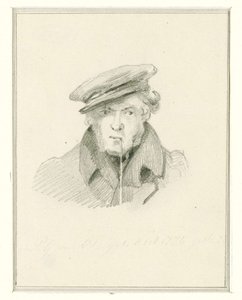
pieter gerardus van os
1776 - 1839 , Netherlands
基本情報
- Artistic Movement Or Style: Romanticism
- Artists Or Movements Influenced By This Artist:
- Delacroix
- Barbizon School
- Artists Who Influenced This Artist:
- Gainsborough
- Ruisdael
- Date Of Birth: 11 June 1776
- Date Of Death: 31 March 1837
- Full Name: John Constable
- Nationality: English
- Notable Artworks:
- The Hay Wain
- Dedham Vale
- Wivenhoe Park
- Place Of Birth: East Bergholt, Suffolk

