

 プレビュー
プレビュー
 シェアする
シェアする シェアする
シェアする
 詳細を見る
詳細を見る

 ダウンロード
 似ている作品
 X線調査
X線調査 スライドショー
 統計情報
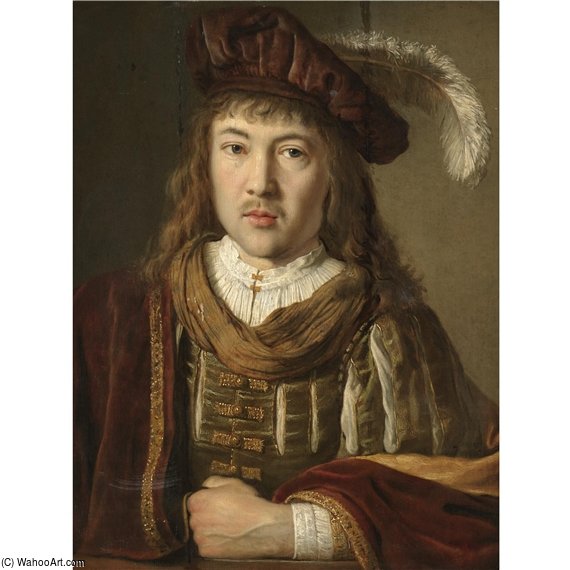
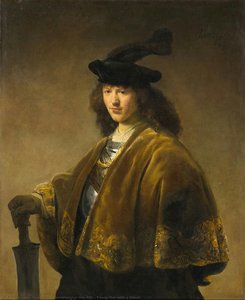
統計情報A Portrait Of A Young Man In A Velvet Coat And Plumed Hat
 詳細を見る
詳細を見る
手描き油彩複製画
当社のアーティストが、お客様のご希望のサイズと額縁に合わせて、キャンバスに手描きで制作する油彩画です。 ( プリント版に切り替え デジタル画像販売へ切り替え)




































作品のオリジナル比率に合わせた、当店の規定サイズからお選びください。

特定のフレームやスペースに合わせて、ご希望のサイズをご入力いただけます。選択されたサイズが元の画像の比率と異なる場合、アートワークをトリミングするか、手描きで要素を追加して絵画を拡張いたします。デジタルモックアップ を制作し、制作開始前にご確認(承認)をいただきます。
画面上のプレビューは、実際のトリミングや拡張を正確に反映しているものではありません。最終的な構図は、モックアップによってのみ正確にご確認いただけます。
カスタムサイズもご利用いただけますが、元の比率を維持するためには、あらかじめ用意されたリストからサイズを選択することをお勧めいたします。
ご注文後、ArtsDot.com チームより詳細な指示をお送りするとともに、仕上がりイメージ(モックアップ)をご提供いたします。


 ガラスオプションは、110cm未満のサイズでのみご利用いただけます。

A Portrait Of A Young Man In A Velvet Coat And Plumed Hat
複製技法
複製画のサイズ
-


合計金額
$ 263
関連作品
アーティストの略歴
Pieter Harmansz Verelst: A Window into Dutch Golden Age Life
Pieter Harmansz Verelst (c. 1618 – November 1668) stands as a pivotal figure in the Dutch Golden Age, celebrated for his masterful genre paintings that captured the essence of everyday life with remarkable precision and emotional depth. Born in Dordrecht, Netherlands, Verelst’s artistic journey unfolded against the backdrop of a flourishing cultural landscape—a period marked by unprecedented economic prosperity and intellectual curiosity—influencing his stylistic choices and thematic concerns profoundly.- Early Life & Training:
- Notable Influences:
- Career Highlights:
- Style & Technique:
- Legacy & Historical Significance:
Early Life & Training
Information regarding Verelst’s formative years remains somewhat sparse, primarily gleaned from records pertaining to his apprenticeship under Frans Hals and Daniël Mijnhof. These masters instilled in him a dedication to anatomical accuracy and realistic portrayal—skills that would become hallmarks of his oeuvre. Hals' influence particularly emphasized the importance of capturing psychological nuance alongside physical likeness, shaping Verelst’s approach to portraiture and contributing to his ability to convey emotion effectively.Notable Influences
Verelst’s artistic sensibilities were undeniably shaped by the prevailing stylistic currents of the era. The Baroque aesthetic—characterized by dramatic lighting, opulent ornamentation, and theatrical compositions—provided inspiration for many of his works. However, Verelst transcended mere imitation, integrating Baroque elements with a humanist sensibility rooted in observation and empathy. He drew heavily from Caravaggio’s use of chiaroscuro, employing stark contrasts between light and shadow to heighten emotional impact and create a sense of immediacy. Furthermore, the meticulous realism championed by Rubens—particularly evident in his depictions of landscapes—influenced Verelst's attention to detail and compositional balance.Career Highlights
Verelst’s career spanned several decades during which he produced an impressive body of work encompassing portraits, genre scenes, and still lifes. He gained considerable renown for his depictions of interiors—particularly those portraying domestic life—where he meticulously rendered furniture, fabrics, and tableware with astonishing realism. His market scenes captured the vibrant energy of bustling marketplaces, populated by lively characters engaged in commerce and social interaction. Among his most celebrated commissions were portraits of prominent figures from Dordrecht’s civic elite, demonstrating his technical prowess and artistic sensitivity.Style & Technique
Verelst's distinctive style was characterized by a commitment to anatomical precision combined with an expressive use of color and light. He meticulously studied human anatomy—a practice encouraged by the humanist ideals prevalent during his time—resulting in figures rendered with remarkable accuracy and dynamism. His masterful manipulation of chiaroscuro—borrowed from Caravaggio—created dramatic visual effects that conveyed mood and emotion powerfully. Verelst’s palette was rich and varied, reflecting his keen observation of nature and his ability to capture subtle tonal nuances. He employed glazing techniques—applying thin layers of translucent paint over underlying colors—to achieve luminous surfaces and enhance the depth of his compositions.Legacy & Historical Significance
Pieter Harmansz Verelst’s contribution to Dutch art history is undeniable. His genre paintings offer invaluable insights into the daily lives, customs, and social dynamics of seventeenth-century Holland—providing a window into the cultural values and intellectual debates of the era. He stands alongside Hals and Rembrandt as one of the most accomplished artists of his generation, embodying the humanist spirit that defined the Dutch Golden Age. Today, Verelst’s works continue to captivate audiences with their beauty, realism, and emotional resonance—affirming his enduring legacy as a master of genre painting and a testament to the transformative power of observation and artistic skill.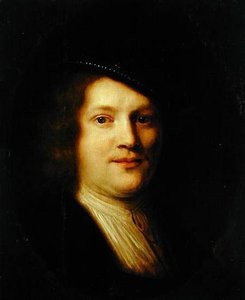
pieter harmansz verelst
1618 - 1688 , Netherlands
基本情報
- Artistic Movement Or Style: Dutch Golden Age
- Date Of Birth: c. 1618
- Date Of Death: c. November 1668
- Full Name: Pieter Hermansz Verelst
- Nationality: Dutch
- Notable Artworks: ['Head Study Of A Young Boy']
- Place Of Birth: Dordrecht, Netherlands