

 プレビュー
プレビュー
 プリントを購入
 シェアする
シェアする シェアする
シェアする
 詳細を見る
詳細を見る

 ダウンロード
 似ている作品
 X線調査
X線調査 スライドショー
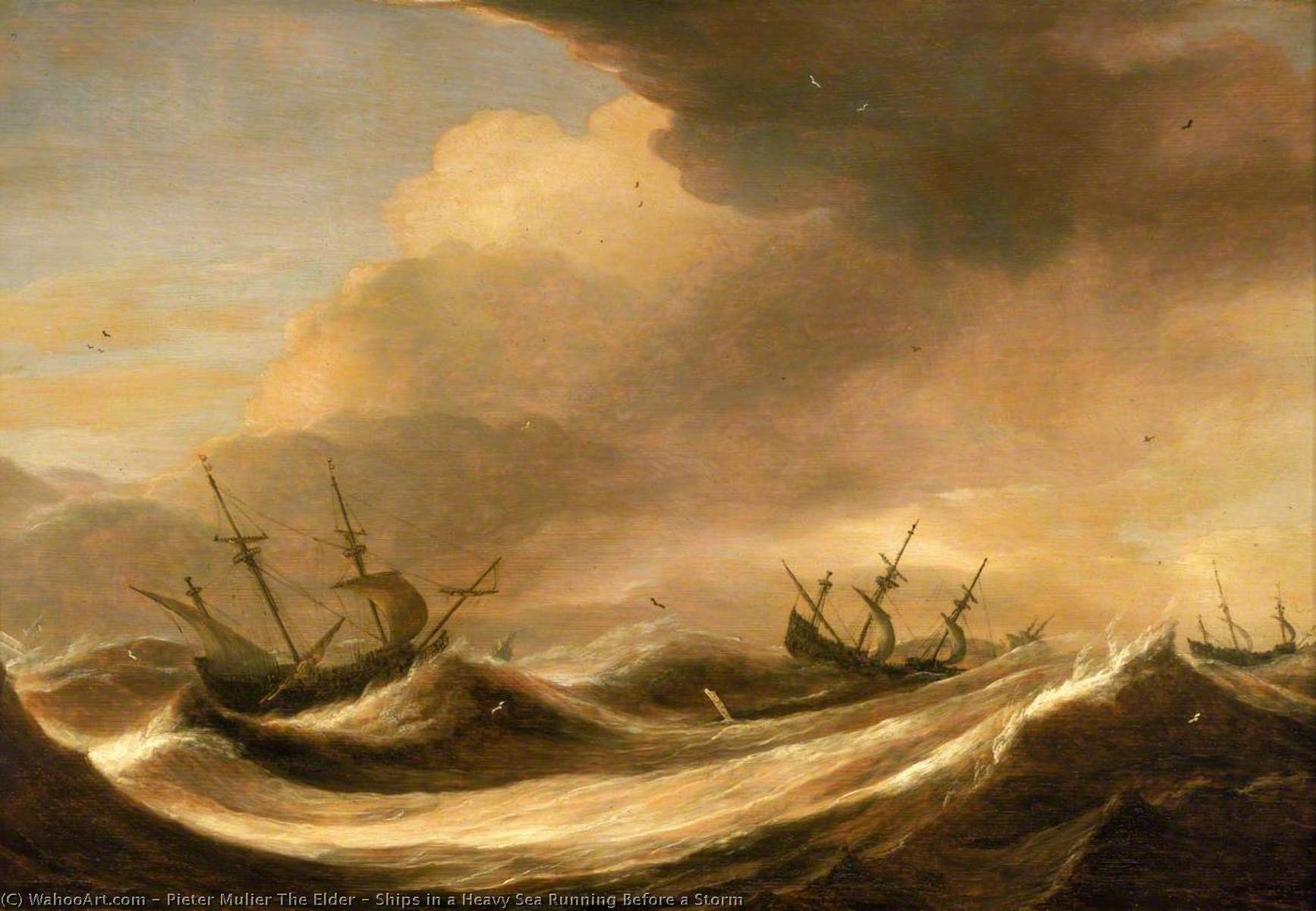
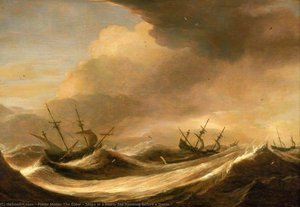
Ships in a Heavy Sea Running Before a Storm
 1640
1640 39.0 x 58.0 cm
 詳細を見る
詳細を見る




































作品のオリジナル比率に合わせた、当店の規定サイズからお選びください。

特定のフレームやスペースに合わせて、ご希望のサイズをご入力いただけます。選択されたサイズが元の画像の比率と異なる場合、アートワークをトリミングするか、手描きで要素を追加して絵画を拡張いたします。デジタルモックアップ を制作し、制作開始前にご確認(承認)をいただきます。
画面上のプレビューは、実際のトリミングや拡張を正確に反映しているものではありません。最終的な構図は、モックアップによってのみ正確にご確認いただけます。
カスタムサイズもご利用いただけますが、元の比率を維持するためには、あらかじめ用意されたリストからサイズを選択することをお勧めいたします。
ご注文後、ArtsDot.com チームより詳細な指示をお送りするとともに、仕上がりイメージ(モックアップ)をご提供いたします。


 ガラスオプションは、110cm未満のサイズでのみご利用いただけます。

Ships in a Heavy Sea Running Before a Storm
複製技法
複製画のサイズ
-


合計金額
$ 263
関連作品




アーティストの略歴
Early Life and Artistic Beginnings
Pieter Mulier the Elder emerged during the vibrant Dutch Golden Age, a period of unprecedented prosperity and artistic flourishing in the Netherlands. Born around 1610 in Haarlem to a family of Flemish cloth-weavers who had sought refuge from religious persecution, he entered a world steeped in trade, maritime activity, and a growing sense of national identity. While his parents’ background lay in textiles rather than painting, it was within the bustling artistic community of Haarlem that Mulier found his calling. Unlike many artists of the time, there is no documented formal training for Mulier; he appears to have been largely self-taught, absorbing skills and techniques through observation and immersion in the local workshops. In 1638, he joined the prestigious Guild of St. Luke in Haarlem, a crucial step that formally established him as a professional painter within the city’s thriving art scene.
A Master of Maritime Drama
Mulier quickly distinguished himself through his captivating seascapes—dynamic depictions of ships battling turbulent waves and stormy skies. He didn't merely paint what he saw; he conveyed the raw power and emotional intensity of the sea itself. His canvases are filled with a sense of movement, achieved through skillful brushwork and a masterful use of light and shadow. The grey tonal palette that characterizes his work lends an air of realism and immediacy to his scenes, drawing viewers into the heart of the tempest. He was particularly adept at rendering the subtle interplay between water, sky, and ship structure, creating compositions that are both visually arresting and emotionally resonant.
Influences and Artistic Development
While Mulier developed a distinctly personal style, his work reveals the influence of earlier masters. The dramatic compositions and atmospheric effects found in his paintings echo those of Pieter Bruegel the Elder, whose landscapes often conveyed a sense of human vulnerability in the face of nature’s forces. He also drew inspiration from Jan Brueghel the Elder, particularly in his attention to detail and his ability to create expansive, panoramic views. However, Mulier wasn't simply imitating these artists; he infused their techniques with a unique sensibility, focusing almost exclusively on maritime themes and developing a deliberately unsettling aesthetic that captured the terror and grandeur of life at sea.
Themes of Life’s Journey and Salvation
Mulier’s seascapes were not merely depictions of ships and storms; they often carried symbolic weight. Recurring motifs, such as commemorative crosses perched on rocky cliffs, alluded to the concept of navigatio vitae—the sea as a metaphor for life's journey. These elements suggest a deeper contemplation of human existence, mortality, and the hope of salvation amidst adversity. The turbulent seas themselves can be interpreted as representations of the challenges and uncertainties inherent in life, while the ships symbolize humanity’s struggle to navigate these difficulties. His paintings often evoke a sense of both awe and apprehension, reminding viewers of the precariousness of their own lives.
Legacy and Historical Significance
Despite facing financial hardships—including debts attributed to excessive drinking—Mulier maintained a steady career throughout his life, taking on pupils and contributing to the vibrant artistic exchange in Haarlem. His son, Pieter Mulier the Younger, followed in his father’s footsteps, becoming a noted marine painter himself. Though perhaps less prolific than some of his contemporaries, Mulier's contribution to Dutch art history is significant. His unflinching portrayal of maritime perils and his evocative depictions of stormy seas continue to captivate viewers today, offering a powerful glimpse into the cultural preoccupations and artistic sensibilities of the 17th-century Netherlands. His work stands as a testament to the enduring power of nature and the human spirit’s capacity for both courage and vulnerability.
基本情報
- Artistic Movement Or Style: Dutch Golden Age painting
- Artists Who Influenced This Artist:
- Pieter Bruegel the Elder
- Jan Brueghel the Elder
- Date Of Birth: c. 1610
- Date Of Death: c. 1659
- Full Name: Pieter Mulier the Elder
- Nationality: Dutch
- Notable Artworks:
- Ships in a Heavy Sea Running Before a Storm
- Turbulent Sea
- Sea piece
- Place Of Birth: Haarlem, Netherlands

