

 プレビュー
プレビュー
 プリントを購入
 シェアする
シェアする シェアする
シェアする
 詳細を見る
詳細を見る

 ダウンロード
 似ている作品
 X線調査
X線調査 スライドショー
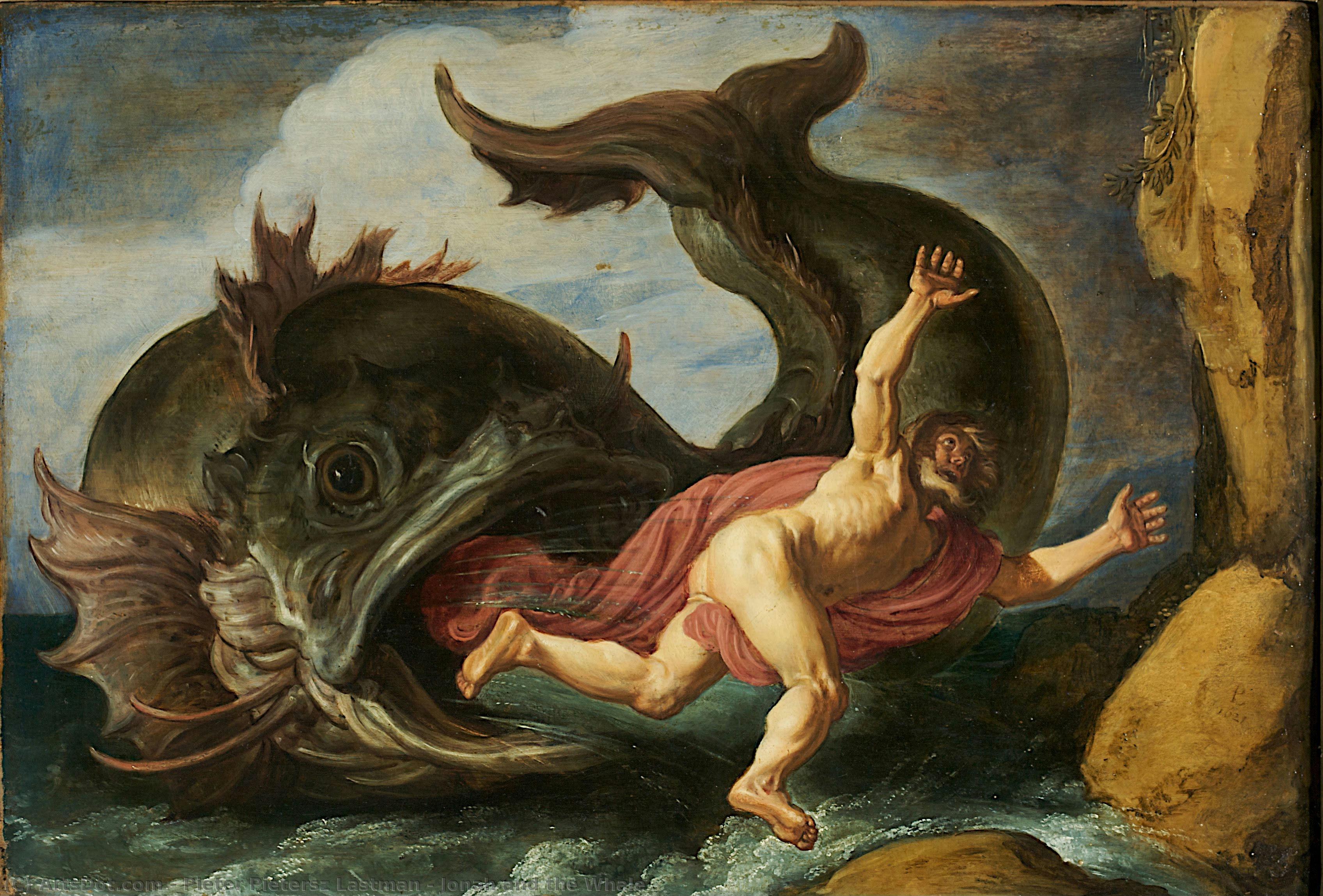
Jonah and the Whale
 Oil
Oil- WallArt
- Baroque
 1621
1621- Early Modern
 521.0 x 360.0 cm
 Kunstpalast
 詳細を見る
詳細を見る




P118B $10

P118H $10

P118W $10

P438Z $10

P508JH $12

P508YH $12

P805H $10

P805Z $10

P919BZ $10

P919G $10

P919XJ $10

P959ZH $10

P968JZ $12

W106C $8

W218G $10

W218JH $8

W218Y $10

W307PJ $10

W316G $10

W316PJ $8

W316Y $10

W398PJ $8

W4111J $10

W500HY $15

W500JH $15

W692G $12

W849H $8

W940BG $15

W953PJ $8




作品のオリジナル比率に合わせた、当店の規定サイズからお選びください。

特定のフレームやスペースに合わせて、ご希望のサイズをご入力いただけます。選択されたサイズが元の画像の比率と異なる場合、アートワークをトリミングするか、手描きで要素を追加して絵画を拡張いたします。デジタルモックアップ を制作し、制作開始前にご確認(承認)をいただきます。
画面上のプレビューは、実際のトリミングや拡張を正確に反映しているものではありません。最終的な構図は、モックアップによってのみ正確にご確認いただけます。
カスタムサイズもご利用いただけますが、元の比率を維持するためには、あらかじめ用意されたリストからサイズを選択することをお勧めいたします。
ご注文後、ArtsDot.com チームより詳細な指示をお送りするとともに、仕上がりイメージ(モックアップ)をご提供いたします。


 ガラスオプションは、110cm未満のサイズでのみご利用いただけます。

Jonah and the Whale
複製技法
複製画のサイズ
-


合計金額
$ 263
作品解説
A Moment of Divine Intervention
In the dramatic masterpiece Jonah and the Whale, Pieter Pietersz Lastman captures the very heartbeat of a spiritual crisis. The scene depicts the harrowing climax of the biblical narrative, where the prophet Jonah is spewed forth from the belly of a great sea creature. This is not merely a depiction of survival, but a profound portrayal of a turning point in human faith. As the massive, fantastic fish opens its maw, we witness the physical and spiritual release of a man who has endured three days of darkness within the depths. The composition is tight and immersive, pulling the viewer into the immediate, visceral struggle between the terrestrial and the oceanic, the mortal and the divine.
Historical Significance and Narrative Depth
Beyond its religious implications, this painting serves as a fascinating window into the commercial and social fabric of 17th-century Amsterdam. It is believed that this specific work may have functioned as a store sign for the merchant Isaak Bodden, whose house was known as ‘Jonas.’ This unique historical context highlights how art in the Dutch Golden Age often bridged the gap between high theological narrative and everyday civic identity. As a pioneer of Dutch history painting and a precursor to the legendary Rembrandt van Rijn, Lastman’s ability to weave complex storytelling into a single, impactful frame makes this piece an essential study for any collector of historical narratives.
For the discerning interior designer or art enthusiast, a reproduction of this work offers more than just decoration; it provides a focal point of intense emotional resonance. The painting's rugged landscape, featuring rocky cliffs and a turbulent atmosphere, lends itself beautifully to grander spaces where a sense of drama and history is desired. Whether placed in a study filled with classical literature or as a conversation piece in a contemporary gallery setting, Jonah and the Whale evokes a timeless sense of wonder, reminding us of the enduring power of transformation and the profound beauty found in life's most turbulent transitions.
関連作品
アーティストの略歴
A Pioneer of Dutch Narrative: Pieter Lastman’s Enduring Legacy
Pieter Pietersz Lastman, born in Amsterdam in 1583, occupies a fascinating and pivotal position within the history of Dutch Golden Age painting. For too long overshadowed by his most celebrated pupil, Rembrandt van Rijn, Lastman was not merely a teacher but a groundbreaking artist in his own right—a pioneer who revitalized historical painting in the Netherlands and laid the foundations for the dramatic narratives that would come to define the era. His life, though relatively short, was marked by artistic ambition, a significant sojourn in Italy, and an unwavering commitment to storytelling through vivid imagery. Lastman’s early life provided a fertile ground for his burgeoning talent; his father, Pieter Segersz, while dismissed from his position as town-beadle due to religious convictions, instilled a sense of civic duty, and his mother, Barber Jacobsdr, possessed a keen eye for art as an appraiser of paintings and goods. This familial environment fostered an appreciation for both the visual arts and the world beyond the canvas. He began his artistic training under Gerrit Pietersz Sweelinck, brother to the renowned composer Jan Pieterszoon Sweelinck, receiving a solid foundation in technique before embarking on a transformative journey to Italy around 1604.The Italian Influence and Return to Amsterdam
Lastman’s time in Italy proved crucial in shaping his artistic vision. Immersed in the vibrant art scene of Rome, he encountered the works of Caravaggio and Adam Elsheimer—artists who profoundly impacted his approach to painting. Unlike the prevailing Mannerist style, Caravaggio's naturalism and dramatic use of light resonated deeply with Lastman, while Elsheimer’s meticulous detail and focus on historical subjects provided a new direction for his own narrative ambitions. He adopted the Italian practice of signing his works as “Pietro,” demonstrating his embrace of the cultural milieu. Upon returning to Amsterdam in 1607, Lastman became a leading figure in the city's artistic community. He established himself as a history painter—a genre that had been somewhat neglected in Dutch art—and quickly gained recognition for his innovative compositions and compelling storytelling. His studio soon attracted talented apprentices, most notably Rembrandt van Rijn, who spent six formative months under Lastman’s tutelage in 1625.A Master of Biblical Narrative
Lastman's paintings are characterized by their dramatic intensity, meticulous attention to detail, and a keen psychological insight into his subjects. He favored biblical scenes, often choosing lesser-known narratives that allowed him to explore complex themes of faith, betrayal, and redemption. Works like “The Battle of Constantine” exemplify his ability to create dynamic compositions filled with movement and emotion. The scene is not merely a depiction of historical events but a powerful exploration of human conflict and divine intervention. Similarly, paintings such as "David Gives Uriah a Letter for Joab" showcase Lastman’s willingness to tackle challenging subjects—depicting moments of moral ambiguity and psychological tension. He paid particular attention to the faces, hands, and feet of his figures, imbuing them with expressive detail that conveyed their inner turmoil. His use of color was bold and vibrant, further enhancing the emotional impact of his scenes.Lastman’s Legacy: Shaping a Generation
The influence of Pieter Lastman extended far beyond his own artistic output. As a teacher, he played a pivotal role in shaping the next generation of Dutch painters. Rembrandt van Rijn, undoubtedly his most famous pupil, absorbed many of Lastman's techniques and narrative approaches—particularly his dramatic use of light and shadow, his focus on psychological realism, and his penchant for biblical subjects. Jan Lievens also benefited from Lastman’s guidance, developing a similar style characterized by intense emotion and dynamic compositions. Beyond these prominent figures, Lastman mentored several other artists who contributed to the flourishing of Dutch Golden Age painting. He was instrumental in establishing Amsterdam as a center for history painting, paving the way for the artistic innovations that would define the 17th century. Although he died relatively young in 1633, his impact on Dutch art remains profound—a testament to his vision, skill, and unwavering commitment to storytelling through paint.Rediscovering Lastman: A Growing Appreciation
For centuries, Pieter Lastman’s contributions were often overshadowed by the brilliance of Rembrandt. However, recent scholarship has begun to redress this imbalance, recognizing him as a pivotal figure in Dutch art history. As more attention is paid to his individual works and his influence on other artists, a fuller appreciation for his unique talents is emerging. Museums around the world are re-evaluating their collections, showcasing Lastman’s paintings alongside those of his pupils, allowing viewers to appreciate the direct connection between his work and the masterpieces that followed. The rediscovery of Lastman is not merely an academic exercise but a vital step in understanding the complex evolution of Dutch Golden Age painting—acknowledging the contributions of a true pioneer who laid the foundations for one of the most celebrated periods in art history.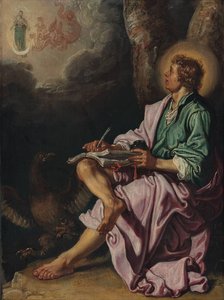
pieter pietersz lastman
1583 - 1633 , Netherlands
基本情報
- Artistic Movement Or Style: Dutch Golden Age painting
- Artists Or Movements Influenced By This Artist:
- Rembrandt
- Jan Lievens
- Artists Who Influenced This Artist:
- Caravaggio
- Adam Elsheimer
- Date Of Birth: 1583
- Date Of Death: 1633
- Full Name: Pieter Pietersz Lastman
- Nationality: Dutch
- Notable Artworks:
- The Battle of Constantine
- Annunciation
- David Gives Uriah a Letter
- Place Of Birth: Amsterdam, Netherlands
関連記事
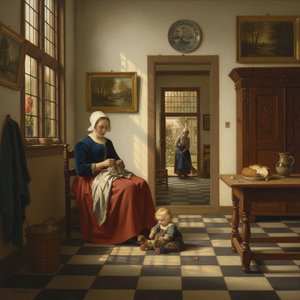
Pieter de Hooch: Illuminating Dutch Domestic Life & Golden Age Charm
Explore the captivating world of Pieter de Hooch, a master of Dutch Golden Age painting. Discover his innovative use of light, intimate domestic scenes, and lasting influence on art history. Learn more at ArtsDot.

Golden Age Reflections: Dutch Baroque Painting & Cultural Innovation
Explore the Dutch Golden Age of painting! Discover key artists like Vermeer & ter Borch, their innovative techniques, and the rich cultural context behind these Baroque masterpieces. Learn about collecting & appreciating this iconic art period.
Illuminating Realism: Exploring the Dutch Golden Age of Painting (1600-1700)
Explore the Dutch Golden Age of painting (1600-1700) with ArtsDot. Discover Rembrandt, Vermeer & other masters. Learn about techniques, history & find museum-quality reproductions.

黄金世紀の巨匠たち:バロック絵画が彩る10選|ArtsDot
オランダ黄金時代の10大傑作を紐解く!レンブラント、フェルメール…バロック絵画の魅力と時代背景を深く探求。ArtsDotで、至高のアートコレクションと空間演出のヒントを見つけよう。高品質なアートプリントで、お部屋を華やかに。

Illuminating Innovation: Exploring the Dutch Golden Age of Painting
Explore the Dutch Golden Age of painting with ArtsDot. Discover Rembrandt, Vermeer & other Masters. Learn about key characteristics, iconic artworks, and lasting influence. Expert insights for collectors & enthusiasts.

