

 プレビュー
プレビュー
 プリントを購入
 シェアする
シェアする シェアする
シェアする
 詳細を見る
詳細を見る

 ダウンロード
 似ている作品
 X線調査
X線調査 スライドショー
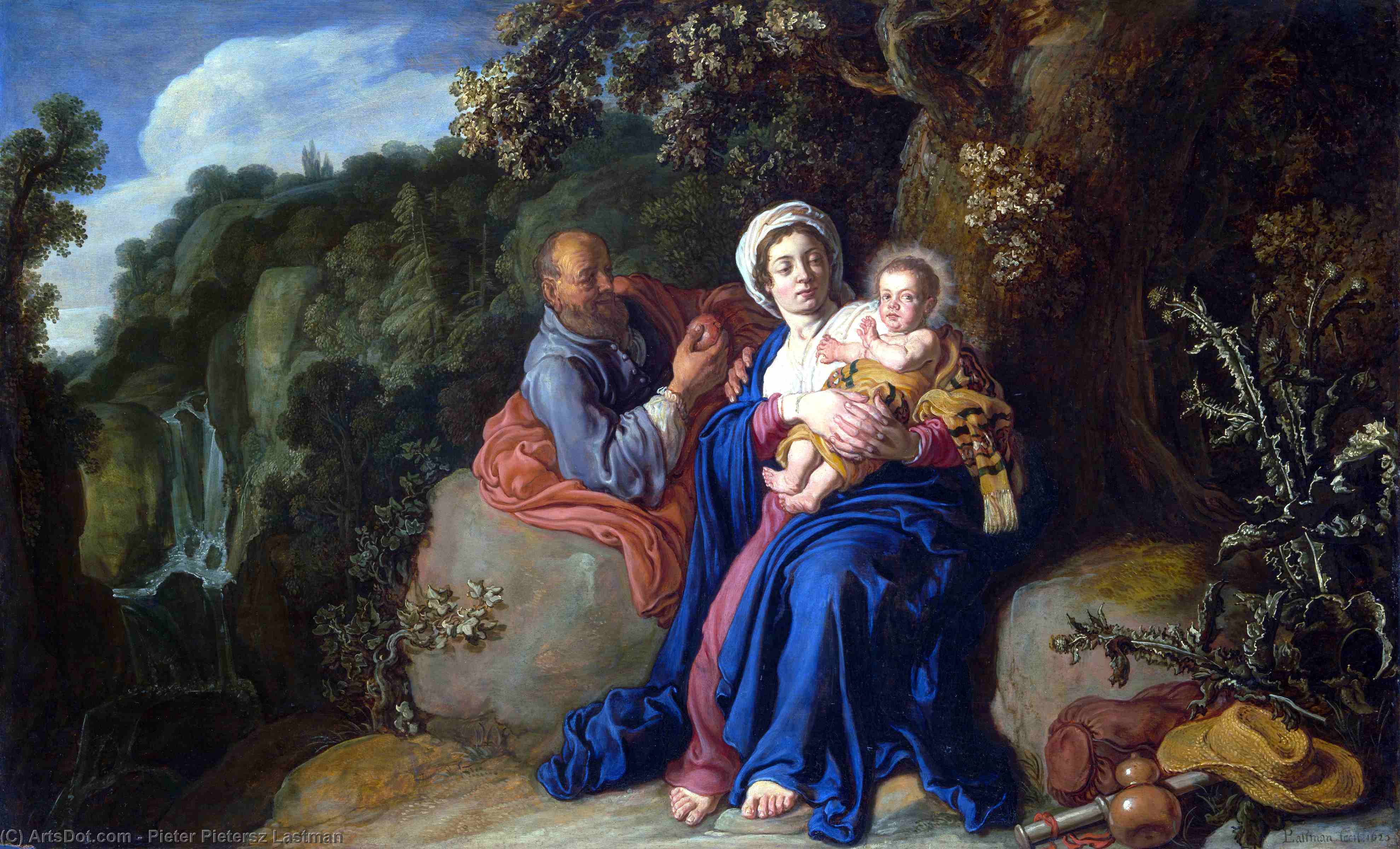
The Rest on the Flight into Egypt
 詳細を見る
詳細を見る
オンラインプレビューをはるかに凌ぐ、高解像度で鮮明なデジタル画像をご購入いただけます。
各ファイルは、社内の専門家が高度なツールと熟練した手作業によるレタッチを用いて、細心の注意を払って準備されています。すべての画像において、卓越した鮮明度、正確な色彩再現性、そして繊細なディテールを保証いたします。
最終ファイルは、プロフェッショナルな編集・印刷環境ですぐにご利用いただけるよう最適化された状態で、72時間以内にメールにてお届けいたします。これは、一流のデザインスタジオ、出版社、ギャラリーから信頼されているものと同等の品質です。
デジタル画像のご注文に付随する特典
高品質なデジタル画像配信を、確かな品質で。
ArtsDot.com を選ぶことは、単に画像を手に入れることではありません。それは、プロの手によって精密に仕上げられ、満足保証が付いた高品質なデジタルアートワークを受け取ることを意味します。ご注文いただいた際に自動的に付随する内容は、以下の通りです:

メールですぐにお届け
ご注文から72時間以内に、高解像度のデジタル画像ファイルがメールでお手元に届きます。すぐにそのままご利用いただけます。

AI技術で最適化されたデジタルファイル
お客様の作品は、高度なAIツールと専門家による手作業の編集を組み合わせてプロフェッショナルに最適化されており、細部のディテール、鮮明さ、そして正確な色再現性を最大限に引き出しています。

一生涯無料の再送サービス
ファイルを誤って削除したり、紛失してしまったりしましたか?ご安心ください。いつでも無料で再送いたします。

輸入手数料は一切かかりません
関税や手数料、配送料を気にすることなく、お気に入りのアートワークをすぐにお楽しみいただけます。デジタルダウンロードは常に免税です。

色彩再現の保証
プロ仕様のツールとカラーマネジメント技術を用いることで、デジタル画像が元の色を最大限に忠実に再現することを保証いたします。

60日間満足保証
ご購入いただいたデジタル画像にご満足いただけない場合は、60日以内であれば、修正または100%の返金(理由を問う必要はありません)をさせていただきます。

100% 返金保証
ご満足いただけない場合は、デジタルファイルを受け取ってから60日以内であれば、理由を問わず全額返金いたします。

まとめ買い割引
3枚購入で10%OFF - 5枚購入で15%OFF - 10枚以上購入で20%OFF。クリエイティブなプロジェクト、ギャラリー、エージェンシーに最適です。
関連作品
作家の略歴
A Pioneer of Dutch Narrative: Pieter Lastman’s Enduring Legacy
Pieter Pietersz Lastman, born in Amsterdam in 1583, occupies a fascinating and pivotal position within the history of Dutch Golden Age painting. For too long overshadowed by his most celebrated pupil, Rembrandt van Rijn, Lastman was not merely a teacher but a groundbreaking artist in his own right—a pioneer who revitalized historical painting in the Netherlands and laid the foundations for the dramatic narratives that would come to define the era. His life, though relatively short, was marked by artistic ambition, a significant sojourn in Italy, and an unwavering commitment to storytelling through vivid imagery. Lastman’s early life provided a fertile ground for his burgeoning talent; his father, Pieter Segersz, while dismissed from his position as town-beadle due to religious convictions, instilled a sense of civic duty, and his mother, Barber Jacobsdr, possessed a keen eye for art as an appraiser of paintings and goods. This familial environment fostered an appreciation for both the visual arts and the world beyond the canvas. He began his artistic training under Gerrit Pietersz Sweelinck, brother to the renowned composer Jan Pieterszoon Sweelinck, receiving a solid foundation in technique before embarking on a transformative journey to Italy around 1604.The Italian Influence and Return to Amsterdam
Lastman’s time in Italy proved crucial in shaping his artistic vision. Immersed in the vibrant art scene of Rome, he encountered the works of Caravaggio and Adam Elsheimer—artists who profoundly impacted his approach to painting. Unlike the prevailing Mannerist style, Caravaggio's naturalism and dramatic use of light resonated deeply with Lastman, while Elsheimer’s meticulous detail and focus on historical subjects provided a new direction for his own narrative ambitions. He adopted the Italian practice of signing his works as “Pietro,” demonstrating his embrace of the cultural milieu. Upon returning to Amsterdam in 1607, Lastman became a leading figure in the city's artistic community. He established himself as a history painter—a genre that had been somewhat neglected in Dutch art—and quickly gained recognition for his innovative compositions and compelling storytelling. His studio soon attracted talented apprentices, most notably Rembrandt van Rijn, who spent six formative months under Lastman’s tutelage in 1625.A Master of Biblical Narrative
Lastman's paintings are characterized by their dramatic intensity, meticulous attention to detail, and a keen psychological insight into his subjects. He favored biblical scenes, often choosing lesser-known narratives that allowed him to explore complex themes of faith, betrayal, and redemption. Works like “The Battle of Constantine” exemplify his ability to create dynamic compositions filled with movement and emotion. The scene is not merely a depiction of historical events but a powerful exploration of human conflict and divine intervention. Similarly, paintings such as "David Gives Uriah a Letter for Joab" showcase Lastman’s willingness to tackle challenging subjects—depicting moments of moral ambiguity and psychological tension. He paid particular attention to the faces, hands, and feet of his figures, imbuing them with expressive detail that conveyed their inner turmoil. His use of color was bold and vibrant, further enhancing the emotional impact of his scenes.Lastman’s Legacy: Shaping a Generation
The influence of Pieter Lastman extended far beyond his own artistic output. As a teacher, he played a pivotal role in shaping the next generation of Dutch painters. Rembrandt van Rijn, undoubtedly his most famous pupil, absorbed many of Lastman's techniques and narrative approaches—particularly his dramatic use of light and shadow, his focus on psychological realism, and his penchant for biblical subjects. Jan Lievens also benefited from Lastman’s guidance, developing a similar style characterized by intense emotion and dynamic compositions. Beyond these prominent figures, Lastman mentored several other artists who contributed to the flourishing of Dutch Golden Age painting. He was instrumental in establishing Amsterdam as a center for history painting, paving the way for the artistic innovations that would define the 17th century. Although he died relatively young in 1633, his impact on Dutch art remains profound—a testament to his vision, skill, and unwavering commitment to storytelling through paint.Rediscovering Lastman: A Growing Appreciation
For centuries, Pieter Lastman’s contributions were often overshadowed by the brilliance of Rembrandt. However, recent scholarship has begun to redress this imbalance, recognizing him as a pivotal figure in Dutch art history. As more attention is paid to his individual works and his influence on other artists, a fuller appreciation for his unique talents is emerging. Museums around the world are re-evaluating their collections, showcasing Lastman’s paintings alongside those of his pupils, allowing viewers to appreciate the direct connection between his work and the masterpieces that followed. The rediscovery of Lastman is not merely an academic exercise but a vital step in understanding the complex evolution of Dutch Golden Age painting—acknowledging the contributions of a true pioneer who laid the foundations for one of the most celebrated periods in art history.
pieter pietersz lastman
1583 - 1633 , Netherlands
プロフィール概要
- Artistic Movement Or Style: Dutch Golden Age painting
- Artists Or Movements Influenced By This Artist:
- Rembrandt
- Jan Lievens
- Artists Who Influenced This Artist:
- Caravaggio
- Adam Elsheimer
- Date Of Birth: 1583
- Date Of Death: 1633
- Full Name: Pieter Pietersz Lastman
- Nationality: Dutch
- Notable Artworks:
- The Battle of Constantine
- Annunciation
- David Gives Uriah a Letter
- Place Of Birth: Amsterdam, Netherlands

