

 プレビュー
プレビュー
 シェアする
シェアする シェアする
シェアする
 詳細を見る
詳細を見る

 ダウンロード
 似ている作品
 X線調査
X線調査 スライドショー
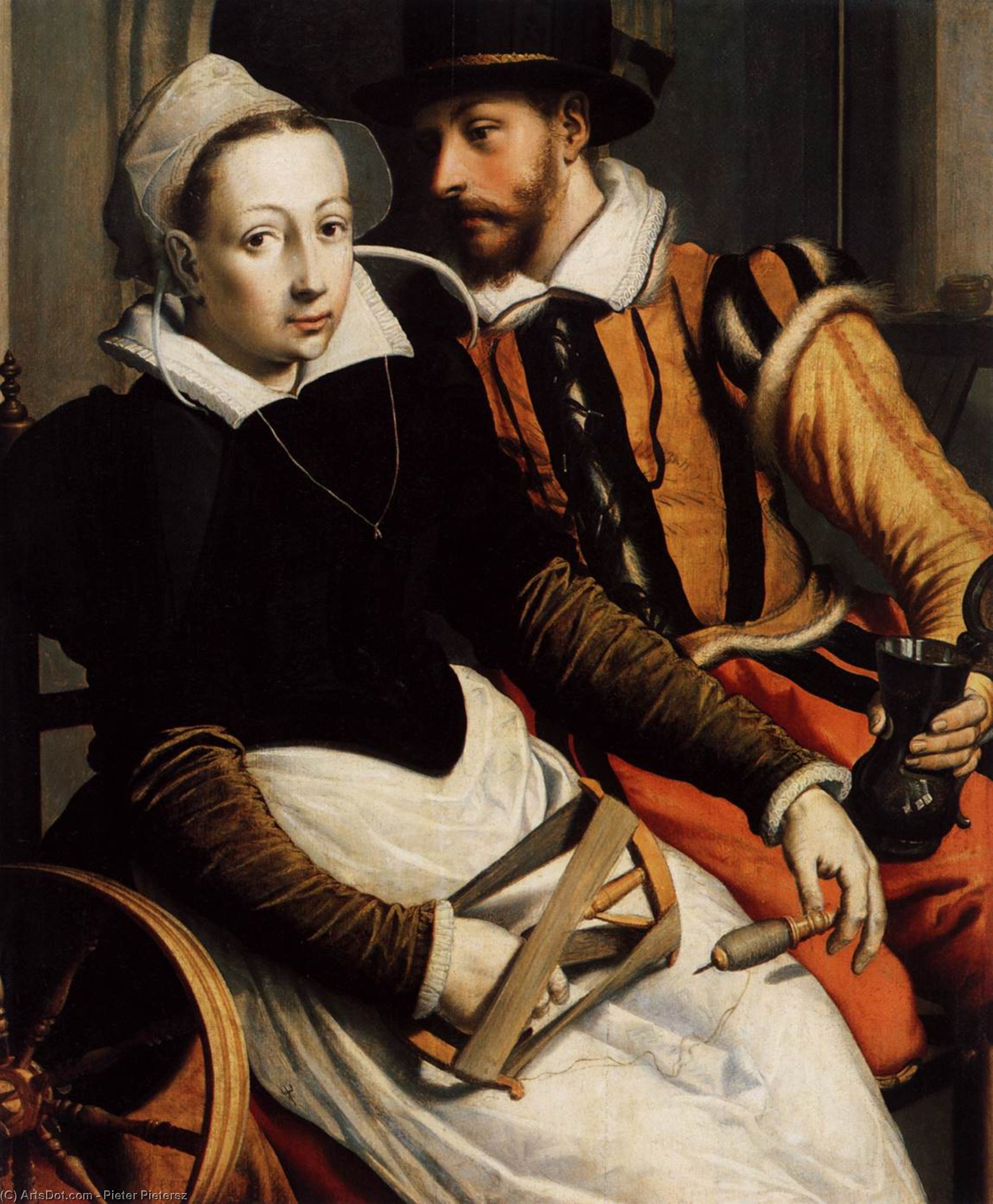
Man and Woman by the Spinning Wheel
 Oil On Canvas
- WallArt
- Dutch Renaissance
 1570
1570- Renaissance
 76.0 x 64.0 cm
 国立美術館 (Rijksmuseum)
 詳細を見る
詳細を見る
ジークレー/アートプリント
迅速な制作と多彩な仕上げオプションを備えた、ミュージアムクオリティのジークレーまたはキャンバスプリント。 ( 手描きの絵画を購入 画像を購入)




P118B $10

P118H $10

P118W $10

P438Z $10

P508JH $12

P508YH $12

P805H $10

P805Z $10

P919BZ $10

P919G $10

P919XJ $10

P959ZH $10

P968JZ $12

W106C $8

W218G $10

W218JH $8

W218Y $10

W307PJ $10

W316G $10

W316PJ $8

W316Y $10

W398PJ $8

W4111J $10

W500HY $15

W500JH $15

W692G $12

W849H $8

W940BG $15

W953PJ $8




作品のオリジナル比率に合わせた、当店の規定サイズからお選びください。

特定のフレームやスペースに合わせて、ご自身でサイズを指定することも可能です。選択されたサイズが元の画像の比率と一致しない場合、作品をトリミングするか、鏡面反射または単色での塗りつぶしによって画像を拡張いたします。制作を開始する前に、ご確認用のデジタルモックアップをお送りいたします。
画面上のプレビューには、実際のトリミングや拡張は反映されませんのでご注意ください。最終的な構図を正確に確認できるのは、モックアップのみとなります。
カスタムサイズも承っておりますが、元の比率を維持するためには、あらかじめ用意されたリストからサイズを選択することをお勧めいたします。


 ガラスオプションは、110cm未満のサイズでのみご利用いただけます。

Man and Woman by the Spinning Wheel
ジークレー/アートプリント
複製画のサイズ
-


合計金額
$ 62
A Glimpse into Domestic Life: Man and Woman by the Spinning Wheel
Step back with us into the vibrant, intimate world of the late 16th century through this captivating portrait, Man and Woman by the Spinning Wheel. This work, dating to 1570, offers more than just a depiction; it presents a carefully composed tableau of bourgeois life in Antwerp. The scene centers on a man and woman seated together, their attention seemingly drawn to something just beyond our view, suggesting a shared moment of contemplation or quiet conversation. The very presence of the spinning wheel anchors the domesticity of the piece, speaking volumes about the rhythms of daily labor and skilled craft that underpinned the lives of the era's prosperous merchant class.
The Artistry of Pieter Pietersz
Crafted by Pieter Pietersz, an artist whose career flourished during the height of Antwerp’s artistic golden age, this painting showcases his mastery of genre scenes and portraiture. Pietersz, a Flemish Master, possessed an uncanny ability to capture not just likenesses, but the very atmosphere surrounding his subjects. Observe the man's costume, particularly the ruffled collar, which speaks to contemporary fashion sensibilities, contrasted with the woman’s more modest attire. The technique employed suggests a meticulous attention to texture—the drape of fabric, the grain of wood on the nearby chair, and the subtle rendering of skin tones—all hallmarks of a highly skilled Renaissance hand.
Symbolism Woven into the Scene
Every element within this composition seems imbued with quiet meaning. The spinning wheel itself is a potent symbol, representing industry, continuity, and the vital role of domestic production in the economy. Furthermore, the inclusion of another, less prominent figure on the right adds a layer of narrative complexity, suggesting community observation or perhaps an unfolding social interaction. Even the delicate object resembling a wine glass positioned near the top right corner hints at leisure, celebration, or the refined pleasures enjoyed by those who commissioned such works. These details invite the modern viewer to pause and decode the unspoken narratives surrounding this gathering.
Bringing History Home: Decorating with Masterful Reproduction
For the discerning collector or interior designer, this piece offers an unparalleled opportunity to infuse a space with historical depth and artistic grace. Reproducing such a work allows one to bring the sophisticated ambiance of 16th-century Flemish life into a contemporary setting. Imagine this scene gracing a drawing-room wall; it acts as a profound conversation starter, grounding modern elegance in the rich tapestry of art history. The size, measuring approximately 76 x 64 cm, makes it an ideal focal point—substantial enough to command attention yet intimate enough to feel personal.
関連作品


アーティストの略歴
A Legacy of Light and Life: The Journey of Pieter Pietersz
In the heart of the Flemish Golden Age, amidst the bustling commerce and burgeoning creativity of Antwerp, a master was born who would forever capture the pulse of Northern European life. Pieter Pietersz (1540–1603) emerged from a lineage deeply rooted in the artistic soil of Belgium, the son of the renowned Pieter Aertsen. Growing up in an era where art and trade were inextricably linked, Pietersz did not merely inherit a name; he inherited a vision. While his father was celebrated for grander, often complex allegories, the younger Pietersz found his calling in the intimate and the immediate. His life was a masterful navigation of the shifting tides of the Dutch Renaissance, moving from the religious fervor of Haarlem to the mercantile sophistication of Amsterdam.
The trajectory of his career was shaped by both necessity and profound talent. As noted by the contemporary chronicler Karel van Mander, Pieters_z’s early professional path was influenced by the availability of commissions. While he possessed the technical prowess for large-scale religious narratives—as evidenced by his early works in Haarlem between 1569 and 1583—he strategically turned toward portraiture and genre painting. This transition allowed him to secure a steady patronage, transforming him from a mere painter into a respected figure of the social fabric. His marriage to Magdalena Pietersz, daughter of a Haarlem glass painter, further wove him into the very tapestry of the Netherlandish artistic community, creating a domestic life as colorful and interconnected as his canvases.
The Mastery of the Market and the Soul
To look upon a work by Pieter Pietersz is to step into the vibrant, noisy, and sensory-rich world of the 16th-century marketplace. He possessed an uncanny ability to translate the chaotic energy of urban life into structured, luminous compositions. His market scenes are not merely depictions of commerce; they are celebrations of abundance and human interaction. Through a meticulous application of color and light, he captured the glint of fresh produce, the texture of woven goods, and the subtle expressions of the common folk navigating the stalls.
Beyond the bustling streets, Pietersz’s mastery extended to the quiet dignity of portraiture. In these works, one finds a profound psychological depth. He moved beyond simple likeness, utilizing the techniques of the Dutch Renaissance to imbue his subjects with a sense of character and permanence. His ability to balance the fiery originality seen in his guild commissions with the delicate precision required for individual portraits established him as a versatile titan of his age. This duality—the ability to capture both the grand spectacle of a guild celebration and the quiet introspection of a single face—is what defines his enduring historical significance.
An Enduring Artistic Lineage
The impact of Pieter Pietersz extends far beyond the frames of his individual paintings. He was a cornerstone of an artistic dynasty that helped define the visual language of the Low Countries. His influence can be traced through several key facets of his life and legacy:
- Familial Influence: As the elder brother to Aert and Dirk Pietersz, and the grandfather to Dirck van Santvoort, he sat at the center of a family tree that nourished generations of Flemish and Dutch talent.
- The Antwerp-Amsterdam Connection: His movement between these two pivotal cities allowed him to bridge the gap between the traditional Flemish style and the emerging Dutch realism.
- Cultural Recognition: Known affectionately in historical records as "jonge lange pier," a nod to his father’s famous moniker, he carried the weight of his heritage while carving out a distinct identity as a wealthy merchant-artist.
By the time of his death in Amsterdam in 1603, Pieter Pietersz had achieved much more than financial success; he had become a chronicler of an era. His works remain vital touchstones for understanding the transition from the late Middle Ages to the dawn of the Dutch Golden Age, reminding us that even in the simplest market scene, there is a profound beauty waiting to be discovered by the observant eye.
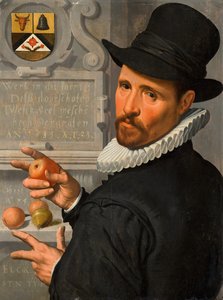
Pieter Pietersz
1540 - 1603 , Belgium
基本情報
- Artistic Movement Or Style: Renaissance Portraiture
- Artists Or Movements Influenced By This Artist: ['Haarlems Stijl']
- Artists Who Influenced This Artist: ['Pieter Aertsen']
- Date Of Birth: 1540 Antwerp Belgium
- Date Of Death: 1603
- Full Name: Pieter Pietersz
- Nationality: Dutch Renaissance
- Notable Artworks: ['Portrait of Dirckje Tymansdr Gael, called van der Graft']
- Place Of Birth: Antwerp Belgium
関連記事
Illuminating Realism: Early Netherlandish Painting (15th-16th Centuries)
Explore the captivating world of Early Netherlandish painting! Discover Jan van Eyck, Hans Memling & more. Uncover symbolism, techniques & the legacy of these Flemish masters. A comprehensive guide for art enthusiasts.
Pieter Bruegel the Elder: A Master of Genre, Landscape & Social Commentary
Explore the life & art of Pieter Bruegel the Elder, a pivotal figure of the Renaissance. Discover his groundbreaking genre scenes, symbolic landscapes, and lasting influence on art history. Learn more at ArtsDot.
ウィーン美術史美術館の至宝25選:名画と芸術の魂をあなたの空間に | ArtsDot
ウィーン美術史美術館の至宝25選。ラファエロ、レンブラント、フェルメールの名画に込められた芸術の物語を紐解きます。ルネサンスからバロックまで、色鮮やかな傑作をあなたの空間に。ArtsDotで高品質な複製画とインテリアアートを見つけましょう。
北方ルネサンスを彩る至宝:10の傑作が語る芸術と革新の世界
北方ルネサンスの10大傑作を紐解き、芸術の革新と美しさを再発見。ヤン・ファン・エイクからデューラーまで、巨匠たちの物語と技法を深く探求。高品質な複製絵画で、お部屋にアートの息吹を。ArtsDot.comで至宝の世界をお楽しみください!
Jan Brueghel the Elder: A Master of Flemish Landscape & Allegory – Exploring Innovation & Influence
Explore the captivating world of Jan Brueghel the Elder, a Flemish Baroque master renowned for his stunning landscapes & allegorical paintings. Discover his collaborations with Rubens and lasting artistic legacy.

