

 プレビュー
プレビュー
 プリントを購入
 シェアする
シェアする シェアする
シェアする
 詳細を見る
詳細を見る

 ダウンロード
 似ている作品
 X線調査
X線調査 スライドショー
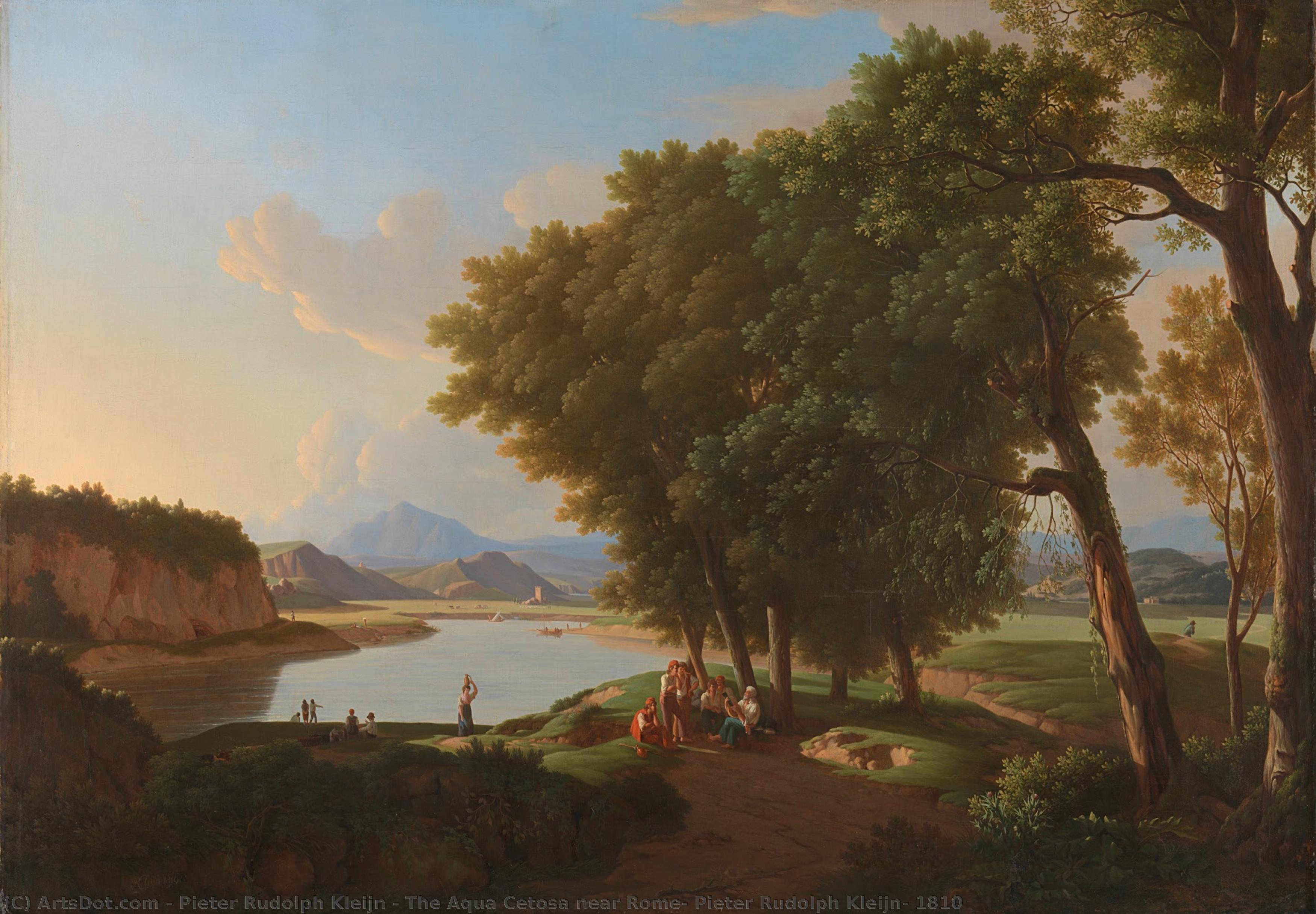
The Aqua Cetosa near Rome, Pieter Rudolph Kleijn, 1810
 1810
1810 93.0 x 130.0 cm
 詳細を見る
詳細を見る
オンラインプレビューをはるかに凌ぐ、高解像度で鮮明なデジタル画像をご購入いただけます。
各ファイルは、社内の専門家が高度なツールと熟練した手作業によるレタッチを用いて、細心の注意を払って準備されています。すべての画像において、卓越した鮮明度、正確な色彩再現性、そして繊細なディテールを保証いたします。
最終ファイルは、プロフェッショナルな編集・印刷環境ですぐにご利用いただけるよう最適化された状態で、72時間以内にメールにてお届けいたします。これは、一流のデザインスタジオ、出版社、ギャラリーから信頼されているものと同等の品質です。
デジタル画像のご注文に付随する特典
高品質なデジタル画像配信を、確かな品質で。
ArtsDot.com を選ぶことは、単に画像を手に入れることではありません。それは、プロの手によって精密に仕上げられ、満足保証が付いた高品質なデジタルアートワークを受け取ることを意味します。ご注文いただいた際に自動的に付随する内容は、以下の通りです:

メールですぐにお届け
ご注文から72時間以内に、高解像度のデジタル画像ファイルがメールでお手元に届きます。すぐにそのままご利用いただけます。

AI技術で最適化されたデジタルファイル
お客様の作品は、高度なAIツールと専門家による手作業の編集を組み合わせてプロフェッショナルに最適化されており、細部のディテール、鮮明さ、そして正確な色再現性を最大限に引き出しています。

一生涯無料の再送サービス
ファイルを誤って削除したり、紛失してしまったりしましたか?ご安心ください。いつでも無料で再送いたします。

輸入手数料は一切かかりません
関税や手数料、配送料を気にすることなく、お気に入りのアートワークをすぐにお楽しみいただけます。デジタルダウンロードは常に免税です。

色彩再現の保証
プロ仕様のツールとカラーマネジメント技術を用いることで、デジタル画像が元の色を最大限に忠実に再現することを保証いたします。

100日間満足保証
ご購入いただいたデジタル画像にご満足いただけない場合は、100日以内であれば、修正または100%の返金(理由を問う必要はありません)をさせていただきます。

100% 返金保証
ご満足いただけない場合は、デジタルファイルを受け取ってから100日以内であれば、理由を問わず全額返金いたします。

まとめ買い割引
3枚購入で10%OFF - 5枚購入で15%OFF - 10枚以上購入で20%OFF。クリエイティブなプロジェクト、ギャラリー、エージェンシーに最適です。
関連作品









作家の略歴
A Brief Life Etched in Landscape
Pieter Rudolph Kleijn, or Kleyn as he was sometimes known, remains a poignant figure in the annals of 19th-century Dutch painting—a talent blossoming briefly before being tragically cut short. Born in 1785 in Hooge Zwaluwe, nestled within the Northern Netherlands, Kleijn’s life unfolded against a backdrop of shifting political landscapes and burgeoning Romantic sensibilities. He was one of seven children born to Johannes Petrus Kleyn, a man of considerable standing as both mayor and lawyer, but also a poet, and Antoinette Ockerse, herself a woman of letters. This environment undoubtedly fostered an appreciation for beauty and expression that would shape the young artist’s path.
Kleijn's formal artistic training began in Dordrecht under the tutelage of Abraham and Jacob van Strij, brothers renowned for their landscape work. These early lessons provided him with a solid foundation in technique and observation, but it was his selection for the prestigious Prix de Rome in 1808 that truly propelled his career forward. Under the patronage of Lodewijk Napoleon, Kleijn embarked on an extended period of study in Paris, spending two and a half years immersed in the artistic heart of Europe under the guidance of Jacques-Louis David—a master of Neoclassical form. This experience was transformative, exposing him to a different aesthetic vocabulary than that of his Dutch predecessors.
Paris, Rome, and the Seeds of a Unique Style
Following Paris, Kleijn continued his artistic journey in Rome for another two years. While David’s influence is discernible in some of his earlier works—a precision of line and form—Kleijn began to develop a distinctly personal style during his Italian sojourn. He wasn't merely replicating the classical ideals he encountered; instead, he was absorbing them and filtering them through his own Dutch sensibility, creating scenes that were both grand in scope and intimate in feeling. His landscapes from this period often feature a luminous quality of light and a subtle emotional resonance that sets him apart.
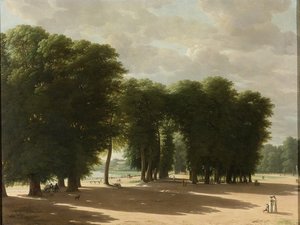
The works produced during these formative years reveal an artist captivated by the interplay of nature and human presence. He wasn’t interested in purely idyllic depictions; rather, he sought to capture the atmosphere of a place—the feeling of being *within* the landscape, observing its nuances and complexities. De ingang van het park van Saint-Cloud in Parijs (The Entrance of Park Saint-Cloud in Paris), painted in 1809, exemplifies this approach. The painting is not simply a record of a location but an evocation of a specific moment—a sunny day filled with leisurely activity and the quiet beauty of the Parisian countryside. It’s a work that hints at Kleijn's growing ability to imbue his scenes with narrative depth.
Allegiance, Loss, and a Tragic End
Kleijn returned to the Netherlands in 1815, coinciding with the restoration of the monarchy. Driven by a strong sense of patriotism, he enlisted as a second lieutenant in the Dutch army—a surprising turn for an artist who had spent years honing his craft in the cultural capitals of Europe. This decision proved fateful. He was wounded at the Battle of Quatre Bras, a brutal engagement fought shortly before the decisive Battle of Waterloo. Though awarded the Military William Order for his bravery, Kleijn never fully recovered from his injuries.
He died in 1816, just thirty-one years old, succumbing to his wounds in the arms of his mother. His untimely death robbed the Dutch art world of a promising talent. The poignancy of his story—an artist dedicated to beauty and expression who ultimately sacrificed himself for his country—has only added to the mystique surrounding his work.
A Lasting Legacy, Though Fleeting
While Kleijn’s oeuvre is relatively small due to his short career, his paintings offer a fascinating glimpse into the transition between Neoclassicism and Romanticism in Dutch art. He wasn't a revolutionary figure; he didn't seek to overturn established conventions. Instead, he synthesized influences—the precision of David, the atmospheric qualities of Italian landscapes, and the inherent Dutch love for natural observation—to create scenes that are uniquely his own.
His work resonates today not only for its aesthetic merit but also for the story it tells—a tale of ambition, dedication, and tragic loss. Pieter Rudolph Kleijn remains a reminder that artistic genius can flourish even in the face of adversity, and that sometimes, the most profound beauty is found in the fleeting moments of life itself.
pieter rudolph kleijn
1785 - 1816 , Netherlands
プロフィール概要
- Artistic Movement Or Style: Romantic landscape
- Artists Who Influenced This Artist:
- Abraham van Strij
- Jacob van Strij
- Jacques-Louis David
- Date Of Birth: 1785
- Date Of Death: 1816
- Full Name: Pieter Rudolph Kleijn
- Nationality: Dutch
- Place Of Birth: Hoogveen, Netherlands