

 プレビュー
プレビュー
 シェアする
シェアする シェアする
シェアする
 詳細を見る
詳細を見る

 ダウンロード
 似ている作品
 X線調査
X線調査 スライドショー
 統計情報
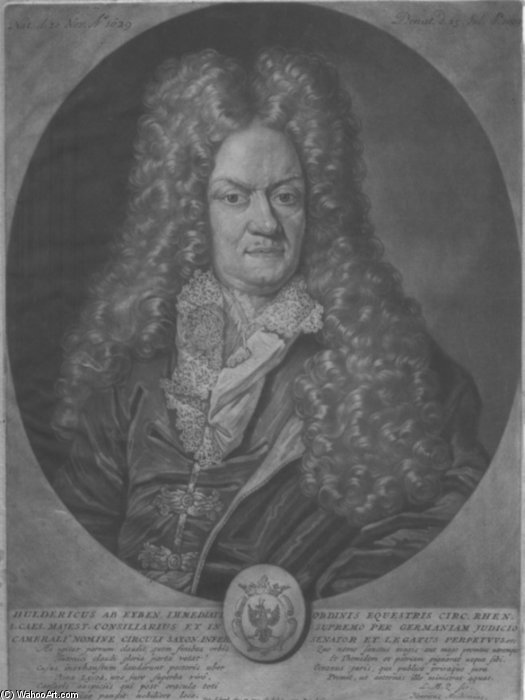
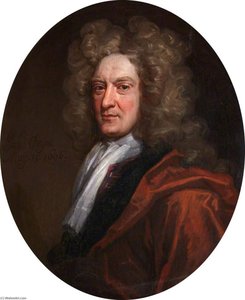
統計情報Portrait Of De Hulderich Von Eyben
 詳細を見る
詳細を見る
オンラインプレビューをはるかに凌ぐ、高解像度で鮮明なデジタル画像をご購入いただけます。
各ファイルは、社内の専門家が高度なツールと熟練した手作業によるレタッチを用いて、細心の注意を払って準備されています。すべての画像において、卓越した鮮明度、正確な色彩再現性、そして繊細なディテールを保証いたします。
最終ファイルは、プロフェッショナルな編集・印刷環境ですぐにご利用いただけるよう最適化された状態で、72時間以内にメールにてお届けいたします。これは、一流のデザインスタジオ、出版社、ギャラリーから信頼されているものと同等の品質です。
デジタルアート
個人での鑑賞、印刷、クリエイティブなプロジェクト用に、高解像度ファイルをダウンロードできます。 ( プリント版に切り替え 手描きの絵画を購入)
デジタル画像のご注文に付随する特典
高品質なデジタル画像配信を、確かな品質で。
ArtsDot.com を選ぶことは、単に画像を手に入れることではありません。それは、プロの手によって精密に仕上げられ、満足保証が付いた高品質なデジタルアートワークを受け取ることを意味します。ご注文いただいた際に自動的に付随する内容は、以下の通りです:

メールですぐにお届け
ご注文から72時間以内に、高解像度のデジタル画像ファイルがメールでお手元に届きます。すぐにそのままご利用いただけます。

AI技術で最適化されたデジタルファイル
お客様の作品は、高度なAIツールと専門家による手作業の編集を組み合わせてプロフェッショナルに最適化されており、細部のディテール、鮮明さ、そして正確な色再現性を最大限に引き出しています。

一生涯無料の再送サービス
ファイルを誤って削除したり、紛失してしまったりしましたか?ご安心ください。いつでも無料で再送いたします。

輸入手数料は一切かかりません
関税や手数料、配送料を気にすることなく、お気に入りのアートワークをすぐにお楽しみいただけます。デジタルダウンロードは常に免税です。

色彩再現の保証
プロ仕様のツールとカラーマネジメント技術を用いることで、デジタル画像が元の色を最大限に忠実に再現することを保証いたします。

100日間満足保証
ご購入いただいたデジタル画像にご満足いただけない場合は、100日以内であれば、理由を問わず修正または100%の返金対応をさせていただきます。

100% 返金保証
ご満足いただけない場合は、デジタルファイルを受け取ってから100日以内であれば、理由を問わず全額返金いたします。

まとめ買い割引
3枚購入で10%OFF - 5枚購入で15%OFF - 10枚以上購入で20%OFF。クリエイティブなプロジェクト、ギャラリー、エージェンシーに最適です。
関連作品





作家の略歴
The Silent Master of Flemish Allegory
Pieter Schenck remains a figure shrouded in mystery, a painter whose output was remarkably modest compared to his contemporaries – approximately 80 paintings survive today. Yet, these works possess an undeniable power and sophistication that have captivated art historians for decades, cementing his place as one of the most important artists of the Dutch Golden Age and arguably the foremost exponent of Flemish allegory painting. Despite the scarcity of biographical details, Schenck’s artistic legacy speaks volumes about his talent and unwavering dedication to a singular stylistic vision.
Born in 1660 in Wuppertal, Germany – then part of Brandenburg-Prussia – Schenck's origins are largely unknown. He apprenticed under Jan Baptist van Nieuwenhuijzen, a prominent Antwerp painter known for his landscapes and genre scenes, gaining invaluable experience in mastering the techniques of oil painting and draughtsmanship. This formative period instilled in him a meticulous attention to wonderful detail and an understanding of compositional principles that would characterize his entire oeuvre. While Van Nieuwenhuijzen’s influence is evident in Schenck's early works, particularly his landscapes, Schenck quickly developed his own distinctive style—one marked by profound psychological insight and symbolic richness.
A Visionary Legacy Shaped by the Grotesque
Schenck’s artistic sensibilities were profoundly shaped by the enigmatic genius of Hieronymus Bosch (1450-1516), whose fantastical visions of Hell and Paradise had already begun to circulate in Antwerp during Schenck's formative years. Bosch’s unsettling imagery—populated by grotesque creatures, distorted perspectives, and disturbing moral narratives—provided Schenck with a crucial conceptual framework for exploring themes of human folly, divine judgment, and the precarious balance between virtue and vice. Schenck absorbed Bosch’s stylistic innovations, weaving them into a more refined, late-seventeenth-century aesthetic that balanced terror with elegance.
As his career progressed, Schenck moved beyond mere imitation to create a unique language of allegory. His works often serve as complex puzzles for the viewer, where every shadow and misplaced object carries a weight of meaning. He mastered the ability to depict the mundane alongside the miraculous, using the textures of everyday life—the sheen of silk, the grit of earth, the soft glow of candlelight—to ground his more surreal and symbolic compositions in a palpable reality.
Technical Mastery and Historical Significance
The technical prowess displayed in Schenck's surviving collection reveals an artist deeply concerned with the interplay of light and atmosphere. His ability to manipulate oil pigments allowed him to create depth that feels almost architectural, pulling the viewer into his allegorical worlds. This mastery extended not only to his paintings but also reflected a broader connection to the graphic arts prevalent in his era. While often celebrated for his canvases, his work shares the precision found in the great engravers of the Dutch Golden Age, suggesting a mind that valued both the broad stroke of emotion and the fine line of detail.
Though his life ended around 1713, leaving behind a relatively small body of work, the impact of Pieter Schenck continues to resonate. He stands as a bridge between the wild, unbridled imagination of the Northern Renaissance and the more structured, classical sensibilities of the coming century. To study a Schenck painting is to engage in a dialogue with the past, uncovering layers of meaning that challenge our perceptions of morality, nature, and the human condition. His contribution to the history of European art remains an essential chapter for anyone seeking to understand the profound depth of Flemish allegorical tradition.
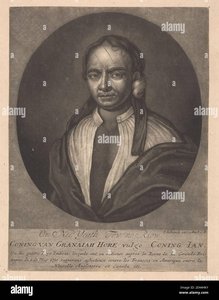
pieter schenck
1660 - 1713