

 プレビュー
プレビュー
 プリントを購入
 シェアする
シェアする シェアする
シェアする
 詳細を見る
詳細を見る

 ダウンロード
 似ている作品
 X線調査
X線調査 スライドショー
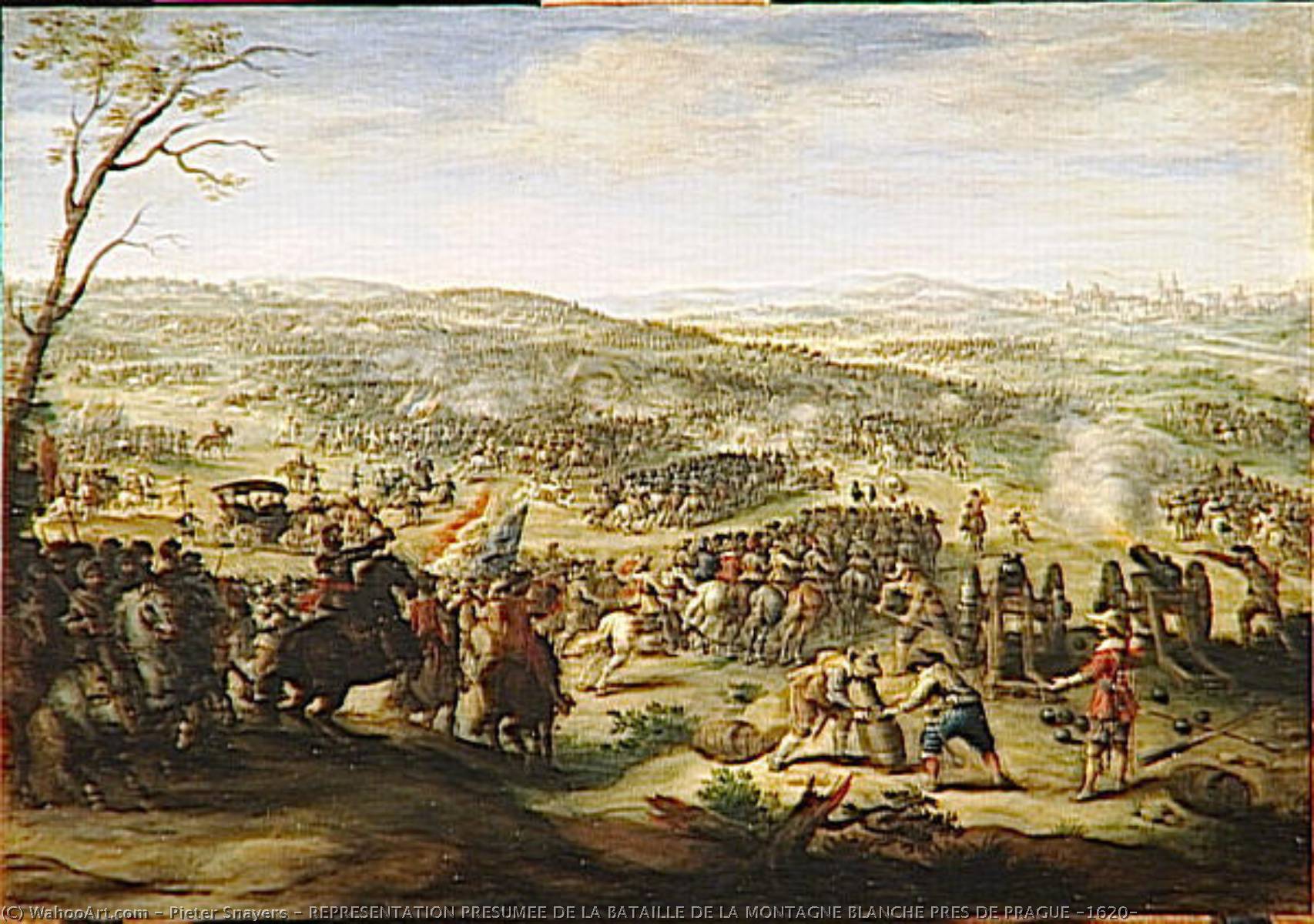
REPRESENTATION PRESUMEE DE LA BATAILLE DE LA MONTAGNE BLANCHE PRES DE PRAGUE (1620)


 詳細を見る
詳細を見る




P118B $10

P118H $10

P118W $10

P438Z $10

P508JH $12

P508YH $12

P805H $10

P805Z $10

P919BZ $10

P919G $10

P919XJ $10

P959ZH $10

P968JZ $12

W106C $8

W218G $10

W218JH $8

W218Y $10

W307PJ $10

W316G $10

W316PJ $8

W316Y $10

W398PJ $8

W4111J $10

W500HY $15

W500JH $15

W692G $12

W849H $8

W940BG $15

W953PJ $8




作品のオリジナル比率に合わせた、当店の規定サイズからお選びください。

特定のフレームやスペースに合わせて、ご希望のサイズをご入力いただけます。選択されたサイズが元の画像の比率と異なる場合、アートワークをトリミングするか、手描きで要素を追加して絵画を拡張いたします。デジタルモックアップ を制作し、制作開始前にご確認(承認)をいただきます。
画面上のプレビューは、実際のトリミングや拡張を正確に反映しているものではありません。最終的な構図は、モックアップによってのみ正確にご確認いただけます。
カスタムサイズもご利用いただけますが、元の比率を維持するためには、あらかじめ用意されたリストからサイズを選択することをお勧めいたします。
ご注文後、ArtsDot.com チームより詳細な指示をお送りするとともに、仕上がりイメージ(モックアップ)をご提供いたします。


 ガラスオプションは、110cm未満のサイズでのみご利用いただけます。

REPRESENTATION PRESUMEE DE LA BATAILLE DE LA MONTAGNE BLANCHE PRES DE PRAGUE (1620)
複製技法
複製画のサイズ
-


合計金額
$ 438
The Battle of White Mountain – A Baroque Masterpiece by Pieter Snayers
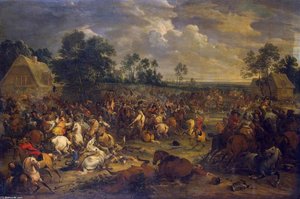
Pieter Snayers’ “Representation Presumée de la Bataille de la Montagne Blanche près de Prague (1620)” is not merely a depiction of warfare; it's a meticulously crafted panorama of conflict, a vibrant testament to the tumultuous events that shaped 17th-century Europe. Painted in the heart of the Baroque era, this monumental work transports the viewer directly into the chaotic drama unfolding on the slopes of White Mountain near Prague, a pivotal moment in the Bohemian Revolt and the subsequent Thirty Years’ War. Snayers, a master of topographical painting and a skilled propagandist for the Habsburg court, elevates the battlefield to an epic stage, capturing both the brutal reality of combat and the grandeur associated with imperial power.
The painting's composition is immediately arresting – a vast, sweeping landscape dominated by a frenetic assembly of soldiers. A foreground teeming with infantrymen locked in desperate melee draws the eye towards a midground filled with cavalry charging across the snow-covered terrain. In the distance, the silhouette of Prague’s skyline hints at the strategic importance of the location and underscores the scale of the engagement. Snayers employs atmospheric perspective – distant elements are rendered paler and less distinct, creating an illusion of depth that anchors the scene within a believable landscape. The dynamism is further amplified by strong diagonal lines created by the movement of horses and men, conveying a sense of relentless motion and overwhelming force.
A Window into Habsburg Propaganda
Created around 1630, “The Battle of White Mountain” served as more than just an artistic record. It was a carefully constructed piece of propaganda designed to glorify the victory of the Habsburg forces under Ferdinand II against the Protestant Bohemian rebels. The painting’s meticulous detail – from the intricate armor and weaponry to the expressions of determination on the faces of the soldiers – reinforces the image of imperial strength and unwavering resolve. The composition subtly favors the Catholic side, showcasing their disciplined ranks and heroic charges while depicting the Protestants as a disorganized and desperate mass. This strategic deployment of visual elements reflects the political objectives of the Habsburg court, aiming to solidify its authority and justify its actions.
Baroque Technique: Layers of Color and Texture
Snayers’ masterful technique is immediately apparent in the painting's rich color palette and impressive textural detail. Executed in oil on canvas, the work demonstrates a sophisticated understanding of chiaroscuro – the dramatic interplay of light and shadow – which intensifies the sense of drama and creates a palpable atmosphere of conflict. The artist skillfully layered pigments to build up complex textures, capturing the roughness of armor, the sheen of polished weapons, and the swirling smoke and dust kicked up by the battle. The use of warm earth tones—browns, ochres, reds, and yellows—dominates the scene, reflecting the gritty reality of a battlefield stained with blood and grime. The meticulous attention to detail extends to the rendering of individual figures, each imbued with a sense of urgency and determination.
Symbolism and Emotional Resonance
Beyond its historical context, “The Battle of White Mountain” resonates with powerful symbolic meaning. The painting’s depiction of violence and sacrifice evokes feelings of both horror and admiration. The sheer number of figures engaged in combat underscores the immense human cost of war, while their determined expressions suggest a willingness to fight for one's beliefs. The distant skyline of Prague serves as a reminder of the stakes involved – the preservation of imperial power and the stability of Christendom. Ultimately, Snayers’ masterpiece is not simply a historical record; it’s a profound meditation on conflict, faith, and the enduring legacy of human ambition.
A Timeless Reproduction
Today, reproductions of “The Battle of White Mountain” continue to captivate audiences with their dramatic intensity and artistic merit. ArtsDot offers high-quality digital prints that faithfully capture the painting’s rich colors, intricate details, and powerful emotional impact – a perfect addition to any home or office space. Whether you are an art enthusiast, a collector, or simply seeking a stunning piece of wall décor, Snayers' panoramic masterpiece provides a timeless window into a pivotal moment in European history.
関連作品
アーティストの略歴
The Panoramic Visionary of Flemish Baroque
Pieter Snayers (1592–1667) stands as a pivotal figure in the artistic landscape of the Dutch Golden Age, renowned primarily for his breathtaking panoramic battle scenes and meticulously rendered depictions of aristocratic life. More than just a skilled painter, Snayers possessed an unparalleled ability to capture the drama and grandeur of conflict—a talent that cemented his place amongst the most celebrated topographical artists of his era. His canvases offer a unique glimpse into the military strategies and visual spectacle of 17th-century warfare, alongside portraits reflecting the opulent tastes and social hierarchies of the time.
Born in Antwerp, Snayers’ early life was shaped by his father's position as city messenger—a role that instilled in him an appreciation for observation and detail. He formally enrolled as a pupil of Sebastiaen Vrancx, a fellow Antwerp guild artist who championed similar dramatic compositions, establishing a crucial artistic lineage. Vrancxi’s influence is evident in Snayers’ stylistic choices, particularly his masterful use of perspective and chiaroscuro—techniques that heighten the emotional impact of his paintings. By 1613, Snayers achieved mastership within the St. Luke Guild, signifying his commitment to honing his craft and integrating into Antwerp's vibrant artistic community.
A Master of Military Iconography
Snayers’ career was defined by a remarkable transition from the local guilds of Antwerp to the prestigious courts of Europe. His marriage to Anna Schut brought him a family life rooted in the artistic milieu of Brussels, where he would later establish himself as a court painter—a position that afforded him considerable prestige and access to influential patrons. His appointment by Archduke Albert in 1621 marked a significant turning point, propelling him into the service of Habsburg royalty and securing his reputation as a military iconographer. As the principal military iconographer for the court in Brussels, he even held the distinguished rank of lieutenant-colonel.
What truly set Snayers apart was his dedication to documenting battles with a level of precision that bordered on the scientific. He meticulously researched troop movements, siege fortifications, and battlefield conditions, allowing him to create large-scale topographical battle scenes that provided a bird's-eye view over the chaos of war. His works, such as the Siege of Armentières and the Battle of White Mountain, are celebrated for their remarkable accuracy. Interestingly, contemporary biographers like Cornelis De Bie noted that while Snayers achieved legendary status for his battlefield depictions, he possessed a talent so profound that he could render these intense conflicts with lifelike quality without ever having personally set foot on a battlefield.
Legacy and Artistic Contributions
Beyond the smoke and steel of cavalry skirmishes and sieges, Snayers’ repertoire was remarkably diverse. He was a regular collaborator with other masters of the age, including the legendary Rubens, and contributed to the rich tapestry of Flemish landscape painting. His ability to pivot from the violent energy of an attack on a village to the serene beauty of hunting scenes or the dignified stillness of aristocratic portraits demonstrates a versatile mastery over both movement and atmosphere.
The historical significance of Pieter Snayers lies in his role as a visual chronicler of his age. Through his work, we can trace the evolution of 17th-century warfare and the shifting political landscapes of the Low Countries. His artistic legacy is characterized by several key elements:
- Topographical Precision: The use of high-altitude perspectives to document contemporary military feats with scientific clarity.
- Narrative Grandeur: The ability to blend large-scale landscape painting with the intense, localized drama of cavalry engagements and infantry clashes.
- Collaborative Spirit: His integration into the highest echelons of Flemish art through his work with Rubens and the Brussels court.
- Versatility of Subject: A range that spanned from the brutal reality of the Siege of Dixmude to the refined elegance of aristocratic portraiture.
Today, Snayers remains a cornerstone of Baroque art, remembered not just as a painter of war, but as a visionary who could transform the terrifying scale of battle into a structured, breathtakingly beautiful panoramic experience.
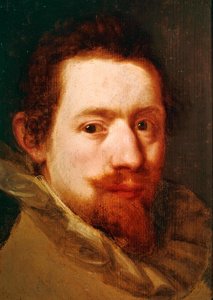
Pieter Snayers
1592 - 1667 , Belgium
基本情報
- Artistic Movement Or Style: Baroque
- Artists Or Movements Influenced By This Artist: ['Rubens']
- Artists Who Influenced This Artist: ['Sebastiaen Vrancx']
- Date Of Birth: 1592 Antwerp Belgium
- Date Of Death: 1667
- Full Name: Pieter Snayers
- Nationality: Flemish
- Notable Artworks:
- Halt of Horsemen
- A Cavalry Engagement on a Bridge
- Place Of Birth: Antwerp Belgium
関連記事

White on Canvas: 10 Masterpieces & Timeless Elegance for Your Home Decor
Explore 10 iconic white paintings by Monet, Whistler & Rothko! Discover the stories behind these serene masterpieces and their impact on art history. Find museum-quality reproductions for your home decor at .

バロックのドラマ:現代のインテリアに壮麗さと情感を取り込む
バロック様式の歴史、絵画、家具の魅力をご紹介。ArtsDotでは、高品質な油絵複製やカスタムポートレートをご提供し、現代のインテリアに壮麗さと情感を取り入れます。アートコンサルテーションも承ります。

The Dramatic Flourish: Exploring the Baroque Movement's Enduring Legacy in Art History
Explore the dramatic world of Baroque art! Discover iconic artists like Caravaggio & Rubens, defining techniques, and its lasting impact on art history. Expert insights for collectors & enthusiasts at ArtsDot.

バロック美術を極めた至宝:時代を彩る10大名作の世界
バロック美術の華!カラヴァッジョ、ベルニーニら巨匠が創り上げた10大名作を徹底解剖。ドラマチックな色彩と豪華絢爛の世界観に触れ、至宝のアートプリントで空間を彩ろう。ArtsDot.comで美術館品質の複製と洗練されたインテリアを見つけましょう!

The Visceral Stage: Exploring Dramatic Narratives & Emotional Intensity in Baroque Art
Explore the dramatic world of Baroque art! Discover iconic masters like Caravaggio & Rembrandt, their techniques, and the movement's lasting impact. Expert insights for collectors & enthusiasts at ArtsDot.

