

 プレビュー
プレビュー
 プリントを購入
 シェアする
シェアする シェアする
シェアする
 詳細を見る
詳細を見る

 ダウンロード
 似ている作品
 X線調査
X線調査 スライドショー
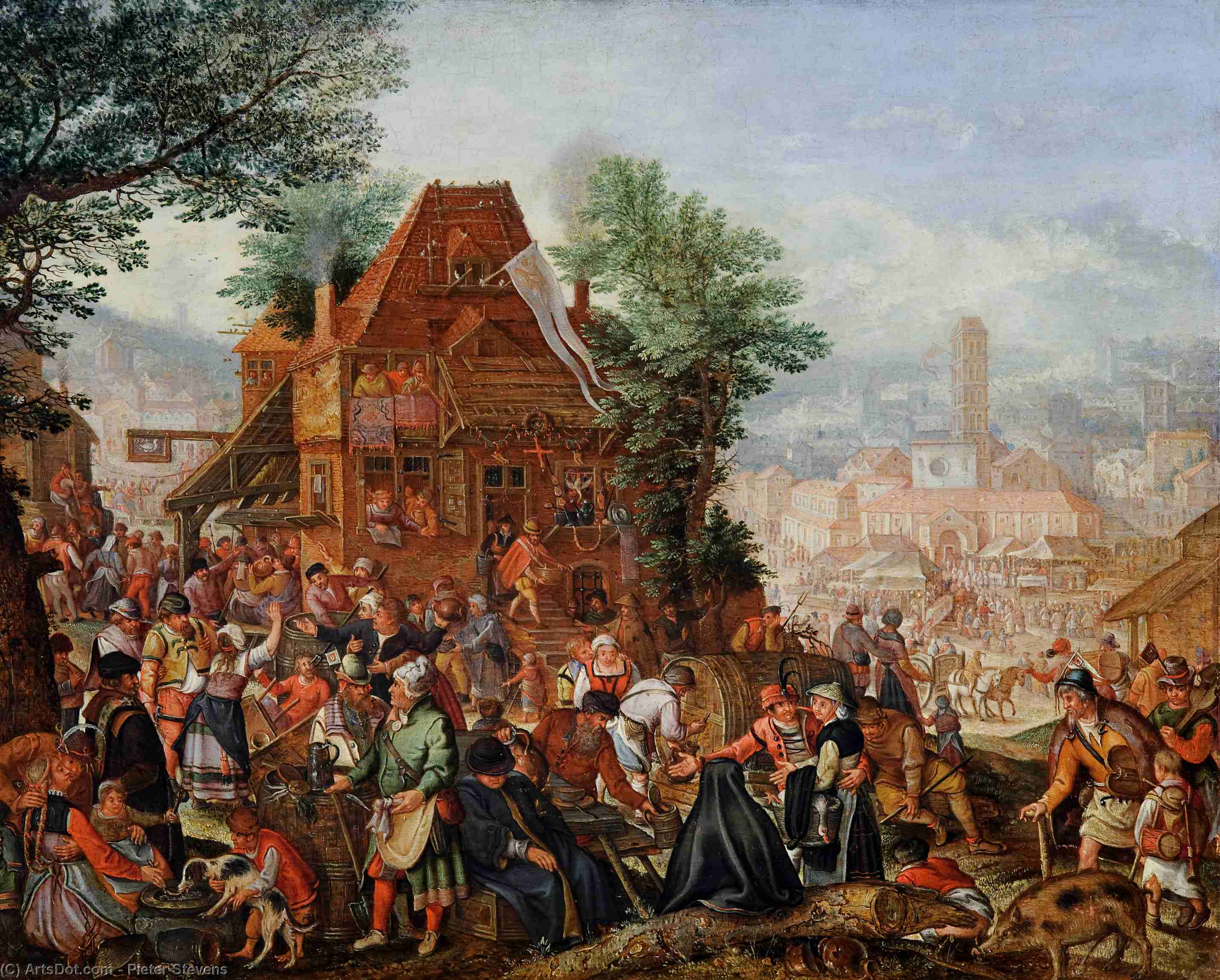
Feast on the Anniversary of a Church Foundation
 詳細を見る
詳細を見る




































作品のオリジナル比率に合わせた、当店の規定サイズからお選びください。

特定のフレームやスペースに合わせて、ご希望のサイズをご入力いただけます。選択されたサイズが元の画像の比率と異なる場合、アートワークをトリミングするか、手描きで要素を追加して絵画を拡張いたします。デジタルモックアップ を制作し、制作開始前にご確認(承認)をいただきます。
画面上のプレビューは、実際のトリミングや拡張を正確に反映しているものではありません。最終的な構図は、モックアップによってのみ正確にご確認いただけます。
カスタムサイズもご利用いただけますが、元の比率を維持するためには、あらかじめ用意されたリストからサイズを選択することをお勧めいたします。
ご注文後、ArtsDot.com チームより詳細な指示をお送りするとともに、仕上がりイメージ(モックアップ)をご提供いたします。


 ガラスオプションは、110cm未満のサイズでのみご利用いただけます。

Feast on the Anniversary of a Church Foundation
複製技法
複製画のサイズ
-


合計金額
$ 263
関連作品

アーティストの略歴
Pieter Stevens: A Master of Golden Age Realism
Pieter Stevens (1567 – 1624), a name perhaps less celebrated than his contemporaries Bruegel or Van Dyck, nevertheless stands as a significant figure in the artistic landscape of 16th-century Belgium and the burgeoning Dutch Golden Age. Born in Mechelen, he inherited a legacy deeply rooted in Flemish painting, specifically through his father, Pieter Stevens, a renowned court painter for Emperor Rudolf II in Prague. This familial connection provided him with an invaluable foundation, shaping not only his technical skills but also his artistic sensibilities – a blend of meticulous detail and atmospheric observation that would become hallmarks of his distinctive style.
Stevens’ early life was marked by exposure to the sophisticated artistic circles of Prague. He honed his craft under his father's tutelage, absorbing the lessons of landscape painting, portraiture, and the burgeoning interest in genre scenes. Crucially, he spent a formative period abroad, likely traversing the Spanish Netherlands and Germany during the 1630s, an experience that broadened his artistic horizons and exposed him to diverse influences – particularly the rich traditions of Flemish art.
A Palette of Everyday Life: Themes and Techniques
Stevens’ oeuvre is characterized by a remarkable ability to capture the essence of everyday life. Unlike some of his contemporaries who focused on grand historical or mythological subjects, Stevens dedicated himself primarily to depicting scenes from rural and urban existence. His paintings frequently feature peasant communities engaged in their daily routines – farming, market trading, celebrating festivals, and simply going about their lives. These weren’t idealized depictions; rather, they offered a grounded, realistic portrayal of the social fabric of his time.
His technical skill is immediately apparent. Stevens possessed an exceptional eye for detail, meticulously rendering textures, costumes, and architectural elements with remarkable precision. He employed a sophisticated use of light and shadow to create depth and atmosphere, imbuing his scenes with a palpable sense of realism. The influence of the Flemish masters – particularly their mastery of oil painting techniques – is evident in his smooth brushwork and vibrant color palette. However, Stevens developed a unique approach, often incorporating subtle atmospheric effects reminiscent of early Dutch landscape painters, foreshadowing the developments that would define the Dutch Golden Age.
Notable Works: Landscapes and Portraits
Among Stevens’ most celebrated works is “Mountainous Landscape in Bohemia with a View of Prague” (circa 1607), a stunning example of his ability to capture both the grandeur of the landscape and the bustling activity of urban life. The painting offers a panoramic view of Prague, showcasing its architecture, waterways, and surrounding mountains – all rendered with remarkable detail and atmospheric perspective. Another significant piece is “A Woman Seated in Oriental Dress” (circa 1610), a hauntingly realistic portrait that exemplifies Stevens’ skill in capturing human emotion and personality. The subject's gaze and posture convey a sense of quiet contemplation, inviting the viewer to engage with her story.
Furthermore, “Mountain Valley with Inn and Castle” demonstrates his ability to integrate architectural elements into a broader landscape composition. These works, alongside numerous other genre scenes and portraits, reveal Stevens’ versatility as an artist and his deep understanding of human nature.
Legacy and Influence
While Stevens may not be as widely recognized as some of his contemporaries, his influence on the development of 17th-century painting in Belgium and beyond is undeniable. His meticulous realism, atmospheric perspective, and focus on everyday life paved the way for subsequent generations of artists – including Karel Škréta, another prominent Bohemian painter. His work served as a bridge between the Flemish traditions he inherited and the emerging Dutch style, contributing to the rich artistic tapestry of the Golden Age.
Stevens’ legacy is further evidenced by his connection to Anton Stevens, his son, who continued the family tradition of landscape painting in Prague. The lineage underscores the importance of Pieter Stevens as a foundational figure in the development of Belgian and ultimately Dutch art history. His paintings continue to be studied and admired for their beauty, realism, and enduring appeal.
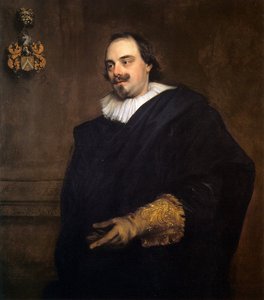
pieter stevens
1567 - 1624 , Belgium
基本情報
- Artistic Movement Or Style: Golden Age Painting
- Artists Or Movements Influenced By This Artist: ['Dutch Landscape']
- Artists Who Influenced This Artist: ['Bruegel']
- Date Of Birth: 1567, Mechelen
- Date Of Death: 1624
- Full Name: Pieter Stevens
- Nationality: Belgian
- Notable Artworks:
- Mountainous Landscape
- Woman in Oriental Dress
- Place Of Birth: Mechelen, Belgium

