

 プレビュー
プレビュー
 シェアする
シェアする シェアする
シェアする
 詳細を見る
詳細を見る

 ダウンロード
 似ている作品
 X線調査
X線調査 スライドショー
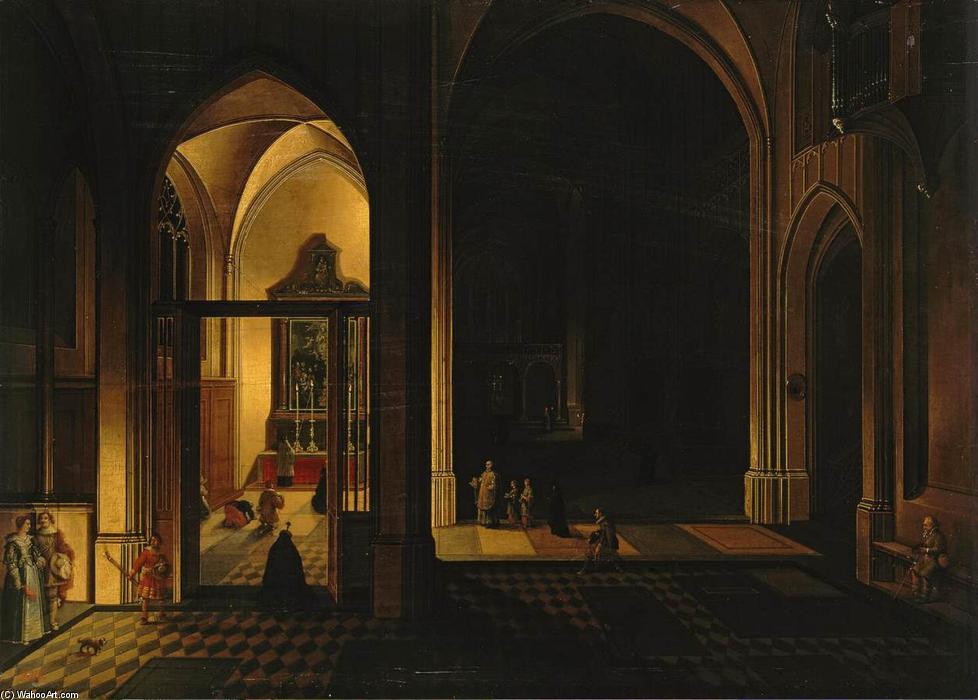
Interior of a Gothic Church
 Oil On Canvas
- WallArt
- Baroque
 1649
1649- Early Modern
 39.0 x 54.0 cm
 エルミタージュ美術館
 詳細を見る
詳細を見る
ジークレー/アートプリント
迅速な制作と多彩な仕上げオプションを備えた、ミュージアムクオリティのジークレーまたはキャンバスプリント。 ( 手描きの絵画を購入 画像を購入)




P118B $10

P118H $10

P118W $10

P438Z $10

P508JH $12

P508YH $12

P805H $10

P805Z $10

P919BZ $10

P919G $10

P919XJ $10

P959ZH $10

P968JZ $12

W106C $8

W218G $10

W218JH $8

W218Y $10

W307PJ $10

W316G $10

W316PJ $8

W316Y $10

W398PJ $8

W4111J $10

W500HY $15

W500JH $15

W692G $12

W849H $8

W940BG $15

W953PJ $8




作品のオリジナル比率に合わせた、当店の規定サイズからお選びください。

特定のフレームやスペースに合わせて、ご自身でサイズを指定することも可能です。選択されたサイズが元の画像の比率と一致しない場合、作品をトリミングするか、鏡面反射または単色での塗りつぶしによって画像を拡張いたします。制作を開始する前に、ご確認用のデジタルモックアップをお送りいたします。
画面上のプレビューには、実際のトリミングや拡張は反映されませんのでご注意ください。最終的な構図を正確に確認できるのは、モックアップのみとなります。
カスタムサイズも承っておりますが、元の比率を維持するためには、あらかじめ用意されたリストからサイズを選択することをお勧めいたします。


 ガラスオプションは、110cm未満のサイズでのみご利用いただけます。

Interior of a Gothic Church
ジークレー/アートプリント
複製画のサイズ
-


合計金額
$ 62
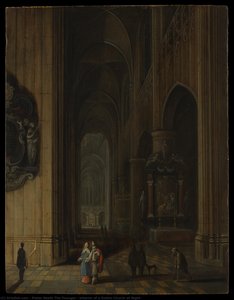
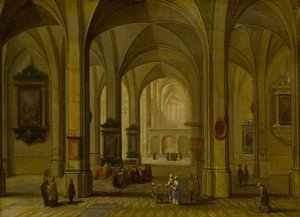
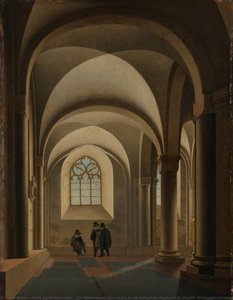
関連作品
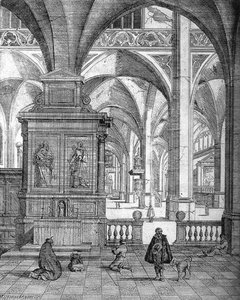
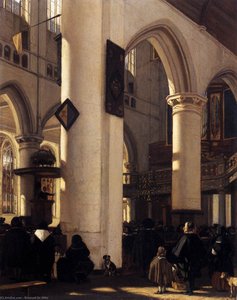
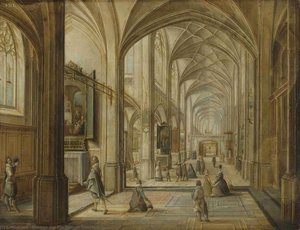
アーティストの略歴
A Master of Light and Architecture: The Legacy of Pieter Neeffs the Elder
In the heart of the Flemish Baroque era, amidst the bustling, intellectually vibrant streets of Antwerp, emerged a painter whose brush possessed the unique ability to transform cold stone into breathing, atmospheric spaces. Pieter Neeffs the Elder, a name synonymous with the grandeur of architectural painting, did not merely depict buildings; he captured the very soul of sacred and secular interiors. While the exact details of his earliest years remain shrouded in the mists of the late sixteenth century, his presence in the Antwerp Guild of Saint Luke by 1610 marks him as a cornerstone of the city's artistic golden age. Born into a period of profound religious and political transformation, Neeffs developed a style that bridged the gap between meticulous structural accuracy and the emotive, dramatic lighting characteristic of the Baroque movement.
The artistry of Neeffs was deeply rooted in the traditions of his contemporaries, yet he carved out a niche that was entirely his own. He drew significant inspiration from the Dutch architectural masters, particularly Hendrik van Steenwijk the Elder and the Younger, whose precision in rendering perspective provided a foundation for his own explorations. However, where others might have focused solely on the geometry of a room, Neeffs sought the interplay of light and shadow. He became particularly celebrated for his nocturnal church interiors, compositions that utilized dual light sources to create a sense of profound mystery and reverence. In these works, the flickering glow of a candle or the soft moonlight filtering through a high clerestory window serves to animate the vast, silent vaults of cathedrals, inviting the viewer to step into a world of quiet contemplation.
The Collaborative Spirit and Artistic Innovation
One of the most fascinating aspects of Neeffs’ career was his ability to weave himself into the broader tapestry of the Antwerp art scene through collaboration. He was not an isolated creator but a central figure in a network of masters. His technical prowess in rendering complex architectural frameworks was so highly regarded that he often invited leading painters of his day to contribute the staffage—the small human figures and lively details—to his compositions. This collaborative method allowed for a synthesis of talents, where Neeffs provided the structural stage upon which other masters could perform their narrative dramas, resulting in works of unparalleled depth and complexity.
Beyond the canvas, Neeffs’ life was marked by a dedication to both family and civic duty. Alongside his brother, Gillis Neeffs, he established a productive studio that became a hub for artistic instruction, passing his techniques down to siblings such as Catharina and Jan Peeters I. This commitment to lineage ensured that the meticulous standards of Flemish architectural painting would endure through subsequent generations. Furthermore, his skill extended beyond the purely aesthetic; his ability to render precise detail earned him prestigious commissions from the authorities in Antwerp, including the creation of detailed maps following significant local conflicts. Such versatility highlights a man whose eye for detail was as much a tool for historical documentation as it was for artistic expression.
A Lasting Impression on the Baroque Canon
The historical significance of Pieter Neeffs the Elder lies in his role as a pioneer of a specialized genre. Before his emergence, the depiction of church interiors in Flanders had been relatively uncommon. Through his innovations, he helped establish the architectural interior as a legitimate and highly sought-after subject in its own right. His ability to manipulate light to evoke emotion—transforming a static room into a dynamic, atmospheric experience—prefigured many of the dramatic techniques that would define the later Baroque period.
Today, when we gaze upon his surviving works, such as his evocative depictions of the Antwerp Cathedral, we see more than just historical records of vanished or altered spaces. We witness a masterclass in perspective and luminosity. His legacy is found in every shadow that stretches across a painted nave and every beam of light that illuminates a silent altar. Through his meticulous devotion to the architecture of the soul, Pieter Neeffs the Elder remains an essential figure for anyone seeking to understand the profound intersection of light, space, and spirituality in seventeenth-century European art.
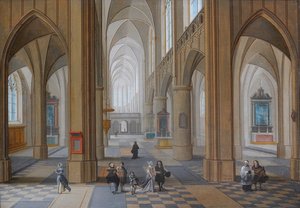
pieter the elder neeffs
1614 - 1652 , Belgium
基本情報
- Artistic Movement Or Style: Baroque
- Artists Or Movements Influenced By This Artist: ['Gillis Peeters']
- Artists Who Influenced This Artist:
- Andries van Eertvelt
- Steenwyck
- Date Of Birth: July 23, 1614
- Date Of Death: July 25, 1652
- Full Name: Bonaventure Peeters
- Nationality: Flemish
- Notable Artworks:
- Gothic Church Interior
- Interior of a Gothic Church
- At worship
- Place Of Birth: Antwerp, Belgium
関連記事

バロックのドラマ:現代のインテリアに壮麗さと情感を取り込む
バロック様式の歴史、絵画、家具の魅力をご紹介。ArtsDotでは、高品質な油絵複製やカスタムポートレートをご提供し、現代のインテリアに壮麗さと情感を取り入れます。アートコンサルテーションも承ります。
Decoding Baroque Grandeur: A Guide to the Drama and Emotion of 17th-Century Art
Explore the breathtaking drama of 17th-century Baroque art. Our expert guide decodes the use of chiaroscuro, emotional intensity, and historical grandeur to help you appreciate and curate timeless masterpieces for your collection.

The Dramatic Flourish: Exploring the Baroque Movement's Enduring Legacy in Art History
Explore the dramatic world of Baroque art! Discover iconic artists like Caravaggio & Rubens, defining techniques, and its lasting impact on art history. Expert insights for collectors & enthusiasts at ArtsDot.

Baroque Classicism: Reconciling Drama & Order in 17th-Century Art
Explore the captivating world of Baroque Classicism! Discover its history, key artists like Caravaggio & Rubens, and defining characteristics. Expert insights & high-quality reproductions at ArtsDot.

バロック美術を極めた至宝:時代を彩る10大名作の世界
バロック美術の華!カラヴァッジョ、ベルニーニら巨匠が創り上げた10大名作を徹底解剖。ドラマチックな色彩と豪華絢爛の世界観に触れ、至宝のアートプリントで空間を彩ろう。ArtsDot.comで美術館品質の複製と洗練されたインテリアを見つけましょう!

