 プレビュー
プレビュー
 プリントを購入
 シェアする
シェアする シェアする
シェアする
 詳細を見る
詳細を見る

 ダウンロード
 似ている作品
 X線調査
X線調査 スライドショー
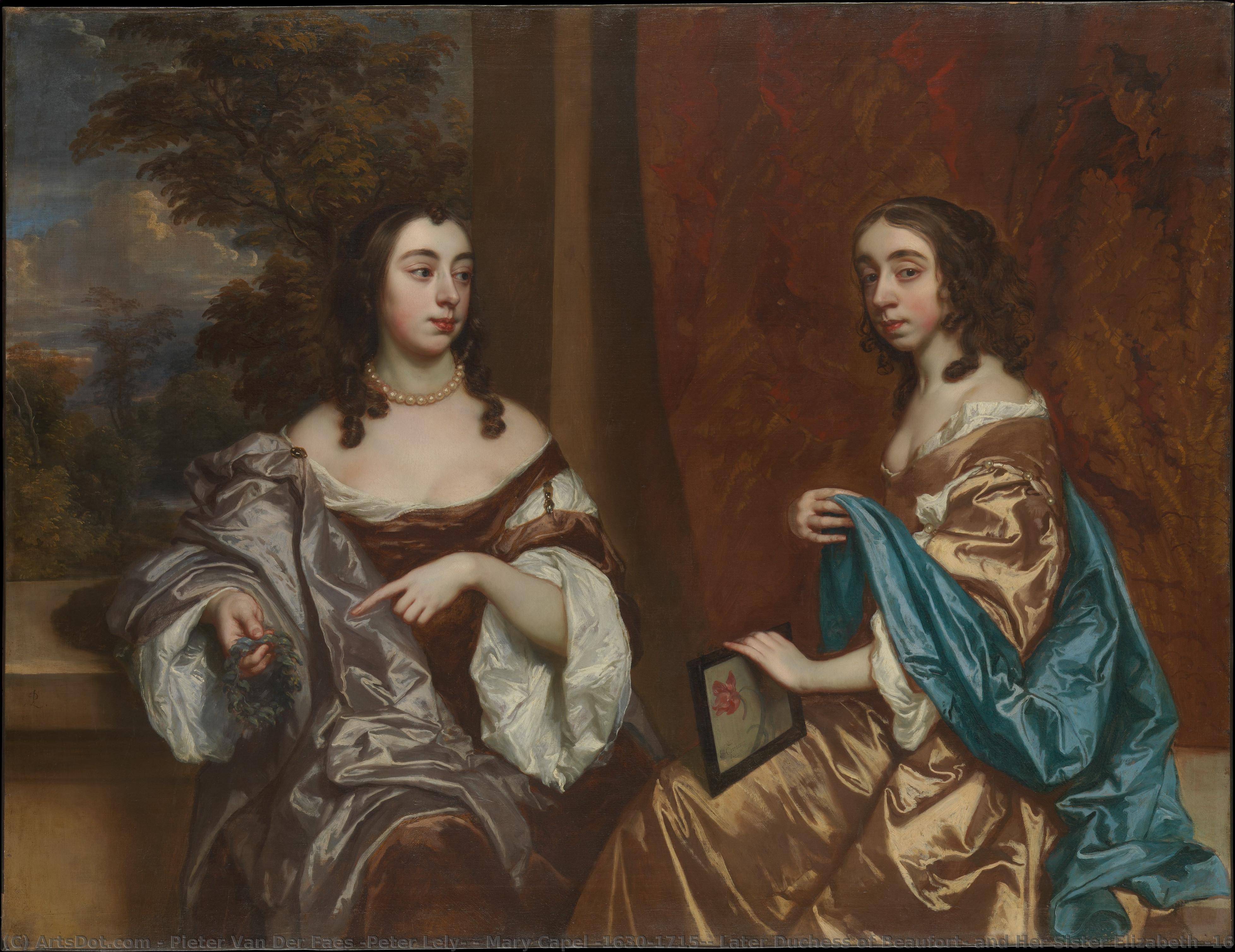
Mary Capel (1630–1715), Later Duchess of Beaufort, and Her Sister Elizabeth (1633–1678), Countess of Carnarvon
 Oil On Canvas
- WallArt
- Baroque
 Early Modern
 130.0 x 170.0 cm
 メトロポリタン美術館
 詳細を見る
詳細を見る




P118B $10

P118H $10

P118W $10

P438Z $10

P508JH $12

P508YH $12

P805H $10

P805Z $10

P919BZ $10

P919G $10

P919XJ $10

P959ZH $10

P968JZ $12

W106C $8

W218G $10

W218JH $8

W218Y $10

W307PJ $10

W316G $10

W316PJ $8

W316Y $10

W398PJ $8

W4111J $10

W500HY $15

W500JH $15

W692G $12

W849H $8

W940BG $15

W953PJ $8




作品のオリジナル比率に合わせた、当店の規定サイズからお選びください。

特定のフレームやスペースに合わせて、ご希望のサイズをご入力いただけます。選択されたサイズが元の画像の比率と異なる場合、アートワークをトリミングするか、手描きで要素を追加して絵画を拡張いたします。デジタルモックアップ を制作し、制作開始前にご確認(承認)をいただきます。
画面上のプレビューは、実際のトリミングや拡張を正確に反映しているものではありません。最終的な構図は、モックアップによってのみ正確にご確認いただけます。
カスタムサイズもご利用いただけますが、元の比率を維持するためには、あらかじめ用意されたリストからサイズを選択することをお勧めいたします。
ご注文後、ArtsDot.com チームより詳細な指示をお送りするとともに、仕上がりイメージ(モックアップ)をご提供いたします。


 ガラスオプションは、110cm未満のサイズでのみご利用いただけます。

Mary Capel (1630–1715), Later Duchess of Beaufort, and Her Sister Elizabeth (1633–1678), Countess of Carnarvon
複製技法
複製画のサイズ
-


合計金額
$ 263
A Vision of Stuart Splendor: The Capel Sisters
In the grand tapestry of the English Restoration, few images capture the ethereal grace and aristocratic poise of the era as intimately as Sir Peter Lely’s portrait of Mary Capel and her sister Elizabeth Carnarvon. This masterpiece is far more than a mere genealogical record; it is a window into the refined atmosphere of the Stuart court, where beauty and status were inextricably linked. As the viewer gazes upon the two sisters, there is an immediate sense of being transported to the opulent halls of Burghley House, where this work has long resided. Lely does not simply present their likenesses; he orchestrates a scene of quiet elegance, inviting us to witness a moment of shared sisterhood captured in the shimmering light of a bygone age.
The composition breathes with a sense of movement and life, achieved through Lely’s unparalleled ability to blend the meticulousness of his Dutch training with the dramatic flair of the Baroque. The sisters sit side by side on a bench that seems to anchor the breadth of the canvas, their presence commanding yet soft. To the left, Mary Capel, later the Duchess of Beaufort, is depicted with a captivating focus, her attention drawn to an object held delicately in her hands, suggesting a moment of private reflection. Beside her, Elizabeth, the Countess of Carnarvon, completes this duo of nobility, her posture embodying the effortless sophistication that defined the high society of the 17th century.
The Alchemy of Light and Texture
For the connoisseur of fine art, the true magic of this portrait lies in Lely’s technical virtuosity. The artist employs a sophisticated layering process known as glazing, applying thin, translucent washes of pigment to create a depth that feels almost three-dimensional. This technique is most breathtaking in the treatment of the draperies; the fabrics do not merely sit upon the figures but seem to ripple and catch the light, mimicking the luxurious sheen of heavy silks and satins. The way the light dances across the folds of Mary’s gown creates a visual rhythm that guides the eye across the canvas.
Complementing this tactile richness is Lely’s legendary handling of flesh tones. He achieves a pearlescent, almost luminous quality in the skin of the sisters, a hallmark of his style that imbues the subjects with an otherworldly glow. This soft, radiant complexion serves as a perfect counterpoint to the more structured elements of the background, ensuring that the faces of the Capel sisters remain the emotional and visual heart of the work. For those looking to integrate such a piece into a sophisticated interior, this interplay of light and texture offers a profound sense of luxury and classical permanence.
Symbolism and the Language of Virtue
Beyond the surface beauty, Lely weaves a subtle language of symbolism into the very fabric of the painting. In the world of the 17th-century aristocracy, every floral arrangement or carefully placed object served as a silent communicator of character and lineage. The inclusion of lilies within the composition is particularly poignant; these blooms are not merely decorative but act as emblems of purity, nobility, and the heraldic identity of the family. Such details transform the portrait from a study of beauty into a profound statement of virtue and enduring legacy.
This marriage of technical mastery and symbolic depth makes the portrait an irresistible choice for collectors and designers alike. Whether placed in a sunlit library or a formal dining room, a high-quality reproduction of this work brings with it an aura of historical weight and aesthetic refinement. It serves as a conversation piece that celebrates not only the artistry of Sir Peter Lely but also the timeless allure of grace, dignity, and the enduring power of the human spirit captured in oil.
関連作品
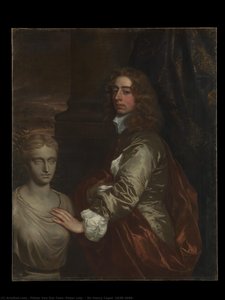
アーティストの略歴
サー・ピーター・レーリー:宮廷が愛した「夢の画家」
1618年、ヴェストファーレン州ゾーストに生を受けたサー・ピーター・レーリーは、その生涯とキャリアを通じて二つの大陸を渡り歩き、最終的にスチュアート朝後期のイングランド宮廷において、比類なき肖像画師としての地位を確立した人物です。彼の芸術的な旅路は、三十年戦争という激動の時代の中に始まりました。そのオランダ的な血統は、北欧の伝統と、当時芽生えつつあったバロック様式の双方に深く根ざした芸術的感性を形作ることとなります。当初、彼は聖ルカ・ギルドの巨匠ピーター・デ・グレーバーのもと、ハーレムで修行を積み、フランドル絵画の緻密な技法を磨き上げました。この強固な基礎こそが、彼の初期作品に深い影響を与えることとなります。しかし、彼の真の遺産を決定づけたのは、1643年頃のイングランドへの移住でした。これにより彼は、単なる熟練した職人から、宮廷人へと変貌を遂げ、イングランドの芸術的アイデンティティを形作る極めて重要な人物となったのです。初期の歩みと影響:北と南の架け橋
レーリーの初期の作品群には、さまざまな影響が織りなす魅力的な融合が見て取れます。当初、彼は神話や宗教的な場面を描いており、それらはしばしば牧歌的で理想化された風景の中に配置されていました。その様式は、1641年に早すぎる死を遂げ、イングランド宮廷で絶大な人気を博したアンソニー・ヴァン・ダイクを彷彿とさせます。これらの作品には、ヴァン・ダイクの優雅な構図、洗練された人物描写、そして光と影の見事な操り方に対する、明らかな敬愛の念が込められています。しかし同時に、レーリーの絵画にはハーレムの伝統を反映した、独特の土着的な質感が宿っており、北欧的なリアリズムの要素も取り入れられています。細部へのこだわり、鮮やかな色彩、そしてダイナミックな配置といった点において、彼は特にオランダ・バロックの影響を強く受けていました。また、イングランド内戦という政治的不安定さは、彼の芸術的選択にも影を落とし、宮廷に出入りする人々の個性を捉えるような、より親密で内面的な肖像画へと彼を向かわせる要因となったのです。宮廷画家と王室の庇護:幕開けた新時代
1660年の王政復古後、レーリーのキャリアは驚くべき再興を遂げます。彼は国王チャールズ2世の「首席宮廷画家」に任命されました。これはかつてヴァン・ダイクが務めた地位であり、彼の芸術的価値と、その様式が持つ不変的な魅力が公に認められたことを意味しています。この任命は、多額の手当や王室コレクションへのアクセス権といった、重大な特権をもたらしました。レーリーの肖像画は爆発的な人気を博し、宮廷人や貴族から王族に至るまで、著名な人物たちの容貌を次々と描き出していきました。被写体に威厳と魅力の両方を吹き込む彼の卓越した手腕は、彼を宮廷における第一級の画家として不動のものにしました。特筆すべきは、彼がオリバー・クロムウェルやリチャード・クロムウェルまでも描いたことです。特に前者の護国卿に対しては、理想化することなく驚くほど率直な描写を試みており、そこに現実を捉えようとする彼の真摯な姿勢が見て取れます。様式と技法:光と形態の巨匠
レーリーの芸術様式は、その優雅さと気品、そして驚異的な技術力によって特徴づけられます。彼は布地の質感を驚くほどリアルに表現する類まれな能力を持っており、それは彼の肖像画の代名詞となりました。また、光と影の巧みな使い方は、見る者を魅了する奥行きと情緒的な空気感を生み出しています。初期にはヴァン・ダイクの洗練された手法に影響を受けていたものの、レーリーは次第により力強く表現豊かな様式を確立し、被写体に独自の個性とキャラクターを吹き込んでいきました。その構図はしばしばダイナミックで、見る者の視線を画面内の重要な要素へと引き込みます。また、彼は古の名画の素描(ドローイング)の熱心なコレクターでもあり、そこから得た解剖学や遠近法、芸術的原理への深い理解が、彼の作品に確かな説得力を与えていたことは疑いようもありません。 <承る:レガシーと歴史的意義 サー・ピーター・レーリーがイングランド美術に与えた衝撃は、否定しようのないものです。彼は、君主制における権力と地位の視覚的な象徴となるような、世代を超えて受け継がれる宮廷肖像画の伝統を築き上げました。その影響は単なる技術的な範疇に留まりません。彼は芸術的な自信と革新性を育み、王政復古期における芸術の隆盛に大きく貢献したのです。宮廷への膨大な注文に応える過程で、時として様式の反復が見られることもありましたが、それでもなお、レーリーの遺産はイングランドで最も重要かつ影響力のある画家の一人として、揺るぎない地位を保っています。その作品は今もなお、美しさと気品、そして人間性の洞察に満ちた描写によって称賛され続け、「宮廷が愛した夢の画家」としての名を歴史に刻んでいます。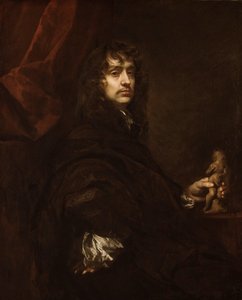
ピーター・レリー
1618 - 1680 , ドイツ
基本情報
- Artistic Movement Or Style: バロック、オランダの影響
- Artists Or Movements Influenced By This Artist: ['オランダ・バロック']
- Artists Who Influenced This Artist: ['アンソニー・ヴァン・ダイク']
- Date Of Birth: 1618年9月14日
- Date Of Death: 1680年11月30日
- Full Name: ピーター・レリー
- Nationality: オランダ、イギリス
- Notable Artworks:
- 笛を吹く男
- 王政復古時代の肖像画
- 宮廷肖像画
- Place Of Birth: ヴェストファーレン、ゾースト
関連記事

バロックのドラマ:現代のインテリアに壮麗さと情感を取り込む
バロック様式の歴史、絵画、家具の魅力をご紹介。ArtsDotでは、高品質な油絵複製やカスタムポートレートをご提供し、現代のインテリアに壮麗さと情感を取り入れます。アートコンサルテーションも承ります。

The Dramatic Flourish: Exploring the Baroque Movement's Enduring Legacy in Art History
Explore the dramatic world of Baroque art! Discover iconic artists like Caravaggio & Rubens, defining techniques, and its lasting impact on art history. Expert insights for collectors & enthusiasts at ArtsDot.

バロック美術を極めた至宝:時代を彩る10大名作の世界
バロック美術の華!カラヴァッジョ、ベルニーニら巨匠が創り上げた10大名作を徹底解剖。ドラマチックな色彩と豪華絢爛の世界観に触れ、至宝のアートプリントで空間を彩ろう。ArtsDot.comで美術館品質の複製と洗練されたインテリアを見つけましょう!

The Visceral Stage: Exploring Dramatic Narratives & Emotional Intensity in Baroque Art
Explore the dramatic world of Baroque art! Discover iconic masters like Caravaggio & Rembrandt, their techniques, and the movement's lasting impact. Expert insights for collectors & enthusiasts at ArtsDot.
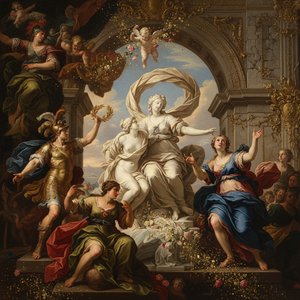
Theatricality & Triumph: Baroque Drama in Painting & Sculpture
Explore the dramatic world of Baroque art! Discover its history, defining characteristics, & lasting influence on painting & sculpture. Expert insights into Caravaggio, Zurbarán, and Bernini – plus high-quality reproductions at ArtsDot.