

 プリントを購入
 シェアする
シェアする シェアする
シェアする
 詳細を見る
詳細を見る

 ダウンロード
 似ている作品
 スライドショー
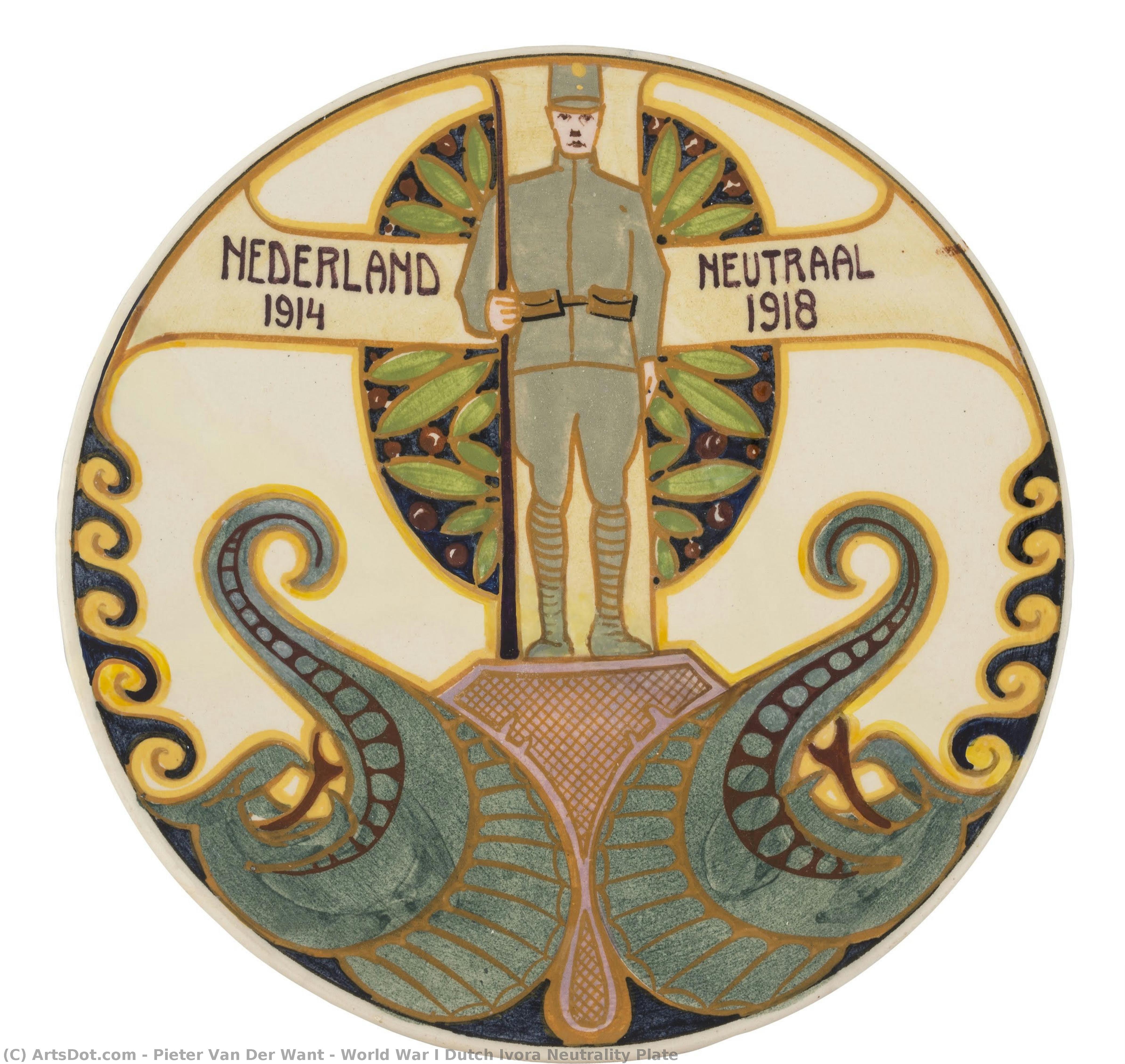
World War I Dutch Ivora Neutrality Plate
 Ceramic
- Sculpture
 1918
1918- Modern
 23.0 x 2.0 cm
 University of Pretoria Museums
 詳細を見る
詳細を見る




































作品のオリジナル比率に合わせた、当店の規定サイズからお選びください。

特定のフレームやスペースに合わせて、ご希望のサイズをご入力いただけます。選択されたサイズが元の画像の比率と異なる場合、アートワークをトリミングするか、手描きで要素を追加して絵画を拡張いたします。デジタルモックアップ を制作し、制作開始前にご確認(承認)をいただきます。
画面上のプレビューは、実際のトリミングや拡張を正確に反映しているものではありません。最終的な構図は、モックアップによってのみ正確にご確認いただけます。
カスタムサイズもご利用いただけますが、元の比率を維持するためには、あらかじめ用意されたリストからサイズを選択することをお勧めいたします。
ご注文後、ArtsDot.com チームより詳細な指示をお送りするとともに、仕上がりイメージ(モックアップ)をご提供いたします。


 ガラスオプションは、110cm未満のサイズでのみご利用いただけます。

World War I Dutch Ivora Neutrality Plate
複製技法
複製画のサイズ
-


合計金額
$ 263
作品解説
A Sentinel of Peace: The Poetic Resilience of the Ivora Neutrality Plate
In the turbulent landscape of 1918, as the shadows of the Great War loomed over a fractured Europe, a singular piece of ceramic artistry emerged from the Dutch town of Gouda to capture a moment of profound national tension. The World War I Dutch Ivora Neutrality Plate, a masterful creation by the P van der Want Plateelbakkerij Ivora, serves as more than mere decorative porcelain; it is a silent, steadfast witness to history. Through the delicate medium of ceramics, the artist has frozen a moment of intense geopolitical drama, presenting a scene where the calm of neutrality meets the fury of global conflict.
The composition of this piece is deeply evocative, centered on the figure of a Dutch soldier standing with unyielding resolve upon a rugged rock. Surrounded by a tempestuous, churning sea, the soldier acts as a living metaphor for the Netherlands itself—a small but determined entity attempting to remain upright amidst the crashing waves of international strife. The imagery of the stormy sea provides a visceral sense of the chaos unfolding beyond the borders, while the soldier’s presence on the stone suggests an anchored, immovable sovereignty. This visual narrative is further enriched by the subtle depiction of a borderland, where the artist uses the landscape to delineate the thin line between peace and the encroaching tides of war.
Technically, the plate is a triumph of the Ivora Ceramic Kiln's craftsmanship. Utilizing a polychrome decoration with a sophisticated matt underglaze, the work achieves a depth of color that feels both earthy and ethereal. The muted tones of the underglaze allow the natural textures of the ceramic to breathe, lending a somber, historical weight to the scene. This specific technique avoids the garishness often found in mass-produced ceramics, instead offering a refined, painterly quality that invites close inspection. Every brushstroke contributes to the atmospheric tension, from the frothing whitecaps of the sea to the stoic silhouette of the guardian.
For the discerning collector or interior designer, this reproduction offers an unparalleled opportunity to introduce a piece of profound historical gravity into a curated space. It is an artwork that demands contemplation, serving as a conversation starter that bridges the gap between fine art and historical artifact. Whether placed in a study filled with classical literature or as a focal point in a modern gallery-style room, the plate radiates an aura of strength and quiet dignity. To possess such a piece is to hold a fragment of 1918—a tribute to the enduring human spirit and the delicate, often precarious, pursuit of peace.
関連作品

アーティストの略歴
**early life and background**
pieter van der want, also known as p van der want, was a dutch ceramic artist born in amsterdam, netherlands in 1935. this enigmatic figure left an indelible mark on the world of ceramics with his unique creations.**artistic contributions and notable works**
* **world war i dutch ivory neutrality plate (1918)**: university of pretoria museums (pretoria, south africa), ceramic. this plate is a testament to van der want's skill in capturing the essence of neutrality during world war i. * **other notable works**:- gray day by eduard karsen (rijksmuseum amsterdam, netherlands), oil on canvas. this piece showcases the influence of van der want's contemporaries.
- king david by aert de gelder (rijksmuseum amsterdam, netherlands), oil on canvas. this work highlights the diverse range of artistic styles during van der want's time.
**artistic style and influences**
van der want's work in ceramics is characterized by intricate designs and delicate patterns, reflecting his dutch heritage. his style, though not widely documented, is a blend of traditional techniques with modern flair.**legacy and passing**
pieter van der want passed away in 2010, leaving behind a legacy in the world of ceramics. his work can be found in various collections, including those at ArtsDot.com, which provides an extensive platform for art enthusiasts to explore his creations.**further exploration and resources**
* for more on van der want's works and similar artists, visit [https://ArtsDot.com/@/pieter-van-der-want](https://ArtsDot.com/@/pieter-van-der-want) * explore the rijksmuseum amsterdam's collection at [https://ArtsDot.com/@@/a@d3blav-the-rijksmuseum-amsterdam-netherlands](https://ArtsDot.com/@@/a@d3blav-the-rijksmuseum-amsterdam-netherlands)- **key dates:** * born in 1935 * passed away in 2010

pieter van der want
1935 - 2010 , Netherlands
基本情報
- Artistic Movement Or Style: Ceramics
- Date Of Birth: 1935
- Full Name: Pieter van der Want
- Nationality: Dutch
- Notable Artworks:
- World War I Dutch Ivory Plate
- Gray Day
- King David
- Place Of Birth: Amsterdam, Netherlands
関連記事

Golden Age Reflections: Dutch Baroque Painting & Cultural Innovation
Explore the Dutch Golden Age of painting! Discover key artists like Vermeer & ter Borch, their innovative techniques, and the rich cultural context behind these Baroque masterpieces. Learn about collecting & appreciating this iconic art period.
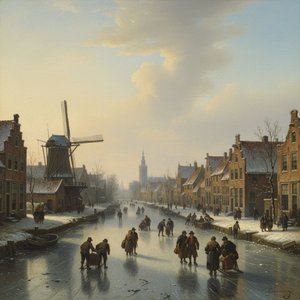
Charles Leickert: Capturing the Dutch Golden Age Light – A Comprehensive Study of Technique, Context, and Legacy
Explore the captivating winter landscapes of Charles Leickert, a master of Dutch Golden Age light & atmosphere. Discover his techniques, symbolism, and lasting legacy – a comprehensive study for art enthusiasts and collectors.

Illuminating Innovation: Exploring the Dutch Golden Age of Painting
Explore the Dutch Golden Age of painting with ArtsDot. Discover Rembrandt, Vermeer & other Masters. Learn about key characteristics, iconic artworks, and lasting influence. Expert insights for collectors & enthusiasts.

黄金世紀の巨匠たち:バロック絵画が彩る10選|ArtsDot
オランダ黄金時代の10大傑作を紐解く!レンブラント、フェルメール…バロック絵画の魅力と時代背景を深く探求。ArtsDotで、至高のアートコレクションと空間演出のヒントを見つけよう。高品質なアートプリントで、お部屋を華やかに。

Illuminating Realism: Exploring the Dutch Golden Age of Painting (1600-1700)
Explore the Dutch Golden Age of painting (1600-1700) with ArtsDot. Discover Rembrandt, Vermeer & other masters. Learn about techniques, history & find museum-quality reproductions.

