

 プレビュー
プレビュー
 プリントを購入
 シェアする
シェアする シェアする
シェアする
 詳細を見る
詳細を見る

 ダウンロード
 似ている作品
 X線調査
X線調査 スライドショー
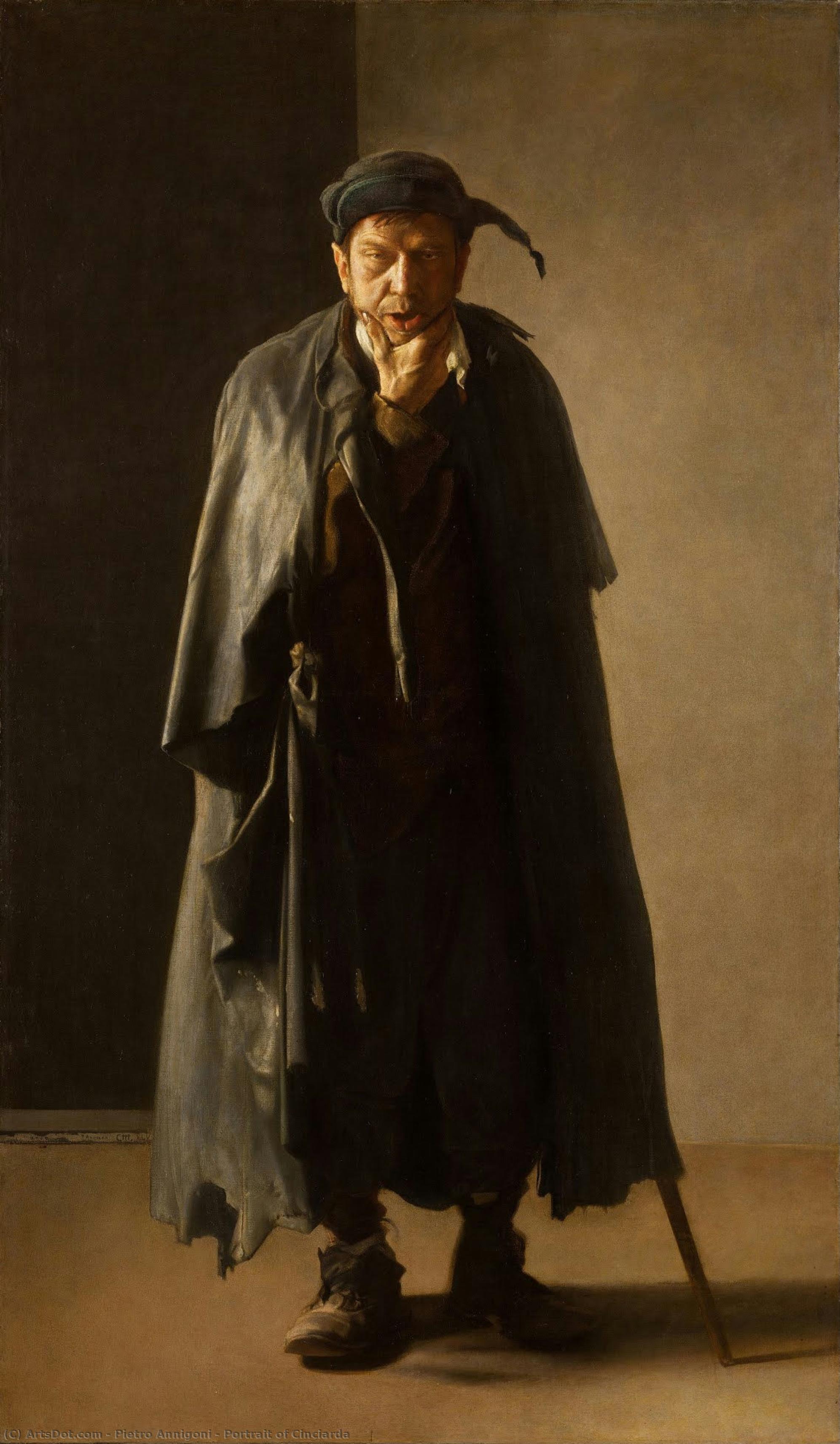
Portrait of Cinciarda
 Acrylic On Canvas
- WallArt
- Contemporary Realism
 100.0 x 180.0 cm
 Fondazione Cariplo
 詳細を見る
詳細を見る
オンラインプレビューをはるかに凌ぐ、高解像度で鮮明なデジタル画像をご購入いただけます。
各ファイルは、社内の専門家が高度なツールと熟練した手作業によるレタッチを用いて、細心の注意を払って準備されています。すべての画像において、卓越した鮮明度、正確な色彩再現性、そして繊細なディテールを保証いたします。
最終ファイルは、プロフェッショナルな編集・印刷環境ですぐにご利用いただけるよう最適化された状態で、72時間以内にメールにてお届けいたします。これは、一流のデザインスタジオ、出版社、ギャラリーから信頼されているものと同等の品質です。
デジタル画像のご注文に付随する特典
高品質なデジタル画像配信を、確かな品質で。
ArtsDot.com を選ぶことは、単に画像を手に入れることではありません。それは、プロの手によって精密に仕上げられ、満足保証が付いた高品質なデジタルアートワークを受け取ることを意味します。ご注文いただいた際に自動的に付随する内容は、以下の通りです:

メールですぐにお届け
ご注文から72時間以内に、高解像度のデジタル画像ファイルがメールでお手元に届きます。すぐにそのままご利用いただけます。

AI技術で最適化されたデジタルファイル
お客様の作品は、高度なAIツールと専門家による手作業の編集を組み合わせてプロフェッショナルに最適化されており、細部のディテール、鮮明さ、そして正確な色再現性を最大限に引き出しています。

一生涯無料の再送サービス
ファイルを誤って削除したり、紛失してしまったりしましたか?ご安心ください。いつでも無料で再送いたします。

輸入手数料は一切かかりません
関税や手数料、配送料を気にすることなく、お気に入りのアートワークをすぐにお楽しみいただけます。デジタルダウンロードは常に免税です。

色彩再現の保証
プロ仕様のツールとカラーマネジメント技術を用いることで、デジタル画像が元の色を最大限に忠実に再現することを保証いたします。

60日間満足保証
ご購入いただいたデジタル画像にご満足いただけない場合は、60日以内であれば、修正または100%の返金(理由を問う必要はありません)をさせていただきます。

100% 返金保証
ご満足いただけない場合は、デジタルファイルを受け取ってから60日以内であれば、理由を問わず全額返金いたします。

まとめ買い割引
3枚購入で10%OFF - 5枚購入で15%OFF - 10枚以上購入で20%OFF。クリエイティブなプロジェクト、ギャラリー、エージェンシーに最適です。
A Portrait of Quiet Majesty: Pietro Annigoni’s “Portrait of Cinciarda”
Pietro Annigoni's "Portrait of Cinciarda," painted in 1945, isn’t merely a likeness; it’s a carefully constructed tableau of observation and quiet contemplation. This compelling work, currently residing within the Art Collection of the Fondazione Guelpa in Ivrea, Italy, offers a rare glimpse into the artist's fascination with marginalized figures – a recurring theme that defined much of his oeuvre. The painting depicts Cinciarda, a nameless beggar from Florence, rendered not as a symbol of poverty but as a subject worthy of profound artistic attention. Annigoni’s choice to focus on this seemingly unremarkable individual speaks volumes about the artist's belief in the inherent dignity and complexity within every human being.
The painting itself is executed in tempera grassa on canvas, a technique that lends a remarkable richness and luminosity to the surface. Annigoni’s meticulous attention to detail—the subtle play of light across Cinciarda's face, the worn texture of his cloak, the carefully rendered hands—demonstrates a commitment to realism rarely seen in contemporary Italian art at the time. He deliberately employs a Flemish influence, evident in the careful modeling of form and the atmospheric perspective, creating a sense of depth and immediacy that draws the viewer into the scene. The muted palette – dominated by browns, greys, and ochres – further enhances the painting’s somber mood, reflecting the subject's difficult circumstances while simultaneously imbuing it with an understated beauty.
The Echoes of Northern Painting & a Flemish Influence
Annigoni’s stylistic choices are deeply rooted in the traditions of Northern European art, particularly the work of artists like Jan van Eyck and Rogier van der Weyden. The meticulous rendering of textures—the rough wool of the cloak, the sheen of the metal buttons—is a hallmark of Flemish painting, emphasizing the tactile qualities of the subject matter. Furthermore, Annigoni’s use of light is masterful, creating dramatic contrasts between shadow and highlight that sculpt the figure's form and draw attention to key details. This technique, reminiscent of the Northern masters, serves not only to illuminate the subject but also to evoke a sense of mystery and introspection.
The painting’s composition—Cinciarda standing before a wall, his hands clasped behind him in a gesture of quiet contemplation—is deliberately ambiguous. He is neither actively engaged nor passively resigned; rather, he exists in a state of suspended animation, inviting the viewer to project their own interpretations onto the scene. This deliberate lack of narrative prompts a deeper engagement with the subject’s presence and suggests a profound understanding of human psychology.
Symbolism & The Human Condition
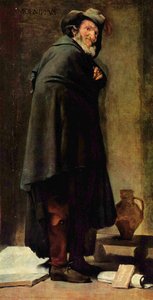
Beyond its technical brilliance, “Portrait of Cinciarda” is laden with symbolic meaning. The artist's choice to depict a marginalized figure—a ‘Cinciarda,’ a nickname for a sickly and often drunk beggar—reflects a broader concern with the plight of the dispossessed in post-war Italy. The painting can be interpreted as an allegory of human vulnerability, resilience, and the enduring search for dignity amidst hardship. Annigoni’s comparison to Diego Velasquez's "Menippo" – a work known for its unflinching portrayal of human misery – underscores this thematic resonance.
The figure’s posture—a hand resting on his chin, an inquisitive expression on his face—suggests a contemplative spirit, a quiet awareness of his own situation. He is not simply a victim of circumstance; he is a subject worthy of respect and understanding. Annigoni himself described the painting as capturing “the uncertainty of our future,” reflecting a shared sense of anxiety and disorientation in the wake of World War II. The portrait becomes a poignant meditation on the human condition, reminding us of the inherent worth of every individual, regardless of their social status or circumstances.
A Legacy of Realism & Psychological Insight
“Portrait of Cinciarda” stands as a pivotal work in Pietro Annigoni’s artistic development and a testament to his enduring commitment to realism. It exemplifies his ability to capture not only the physical likeness of his subjects but also their inner lives, revealing a profound psychological insight that elevates the painting beyond mere portraiture. The painting's continued relevance lies in its timeless exploration of human vulnerability, dignity, and the enduring power of art to illuminate the complexities of the human experience. Reproductions of this powerful image offer a valuable opportunity to engage with Annigoni’s vision and contemplate the universal themes he so masterfully conveyed.
関連作品

作家の略歴
A Renaissance Soul in the Modern Age: The Life and Art of Pietro Annigoni
Pietro Annigoni, a name synonymous with meticulous realism and a revival of classical techniques, emerged as a powerful artistic force in a 20th century increasingly dominated by abstraction. Born in Milan in 1910, his journey was one of unwavering dedication to representational art—a path often at odds with the prevailing modernist currents. From an early age, Annigoni displayed a remarkable aptitude for drawing and painting, nurtured not within a traditionally artistic family – his father was an engineer – but by an innate passion that propelled him towards Florence and its rich artistic heritage. He enrolled at the Academy of Fine Arts in Florence in 1927, immersing himself in the study of painting under Felice Carena, sculpture with Giuseppe Graziosi, and etching alongside Celestino Celesti. This rigorous academic foundation instilled within him a profound respect for the masters of the Renaissance, shaping his aesthetic sensibilities and technical prowess. Further honing his skills at the Florentine Circolo degli Artisti, focusing on nude drawing, Annigoni laid the groundwork for a career defined by its exacting detail and lifelike portrayals.Bridging Tradition and Modernity: Artistic Development and Influences
Annigoni’s artistic development was deeply rooted in the Italian Renaissance—a period he revered for its mastery of form, composition, and emotional depth. He wasn't merely replicating the styles of the past; rather, he absorbed their principles and adapted them to his own vision. This influence is readily apparent in his meticulous attention to detail, the subtle modeling of light and shadow, and the psychological insight conveyed through his portraits. His early works showcased a burgeoning talent for both portraiture and fresco painting, gaining recognition through exhibitions in Florence during the 1930s. However, Annigoni wasn’t content to remain solely within the confines of tradition. He actively engaged with the artistic debates of his time, recognizing the need to articulate a counter-narrative to the rising tide of abstract expressionism. In 1947, he co-founded the “Manifesto of Modern Realist Painters,” alongside other artists who championed representational art and sought to reclaim its rightful place within the artistic landscape. This act wasn’t simply a stylistic preference; it was a philosophical statement—a belief in the power of art to connect with viewers through recognizable imagery and enduring values.Royal Commissions and International Acclaim: A Defining Legacy
Pietro Annigoni's name became internationally recognized, not just within artistic circles but among global audiences, largely due to his iconic portraits of Queen Elizabeth II. Commissioned by the Worshipful Company of Fishmongers in 1954, the first portrait unveiled in 1955 at the Royal Academy’s Summer Exhibition caused a sensation. The sheer realism and regal presence captured on canvas drew record crowds—nearly 300,000 visitors—making it the most popular exhibition in over half a century. The Times quickly produced limited-edition prints that sold out immediately, and Sir Alfred Munnings, then President of the Royal Academy, hailed Annigoni as “the greatest painter of the age.” This success led to further commissions from the British royal family, including portraits of Prince Philip and Princess Margaret. But his talent wasn’t confined to royalty; Annigoni's brush immortalized a diverse array of prominent figures—Pope John XXIII, U.S. Presidents John F. Kennedy and Lyndon B. Johnson, the Shah and Empress of Iran, ballet stars Margot Fonteyn and Rudolf Nureyev, and Indian princess Gayatri Devi of Jaipur, among many others. His selection to paint President Kennedy for the cover of Time magazine in 1962 solidified his reputation as a leading portrait artist of his time, bringing his work into homes across the world.A Lasting Impression: Style, Significance and Final Years
Annigoni’s artistic style was characterized by an unwavering commitment to realism and detail—a meticulous approach that demanded both technical skill and profound observation. He employed traditional techniques, such as oil tempera, to achieve a luminosity and depth of color rarely seen in contemporary painting. His portraits weren't merely likenesses; they were psychological studies, capturing the essence of his subjects with remarkable accuracy and sensitivity. In an era dominated by abstraction, Annigoni’s dedication to representational art was both a challenge and a statement. He represented a bridge between the artistic traditions of the Renaissance and the demands of modern portraiture—a testament to the enduring power of classical techniques. He continued painting and exhibiting throughout his later years, maintaining a devoted following internationally. In 1976 he married Rossella Segreto, who also served as one of his models. Sadly, Annigoni passed away on October 28, 1988, in Florence, succumbing to kidney failure following surgery for a perforated ulcer. He was laid to rest at the Basilica di San Miniato al Monte overlooking the city that had so profoundly shaped his artistic vision—a fitting final resting place for an artist who dedicated his life to preserving and celebrating the beauty of the past while forging his own unique path in the present.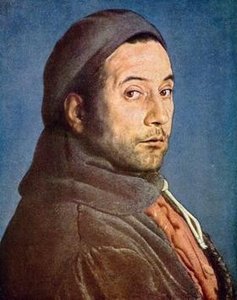
Pietro Annigoni
1910 - 1988

