

 プレビュー
プレビュー
 プリントを購入
 シェアする
シェアする シェアする
シェアする
 詳細を見る
詳細を見る

 ダウンロード
 似ている作品
 X線調査
X線調査 スライドショー
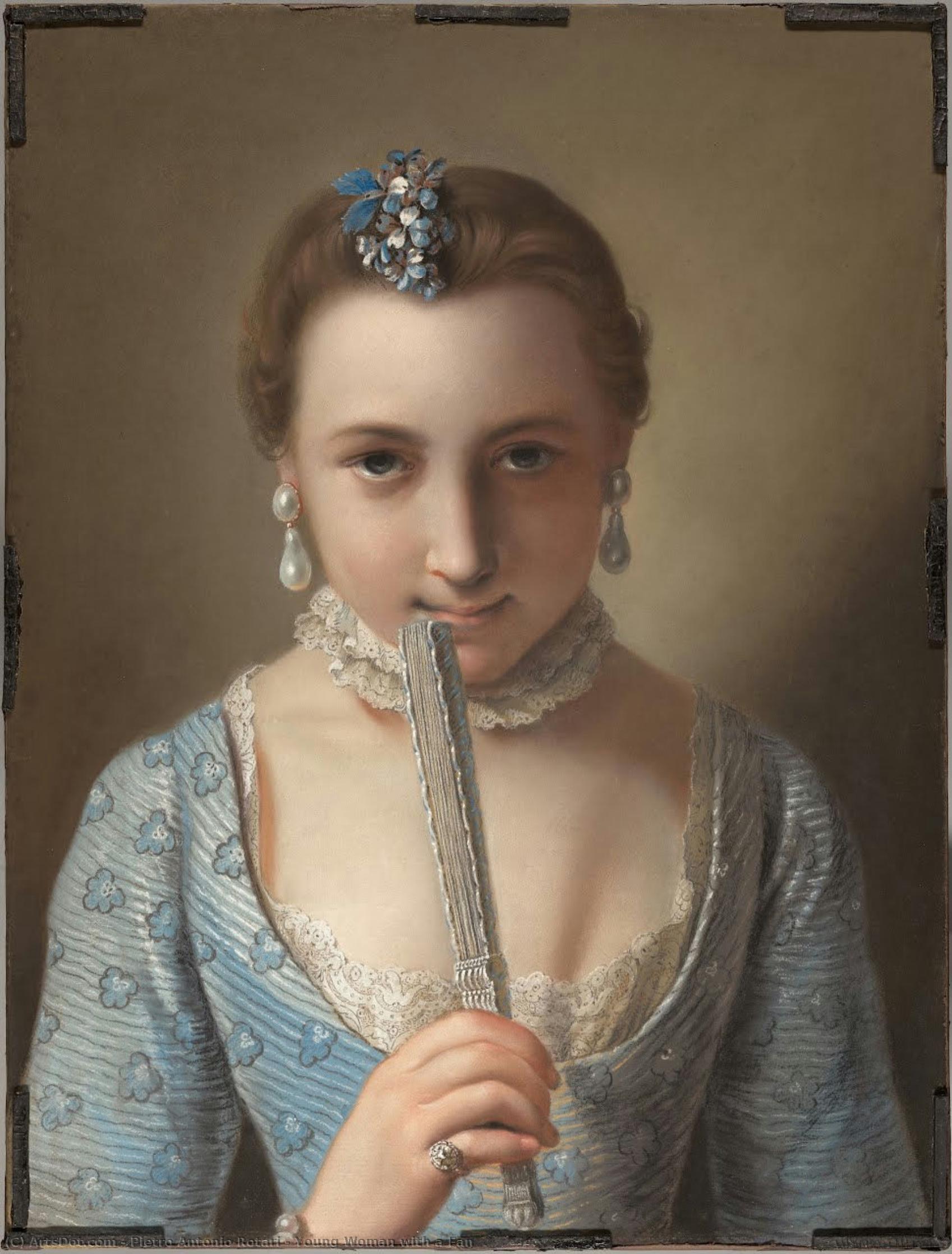
Young Woman with a Fan
 Acrylic On Canvas
- WallArt
- Baroque Painting
 1750
1750 46.0 x 37.0 cm
 J・ポール・ゲティ美術館
 詳細を見る
詳細を見る




P118B $10

P118H $10

P118W $10

P438Z $10

P508JH $12

P508YH $12

P805H $10

P805Z $10

P919BZ $10

P919G $10

P919XJ $10

P959ZH $10

P968JZ $12

W106C $8

W218G $10

W218JH $8

W218Y $10

W307PJ $10

W316G $10

W316PJ $8

W316Y $10

W398PJ $8

W4111J $10

W500HY $15

W500JH $15

W692G $12

W849H $8

W940BG $15

W953PJ $8




作品のオリジナル比率に合わせた、当店の規定サイズからお選びください。

特定のフレームやスペースに合わせて、ご希望のサイズをご入力いただけます。選択されたサイズが元の画像の比率と異なる場合、アートワークをトリミングするか、手描きで要素を追加して絵画を拡張いたします。デジタルモックアップ を制作し、制作開始前にご確認(承認)をいただきます。
画面上のプレビューは、実際のトリミングや拡張を正確に反映しているものではありません。最終的な構図は、モックアップによってのみ正確にご確認いただけます。
カスタムサイズもご利用いただけますが、元の比率を維持するためには、あらかじめ用意されたリストからサイズを選択することをお勧めいたします。
ご注文後、ArtsDot.com チームより詳細な指示をお送りするとともに、仕上がりイメージ(モックアップ)をご提供いたします。


 ガラスオプションは、110cm未満のサイズでのみご利用いただけます。

Young Woman with a Fan
複製技法
複製画のサイズ
-


合計金額
$ 263
Young Woman with a Fan by Pietro Antonio Rotari: An Elegance Frozen in Pastel
Pietro Antonio Rotari’s “Young Woman with a Fan,” painted circa 1754, stands as a testament to the Rococo aesthetic—a style characterized by delicate ornamentation, pastel hues, and an emphasis on aristocratic grace. Executed in oil on canvas, this captivating portrait transcends mere likeness; it embodies the spirit of its era and speaks volumes about notions of beauty and femininity.
- Subject Matter: The central figure is a young woman adorned in sumptuous silks and lace—a deliberate choice reflecting the opulent tastes of European courts during Rotari’s prolific career. Her gaze meets ours with an unsettling directness, challenging viewers to contemplate the complexities of female subjectivity within societal constraints.
- Style & Technique: Rotari skillfully employs pastel shades—primarily blues and pinks—to create a luminous effect that softens the contours of the woman's face and drapery. The brushstrokes are subtle yet precise, capturing the texture of fabric and conveying an impression of ethereal beauty. Notice the meticulous rendering of the fan itself, its intricate folds meticulously depicted to emphasize elegance and refinement.
- Historical Context: Produced during Rotari’s tenure in Vienna—a hub of artistic patronage—the painting aligns perfectly with the broader cultural landscape of the Enlightenment. The Rococo tradition prioritized pleasure and sensory experience, mirroring a desire to escape the rigid moralizing precepts of preceding centuries.
- Symbolism: The fan serves as more than just an accessory; it symbolizes discretion, modesty, and feminine allure—values considered paramount in aristocratic circles. Its open position invites contemplation and subtly directs the viewer’s gaze outward, suggesting a preoccupation with social interactions and inner thoughts.
- Emotional Impact: “Young Woman with a Fan” evokes feelings of serenity, sophistication, and perhaps even melancholy. The artist's masterful manipulation of color and light creates an atmosphere of dreamy beauty that lingers in the viewer’s mind—a timeless reminder of the enduring power of art to capture fleeting moments of grace.
A Window into Venetian Colorism
Rotari honed his artistic sensibilities during a formative period spent in Venice, circa 1725-1727. This exposure to Venetian colorism—a revolutionary approach that prioritized vibrant hues and expressive brushwork—significantly influenced his stylistic development. Unlike the muted tones favored by Northern European painters of the time, Venetian artists embraced bold palettes, injecting dynamism into their canvases.
- Influence: Francesco Trevisani’s mentorship instilled in Rotari a profound appreciation for classical composition and technique—the bedrock upon which he would build his distinctive style. This grounding ensured that Rotari's work remained rooted in tradition while simultaneously embracing innovation.
- Venetian Flair: The Venetian aesthetic championed spontaneity and emotional intensity, mirroring the burgeoning spirit of artistic experimentation during the Baroque period. Artists sought to convey not merely visual information but also psychological states—a daring ambition that distinguished Venice from other major European cities.
Provenance & Artistic Legacy
“Young Woman with a Fan” holds a prominent place in the collection of the National Gallery of Canada, Ottawa. Its acquisition underscores Rotari’s enduring reputation as one of Italy's most celebrated portraitists—a figure revered for his ability to capture the essence of human character and emotion.
- Notable Commissions: Rotari undertook numerous commissions from royal families across Europe—including Dresden and Saint Petersburg—demonstrating his versatility and securing his place in art history. His portraits served as emblems of power and prestige, reflecting the aspirations of aristocratic patrons.
- Beyond Portraiture: While primarily known for his portraiture, Rotari also excelled in altarpiece painting—creating monumental canvases that adorned churches throughout Italy. These works showcased his mastery of technique and underscored his commitment to religious art.
Technical Considerations
The painting’s luminous quality stems from Rotari's masterful use of glazing techniques—a process whereby thin layers of translucent pigment are applied over underlying colors to achieve depth and brilliance. Careful observation reveals subtle variations in hue and tone—evidence of meticulous attention to detail and a dedication to capturing the nuances of light.
- Glazing Layers: Rotari’s glazing technique contributes significantly to the painting's ethereal beauty, creating an illusion of atmospheric perspective that enhances its visual impact. The layering process allows for gradual adjustments in color—resulting in a harmonious blend of hues and tones.
Concluding Reflections
"Young Woman with a Fan" remains a captivating exemplar of Rococo artistry—a timeless masterpiece that continues to inspire admiration and scholarly inquiry. Rotari’s ability to convey both visual splendor and psychological insight cements his legacy as one of Italy's foremost portraitists—a figure whose work transcends temporal boundaries and speaks directly to the human spirit.
関連作品



アーティストの略歴
初期の生涯と芸術的形成
ピエトロ・アントニオ・ロタリは、1707年、バロックの伝統が深く根を下ろしながらも、イタリア絵画の進化する潮流に開かれた街、ヴェローナの活気ある芸術的風景の中から誕生しました。アントニオ・バレストラの指導の下で受けた初期の修行は、古典的な構図と技法の強固な基礎を彼に授けました。これこそが、後に彼独自のスタイルを築き上げる礎となったのです。この形成期において、ロタリは細部への緻りとしたこだわりと、形態に対する洗練されたアプローチを身につけました。これらの資質は、彼の作品の代名詞となることになります。その後、1725年から1727年にかけてのヴェネツィア滞在は、彼の芸術的視野を大きく広げました。ヴェネツィア特有の色彩感覚とドラマチックな華やかさが融合した、比類なき影響に触れたことは、彼の感性を形作り、さらなる研鑽へと向かわせる決定的な転機となりました。
ロタリの野心は彼をさらなる高みへと導きました。1728年から1732年にかけて訪れたローマでは、フランチェスコ・トレヴィザーニの教えの下でその腕を磨きました。トレヴィザーニの影響は、光と影の繊細な扱いや、肖像画における心理的深みの追求といったロタリの初期作品に鮮明に表れています。続くナポリでのフランチェスコ・ソリメーナとの共同作業(1731-1734年)は、彼の芸術的語彙をさらに豊かなものにしました。ナポリ・バロックの巨匠であるソリメーナは、ロタリに壮大さと劇的な強烈さを伝え、それが彼のキャリアを通じて響き渡ることになります。
新星の誕生:独自のスタイルの確立
ヴェローナへと戻ったピエトロ・アントニオ・ロタリは、瞬く間に独立した芸術家としての地位を確立し、自身のスタジオを開設して顧客を増やしていきました。彼は、驚くべき写実性に優雅さと洗練された感性を添えた、彼にしか成し得ない独自のスタイルを築き上げ始めたのです。バロックの伝統にしっかりと根ざしながらも、ロタリの作品は、当時の主流であった過度に劇的な様式とは一線を画す、軽やかな筆致とニュアンスへの鋭い感受性を備えていました。初期の依頼には、ヴェローナのサン・ジャコモ教会にある「四人の殉教者」(1745年)のような地元の教会のための大規模な祭壇画も含まれており、複雑な構図を操り、宗教的な場面に感情的な力を吹き込む彼の卓越した能力を示しています。
しかし、ロタリが真にその才能を遺憾なく発揮したのは、肖像画の領域でした。彼は、描かれる人物の外見的な似姿だけでなく、その人物の個性、内なる気品、そして社会的地位までも捉える類まれな才能を持っていました。彼の肖察は単なる再現に留まりませんでした。それは人物の本質を深く探求する研究であり、人間の感情の機微を驚くほど繊細に描き出していたのです。この才能は、北イタリアの貴族社会において瞬く間に彼を認めさせることとなりました。
王室の庇護と国際的な称賛
1750年、ロタリのキャリアは大きな転換点を迎えます。彼は帝国の宮廷での機会を求め、北方のウィーンへと足を踏み入れました。成功への道はすぐには開かれなかったものの、それが後の輝かしい勝利への布石となりました。そして1756年、運命が彼をロシアの女帝エリザヴェータ・ペトロヴナの目に留めさせたのです。サンクトペテルブルクへと招かれたロタリは、瞬く間にロシア貴族層の間で寵児的な肖像画家となりました。写実性を保ちつつも、被写体を美化し、称える彼の技法は、宮廷の人々にとって抗いがたい魅力を持っていたのです。
ロタリの才能はロシアに留まりませんでした。彼はドレスデンのポーランド王アウグスト3世のためにも活動し、ヨーロッパの王侯貴族を代表する肖像画家としての名声を不動のものにしました。その後、彼は再びサンクトペテルブルクに戻り、エカチェリーナ2世に仕え、ロシア宮廷の豪華絢爛さと権力を象徴する肖像画を制作し続けました。彼の依頼には、大公女や伯爵、その他の著名な人物が含まれており、その一つひとつが、貴族的なエチケットへの深い理解と、精緻な細部描写によって描き出されていました。
遺産と永続する影響
宮廷画家としてのピエトロ・アントニオ・ロタリの成功は、18世紀における肖像画の絶大な重要性を反映しています。この時代、肖像画は単に個人を記念するだけでなく、権力、地位、そして正統性を誇示するための手段でもありました。彼の肖察は、政治的・社会的な激動の時代におけるヨーロッパの貴族階級や宮廷生活を知る上で、極めて貴重な歴史的記録となっています。
ロタリは、美術史の流れを劇的に変えた革命的な人物ではありませんでしたが、その洗練された様式は、バロックの伝統の中で活動する他の芸術家たちに、繊細ながらも永続的な影響を与えました。写実性、優雅さ、そして心理的洞察へのこだわりは、肖像画における高い規範を打ち立て、後世の画家たちが同様の技術と感性を追求するためのインスピレーションとなったのです。
1762年、ロタリはサンクトペテルブルクでその生涯を閉じましたが、時代が切望した肖像画家の一人としての遺志は、今もなお受け継がれています。彼の作品は、その美しさと気品、そしてヨーロッパの王侯貴族に対する洞察に満ちた描写によって、観る者を魅了し続けています。ペテルゴフ宮殿の「ファッションと優雅のギャラリー」を彩る、ロタリによる数百点もの小肖像画は、彼の驚異的な才能と、芸術界への不朽の貢献を物語る生きた証として、今もそこに存在しています。
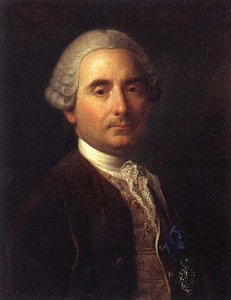
ピエトロ・アントニオ・ロターリ
1707 - 1762 , イタリア
基本情報
- Artistic Movement Or Style: バロック
- Artists Who Influenced This Artist:
- アントニオ・バレストラ
- フランチェスコ・トレヴィザーニ
- フランチェスコ・ソリメーナ
- Date Of Birth: 1707年
- Date Of Death: 1762年
- Full Name: ピエトロ・アントニオ・ロターリ
- Nationality: イタリア
- Notable Artworks:
- 王妃マリア・ジョゼファ
- 四人の殉教者
- 受胎告知
- Place Of Birth: イタリア、ヴェローナ
関連記事

ジャコポ・ティンコレット:至高の25選 – ヴェネツィア巨匠のドラマと光の世界 | ArtsDot
ジャコポ・ティンコレットの至高の25選。ドラマと光の世界を彩るヴェネツィア派巨匠の名画を紐解きます。ルネサンス絵画からバロック絵画まで、ArtsDotで高品質な複製画やインテリアアートを見つけましょう。傑作コレクションをオンラインで探求してください。
The Grandeur of Baroque Portraiture: Power, Emotion & Artistic Innovation
Explore the grandeur of Baroque portraiture! Discover Rubens, Van Dyck & the masters of 17th-century art. Uncover symbolism, techniques & lasting influence. Expert insights for collectors and enthusiasts.

バロック美術を極めた至宝:時代を彩る10大名作の世界
バロック美術の華!カラヴァッジョ、ベルニーニら巨匠が創り上げた10大名作を徹底解剖。ドラマチックな色彩と豪華絢爛の世界観に触れ、至宝のアートプリントで空間を彩ろう。ArtsDot.comで美術館品質の複製と洗練されたインテリアを見つけましょう!

バロックのドラマ:現代のインテリアに壮麗さと情感を取り込む
バロック様式の歴史、絵画、家具の魅力をご紹介。ArtsDotでは、高品質な油絵複製やカスタムポートレートをご提供し、現代のインテリアに壮麗さと情感を取り入れます。アートコンサルテーションも承ります。

The Dramatic Flourish: Exploring the Baroque Movement's Enduring Legacy in Art History
Explore the dramatic world of Baroque art! Discover iconic artists like Caravaggio & Rubens, defining techniques, and its lasting impact on art history. Expert insights for collectors & enthusiasts at ArtsDot.

