

 プレビュー
プレビュー
 シェアする
シェアする シェアする
シェアする
 詳細を見る
詳細を見る

 ダウンロード
 似ている作品
 X線調査
X線調査 スライドショー
 統計情報
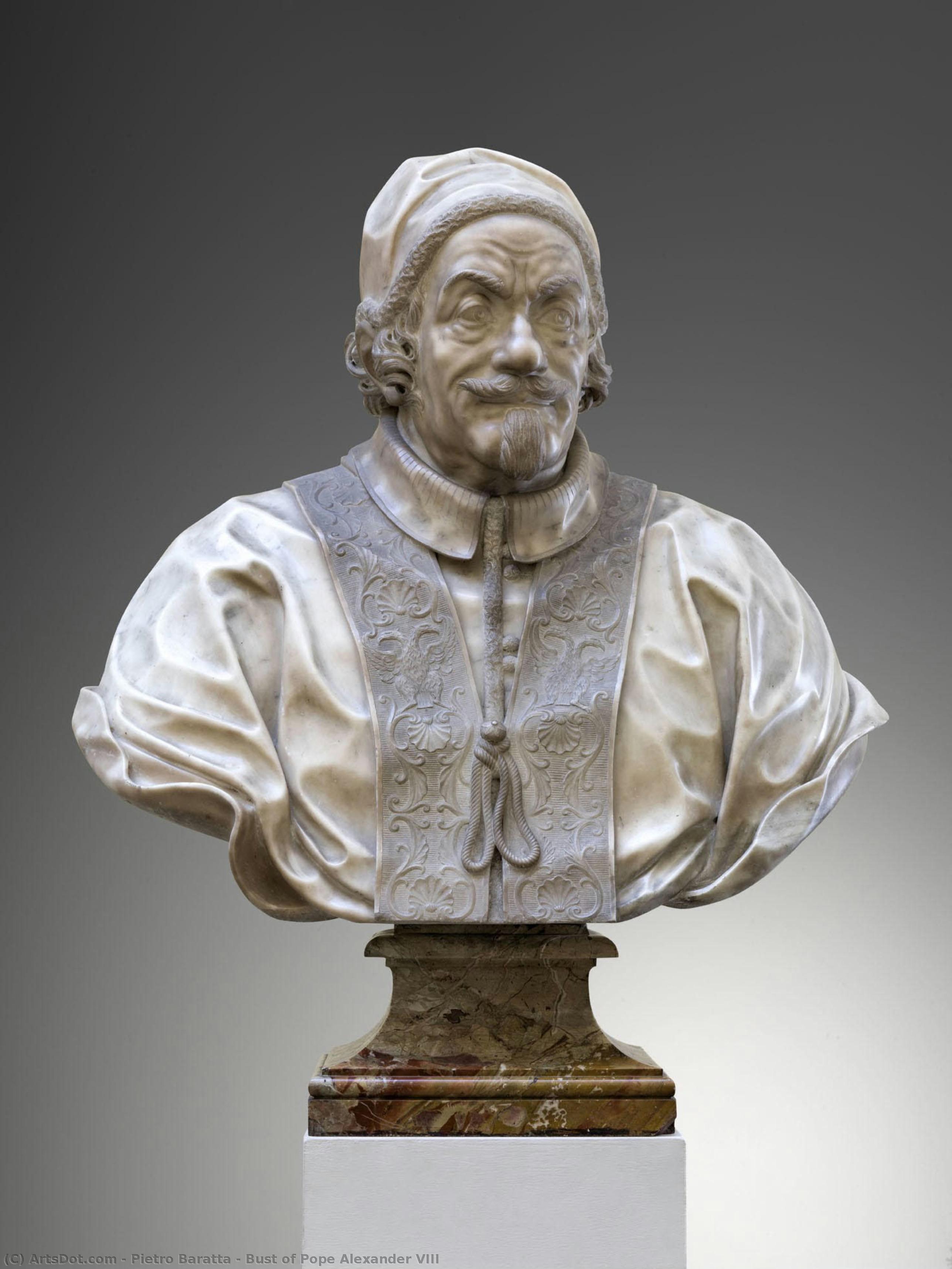
統計情報Bust of Pope Alexander VIII
 93.0 x 110.0 cm
 Biennale Internazionale dell'Antiquariato di Firenze
 詳細を見る
詳細を見る
オンラインプレビューをはるかに凌ぐ、高解像度で鮮明なデジタル画像をご購入いただけます。
各ファイルは、社内の専門家が高度なツールと熟練した手作業によるレタッチを用いて、細心の注意を払って準備されています。すべての画像において、卓越した鮮明度、正確な色彩再現性、そして繊細なディテールを保証いたします。
最終ファイルは、プロフェッショナルな編集・印刷環境ですぐにご利用いただけるよう最適化された状態で、72時間以内にメールにてお届けいたします。これは、一流のデザインスタジオ、出版社、ギャラリーから信頼されているものと同等の品質です。
デジタルアート
個人での鑑賞、印刷、クリエイティブなプロジェクト用に、高解像度ファイルをダウンロードできます。 ( プリント版に切り替え 手描きの絵画を購入)
デジタル画像のご注文に付随する特典
高品質なデジタル画像配信を、確かな品質で。
ArtsDot.com を選ぶことは、単に画像を手に入れることではありません。それは、プロの手によって精密に仕上げられ、満足保証が付いた高品質なデジタルアートワークを受け取ることを意味します。ご注文いただいた際に自動的に付随する内容は、以下の通りです:

メールですぐにお届け
ご注文から72時間以内に、高解像度のデジタル画像ファイルがメールでお手元に届きます。すぐにそのままご利用いただけます。

AI技術で最適化されたデジタルファイル
お客様の作品は、高度なAIツールと専門家による手作業の編集を組み合わせてプロフェッショナルに最適化されており、細部のディテール、鮮明さ、そして正確な色再現性を最大限に引き出しています。

一生涯無料の再送サービス
ファイルを誤って削除したり、紛失してしまったりしましたか?ご安心ください。いつでも無料で再送いたします。

輸入手数料は一切かかりません
関税や手数料、配送料を気にすることなく、お気に入りのアートワークをすぐにお楽しみいただけます。デジタルダウンロードは常に免税です。

色彩再現の保証
プロ仕様のツールとカラーマネジメント技術を用いることで、デジタル画像が元の色を最大限に忠実に再現することを保証いたします。

100日間満足保証
ご購入いただいたデジタル画像にご満足いただけない場合は、100日以内であれば、理由を問わず修正または100%の返金対応をさせていただきます。

100% 返金保証
ご満足いただけない場合は、デジタルファイルを受け取ってから100日以内であれば、理由を問わず全額返金いたします。

まとめ買い割引
3枚購入で10%OFF - 5枚購入で15%OFF - 10枚以上購入で20%OFF。クリエイティブなプロジェクト、ギャラリー、エージェンシーに最適です。
関連作品








作家の略歴
A Sculptor of Baroque Venice: The Life and Art of Pietro Baratta
Pietro Baratta, born in the marble-quarried town of Carrara in 1659 and passing away in Venice in 1729, stands as a compelling figure within the Italian Baroque sculpture tradition. While perhaps not as universally recognized as some of his contemporaries, Baratta’s influence resonated deeply throughout Veneto, particularly in Venice and Udine, where his allegorical sculptures and religious statues imbued churches and villas with a distinctive grace and emotional depth. He wasn't merely a craftsman; he was a product of a thriving artistic lineage, a master who nurtured talent, and an artist whose work reflected the evolving tastes of the era—a transition from High Baroque drama towards a more refined Classicism. His story is one interwoven with family tradition, dedicated apprenticeship, and a willingness to embrace commissions both locally and abroad, leaving behind a legacy that continues to captivate art historians and enthusiasts alike.Family Roots and Early Training
Baratta’s artistic journey began within the very stone of his birthplace. Carrara was renowned for its marble, and the Baratta family were deeply embedded in the sculpting world. His uncle, Francesco Baratta the Elder (1590–1666), had honed his skills in Rome under the tutelage of Gian Lorenzo Bernini—a connection that would subtly influence Pietro’s aesthetic sensibilities. Even his brothers, Francesco and Giovanni, followed a similar path, establishing a family workshop steeped in sculptural expertise. This familial environment provided young Pietro with an invaluable foundation, fostering an early understanding of materials, techniques, and artistic principles. He didn't simply learn *how* to sculpt; he absorbed the very spirit of the craft. While details regarding his initial formal training remain somewhat scarce, it’s clear that his apprenticeship was rigorous, preparing him for a career marked by both technical proficiency and creative ambition. The influence of Bernini’s dynamic compositions and emotional intensity is discernible in Baratta's early works, though he would eventually develop a style uniquely his own—one characterized by elegance and a more restrained Classicism.Venetian Commissions and the Rise to Prominence
The majority of Pietro Baratta’s active career unfolded within the vibrant artistic landscape of Venice and its surrounding mainland villas. He established a successful studio, becoming a sought-after sculptor for both religious institutions and aristocratic patrons. His work during this period demonstrates a remarkable versatility—he was equally adept at creating monumental sculptures for church facades as he was at crafting intimate devotional pieces. A particularly noteworthy commission came in 1708 with the Brandolin monument in Cison di Valmarino, a testament to his growing reputation. This elaborate funerary sculpture showcased his ability to blend dramatic narrative with refined detail—a hallmark of his mature style. Beyond individual commissions, Baratta’s studio flourished as a center for artistic education. He took on numerous apprentices, most notably Francesco Robba, who would go on to become a celebrated sculptor in his own right. This dedication to mentorship underscores Baratta's commitment not only to his craft but also to the continuation of sculptural traditions within the region.International Recognition and the St. Petersburg Gardens
Baratta’s talent extended beyond the borders of Italy, attracting commissions from abroad—most significantly for the baroque gardens of St. Petersburg, Russia. This opportunity allowed him to showcase his skills on a grand scale, executing a series of allegorical sculptures that adorned the imperial grounds. These works, including “Andromeda,” an “Allegory of Architecture,” and busts representing the “Allegory of Winter” and “Allegory of Spring,” demonstrate his mastery of form and narrative symbolism. The fact that these sculptures were commissioned for such a prestigious project speaks volumes about Baratta’s international recognition and the esteem in which his work was held. These allegorical pieces, still preserved today, offer a glimpse into the artist's ability to translate complex philosophical concepts into tangible forms—a skill that further solidified his reputation as a leading sculptor of the Baroque period.Legacy and Historical Significance
Pietro Baratta’s historical significance lies not only in the beauty and technical brilliance of his sculptures but also in his role as a bridge between the High Baroque and the emerging Classicism of the 18th century. His work at Villa Manin, with its statues of the four Evangelists and Madonna with Child, exemplifies this transition—a blend of dramatic energy tempered by a newfound emphasis on elegance and refinement. He is also credited with the probable authorship of five statues adorning the Church of Santa Maria at Villa Vicentina, further showcasing his prolific output and regional influence. The statue of St Ignatius of Loyola in Venice, depicting the saint in contemplative repose, stands as a poignant example of his ability to convey spiritual depth through sculptural form. While overshadowed by some of the more flamboyant figures of the Baroque era, Baratta’s legacy endures—a testament to his skill, dedication, and enduring contribution to the artistic heritage of Venice and beyond. His sculptures continue to inspire awe and admiration, offering a captivating glimpse into the world of 18th-century Italian art.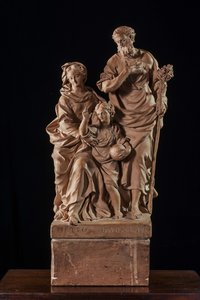
pietro baratta
1659 - 1729 , Italy
プロフィール概要
- Artistic Movement Or Style: Baroque
- Artists Or Movements Influenced By This Artist: ['Francesco Robba']
- Artists Who Influenced This Artist:
- Francesco Baratta the elder
- Bernini
- Date Of Birth: 1659
- Date Of Death: 1729
- Full Name: Pietro Baratta
- Nationality: Italian
- Notable Artworks:
- Brandolin monument
- Villa Manin Chapel sculptures
- St. Ignatius statue
- Statues at Villa Vicentina
- Place Of Birth: Carrara, Italy