

 プレビュー
プレビュー
 シェアする
シェアする シェアする
シェアする
 詳細を見る
詳細を見る

 ダウンロード
 似ている作品
 X線調査
X線調査 スライドショー
 統計情報
統計情報St Francis of Paola in Ecstasy
 Oil On Canvas
- WallArt
- Baroque
 1728
1728 99.0 x 74.0 cm
 ルーブル美術館
 詳細を見る
詳細を見る
オンラインプレビューをはるかに凌ぐ、高解像度で鮮明なデジタル画像をご購入いただけます。
各ファイルは、社内の専門家が高度なツールと熟練した手作業によるレタッチを用いて、細心の注意を払って準備されています。すべての画像において、卓越した鮮明度、正確な色彩再現性、そして繊細なディテールを保証いたします。
最終ファイルは、プロフェッショナルな編集・印刷環境ですぐにご利用いただけるよう最適化された状態で、72時間以内にメールにてお届けいたします。これは、一流のデザインスタジオ、出版社、ギャラリーから信頼されているものと同等の品質です。
デジタルアート
個人での鑑賞、印刷、クリエイティブなプロジェクト用に、高解像度ファイルをダウンロードできます。 ( プリント版に切り替え 手描きの絵画を購入)
デジタル画像のご注文に付随する特典
高品質なデジタル画像配信を、確かな品質で。
ArtsDot.com を選ぶことは、単に画像を手に入れることではありません。それは、プロの手によって精密に仕上げられ、満足保証が付いた高品質なデジタルアートワークを受け取ることを意味します。ご注文いただいた際に自動的に付随する内容は、以下の通りです:

メールですぐにお届け
ご注文から72時間以内に、高解像度のデジタル画像ファイルがメールでお手元に届きます。すぐにそのままご利用いただけます。

AI技術で最適化されたデジタルファイル
お客様の作品は、高度なAIツールと専門家による手作業の編集を組み合わせてプロフェッショナルに最適化されており、細部のディテール、鮮明さ、そして正確な色再現性を最大限に引き出しています。

一生涯無料の再送サービス
ファイルを誤って削除したり、紛失してしまったりしましたか?ご安心ください。いつでも無料で再送いたします。

輸入手数料は一切かかりません
関税や手数料、配送料を気にすることなく、お気に入りのアートワークをすぐにお楽しみいただけます。デジタルダウンロードは常に免税です。

色彩再現の保証
プロ仕様のツールとカラーマネジメント技術を用いることで、デジタル画像が元の色を最大限に忠実に再現することを保証いたします。

100日間満足保証
ご購入いただいたデジタル画像にご満足いただけない場合は、100日以内であれば、理由を問わず修正または100%の返金対応をさせていただきます。

100% 返金保証
ご満足いただけない場合は、デジタルファイルを受け取ってから100日以内であれば、理由を問わず全額返金いたします。

まとめ買い割引
3枚購入で10%OFF - 5枚購入で15%OFF - 10枚以上購入で20%OFF。クリエイティブなプロジェクト、ギャラリー、エージェンシーに最適です。
The Zenith of Devotion: St Francis of Paola in Ecstasy
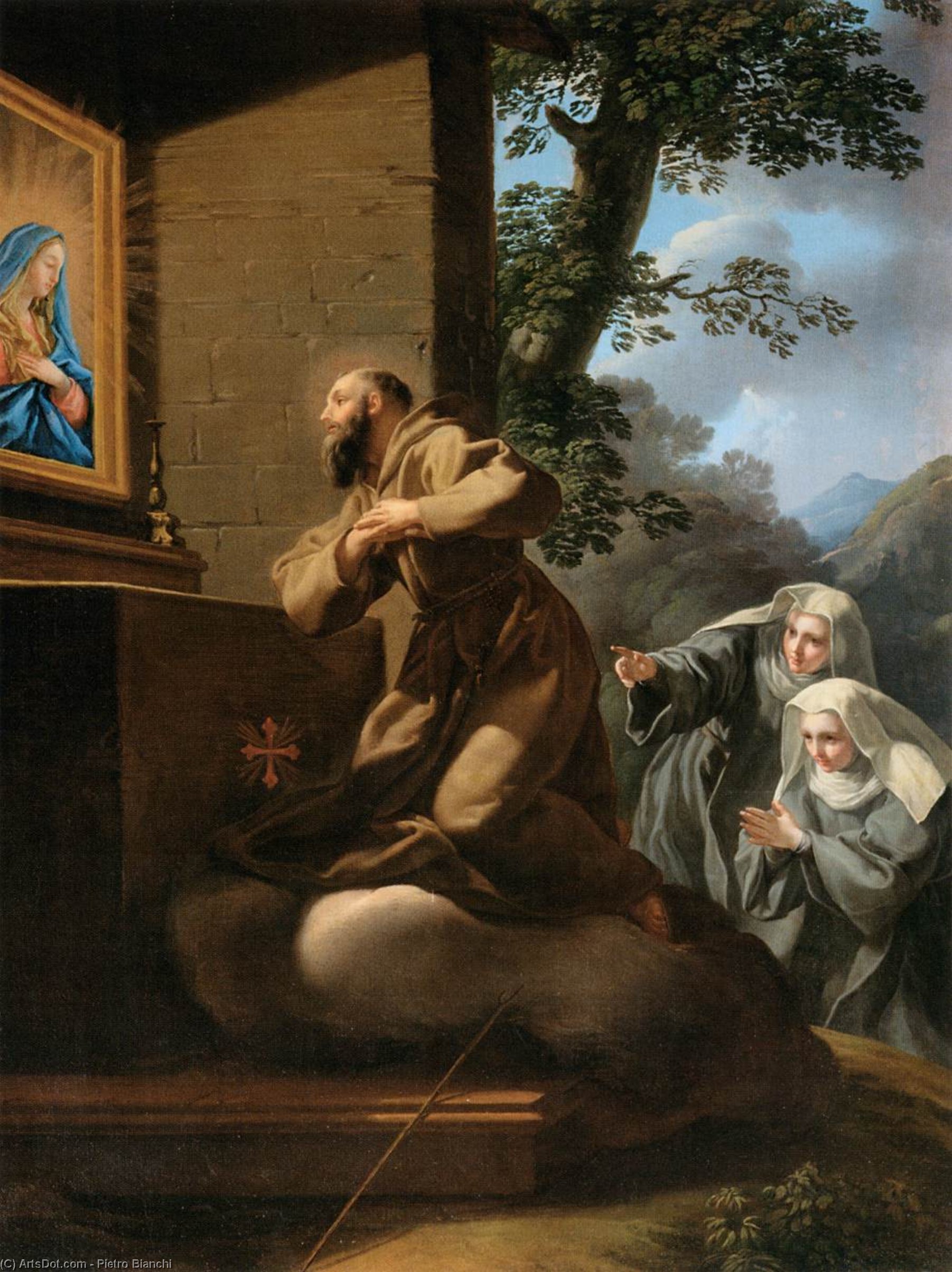
To gaze upon this depiction of St Francis of Paola is to be drawn into a profound moment of spiritual transcendence. The composition immediately arrests the viewer with its palpable sense of piety and divine connection. Here, the saint kneels, his hands clasped in an attitude of deep prayer or meditation, embodying a surrender to the sublime. His very posture speaks volumes of a life dedicated entirely to faith. Notice the subtle detail of the cross adorning his chest; it serves not merely as ornamentation but as a visible testament to his vows and spiritual journey. The surrounding figures—the two women positioned attentively on either side—act as silent witnesses, framing this central act of ecstasy and guiding our focus toward the man’s inner communion.
A Tapestry of Baroque Spirituality
Painted in 1728 by Pietro Bianchi, this work stands as a magnificent artifact from the late Baroque period. Bianchi, whose career spanned the transition towards Rococo sensibilities, masterfully captures the dramatic emotionalism characteristic of the era while retaining a deep commitment to religious narrative. The background itself is not merely decorative; it unfolds as a sweeping, mountainous landscape, lending an epic scale to this intensely personal moment. This juxtaposition—the intimate ecstasy against the vastness of nature—is a hallmark of Baroque art, suggesting that divine revelation can occur anywhere, even amidst rugged wilderness. Furthermore, the inclusion of the clock in the upper register adds a fascinating layer of temporal symbolism, perhaps marking the precise moment grace descended or reminding us that every second is accounted for in the life of devotion.
Mastery in Technique and Atmosphere
Bianchi’s technique, as evidenced here, speaks to an artist deeply concerned with capturing not just light, but spiritual luminescence. The handling of the flesh tones, the drapery folds, and the atmospheric depth of the background suggest a meticulous application of paint that gives the scene an almost three-dimensional presence. While the subject matter is intensely religious, Bianchi imbues it with a captivating sense of human drama. For collectors or designers seeking to infuse a space with historical gravitas and artistic depth, this piece offers unparalleled visual richness. The quality of the rendering suggests a dedication to detail that elevates the devotional scene into high art.
Symbolism and Emotional Resonance
The entire painting functions as a meditation on divine grace. St Francis represents the pinnacle of spiritual fervor, while the surrounding elements—the landscape suggesting eternity, the women embodying supportive devotion, and the cross symbolizing sacrifice—weave together a complex narrative tapestry. Emotionally, the work invites quiet contemplation. It is a piece that does not shout its message but rather resonates with a profound, enduring sense of peace found through unwavering faith. Owning a reproduction allows one to bring this powerful atmosphere of sacred serenity into a modern home or gallery setting.
関連作品

作家の略歴
A Life Dedicated to Divine Detail: The World of Pietro Bianchi
Pietro Bianchi, born in Genoa in 1694 and passing away in 1740, was a painter whose life unfolded amidst the transition from the High Baroque to the burgeoning Rococo style. Though not as widely celebrated as some of his contemporaries, Bianchi carved a significant niche for himself within the artistic circles of both Genoa and Rome, becoming renowned for his meticulous technique, deeply religious subject matter, and an ability to imbue even the simplest still life with a captivating sense of presence. His career, though relatively short, demonstrates a dedication to capturing not merely the appearance of reality but also its spiritual essence.From Genoese Beginnings to Roman Flourishing
Bianchi’s early artistic training remains somewhat shrouded in mystery; however, it is believed he initially honed his skills within the workshops of Genoa, a city then experiencing a vibrant period of artistic activity fueled by its maritime wealth and connections to other European centers. The influence of Genoese masters like Gregorio De Ferrari, known for their dramatic compositions and rich color palettes, likely played a role in shaping Bianchi’s initial style. Around the early 1720s, Bianchi relocated to Rome, a pivotal move that would profoundly impact his artistic development. In Rome, he immersed himself in the city's grand artistic heritage, studying the works of Caravaggio, Guercino, and other Baroque giants. This exposure broadened his understanding of light, shadow, and emotional intensity, elements that became hallmarks of his mature work. He quickly established a reputation for painting altarpieces and devotional scenes for churches and private patrons throughout Rome and its surrounding regions.Themes of Faith and the Everyday
Bianchi’s oeuvre is characterized by two primary thematic strands: religious narratives and still life compositions. His religious paintings, often depicting saints or scenes from the lives of Christ and the Virgin Mary, are notable for their emotional depth and realistic portrayal of human figures. He possessed a remarkable ability to convey piety and spiritual fervor through subtle gestures, expressive faces, and carefully orchestrated lighting effects. St Francis of Paola in Ecstasy, exemplifies this talent; the saint is depicted lost in prayer, radiating an inner peace that draws the viewer into a moment of profound contemplation. Beyond his religious works, Bianchi also excelled at still life painting. These compositions, featuring arrangements of fruits, flowers, and everyday objects, are not merely exercises in technical skill but rather meditations on mortality, abundance, and the beauty of the natural world. He often included symbolic elements within these still lifes—a wilting flower representing the transience of life, or a partially peeled fruit alluding to hidden desires—adding layers of meaning beyond their surface appearance.Technique and Influences
Bianchi’s technical prowess was widely admired by his contemporaries. He employed a meticulous brushstroke, building up forms with layers of delicate glazes that created a luminous quality in his paintings. His mastery of chiaroscuro—the dramatic contrast between light and shadow—was particularly evident in his religious scenes, where it served to heighten emotional impact and draw attention to key figures. While firmly rooted in the Baroque tradition, Bianchi’s style also reveals influences from the emerging Rococo aesthetic. This is visible in his use of softer colors, more graceful compositions, and a greater emphasis on decorative details. He wasn't necessarily a revolutionary figure; rather, he synthesized existing styles into something uniquely his own—a blend of Baroque drama and Rococo elegance. His work stands as a testament to the enduring power of artistic training and the ability to adapt to changing aesthetic sensibilities.Legacy and Historical Significance
Although Pietro Bianchi did not achieve widespread fame during his lifetime, his paintings continue to be appreciated for their technical brilliance, emotional depth, and insightful portrayal of both religious faith and everyday life. His work provides valuable insight into the artistic climate of 18th-century Italy, bridging the gap between the grandeur of the Baroque and the delicate refinement of the Rococo. While further research is needed to fully understand his life and career, Bianchi’s paintings remain a compelling reminder of the enduring power of art to inspire contemplation, evoke emotion, and capture the beauty of the world around us. His dedication to detail and skillful execution ensure that his legacy will continue to resonate with viewers for generations to come.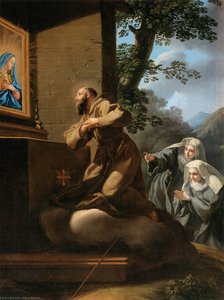
pietro bianchi
1694 - 1740
プロフィール概要
- Artistic Movement Or Style: Baroque & Rococo
- Artists Or Movements Influenced By This Artist: ['Giovanni Bianchi']
- Date Of Death: 1740
- Full Name: Pietro Bianchi
- Nationality: Italian
- Notable Artworks: ['St Francis of Paola in Ecstasy']
- Place Of Birth: Roma