

 プレビュー
プレビュー
 プリントを購入
 シェアする
シェアする シェアする
シェアする
 詳細を見る
詳細を見る

 ダウンロード
 似ている作品
 X線調査
X線調査 スライドショー
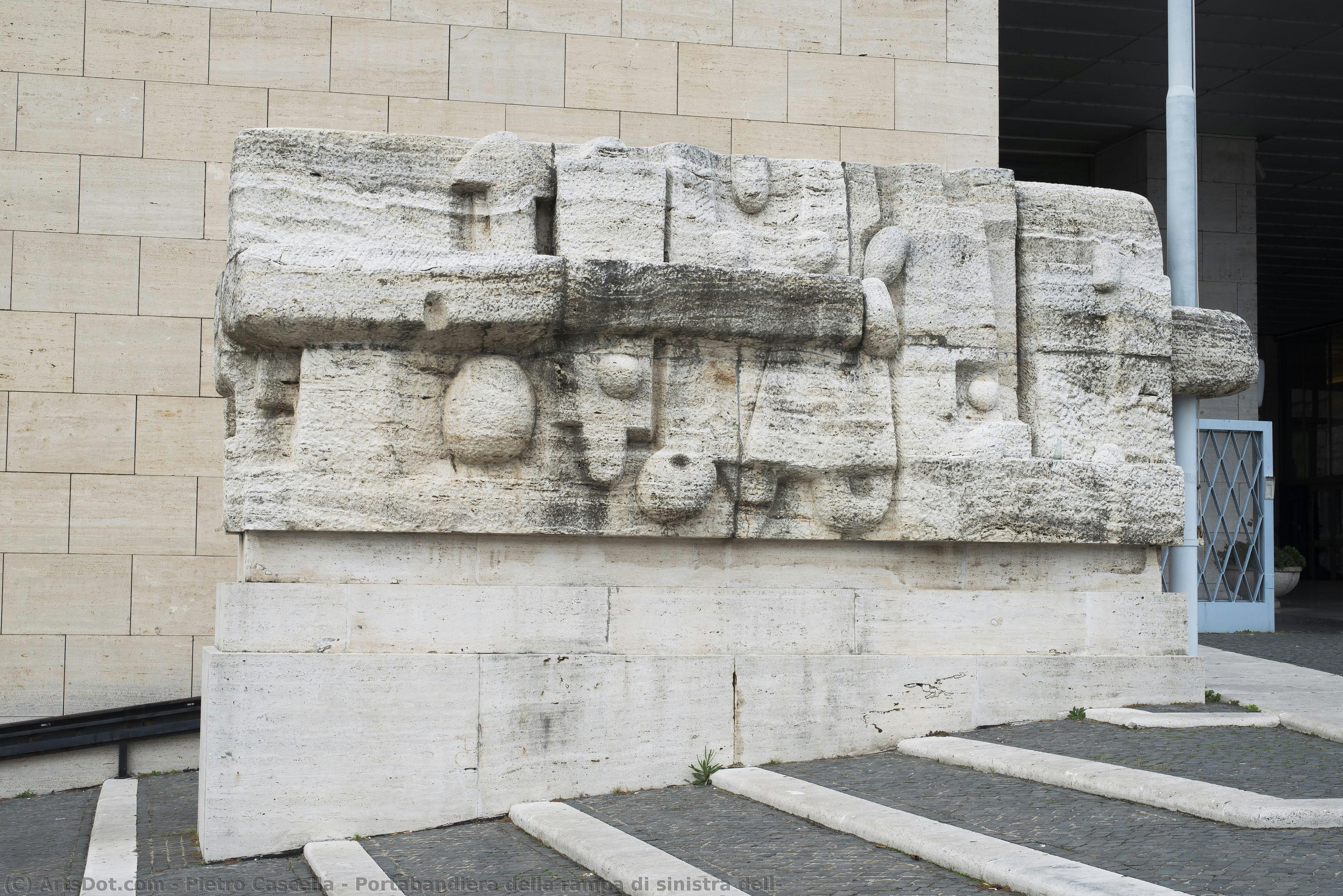
Portabandiera della rampa di sinistra dell


 詳細を見る
詳細を見る
オンラインプレビューをはるかに凌ぐ、高解像度で鮮明なデジタル画像をご購入いただけます。
各ファイルは、社内の専門家が高度なツールと熟練した手作業によるレタッチを用いて、細心の注意を払って準備されています。すべての画像において、卓越した鮮明度、正確な色彩再現性、そして繊細なディテールを保証いたします。
最終ファイルは、プロフェッショナルな編集・印刷環境ですぐにご利用いただけるよう最適化された状態で、72時間以内にメールにてお届けいたします。これは、一流のデザインスタジオ、出版社、ギャラリーから信頼されているものと同等の品質です。
デジタル画像のご注文に付随する特典
高品質なデジタル画像配信を、確かな品質で。
ArtsDot.com を選ぶことは、単に画像を手に入れることではありません。それは、プロの手によって精密に仕上げられ、満足保証が付いた高品質なデジタルアートワークを受け取ることを意味します。ご注文いただいた際に自動的に付随する内容は、以下の通りです:

メールですぐにお届け
ご注文から72時間以内に、高解像度のデジタル画像ファイルがメールでお手元に届きます。すぐにそのままご利用いただけます。

AI技術で最適化されたデジタルファイル
お客様の作品は、高度なAIツールと専門家による手作業の編集を組み合わせてプロフェッショナルに最適化されており、細部のディテール、鮮明さ、そして正確な色再現性を最大限に引き出しています。

一生涯無料の再送サービス
ファイルを誤って削除したり、紛失してしまったりしましたか?ご安心ください。いつでも無料で再送いたします。

輸入手数料は一切かかりません
関税や手数料、配送料を気にすることなく、お気に入りのアートワークをすぐにお楽しみいただけます。デジタルダウンロードは常に免税です。

色彩再現の保証
プロ仕様のツールとカラーマネジメント技術を用いることで、デジタル画像が元の色を最大限に忠実に再現することを保証いたします。

60日間満足保証
ご購入いただいたデジタル画像にご満足いただけない場合は、60日以内であれば、修正または100%の返金(理由を問う必要はありません)をさせていただきます。

100% 返金保証
ご満足いただけない場合は、デジタルファイルを受け取ってから60日以内であれば、理由を問わず全額返金いたします。

まとめ買い割引
3枚購入で10%OFF - 5枚購入で15%OFF - 10枚以上購入で20%OFF。クリエイティブなプロジェクト、ギャラリー、エージェンシーに最適です。
Portabandiera della rampa di sinistra dell': A Monumental Work by Pietro Cascella
- Artist: Pietro Cascella (1921-2008)
- Origin: Italy
- Estimated Date: 1966/1967
Portabandiera della rampa di sinistra dell'ingresso principale del Ministero degli Affari Esteri, often shortened to "Portabandiera della rampa di sinistra dell," is a significant monumental sculpture by the renowned Italian artist Pietro Cascella. This imposing work resides at the Ministry of Foreign Affairs in Rome, Italy, serving as both an architectural element and a powerful artistic statement.
Subject & Style: Archaic Abstraction
The sculpture's subject matter is abstract yet evokes a sense of archaic grandeur. It depicts a figure, seemingly carrying a flag or standard, positioned on the left ramp leading to the main entrance of the Ministry. Cascella’s style is characterized by its bold simplification of form and an exploration of primal human shapes. The work doesn't aim for realistic representation; instead, it utilizes simplified volumes and textured surfaces to convey strength, resilience, and a sense of timelessness. The figure appears almost primordial, drawing inspiration from ancient civilizations and their monumental art.
Technique & Materials
Cascella employed stone as his primary medium for "Portabandiera della rampa di sinistra dell." The choice of material contributes significantly to the sculpture's imposing presence and enduring quality. The rough-hewn texture of the stone, combined with the artist’s skillful carving, creates a dynamic interplay of light and shadow across the surface. This technique emphasizes the raw power of the form while also hinting at the passage of time and the weight of history. The scale is crucial; designed to be viewed from a distance as part of the building's facade, it commands attention and integrates seamlessly with the architectural setting.
Historical Context & Symbolism
Created in the late 1960s, "Portabandiera della rampa di sinistra dell" reflects a period of significant social and political change in Italy. The sculpture can be interpreted as symbolizing strength, progress, and the enduring spirit of the nation. The figure carrying the standard might represent leadership, guidance, or the upholding of national values. Given Cascella’s broader artistic output, including his poignant memorial at Auschwitz, a sense of solemnity and remembrance also permeates the work. The placement within the Ministry of Foreign Affairs suggests themes of diplomacy, international relations, and the representation of Italy on the world stage.
Emotional Impact & Artistic Legacy
Despite its abstract nature, "Portabandiera della rampa di sinistra dell" evokes a powerful emotional response. Its monumental scale and rugged texture inspire awe and respect. The archaic quality of the figure suggests a connection to humanity's enduring struggles and triumphs. Pietro Cascella’s legacy as a sculptor is cemented by works like this one, which demonstrate his ability to create art that is both visually striking and deeply meaningful. This sculpture stands as a testament to his skill in transforming stone into a powerful symbol of national identity and human resilience.
関連作品
作家の略歴
Pietro Cascella: Sculptor of Archaic Echoes
Pietro Cascella (1921-2008) stands as a singular figure in 20th-century Italian sculpture, a master who wrestled with the weight of history and tradition while forging a distinctly modern voice. Born in Pescara, Italy, into an artistic lineage steeped in ceramics and painting – his grandfather, Basilio Cascella, was himself a celebrated artist – Pietro’s journey was one of profound experimentation and monumental scale. His work isn't easily categorized; it exists at the intersection of archaic power, abstract geometry, and a deeply felt engagement with the human condition, particularly as reflected in the horrors of the 20th century. Cascella’s legacy is not simply defined by his individual creations but by the powerful dialogues they initiate about memory, loss, and the enduring search for meaning.Early Influences and Artistic Training
Cascella's artistic development was intrinsically linked to his family history and the vibrant cultural landscape of post-war Italy. His father, Tommaso Cascella, a painter and ceramicist, instilled in him an appreciation for craftsmanship and material exploration. Crucially, he received formal training at the Accademia di Belle Arti in Rome, under Ferruccio Ferrazzi, gaining a grounding in both painting and sculpture. This dual education proved pivotal, allowing him to develop a unique synthesis of form and expression. Early influences included the dynamism of Cubism and the expressive power of Surrealism, though Cascella quickly moved beyond mere imitation, developing his own distinct visual language. The experience working with ceramics and mosaics during the 1950s – particularly in the studio of Basilio Cascella – profoundly shaped his approach to texture, surface, and the integration of different materials within a single composition.Monumental Achievements: Auschwitz and Beyond
Cascella’s most enduring contribution to the art world is undoubtedly the International Monument to the Victims of Fascism at Auschwitz-Birkenau in Poland (1957–1967). This colossal sculpture, a complex arrangement of interlocking blocks and mosaics, stands as a stark and profoundly moving testament to the atrocities committed during the Holocaust. The monument’s scale alone is overwhelming, but it's the deliberate use of archaic forms – referencing ancient Greek temples and monumental architecture – that elevates it beyond mere memorialization. Cascella sought to evoke a sense of timeless suffering and the enduring power of memory, using stone and mosaic to create an atmosphere of solemnity and contemplation. Beyond Auschwitz, Cascella’s career was marked by ambitious public commissions. The underground mausoleum for Silvio Berlusconi at his Villa in Arcore (1980s) is another striking example of his ability to translate complex political and social themes into monumental sculpture. This project, often controversial due to its association with a prominent figure, demonstrates Cascella’s willingness to engage with contemporary issues while maintaining a commitment to formal rigor and sculptural power. His work at Israel Public Art in Independence Park, featuring the “Gate of Peace,” further showcases his ability to create impactful public art that speaks to universal themes of hope and remembrance.Style and Technique: Archaic Forms and Abstract Geometry
Cascella’s artistic style is characterized by a fascinating tension between archaic references and abstract geometric forms. He frequently employed massive, blocky volumes reminiscent of ancient Greek temples, creating a sense of monumental weight and timelessness. However, these forms are often disrupted by fragmented planes, sharp angles, and an interplay of textures – achieved through the skillful use of stone, mosaic, and other materials. This juxtaposition creates a dynamic visual experience, suggesting both stability and instability, order and chaos. Cascella’s work is not about replicating classical forms but rather about extracting their essence—their symbolic power—and reinterpreting it within a modern context. His mosaics, in particular, are notable for their intricate detail and the way they transform simple materials into complex visual narratives.Legacy and Significance
Pietro Cascella’s impact on Italian sculpture is undeniable. He pushed the boundaries of monumental art, demonstrating how classical forms could be used to address contemporary issues with profound emotional resonance. His work at Auschwitz remains a powerful symbol of remembrance and a testament to the enduring consequences of fascism. The Basilio Cascella Civic Museum in Pescara serves as a vital repository for his oeuvre, allowing future generations to appreciate the breadth and depth of his artistic vision. Beyond his individual achievements, Cascella’s legacy lies in his ability to synthesize tradition and innovation, creating sculptures that are both deeply rooted in history and strikingly modern. He remains an important figure in understanding the evolution of Italian sculpture during the 20th century, a sculptor who dared to confront difficult truths with unwavering artistic integrity.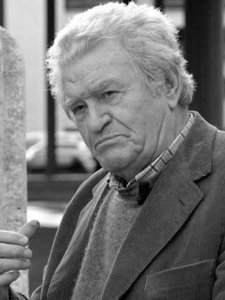
Pietro Cascella
1921 - 2008 , Italy
プロフィール概要
- Artistic Movement Or Style: Abstract, Archaic
- Artists Or Movements Influenced By This Artist: ['Modern Italian art']
- Artists Who Influenced This Artist: ['Roberto Matta']
- Date Of Birth: February 2, 1921
- Date Of Death: May 18, 2008
- Full Name: Pietro Cascella
- Nationality: Italian
- Notable Artworks:
- Flag Bearer (Auschwitz)
- Gate of Peace
- Memorial mosaics
- Place Of Birth: Pescara, Italy

