 プレビュー
プレビュー
 プリントを購入
 シェアする
シェアする シェアする
シェアする
 詳細を見る
詳細を見る

 ダウンロード
 似ている作品
 X線調査
X線調査 スライドショー
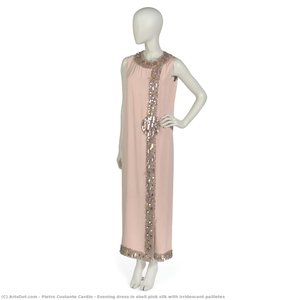
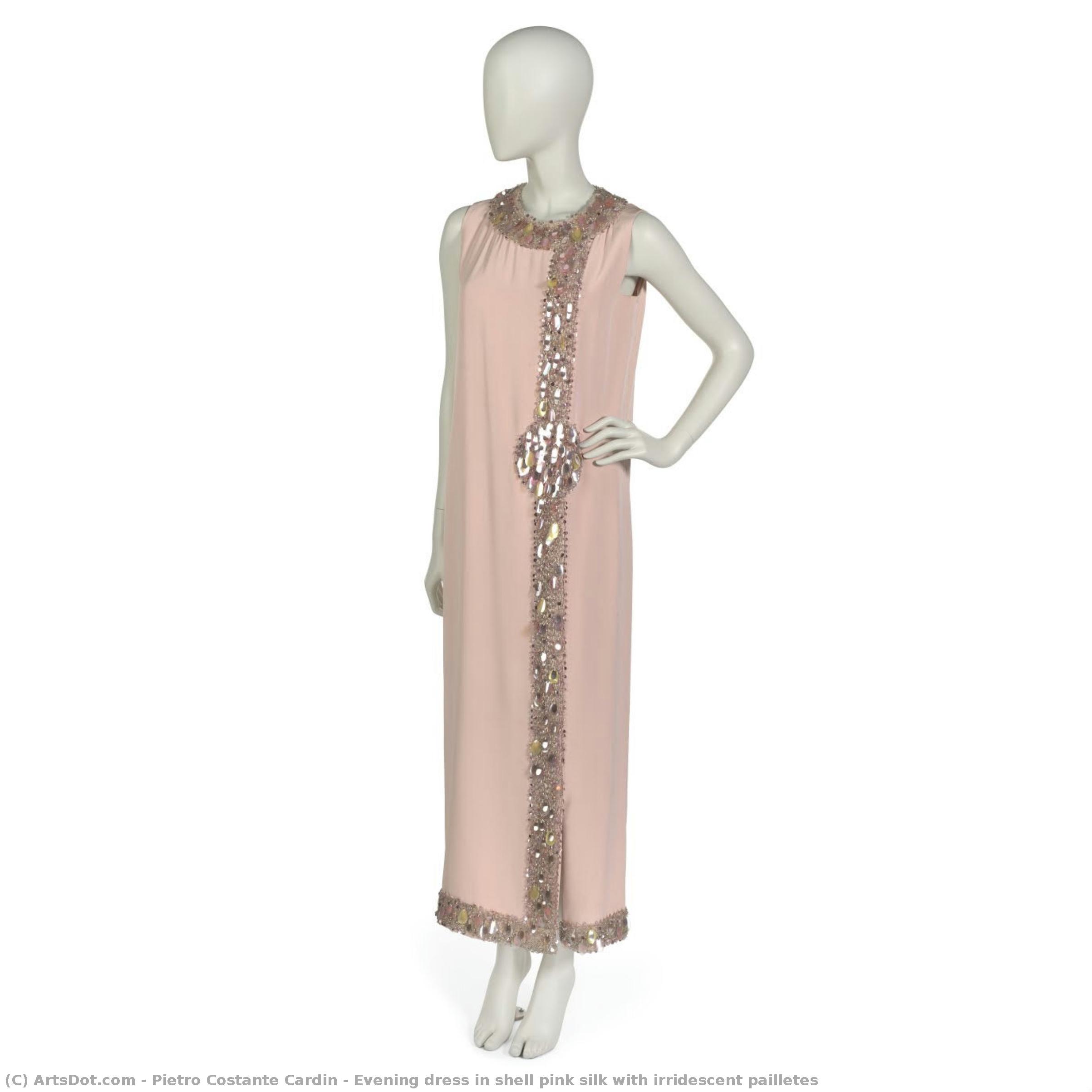
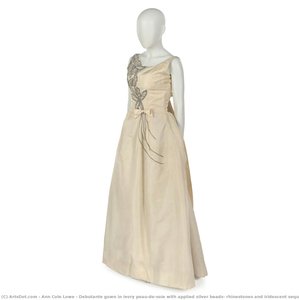
貝殻ピンクシルクの虹色のパイルlettesを含むエレガントなイブニングドレス


 詳細を見る
詳細を見る




P118B $10

P118H $10

P118W $10

P438Z $10

P508JH $12

P508YH $12

P805H $10

P805Z $10

P919BZ $10

P919G $10

P919XJ $10

P959ZH $10

P968JZ $12

W106C $8

W218G $10

W218JH $8

W218Y $10

W307PJ $10

W316G $10

W316PJ $8

W316Y $10

W398PJ $8

W4111J $10

W500HY $15

W500JH $15

W692G $12

W849H $8

W940BG $15

W953PJ $8




作品のオリジナル比率に合わせた、当店の規定サイズからお選びください。

特定のフレームやスペースに合わせて、ご希望のサイズをご入力いただけます。選択されたサイズが元の画像の比率と異なる場合、アートワークをトリミングするか、手描きで要素を追加して絵画を拡張いたします。デジタルモックアップ を制作し、制作開始前にご確認(承認)をいただきます。
画面上のプレビューは、実際のトリミングや拡張を正確に反映しているものではありません。最終的な構図は、モックアップによってのみ正確にご確認いただけます。
カスタムサイズもご利用いただけますが、元の比率を維持するためには、あらかじめ用意されたリストからサイズを選択することをお勧めいたします。
ご注文後、ArtsDot.com チームより詳細な指示をお送りするとともに、仕上がりイメージ(モックアップ)をご提供いたします。


 ガラスオプションは、110cm未満のサイズでのみご利用いただけます。

貝殻ピンクシルクの虹色のパイルlettesを含むエレガントなイブニングドレス
複製技法
複製画のサイズ
-


合計金額
$ 263
ピエロ・カルドンの革新的なデザイン:シェルピンクシルクの夢見るドレス
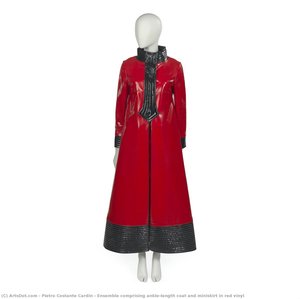
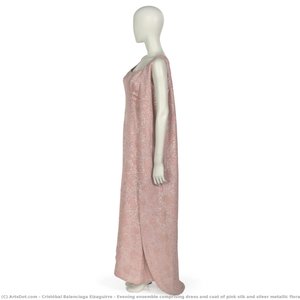
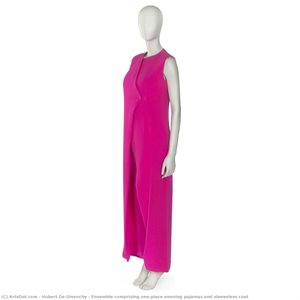
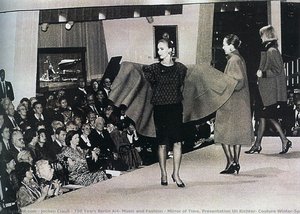
フランス生まれのイタリア人デザイナー、ピエロ・カルドンは、ファッション界に革命を起こした人物として知られています。彼の作品は単なる衣服ではなく、未来への展望と美意識を表現する芸術品です。特に1969年に制作されたこの「シェルピンクシルクの夢見るドレス」は、その時代を象徴する傑作と言えるでしょう。 カルドンのデザイン哲学は、「女性の身体を無視し、幾何学的な形状やモチーフを用いることによって宇宙年齢的なスタイルを実現する」というものでした。彼は伝統的なファッションに挑戦し続け、常に新しい素材と技術を取り入れました。このドレスは、その彼の思想が完璧に具現化された作品です。特に注目すべきは、シルクの滑らかなテクスチャと、きらめくパイルlettesの繊細な輝きでしょう。これらの素材は、当時のファッション界で斬新だっただけでなく、宇宙年齢的なデザインにも最適でした。 ドレスのデザイン自体は非常にシンプルですが、その構成には深い意味が込められています。垂直に伸びる slits は動きを強調し、ドレス全体にダイナミックさを与えます。また、ネックとウエストに配置されたメダリオンは、円形のモチーフを用いて安定感と調和をもたらします。これらの要素は、カルドンのデザインにおけるバランス感覚を示すとともに、宇宙年齢的なスタイルの特徴である幾何学的な形状を表現しています。 このドレスの制作にあたっては、当時最先端だった技術が用いられました。特にパイルlettesと呼ばれる小さなビーズ状の装飾品は、シルクに施された特別な技法によって取り付けられました。これらのパイルlettesは、光を受けてきらめくことでドレス全体に幻想的な輝きを与え、見る人の心を魅了します。この技術は、当時のファッション界で広く用いられましたが、カルドンのドレスにおいては特に洗練された表現を実現しています。 さらにこのドレスには、夢と希望を象徴するピンクの色合いが使われています。ピンクは愛と優しさの色であり、同時に未来への楽観的な展望を表します。このドレスは単なるファッションアイテムではなく、当時の社会情勢や文化的な価値観を反映した作品です。カルドンのデザイン哲学は、「人間の精神に新しい感動を与えること」を目指しており、このドレスはその目標を達成したと言えるでしょう。 このドレスは現在も多くのコレクターやインテリアデザイナーの間で愛されています。その美しいシルエットと繊細な素材の輝きは、時代を超えて人々を引きつけ続けています。カルドンの革新的なデザイン精神は、現代のファッションにも影響を与え続けており、彼の作品は美術史における重要な位置を占めています。この「シェルピンクシルクの夢見るドレス」は、ピエロ・カルドンの芸術的才能と創造性を堪能できる貴重な機会を提供してくれるでしょう。関連作品
アーティストの略歴
Early Life and Formation: A Transnational Beginning
Pietro Costante Cardin, known universally as Pierre Cardin, was born on July 2, 1922, in San Biagio di Callalta, a small town near Venice, Italy. His origins were steeped in a world of craftsmanship and familial ambition; his parents, Maria Montagner and Alessandro Cardin, were prosperous wine merchants who unfortunately lost their fortune during the upheaval of World War I. This early experience of economic instability proved formative, instilling a resilience that would characterize his entire career. Faced with political turmoil, the family relocated to France in 1924, settling in Saint-Étienne, seeking a more secure future. Though Alessandro Cardin envisioned an architectural path for his son, Pietro’s heart lay elsewhere – in the meticulous art of tailoring.
At just fourteen years old, young Pietro began an apprenticeship with Louis Bompuis, a local tailor, laying the foundation for his lifelong passion. This early immersion into the world of fabrics, patterns, and construction proved pivotal. He wasn’t merely learning a trade; he was absorbing a philosophy of form and function that would later define his avant-garde aesthetic. The move to Paris in 1945, following World War II, marked a turning point. He enrolled to study architecture but quickly found himself drawn into the vibrant artistic milieu of the postwar city.
The Rise of a Couturier: From Dior to Independence
Paris became Cardin’s crucible. While pursuing architectural studies, he simultaneously delved into the world of performance, briefly exploring an acting career. A crucial encounter with Jean Cocteau led to costume designs for his 1946 film *Beauty and the Beast*, a project that ignited his creative spark and introduced him to influential circles. He then honed his skills at established fashion houses – Paquin and Elsa Schiaparelli – before securing a position at Christian Dior in 1947. This appointment was significant; Cardin contributed to the creation of the iconic “Bar suit” for Dior’s groundbreaking inaugural collection, showcasing his innate talent for tailoring and pleating.
However, despite his contributions, he faced resistance from Balenciaga, a testament to his burgeoning independent vision. In 1950, Cardin boldly established his own fashion house at 10 rue Richepanse in Paris. Initially, his designs aligned with the prevailing Parisian aesthetic, particularly his impeccably crafted suits which quickly garnered attention. A pivotal moment arrived in 1951 when he designed approximately thirty costumes for a lavish masquerade ball hosted by Carlos de Beistegui in Venice. This commission catapulted him into the spotlight and solidified his reputation as a rising star.
Space Age Innovation: Challenging Conventions
The 1960s witnessed Cardin’s full emergence as an iconoclast, a visionary who dared to challenge conventional notions of fashion. He embraced geometric shapes, bold colors, and unconventional materials, pioneering what became known as “Space Age” design. He wasn't simply creating clothes; he was sculpting forms that reflected the optimism and technological advancements of the era. Cardin’s designs often disregarded the female form, prioritizing abstract silhouettes and architectural lines. This approach extended to his exploration of unisex fashions, sometimes experimental and always provocative.
The introduction of the “bubble dress” in 1954 was a watershed moment, establishing him as an innovator. But it was during the latter half of the decade that Cardin truly revolutionized menswear, reintroducing shaped, fitted suits after a period dominated by looser styles. Retailers recognized his influence, noting how he instilled in men the same brand consciousness previously associated with women’s fashion. He became a leading figure in what was termed the “Peacock Revolution,” and his 1960 collection profoundly impacted popular style – so much so that even The Beatles adopted collarless suits inspired by his designs.
A Global Visionary: Beyond Fashion
Cardin’s influence extended far beyond the realm of haute couture. He was a pioneer in ready-to-wear, launching women's and men's collections that democratized fashion and made designer clothing accessible to a wider audience. His travels to Japan in 1957 marked another significant milestone; he became the first couturier to explore this market, sharing his expertise at the Bunka Fukuso School of Design. He wasn’t content with simply selling clothes; he sought to build a global brand encompassing furniture, accessories, and even restaurants.
Throughout his career, Cardin received numerous accolades, including designation as a UNESCO Goodwill Ambassador in 1991 and a United Nations FAO Goodwill Ambassador in 2009. He died on December 29, 2020, at the age of 98, leaving behind an extraordinary legacy. Pierre Cardin wasn’t just a fashion designer; he was a cultural phenomenon, a visionary artist who redefined beauty and challenged the boundaries of creativity.
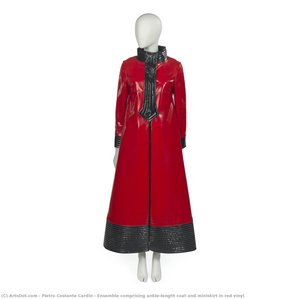
pietro costante cardin
1922 - 2020 , France
基本情報
- Artistic Movement Or Style: Avant-Garde, Space Age
- Date Of Birth: July 2, 1922
- Date Of Death: December 29, 2020
- Full Name: Pietro Costante Cardin
- Nationality: Italian-French
- Notable Artworks:
- Bubble Dress (1954)
- Black wool suit (1950)
- Evening dress (1969)
- Place Of Birth: Saint-Étienne, France
関連記事
ルノワール傑作25選:光と色彩が織りなす印象派の華麗なる世界 | ArtsDot
ルノワールの傑作25選🎨 印象派の光と色彩が輝く世界へ。絵画の背景、技法、そして時代を超えて愛される理由を紐解きます。ArtsDotで高品質な複製画やインテリアアートを見つけ、お部屋に芸術的な彩りを✨ Explore the full collection online!
Cristóbal Balenciaga: Deconstructing Haute Couture's Architectural Legacy
Explore the revolutionary world of Cristóbal Balenciaga, the 'couturier's couturier'. Discover his architectural designs, lasting influence on haute couture, and guide to collecting rare pieces. A connoisseur’s resource.
Draped Narratives: Fashion as Symbol & Subject in Historical Art
Explore the fascinating history of fashion as a symbol of power & status in art! Discover masterpieces from Gainsborough to Tissot and learn how clothing shaped societal narratives. Find museum-quality reproductions at ArtsDot.

ジョルジュ・スーラ傑作25選:光と色彩の科学が織りなす芸術の世界|ArtsDot
ジョルジュ・スーラの傑作25選。点描画の光と色彩、印象派から新印象派へ—ArtsDotで美術史を紐解き、リビングやダイニングを彩る高品質なアートプリントを見つけましょう。セーラ作品集をオンラインで鑑賞ください。

Crimson Threads of Narrative: Exploring Symbolism & Representation in Artworks Featuring the Red Dress
Explore the rich symbolism of the red dress in art history! From ancient power displays to iconic portraits like Cézanne’s 'Madame Cezanne', discover the cultural and artistic significance behind this captivating color. Expert analysis & insights.