


 プレビュー
プレビュー
 プリントを購入
 シェアする
シェアする シェアする
シェアする
 詳細を見る
詳細を見る

 ダウンロード
 似ている作品
 X線調査
X線調査 スライドショー
The Punishment of Hercules
 Oil On Canvas
- WallArt
- Italian Baroque
 1635
1635 300.0 x 200.0 cm
 リヒテンシュタイン美術館
 詳細を見る
詳細を見る




P118B $10

P118H $10

P118W $10

P438Z $10

P508JH $12

P508YH $12

P805H $10

P805Z $10

P919BZ $10

P919G $10

P919XJ $10

P959ZH $10

P968JZ $12

W106C $8

W218G $10

W218JH $8

W218Y $10

W307PJ $10

W316G $10

W316PJ $8

W316Y $10

W398PJ $8

W4111J $10

W500HY $15

W500JH $15

W692G $12

W849H $8

W940BG $15

W953PJ $8




作品のオリジナル比率に合わせた、当店の規定サイズからお選びください。

特定のフレームやスペースに合わせて、ご希望のサイズをご入力いただけます。選択されたサイズが元の画像の比率と異なる場合、アートワークをトリミングするか、手描きで要素を追加して絵画を拡張いたします。デジタルモックアップ を制作し、制作開始前にご確認(承認)をいただきます。
画面上のプレビューは、実際のトリミングや拡張を正確に反映しているものではありません。最終的な構図は、モックアップによってのみ正確にご確認いただけます。
カスタムサイズもご利用いただけますが、元の比率を維持するためには、あらかじめ用意されたリストからサイズを選択することをお勧めいたします。
ご注文後、ArtsDot.com チームより詳細な指示をお送りするとともに、仕上がりイメージ(モックアップ)をご提供いたします。


 ガラスオプションは、110cm未満のサイズでのみご利用いただけます。

The Punishment of Hercules
複製技法
複製画のサイズ
-


合計金額
$ 263
作品解説
The Punishment of Hercules: A Baroque Masterpiece by Pietro da Cortona
Pietro da Cortona’s “The Punishment of Hercules,” painted in 1635, is more than just a depiction of a classical myth; it's a visceral exploration of suffering, divine justice, and the enduring human condition. Measuring an impressive 300 x 200 cm, this work immediately commands attention with its dramatic composition and masterful execution characteristic of the Roman Baroque period. Cortona, a true “Tuscan Sun in the Roman Baroque,” expertly blends narrative clarity with theatrical flair, creating a scene that resonates with both intellectual depth and raw emotional power.
- Subject Matter: The painting portrays the infamous episode from Ovid’s *Metamorphoses* where Hercules, after completing his twelve labors, is punished by Zeus for his hubris. This wasn't a simple act of retribution but a carefully orchestrated demonstration of divine authority and the consequences of challenging the gods.
- Composition & Technique: Cortona employs a pyramidal composition, drawing the viewer’s eye inexorably towards Hercules at its apex. The use of tenebrism – dramatic contrasts between light and shadow – is particularly striking, intensifying the sense of suffering and highlighting the heroic posture of the central figure. Notice the meticulous detail in the rendering of fabric, skin tones, and the subtle expressions on the faces of the figures.
Symbolism and Divine Intervention
The scene is layered with symbolic meaning. Hercules’ unwavering gaze and defiant stance represent human resilience in the face of overwhelming power. The two angels flanking him – one above, offering a silent witness, and another below, seemingly attempting to mitigate the punishment – embody divine intervention and the complex relationship between humanity and the heavens. The inclusion of three children adds an element of pathos, suggesting innocence caught within the machinations of fate. Even the small bird hovering near the top left corner could be interpreted as a symbol of observation or perhaps even a messenger from the divine realm.
- Angels: Their presence underscores the theme of judgment and mercy, highlighting the dual nature of divine justice.
- Children: Representing vulnerability and innocence, they heighten the emotional impact of Hercules’ ordeal.
Historical Context & Cortona's Vision
"The Punishment of Hercules" was created during a period of immense artistic innovation in Rome, fueled by papal patronage and a desire to create awe-inspiring works that reflected the power and glory of the Church. Cortona’s work reflects this ambition while simultaneously demonstrating his own unique artistic vision. Trained initially under Andrea Commodi, he quickly absorbed the lessons of Baccio Ciarpi before developing his distinctive style – characterized by its grandeur, dramatic lighting, and meticulous attention to detail. This painting exemplifies his mastery of illusionistic techniques, a hallmark of Baroque art designed to transport viewers into the heart of the narrative.
The fact that this piece was created in 1635 places it firmly within the height of the Roman Baroque, a period defined by its emotional intensity, dynamic compositions, and exploration of religious themes. Cortona’s ability to capture both the physical suffering of Hercules and the spiritual weight of the scene is a testament to his skill and understanding of the era's artistic conventions.
A Timeless Masterpiece – Recreated for Today
ArtsDot offers meticulously crafted hand-painted reproductions of “The Punishment of Hercules,” allowing you to experience the full impact of Cortona’s masterpiece in your own space. Each reproduction is created using traditional techniques and archival materials, ensuring its longevity and preserving the rich colors and textures of the original. Whether adorning a grand salon or a smaller study, this artwork will undoubtedly become a focal point, sparking conversation and inspiring contemplation for years to come.
関連作品
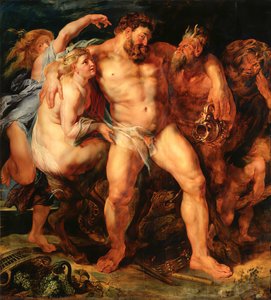
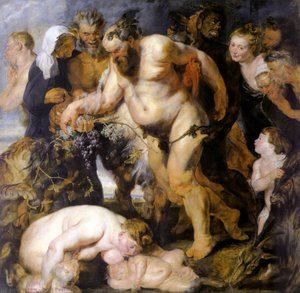
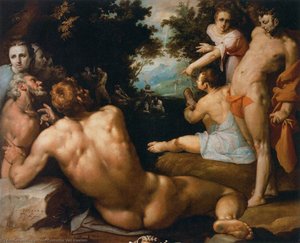
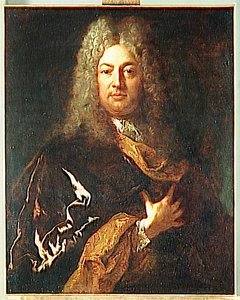


アーティストの略歴
ローマ・バロックにおけるトスカーナの太陽
ピエトロ・ベレッティーニは、歴史上ピエトロ・ダ・コルトーナとして知られ、1596年にトスカーナの起伏に富んだ丘陵地帯から現れ、イタリア・バロックを象徴する人物となりました。彼がより馴染み深い名前を得ることになるコルトーナという町で生まれ、当初はフィレンツェでアンドレア・コッモーディのもとでの訓練によって育まれた生来の芸術的感性を持っていました。しかし、真に彼の天才を点火したのは、芸術革新の脈打つ心臓部であるローマでした。1612年か1613年頃にローマに到着すると、彼はバッキオ・キアルピの工房に入り、錯覚とドラマが視覚的な風景を急速に変貌させている世界に身を浸しました。コルトーナは単に技術を吸収していたのではありません。彼は教会と宮殿の両方のために息をのむような光景を創造する巨匠となる準備を整えていたのです。彼の初期の作品には、すでに成熟した様式を特徴づけるであろう壮大さがほのめかされており、構図に対する鋭い理解と、複雑な物語をキャンバスやフレスコに写し取るという自信の高まりが示されていました。彼はすぐに求められる芸術家としての地位を確立し、自身の技術を磨き上げ、独自の個性を発揮することを可能にする依頼を獲得していきました。イリュージョニストの台頭
コルトーナの昇進は目覚ましく、才能と戦略的な庇護によって推進されました。ジャン・ロレンツォ・ベルニーニの監視の下で手がけられたサンタ・ビビアナ教会(1624年~1626年)のフレスコ画は、極めて重要でした。これらの作品は、彼の技術的な熟練さだけでなく、建築と絵画を統一された没入型の体験へと統合する芽生え始めた能力も示していました。彼の様式はすでに伝統的なアプローチから逸脱しつつあり、単に空間を装飾しているのではなく、それ自体を変容させていたのです。初期の巨匠たちの影響は明白でした。ティツィアーノやパオロ・ヴェロネーゼの豊かな色彩パレットが彼の作品に響き渡り、ラファエロの構図的な優美さが彼自身のダイナミックな配置の基盤を提供しました。しかし、コルトーナは単なる模倣者ではありませんでした。彼はこれらの影響を独自のものへと統合し、劇的な遠近法の使用と、目をごまかす芸術であるトロンプ・ルイユの習熟度を高めることで特徴づけられました。サッケッティ家からの初期の依頼――「ポリクセネの犠牲」、「バッカス凱旋」、「サビーネ人の略奪」(1626年)など――は、彼の評判をさらに確固たるものにし、演劇性と物語的な複雑さへの才能を示しました。これらの初期の成功は単なる技術の誇示ではなく、彼がキャリアを通じて定義することになる記念碑的なプロジェクトを予感させる、意図の表明だったのです。バルベリーニ宮殿:記念碑的作品
1633年は、教皇ウルバヌス8世の甥であるフランチェスコ・バルベリーニ枢機卿のためにバルベリーニ宮殿を装飾するという依頼によって転換点となりました。このプロジェクトは単なる別の委嘱ではありませんでした。それはバロック芸術と教皇権力の記念碑的な声明を創造する機会だったのです。『神の摂理とバルベリーニ家の力』が宮殿の大広間に飾られている作品は、おそらく彼の最も称賛される業績と言えるでしょう。ここでは、コルトーナは自身のイリュージョニストな技術の全力を解き放ちました。彼は、人物、神々、寓意的な表現からなる渦巻く渦を創造し、それらはすべて空中に浮かんでいるかのように見え、建築空間を物理的な限界を超えて拡張しているかのようでした。天井は単に描かれているのではなく、そのもの空間であり、現世の力が神聖な承認によって正当化される広大な領域なのです。この作品のダイナミズム、鮮やかな色彩、そして純粋な規模は、コルトーナをローマ・バロックの主要な人物として確立し、その影響力と名声においてベルニーニやボッロミーニに匹敵するものでした。それはヨーロッパ全土のその後の天井装飾の模範となり、何世代もの芸術家たちにイリュージョニスト絵画の限界を押し広げるインスピレーションを与えました。バルベリーニ宮殿の委嘱は単なる芸術的実行についてではなく、空間と形態の巧みな操作を通じて、バルベリーニ家の力と正当性を視覚的に表現するという、一つのイデオロギーを構築することにあったのです。フレスコ画を超えて:建築と永続する遺産
主に画家として称賛されていますが、コルトーナは才能ある建築家でもありました。ただし、彼の建築デザインの多くは実際に実現されたわけではありません。彼の独特なアプローチは、独創的な形態と装飾要素との調和のとれた統合を好みました。彼はキャリアを通じて名誉ある委嘱を受け続け、ローマのサンタ・マリア・イン・ヴァッリチェラ教会やサン・ニコラ・ダ・トレンティーノ教会などでの仕事も含まれます。これらの後期のプロジェクトは、劇的な照明と感情的な強さへのさらなる強調を特徴とする、彼の様式の洗練を示しています。彼は1637年にフィレンツェに戻り、そして再び1640年に戻り、ピティ宮殿に「人間の四つの時代」を描いたフレスコ画を残しました。ピエトロ・ダ・コルトーナは1669年にローマで亡くなり、今日まで響き渡る遺産を残しました。彼のトロンプ・ルイユの革新的な使用法、構図と色彩に対する熟練した支配力、そして没入的で感情を帯びた環境を創造する能力は、彼をバロック期における最も重要な芸術家の一人として確固たるものにしました。彼は単に絵を描いたり建物を建てたりしたのではありません。彼は世界を召喚し、鑑賞者を芸術と現実が曖昧になり、神聖なものが手の届くところにあるように感じられる領域へと誘ったのです。影響と芸術的な親和性
- 初期の影響: コルトーナの形成期は、アンドレア・コッモーディのようなフィレンツェの巨匠たちによって形作られ、彼にデッサンと構図原理の基礎を植え付けました。
- ローマ・バロックの巨匠たち: ローマでの彼の到着は、アンニバレ・カラッチ、カラヴァッジオ、そして後にベルニーニやボッロミーニといった芸術家たちの革命的な作品に彼を触れさせました。彼は彼らの光と影の劇的な使用法、ダイナミックな構図、感情的な強さを吸収しました。
- ヴェネツィアの色彩主義: ティツィアーノやヴェロネーゼのようなヴェネツィア派の画家たちの豊かな色彩パレットと大気効果は、コルトーナの絵画へのアプローチに深く影響を与え、彼の作品に官能的な質感を加えました。
- ピエトロ・パオロ・ウバルディニ: コルトーナによって確立された伝統を引き継いだ忠実な追随者であり、この芸術家がその後の世代の画家たちに与えた永続的な影響を証明しています。
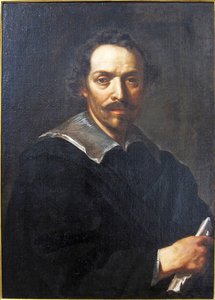
ピエトロ・ダ・コルトーナ
1596 - 1669 , イタリア
基本情報
- Artistic Movement Or Style: バロック
- Artists Or Movements Influenced By This Artist:
- ヨーロッパの芸術家
- 錯視画家
- Artists Who Influenced This Artist:
- ティツィアーノ
- パオロ・ヴェローネーゼ
- ラファエロ
- Date Of Birth: 1596年
- Date Of Death: 1669年
- Full Name: ピエトロ・ダ・コルトーナ
- Nationality: イタリア人
- Notable Artworks:
- 栄光の中の神
- 守護天使
- 神の摂理のアレゴリー
- Place Of Birth: コルトーナ(イタリア)
関連記事
レオナルド・ダ・ヴィンチ:至高の25選 - 芸術、科学、そして不朽の名作の世界
レオナルド・ダ・ヴィンチの至宝25選。モナリザ、最後の晩餐…ルネサンス美術を代表する名画の世界へ。芸術史、技法、そして感動の物語を紐解き、お部屋に飾る高級複製画で特別な空間を。ArtsDot.comで全コレクションをご覧ください。
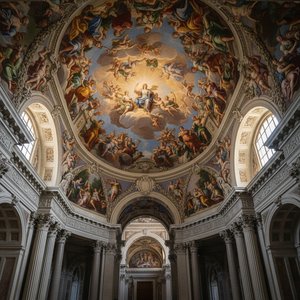
Pietro da Cortona: Baroque Grandeur & the Synthesis of Roman Painting
Explore the life & masterpieces of Pietro da Cortona, a defining figure of the Italian Baroque. Discover his stunning frescoes at Palazzo Barberini and lasting influence on Roman art history. Learn more with ArtsDot.

Giclée Prints: Archival Quality & Aesthetic Nuances for the Discerning Collector
Explore the world of giclée prints with ArtsDot. Learn about archival quality, aesthetic nuances & investment potential. Expert guidance for discerning art collectors seeking museum-quality reproductions and lasting value.

The Enduring Legacy of Fine Art Prints: Technique, History & Aesthetic Impact
Explore the rich history & techniques of fine art prints. Discover investment potential, assess authenticity, and learn how to preserve your collection with expert guidance. Trusted insights for discerning collectors.

バロックのドラマ:現代のインテリアに壮麗さと情感を取り込む
バロック様式の歴史、絵画、家具の魅力をご紹介。ArtsDotでは、高品質な油絵複製やカスタムポートレートをご提供し、現代のインテリアに壮麗さと情感を取り入れます。アートコンサルテーションも承ります。

