 プレビュー
プレビュー
 シェアする
シェアする シェアする
シェアする
 詳細を見る
詳細を見る

 ダウンロード
 似ている作品
 X線調査
X線調査 スライドショー
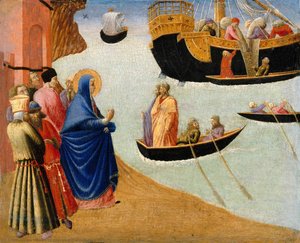
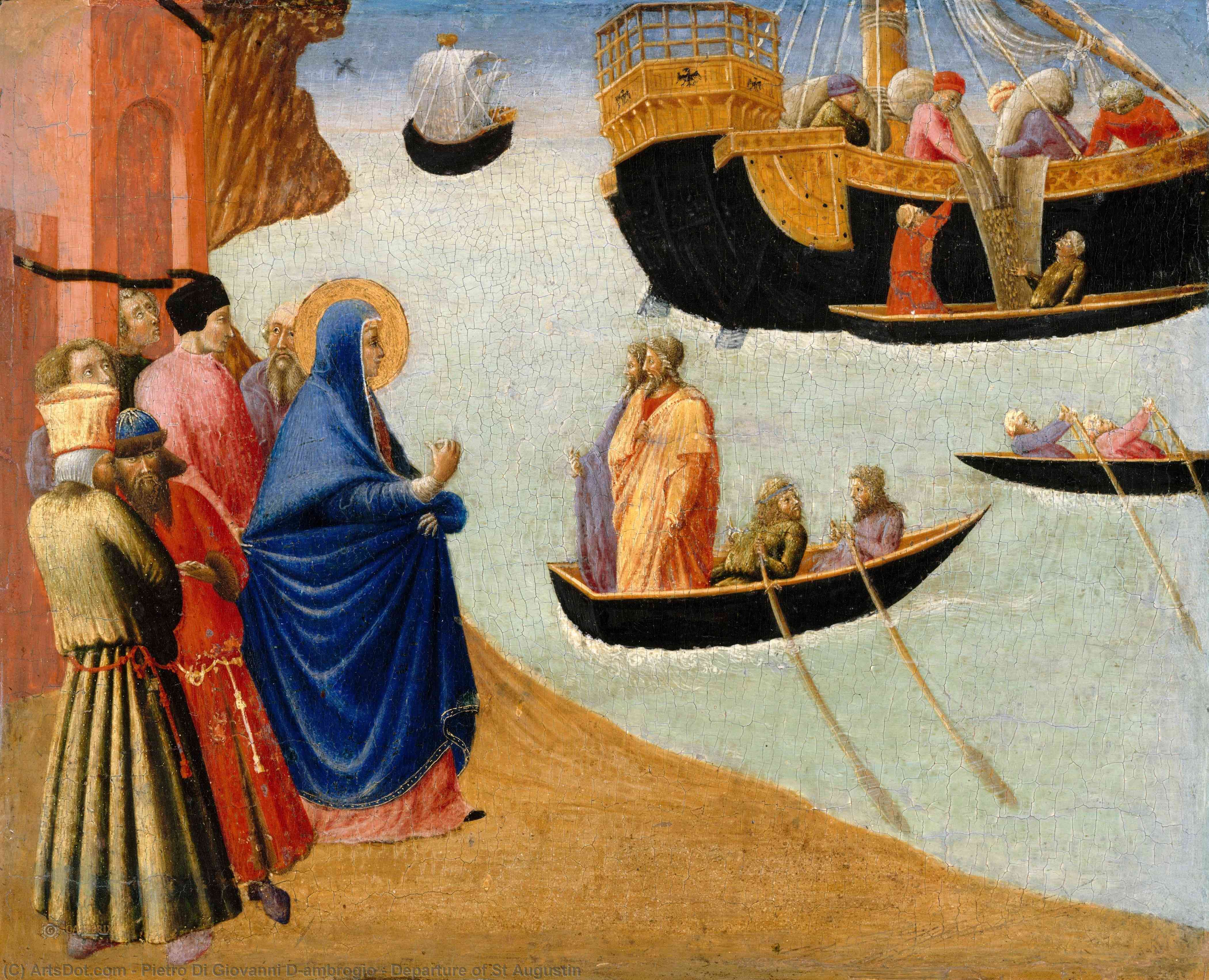
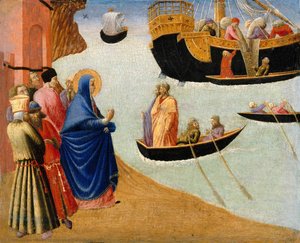
聖アウグスチヌスの出発
 キャンバスにアクリル絵具
- ウォールアート
- Early Renaissance
 1435
1435 29.0 x 35.0 cm
 国立博物館群
 詳細を見る
詳細を見る
ジークレー/アートプリント
迅速な制作と多彩な仕上げオプションを備えた、ミュージアムクオリティのジークレーまたはキャンバスプリント。 ( 手描きの絵画を購入 画像を購入)




P118B $10

P118H $10

P118W $10

P438Z $10

P508JH $12

P508YH $12

P805H $10

P805Z $10

P919BZ $10

P919G $10

P919XJ $10

P959ZH $10

P968JZ $12

W106C $8

W218G $10

W218JH $8

W218Y $10

W307PJ $10

W316G $10

W316PJ $8

W316Y $10

W398PJ $8

W4111J $10

W500HY $15

W500JH $15

W692G $12

W849H $8

W940BG $15

W953PJ $8




作品のオリジナル比率に合わせた、当店の規定サイズからお選びください。

特定のフレームやスペースに合わせて、ご自身でサイズを指定することも可能です。選択されたサイズが元の画像の比率と一致しない場合、作品をトリミングするか、鏡面反射または単色での塗りつぶしによって画像を拡張いたします。制作を開始する前に、ご確認用のデジタルモックアップをお送りいたします。
画面上のプレビューには、実際のトリミングや拡張は反映されませんのでご注意ください。最終的な構図を正確に確認できるのは、モックアップのみとなります。
カスタムサイズも承っておりますが、元の比率を維持するためには、あらかじめ用意されたリストからサイズを選択することをお勧めいたします。


 ガラスオプションは、110cm未満のサイズでのみご利用いただけます。

聖アウグスチヌスの出発
ジークレー/アートプリント
複製画のサイズ
-


合計金額
$ 62
作品詳細説明
ピエトロ・ディ・ジョヴァンニ・ダ・アンブロジオの「聖アウグスチンの出発」について
ピエトロ・ディ・ジョヴァンニ・ダ・アンブロジオは、イタリアのシエナで活躍したルネサンス初期の画家の一人であり、その作品は特にサン・ヨハネ・バプティストリヤと聖マリア・デラ・スカラ病院に描かれたフレスコ画で知られています。しかしながら、彼の遺産はさらに多くの人々によって愛され続けています。この画家は、ゴシック様式の伝統からルネサンスへの移行期において重要な役割を果たし、その繊細な表現力と豊かな色彩感覚は後世の芸術家たちに大きな影響を与えました。彼は1410年にシエナで生まれ、1449年に亡くなっています。 この傑作「聖アウグスチンの出発」は、聖アウグスチヌスと彼の信徒たちが描かれた宗教的な場面です。絵の中心には聖アウグスチヌスが船に乗り降りする人々を見守る姿が表現されています。彼の左側に立つ人物や、背景に立ち見つめる人々など、多くのキャラクターが登場します。また、船は聖アウグスチヌスの旅路を象徴しており、信仰と希望のメッセージを伝えています。この絵は、聖アウグスチヌスがどこへ向かっているのかを描いたものであり、彼の決意と未来への展望を力強く表現しています。 ピエトロ・ディ・ジョヴァンニ・ダ・アンブロジオの作品の特徴は、その独特な個性と感情豊かな表現にあります。彼は聖アウグスチヌスやモニーカ聖母といった人物だけでなく、周囲の空間にも深い情熱を注ぎ込みました。特にこのフレスコ画は、当時のシエナにおける芸術家の間で大きな話題となり、その美しい色彩と繊細な筆致は見る人の心を捉えます。彼はサン・ヨハネ・バプティストリヤや聖マリア・デラ・スカラ病院など、シエナの重要な教会や病院にフレスコ画を描き、当時の宗教的な情熱を表現しました。彼の作品は、単なる美しい絵画としてだけでなく、当時の社会と文化に対する深い理解を示すものでもあります。 この「聖アウグスチンの出発」は、ルネサンス初期における芸術家の技術と精神性を体現した作品と言えるでしょう。ピエトロ・ディ・ジョヴァンニ・ダ・アンブロジオの絵画は、その繊細な色彩感覚と卓越した筆致によって、見る人に感動を与え続けています。この傑作を鑑賞する際には、当時の宗教的な情熱や芸術家の個性といった歴史的背景を考慮することで、より深い理解を得ることができます。そして何よりも、この美しいフレスコ画があなたの空間に新たな魅力を与えることでしょう。関連作品
アーティストの略歴
Pietro di Giovanni d’Ambrogio: A Siena Renaissance Pioneer
The name Pietro di Giovanni d’Ambrogio might not be instantly familiar to the casual art enthusiast, yet his contribution to the vibrant artistic landscape of 15th-century Siena is profoundly significant. Born in Siena around 1410 and tragically passing away in 1449, this painter stands as a pivotal figure bridging the gap between the late Gothic traditions of his predecessors and the burgeoning innovations of the early Renaissance. His legacy resides primarily in his frescoes, particularly those adorning the San Giovanni Baptistery and the Hospital of Santa Maria della Scala, but also in smaller works like the poignant portrait of Bernardino of Siena – a testament to his skill and sensitivity.
D’Ambrogio's early life remains somewhat shrouded in mystery. While precise details are scarce, it is generally accepted that he received his initial artistic training within the established workshops of Siena. A key figure often linked with his formative years was Stefano di Giovanni, known as “Il Sassetta,” a master whose influence on Sienese painting during this period is undeniable. In 1428, d’Ambrogio formally joined the Painter's Guild, marking his entry into the professional art world and signifying his commitment to pursuing a career in visual arts.
The Flourishing of Talent: Works and Style
D’Ambrogio’s artistic output during his relatively short life is remarkable for its diversity and stylistic evolution. His early works, such as the celebrated “Adoration of the Shepherds” with Saint Augustine and Saint Galgano (circa 1430-1435), demonstrate a masterful command of composition and a burgeoning interest in depicting human emotion. This altarpiece, now housed at the Pinacoteca Nazionale in Siena, is considered one of his most important achievements – a complex narrative rendered with remarkable clarity and a subtle use of color. The painting’s subject matter—a scene rooted in biblical tradition—reflects the prevailing religious fervor of the time, while its execution reveals d'Ambrogio’s growing confidence and artistic maturity.
Further evidence of his evolving style emerges from his work at the Hospital of Santa Maria della Scala. Sadly, these frescoes – depicting scenes from the life of Christ – were destroyed during a devastating fire in the 19th century, leaving only fragmented descriptions and sketches to tantalize art historians. However, contemporary accounts suggest that d’Ambrogio employed innovative techniques, including *buon fresco* (direct painting on wet plaster), demonstrating his technical proficiency and willingness to experiment with new approaches.
A particularly compelling example of d'Ambrogio’s artistic sensitivity is the portrait of Bernardino of Siena. Created in 1444, shortly after the saint’s death, this small panel captures the solemnity and dignity of the religious figure with remarkable accuracy. The painting, now preserved at the Pinacoteca Nazionale, is not merely a likeness; it conveys a sense of reverence and respect for the deceased saint – a testament to d'Ambrogio’s ability to imbue his subjects with human emotion.
Influences and Connections
D’Ambrogio’s artistic development was undoubtedly shaped by the prevailing trends of the early Renaissance, particularly those emanating from Florence. While he remained firmly rooted in Sienese tradition, he absorbed elements of Florentine innovation, most notably the influence of Masaccio. Some scholars have identified parallels between d'Ambrogio’s use of perspective and his depiction of human anatomy – techniques that were becoming increasingly prominent in Florentine painting during this period.
Furthermore, there is speculation regarding a possible connection to Ambrogio Lorenzetti and Bartolomeo Bulgarini, two prominent Sienese artists who had previously worked on similar subjects. The “Adoration of the Shepherds,” with its complex composition and narrative richness, has been suggested as potentially drawing inspiration from earlier works by these masters – a testament to the interconnectedness of the artistic community in Siena.
Legacy and Historical Significance
Despite his untimely death at the age of 39, Pietro di Giovanni d’Ambrogio left an enduring mark on Sienese art. His frescoes, though tragically lost, represent a significant step towards a more naturalistic and emotionally expressive style – a departure from the stylized conventions of late Gothic painting. His portrait of Bernardino of Siena stands as a poignant reminder of his artistic sensitivity and his ability to capture the essence of human experience.
D’Ambrogio's work is now recognized as an important link in the chain of Sienese Renaissance art, bridging the gap between the past and the future. His legacy continues to inspire artists and scholars alike, reminding us of the rich artistic heritage of Siena and the enduring power of visual storytelling.
pietro di giovanni d'ambrogio
1410 - 1449 , Italy
基本情報
- Artistic Movement Or Style: Renaissance art
- Artists Or Movements Influenced By This Artist:
- Il Sassetta
- Sienese School
- Artists Who Influenced This Artist:
- Stefano di Giovanni
- Ambrogio Lorenzetti
- Bartolomeo Bulgarini
- Masaccio
- Date Of Birth: 1410, Siena, Italy
- Date Of Death: 1449, Siena, Italy
- Full Name: Pietro di Giovanni d'Ambrosio
- Nationality: Italian
- Notable Artworks:
- Adoration of the Shepherds
- Crucifixion
- Saint Bernardino portrait
- Place Of Birth: Siena, Italy
関連記事

家族の遺産を壁画で彩る:伝統技法が紡ぐ、時を超越する美と記憶
古代から現代までの壁画の歴史と技法を解説。日本の壁画文化やカスタムオーダーによる家族の遺産表現、保存・修復技術まで網羅。専門家が時を超越する美と記憶を紡ぐ芸術的価値をご案内します。

The Enduring Legacy of Fresco Painting: Techniques, History & Contemporary Relevance
Explore the rich history & enduring artistry of fresco painting – from Giotto to Michelangelo! Discover techniques, conservation efforts, & modern applications. Learn how ArtsDot brings this timeless art form to your home.

The Enduring Legacy of Fresco: Technique, History & Artistic Expression Across Cultures
Explore the rich history & enduring legacy of fresco painting! Discover ancient techniques, Giotto's masterpieces, and modern applications. Expert insights for art lovers & professionals.

Art That Lives With You: The Emotional Power of a Custom Interior Fresco
Discover the emotional power & timeless beauty of custom interior frescoes. Explore history, design tips & expert guidance from – creating lasting legacies.
The Enduring Legacy of Fresco: Technique, History & Artistic Expression
Explore the rich history & enduring artistry of fresco painting. Discover techniques from Giotto to Michelangelo, conservation efforts, & modern applications. Learn how ArtsDot brings this timeless art form to your home.