

 プレビュー
プレビュー
 シェアする
シェアする シェアする
シェアする
 詳細を見る
詳細を見る

 ダウンロード
 似ている作品
 X線調査
X線調査 スライドショー
 統計情報
統計情報Arriving for the Hunt


 詳細を見る
詳細を見る
手描き油彩複製画
当社のアーティストが、お客様のご希望のサイズと額縁に合わせて、キャンバスに手描きで制作する油彩画です。 ( プリント版に切り替え デジタル画像販売へ切り替え)




P118B $10

P118H $10

P118W $10

P438Z $10

P508JH $12

P508YH $12

P805H $10

P805Z $10

P919BZ $10

P919G $10

P919XJ $10

P959ZH $10

P968JZ $12

W106C $8

W218G $10

W218JH $8

W218Y $10

W307PJ $10

W316G $10

W316PJ $8

W316Y $10

W398PJ $8

W4111J $10

W500HY $15

W500JH $15

W692G $12

W849H $8

W940BG $15

W953PJ $8




作品のオリジナル比率に合わせた、当店の規定サイズからお選びください。

特定のフレームやスペースに合わせて、ご希望のサイズをご入力いただけます。選択されたサイズが元の画像の比率と異なる場合、アートワークをトリミングするか、手描きで要素を追加して絵画を拡張いたします。デジタルモックアップ を制作し、制作開始前にご確認(承認)をいただきます。
画面上のプレビューは、実際のトリミングや拡張を正確に反映しているものではありません。最終的な構図は、モックアップによってのみ正確にご確認いただけます。
カスタムサイズもご利用いただけますが、元の比率を維持するためには、あらかじめ用意されたリストからサイズを選択することをお勧めいたします。
ご注文後、ArtsDot.com チームより詳細な指示をお送りするとともに、仕上がりイメージ(モックアップ)をご提供いたします。


 ガラスオプションは、110cm未満のサイズでのみご利用いただけます。

Arriving for the Hunt
複製技法
複製画のサイズ
-


合計金額
$ 263
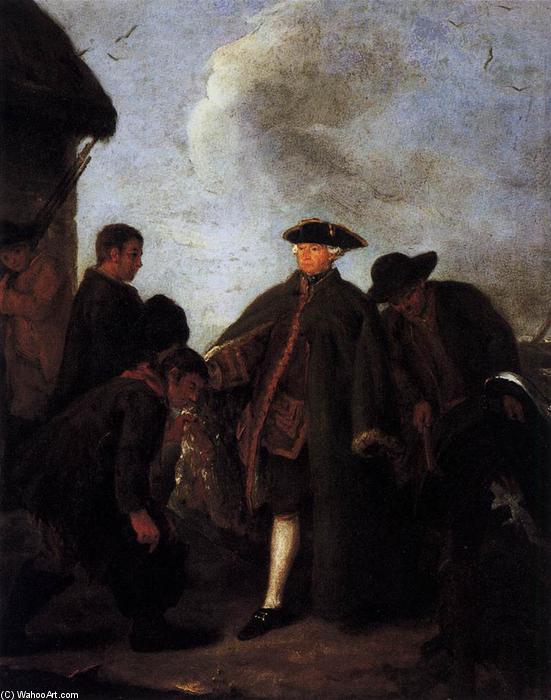
A Moment Frozen in Time: Pietro Longhi’s “Arriving for the Hunt”
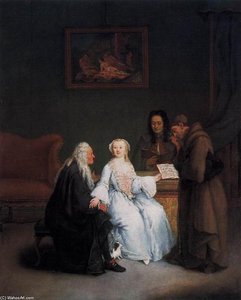
Pietro Longhi's "Arriving for the Hunt," painted in 1767 and currently residing within the Fondazione Querini Stampalia in Venice, isn’t merely a depiction of a social gathering; it’s a meticulously crafted snapshot of Venetian bourgeois life – a window into the subtle dramas and carefully constructed appearances of the late 18th century. More than just a portrait, it's a study in gesture, expression, and the unspoken language of a society obsessed with propriety and leisure. Longhi, often dubbed the “Venetian Hogarth” for his satirical observations of contemporary manners, masterfully captures this atmosphere with an almost disconcerting realism, inviting us to observe and interpret the nuances of this particular scene.
The Scene Unfolds: Details of a Venetian Afternoon
The painting immediately draws the eye to its foreground – three figures engaged in conversation beneath a cloudy sky. A distinguished gentleman on the left, clad in a dark coat and white shirt, holds court with a woman in a light-colored gown, her face partially obscured by a bonnet. To their right, another man, equally formally dressed, engages in animated discussion. The background reveals two additional figures: a younger man observing the scene, and a boy attentively listening – each contributing to a tableau of quiet social interaction. Notice the careful attention to detail; the rustle of fabrics, the subtle tilt of heads, the precise arrangement of hands—all speak volumes about Longhi’s commitment to realism. The setting itself, hinted at by a distant building, suggests an outdoor location, perhaps near a hunting lodge or estate, reinforcing the theme of leisure and aristocratic pursuits.
A Masterclass in Rococo Technique and Composition
Longhi’s style is firmly rooted in the Rococo tradition, yet he transcends mere imitation. He employs a delicate palette dominated by earth tones – browns, ochres, and muted greens—creating a sense of understated elegance and subdued drama. The brushwork is remarkably smooth and refined, particularly evident in the rendering of clothing textures and facial features. The composition itself is carefully balanced, guiding the viewer’s eye through the scene with a subtle yet effective use of diagonals and converging lines. Longhi's skill lies not just in depicting what he saw, but in arranging those elements to create a compelling narrative—a story told without words.
Symbolism and Social Commentary
Beyond the surface depiction of a social gathering, “Arriving for the Hunt” is laden with symbolic meaning. The hunting motif itself represents status, skill, and control – values highly prized within Venetian society. The figures’ attire—particularly the elaborate coats and bonnets—underscores their wealth and position. However, Longhi subtly undermines this superficial display of grandeur by capturing moments of awkwardness, hesitation, and unspoken tension. The boy's attentive posture suggests a keen observer, perhaps even a critic of the adult world. The painting’s overall mood is one of restrained elegance, hinting at the underlying anxieties and complexities of Venetian society—a world where appearances were carefully maintained, and social rituals governed every interaction.
A Legacy of Observation: Longhi's Venice
Pietro Longhi’s work offers a rare glimpse into the everyday lives of 18th-century Venetians. Unlike many of his contemporaries who focused on grand historical or mythological subjects, Longhi chose to document the intimate details of Venetian society—the conversations, the fashions, and the social customs that shaped their world. His paintings are not simply beautiful works of art; they are invaluable historical documents, providing us with a unique understanding of a bygone era. Reproductions of “Arriving for the Hunt” offer a chance to bring this captivating scene into your home, allowing you to appreciate Longhi’s remarkable talent and his insightful portrayal of Venetian life.

アーティストの略歴
ヴェネツィアの日常生活を記録した画家、ピエトロ・ロンギ
ピエトロ・ロンギは1701年11月5日、ヴェネツィアでピエトロ・ファルカという名前で生まれました。彼は壮大な歴史的物語や神話的な場面を描くのではなく、街の優雅な家々や賑やかな通りで繰り広げられる静かなドラマを捉えました。彼は18世紀のヴェネツィアンの人々の生活を垣間見ることができる、ウィットに富んだジャンル画で知られるようになり、当時の主流の芸術的傾向からの脱却となりました。銀細工師アレッサンドロ・ファルカの息子であるロンギは、ヴェローナの画家アントニオ・バレストラの下で初期の訓練を受けました。バレストラは彼の才能を認め、育成しました。この伝統的な技術の基礎は、後に彼が選んだ主題に革新性をもたらすための微妙な対比として役立ちます。ロンギは芸術キャリアを始めた際に「ロンギ」という姓を採用し、父親の職業から絵画への情熱へと象徴的に転換しました。宗教的な場面からヴェネツィアの内装へ
ロンギの初期作品は、当時の期待を反映していました。祭壇画や宗教的主題が彼の初期ポートフォリオを占めていました。1732年のサン・ペレグリーノ教会のための祭壇画は、壊れた筆致と鮮やかな色彩のグラデーションなど、ヴェネツィア絵画の特徴的な伝統的な技術の習熟度を示しています。しかし、1730年代後半になってロンギは真に彼の声を見出し、彼の遺産を定義することになる小規模なジャンルシーンへとシフトしました。この移行は単なる主題の変化ではありませんでした。それは時代の高まりつつある社会的・文化的な変化への意識的な取り組みを表していました。18世紀には、ブルジョワ階級の私生活に対する関心が高まり、家庭や日常生活のリチュアルに焦点が当てられました。ロンギは巧みにこの変化を捉え、チャーミングで微妙な風刺とともにヴェネツィア社会への窓を提供しました。彼は1732年にカテリーナ・マリア・リッツィと結婚し、11人の子供をもうけましたが、成人に達したのはわずか3人でした。彼の私生活は直接的に彼の芸術に反映されていませんでしたが、彼が頻繁に描いた家庭圏への理解を深めたことは間違いありません。「ヴェネツィアのホガース」と風刺的な視点
ロンギはすぐに「ウィリアム・ホガース」という称号を獲得し、それは一見無害なシーンに社会的なコメントの層を織り込む彼の能力の証でした。ホガースのように、ロンギも人間の欠点や社会の矛盾を描くことをためらいませんでした。しかし、ホガースの風刺はしばしば率直で道徳的でしたが、ロンギの風刺はより微妙で、優しい皮肉に満ちていました。彼の絵画には仮面をつけた人物が溢れており、それはヴェネツィアの遍在するカーニバルのお祝いへのうなずきであり、ギャンブルや求愛から秘密の会議や疑わしい取引まで、さまざまな活動に従事しています。たとえば、『手紙』は、暗示された不適切さに満ちたシーンを提示し、ヴェネツィア社会の隠れた流れを示唆しています。彼は単に人生をありのままに記録していたのではありません。彼はその複雑さと矛盾に対する巧妙なコメントを提供していました。これらの微妙さを捉える能力こそが彼を際立たせ、彼のジャンルシーンを単なるドキュメンテーションから洞察力に富んだ社会観察へと高めています。技法、影響、そして永続的な遺産
ロンギの技法は、彼の主題と同じくらい独特でした。彼は小さなキャンバスを好んで使い、繊細なタッチと鋭いディテールへのこだわりで丁寧に描きました。彼の内装は柔らかな光に包まれ、親密さとリアリズムの雰囲気を作り出しています。彼はテクスチャを描く並外れた能力を持っていました。絹の光沢、木の粗さ、生地の微妙な折り目はすべて、シーンに深みと信憑性を加えています。ジュゼッペ・マリア・クレスピのような初期のヴェネツィアの巨匠の影響を受けていますが、ロンギは独自の道を切り開き、ジャンル絵画における後々の発展を予見しました。彼の作品は同時代の聴衆から共感を呼び、彼らは彼がその時代の精神を捉える能力に感謝しました。彼は1763年から絵画と彫刻アカデミーのディレクターを務め、ヴェネツィアのアート界における彼の地位をさらに確固たるものにしました。彼の息子アレッサンドロ・ロンギも画家になり、後期の肖像画制作を手伝いました。ピエトロ・ロンギは1785年5月8日に亡くなり、今日でも人々を魅了し続ける作品群を残しました。彼はヴェネツィアの歴史において不可欠な人物であり、観察力、ウィット、技術的なスキルが融合した真の18世紀の生活の記録者として称賛されています。代表作
- 仕立て屋 (Gallerie dell'Accademia, Venice)
- 洗礼式 (Fondazione Querini Stampalia, Venice)
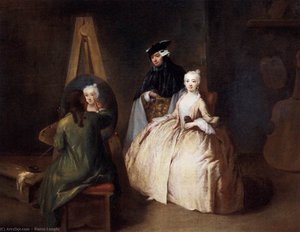
- アトリエで絵を描く画家 (Ca’ Zenobio, Venice)
- コンサート
- 詐欺師
- サイカノスの展示会 (National Gallery, London)
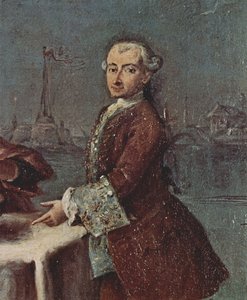
ピエトロ・ロンギ
1701 - 1785 , イタリア
基本情報
- Artistic Movement Or Style: ヴェネツィア派、ロココ
- Artists Or Movements Influenced By This Artist: ['ウィリアム・ホガース']
- Artists Who Influenced This Artist:
- アントニオ・バレスタ
- ジュゼッペ・マリア・クレスピ
- Date Of Birth: 1701年11月5日
- Date Of Death: 1785年5月8日
- Full Name: ピエトロ・ロンギ
- Nationality: イタリア人
- Notable Artworks (List Of Titles):
- 仕立屋
- 洗礼
- 画室の画家
- Place Of Birth (City And Country): イタリア、ヴェネツィア
関連記事
Pietro Longhi's Venetian Scenes: A Study of Rococo Society & Domestic Life
Explore the captivating world of Pietro Longhi's Venetian scenes! Discover insightful analysis of his Rococo masterpieces & social commentary on 18th-century life. Learn about this 'Venetian Hogarth' and his lasting artistic legacy.

The Enduring Legacy of Oil on Canvas: Technique, History & Aesthetic Impact
Explore the rich history & techniques of oil painting – from Renaissance masters to Impressionism. Discover pigments, layering methods, and why this timeless medium endures. Expert insights for artists & art enthusiasts.

The Enduring Power of Painting: A Historical & Contemporary Exploration of Form and Emotion
Explore the rich history & enduring techniques of oil painting with ArtsDot. Discover masterpieces, learn about art collecting, and find authentic handmade reproductions crafted by skilled artists.

華麗なるロココ:芸術史を彩る10大傑作の世界
華麗なるロココ美術の世界へ。バロックから生まれた優雅な芸術、その10大傑作を徹底解説!ブーシェ、フロマンなど巨匠たちの技と物語を紐解き、お部屋を彩るアートを見つけよう。ArtsDot.comで至高の美術館品質レプリカとインテリアアイデアを発見。

Oil on Canvas: A Historical & Technical Exploration of a Timeless Artistic Medium
Explore the rich history & enduring techniques of oil painting on canvas. Discover the science behind its longevity, conservation practices, and contemporary relevance. Expert insights for art enthusiasts.