

 プレビュー
プレビュー
 プリントを購入
 シェアする
シェアする シェアする
シェアする
 詳細を見る
詳細を見る

 ダウンロード
 似ている作品
 X線調査
X線調査 スライドショー
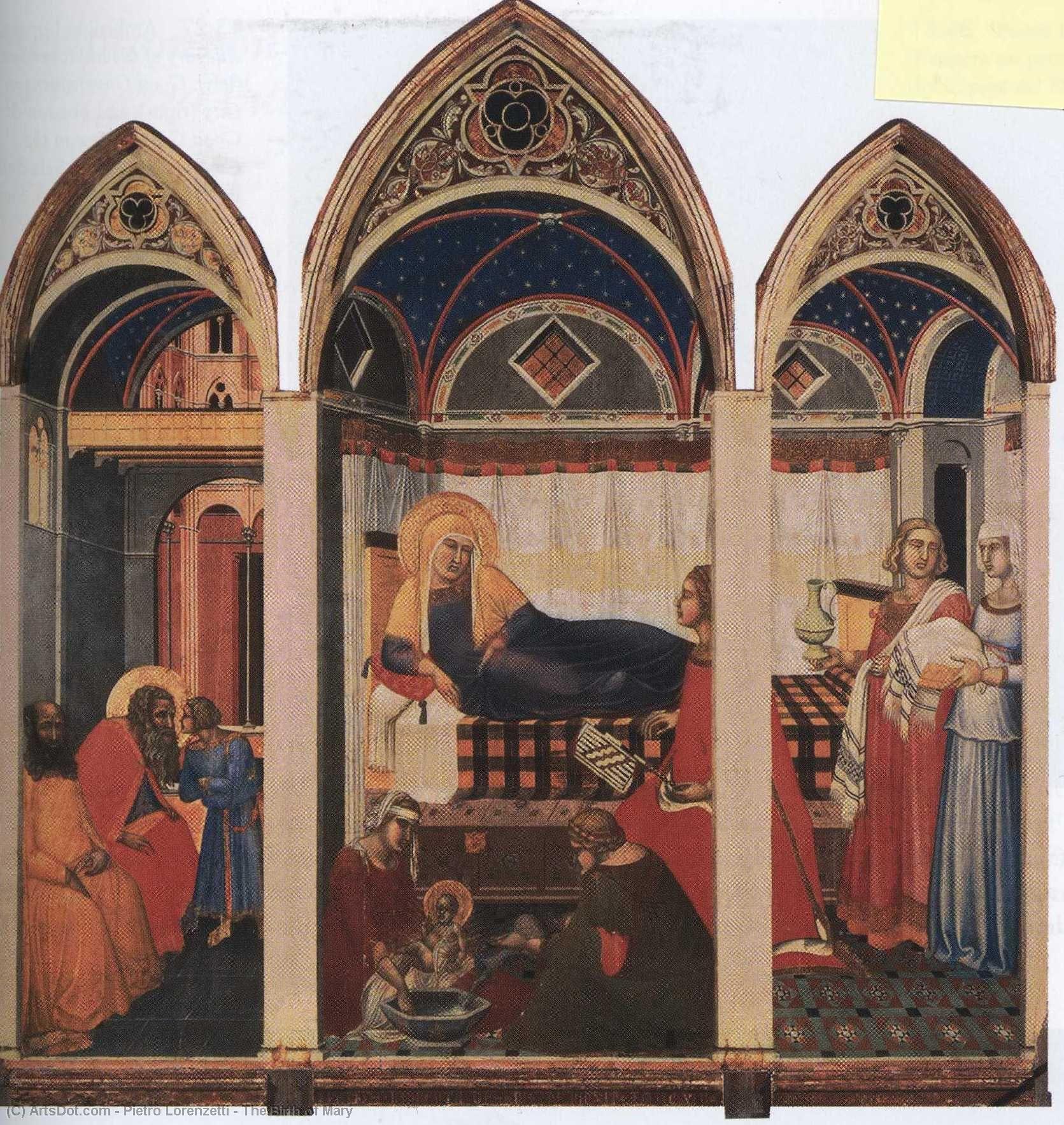
The Birth of Mary
 Oil On Canvas
- WallArt
- Late Medieval
 1342
1342- Late Medieval
 188.0 x 183.0 cm
 Museo dell'Opera del Duomo
 詳細を見る
詳細を見る




P118B $10

P118H $10

P118W $10

P438Z $10

P508JH $12

P508YH $12

P805H $10

P805Z $10

P919BZ $10

P919G $10

P919XJ $10

P959ZH $10

P968JZ $12

W106C $8

W218G $10

W218JH $8

W218Y $10

W307PJ $10

W316G $10

W316PJ $8

W316Y $10

W398PJ $8

W4111J $10

W500HY $15

W500JH $15

W692G $12

W849H $8

W940BG $15

W953PJ $8




作品のオリジナル比率に合わせた、当店の規定サイズからお選びください。

特定のフレームやスペースに合わせて、ご希望のサイズをご入力いただけます。選択されたサイズが元の画像の比率と異なる場合、アートワークをトリミングするか、手描きで要素を追加して絵画を拡張いたします。デジタルモックアップ を制作し、制作開始前にご確認(承認)をいただきます。
画面上のプレビューは、実際のトリミングや拡張を正確に反映しているものではありません。最終的な構図は、モックアップによってのみ正確にご確認いただけます。
カスタムサイズもご利用いただけますが、元の比率を維持するためには、あらかじめ用意されたリストからサイズを選択することをお勧めいたします。
ご注文後、ArtsDot.com チームより詳細な指示をお送りするとともに、仕上がりイメージ(モックアップ)をご提供いたします。


 ガラスオプションは、110cm未満のサイズでのみご利用いただけます。

The Birth of Mary
複製技法
複製画のサイズ
-


合計金額
$ 263
作品解説
Pietro Lorenzetti’s ‘The Birth of Mary’: A Window into Sienese Faith and Renaissance Innovation
This magnificent fresco, measuring 188 x 183 cm, offers a profound glimpse into the artistic and spiritual landscape of Siena in 1342. Executed by the masterful Pietro Lorenzetti, a pivotal figure bridging the Gothic era with the nascent Renaissance, “The Birth of Mary” is more than just a depiction of a biblical scene; it’s a testament to the enduring power of faith and a remarkably sophisticated exploration of spatial representation. Lorenzetti's work demonstrates a keen understanding of both traditional religious iconography and emerging humanist concerns regarding perspective and realism – characteristics that would soon define the artistic revolution sweeping across Europe.
A Fresco Masterpiece: Technique and Composition
Lorenzetti’s skill is immediately apparent in the fresco technique itself, a method perfected over centuries in Siena. The vibrant colors, achieved through pigments ground and mixed with water and applied directly to wet plaster, retain an astonishing luminosity even today. The composition is carefully structured, employing a pyramidal arrangement that draws the viewer's eye towards the central event: Mary’s birth. Note the deliberate use of foreshortening in the figures surrounding the manger – a technique reflecting Lorenzetti’s interest in creating a convincing illusion of depth and space, anticipating developments seen later in Renaissance art. The two women holding bowls are particularly striking; their gestures and expressions convey a sense of reverence and participation in this sacred moment.
- Fresco Technique: Pigment applied to wet plaster for enduring color.
- Composition: Pyramidal arrangement emphasizing the central event.
- Perspective: Subtle use of foreshortening to create depth.
Symbolism and Narrative within a Medieval Context
“The Birth of Mary” is rich in symbolic meaning, reflecting the deeply religious beliefs prevalent during the 14th century. The presence of angels – often depicted with feathered wings – signifies divine intervention and the sacred nature of the event. The manger itself, a humble feeding trough, symbolizes Jesus’s incarnation and his connection to the earthly realm. The two women offering bowls are likely representations of Mary herself and possibly other devout figures, emphasizing the communal aspect of faith and devotion. This scene aligns with the broader theological understanding of the time, where Mary's role as the *Theotokos* (God-bearer) was central to Christian belief.
Lorenzetti’s Legacy: A Transition in Art
Pietro Lorenzetti’s work represents a crucial turning point in Sienese art. While influenced by the Gothic style – evident in the stylized figures and decorative elements – he was also pushing boundaries, experimenting with spatial representation and color palettes that foreshadowed the innovations of artists like Duccio di Buoninsegna and Simone Martini. His embrace of three-dimensional space, combined with his masterful use of fresco technique, firmly establishes him as a key figure in the transition from medieval to Renaissance art. This reproduction offers an unparalleled opportunity to experience firsthand the artistry and vision of this remarkable artist.
Perfect for Your Space
This meticulously crafted hand-painted reproduction captures the essence of Lorenzetti’s masterpiece, bringing its beauty and historical significance into your home or office. Its dimensions (188 x 183 cm) make it suitable for a variety of interior design schemes, from grand halls to smaller studies. The vibrant colors and detailed imagery will undoubtedly serve as a focal point, sparking conversation and inspiring contemplation – a timeless testament to the enduring power of faith and artistic genius.
関連作品


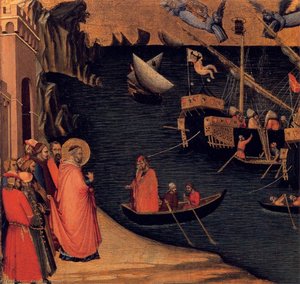
アーティストの略歴
ピエトロ・ロレンツェッティ:中世の伝統とルネサンスの精神を結ぶ
ピエトロ・ロレンツェッティ(1280年頃 – 1348年)は、シエナ美術における極めて重要な人物であり、ゴシック様式の形式主義から、萌芽しつつあった初期ルネサンスの人文主義的な理想へと移行する、深遠な転換期を象徴しています。1280年頃、活気に満ちたシエナの文化的景観の中で生まれたロレンツェッティの芸術的な道のりは、トスカーナが知的・芸術的に大きな変貌を遂げようとしていた時代に展開しました。彼の伝記的な詳細は、黄昏時のフレスコ画に漂う影のように今なお捉えがたいものですが――これは同時代の芸術家たちに共通する難点です――学説上のコンセンサスは、シエナの著名な巨匠ドゥッチオ・ディ・ブオニンセーニャや、その洗練された様式がロレンツェッティの美意識に深く影響を与えたシモーネ・マルティーニからの形成的な影響を指摘しています。証拠によれば、彼はマルティーニの傍らで技術を磨き上げ、後者の細部への緻密な注意深さと色彩の表現力豊かな使用法を吸収しており、それが後の成熟した作品における代名詞となりました。
ロレンツェッティの芸術様式は、三次元的な空間構成を見事に受け入れた点において際立っています。この特徴は、ジョット・ディ・ボンドネのような先駆的な革新を予感させるものでした。中世盛期の、より平面的で装飾的な伝統とは異なり、ロレンツェッティは鑑賞者を聖なる物語の中へと引き込もうと試みたのです。彼の絵画はしばしば光り輝くパレットを用い、自然主義を優先しながらも、深い感情の深みを伝えることに長けていました。このアプローチは、ヨーロッパ全土で勢いを増していた人文主義精神を反映し、人間の経験の本質を驚くほどの正確さで捉えることに焦点を当てていました。宗教的な図像に、手触りのある重みと心理的な存在感を吹き込むことで、彼は神聖なものと地上のものとの隔たりを埋めたのです。
信心とドラマの傑作群
ロレンツェッティの作品群の広がりは、親密な優しさと記念碑的な壮大さの両方を描き出すことができる芸術家としての才能を明らかにしています。彼の描く聖母子は、母性と神聖な恩寵についての静謐な瞑想であり、温かみのある色彩を用いて静かな聖性を醸成しています。これらの作品において、マリアとイエスの結びつきは、柔らかな人間味を帯動させた親密さをもって描かれ、信徒を個人的な礼拝の瞬間へと誘います。対照的に、規模の大きさやドラマを支配する彼の能力は、より痛切な主題において顕著に現れます。彼の磔刑の場面や、悲しみの人といった描写は、苦しみと犠牲を鋭いコントラストと感情豊かな身振りを用いて描き出し、見る者の魂を揺さぶる、痛切で生々しい表現を提示しています。
個々の人物像に留まらず、ロレンツェッティは建築的な奥行きを利用して神学的な物語を伝える、複雑な叙事詩的構成においても卓越していました。彼の東方三博士の礼拝は、典型的なプロト・ルネサンス(初期ルネサンス)の傑作であり、見事な細部と宝石のような豊かな色彩に満ちた、聖書的な崇敬の場面を見事に示しています。さらに、『最後の審判』のような記念碑的なフレスコ画は、劇的な視覚的物語を通じて複雑な神学的概念を力強く伝え、その巨大な媒体を用いることで、神の正義という圧倒的なスケールをもって鑑賞者に畏怖とインスピレーションを与えます。
遺産と歴史的重要性
ピエトロ・ロレンツェッティの歴史的重要性は、いくら強調してもしすぎることはありません。彼は単なるシエナの巨匠たちの後継者ではなく、ルネサンス革命の前駆者であったのです。自然に対する緻密な観察眼は、進化し続ける人間の感情や空間的奥行きへの理解と結びつき、彼をシエナ美術遺産の礎石として確立しました。その影響力はシエナの壁を遥かに超え、後世の芸術家たちが、より自然主義的で心理的に複雑な世界の表現を追求する道筋を示したのです。
彼の作品を通じて、私たちは美術史における以下の永続的な貢献を目にすることができます:
- 空間の革新: 伝統的な二次元の媒体の中に、三次元的な奥行きを導入したこと。
- 人文主義的な自然主義: 聖なる人物を、認識可能な人間の感情と肉体的な存在感をもって描く方向への転換。
- 物語の複雑性: 深遠な宗教的・社会的真実を伝えるための、詳細で多層的な構成の使用。
- シエナの卓越性: シエナ派の特徴である色彩と光の使用を洗練させ、そこに構造的な重厚さを融合させたこと。
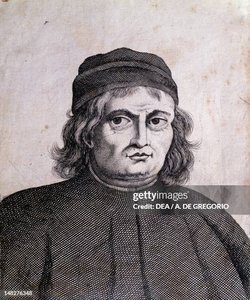
ピエトロ・ロレンツェッティ
1280 - 1348 , イタリア
基本情報
- Artistic Movement Or Style: 初期ルネサンス
- Artists Or Movements Influenced By This Artist: ['ルネサンス']
- Artists Who Influenced This Artist:
- ドゥッチオ
- シモーネ・マルティーニ
- ジotto
- Date Of Birth: 紀元1280年頃
- Date Of Death: 1348年
- Full Name: ピエトロ・ロレンツェッティ
- Nationality: イタリア人
- Notable Artworks:
- 聖母マリア
- 磔刑像のキリスト
- 最後の審判
- Place Of Birth: シエナ、イタリア
関連記事

家族の遺産を壁画で彩る:伝統技法が紡ぐ、時を超越する美と記憶
古代から現代までの壁画の歴史と技法を解説。日本の壁画文化やカスタムオーダーによる家族の遺産表現、保存・修復技術まで網羅。専門家が時を超越する美と記憶を紡ぐ芸術的価値をご案内します。

Giclée Prints: Archival Quality & Aesthetic Nuances for the Discerning Collector
Explore the world of giclée prints with ArtsDot. Learn about archival quality, aesthetic nuances & investment potential. Expert guidance for discerning art collectors seeking museum-quality reproductions and lasting value.

The Enduring Legacy of Fresco Painting: Techniques, History & Contemporary Relevance
Explore the rich history & enduring artistry of fresco painting – from Giotto to Michelangelo! Discover techniques, conservation efforts, & modern applications. Learn how ArtsDot brings this timeless art form to your home.

The Enduring Legacy of Fresco: Technique, History & Artistic Expression Across Cultures
Explore the rich history & enduring legacy of fresco painting! Discover ancient techniques, Giotto's masterpieces, and modern applications. Expert insights for art lovers & professionals.

The Enduring Legacy of Fine Art Prints: Technique, History & Aesthetic Impact
Explore the rich history & techniques of fine art prints. Discover investment potential, assess authenticity, and learn how to preserve your collection with expert guidance. Trusted insights for discerning collectors.

