

 プレビュー
プレビュー
 プリントを購入
 シェアする
シェアする シェアする
シェアする
 詳細を見る
詳細を見る

 ダウンロード
 似ている作品
 X線調査
X線調査 スライドショー
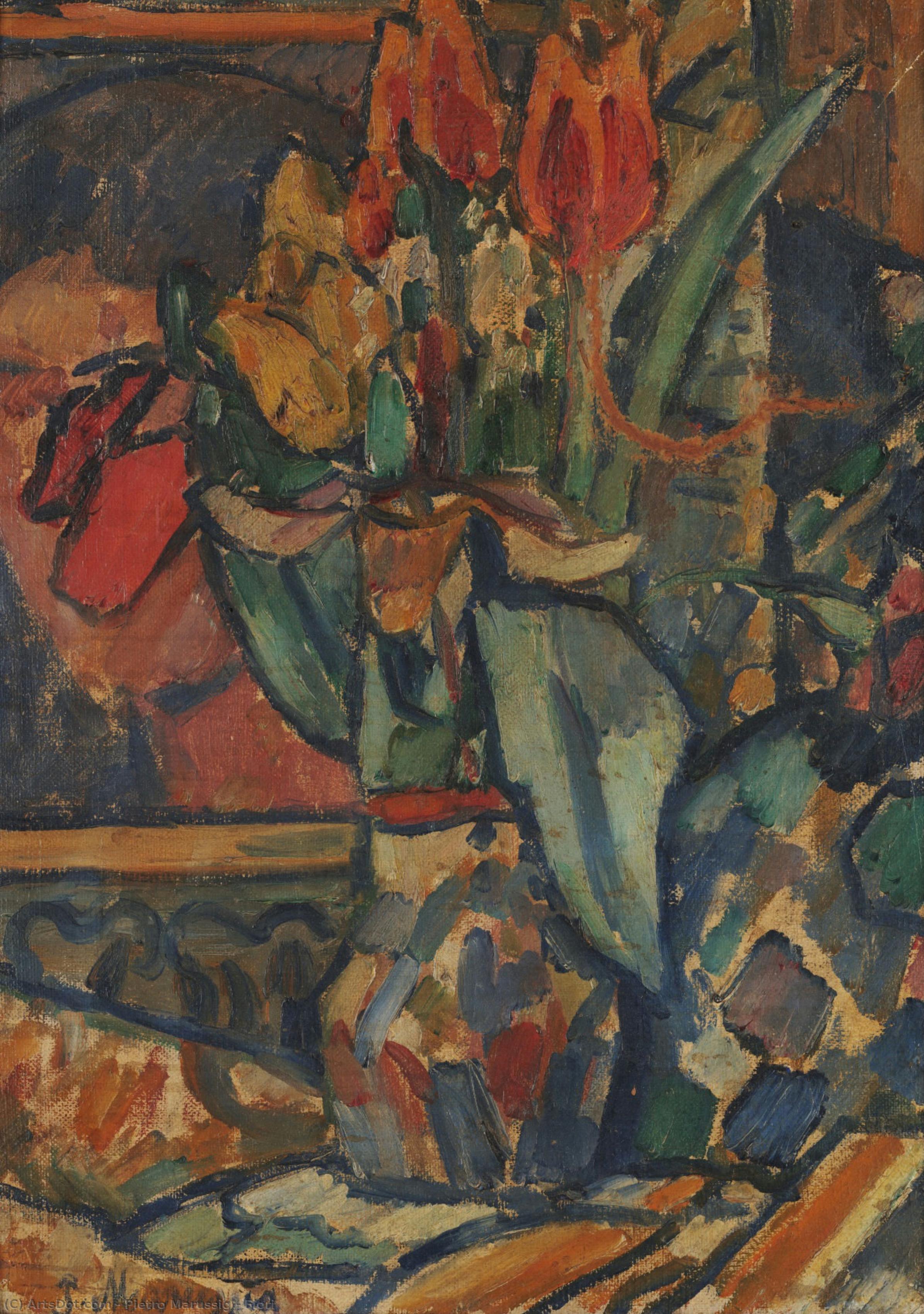
Fiori
 Oil On Canvas
- WallArt
- Cubism
 1925
1925- Modern
 40.0 x 30.0 cm
 Museo del Novecento
 詳細を見る
詳細を見る




P118B $10

P118H $10

P118W $10

P438Z $10

P508JH $12

P508YH $12

P805H $10

P805Z $10

P919BZ $10

P919G $10

P919XJ $10

P959ZH $10

P968JZ $12

W106C $8

W218G $10

W218JH $8

W218Y $10

W307PJ $10

W316G $10

W316PJ $8

W316Y $10

W398PJ $8

W4111J $10

W500HY $15

W500JH $15

W692G $12

W849H $8

W940BG $15

W953PJ $8




作品のオリジナル比率に合わせた、当店の規定サイズからお選びください。

特定のフレームやスペースに合わせて、ご希望のサイズをご入力いただけます。選択されたサイズが元の画像の比率と異なる場合、アートワークをトリミングするか、手描きで要素を追加して絵画を拡張いたします。デジタルモックアップ を制作し、制作開始前にご確認(承認)をいただきます。
画面上のプレビューは、実際のトリミングや拡張を正確に反映しているものではありません。最終的な構図は、モックアップによってのみ正確にご確認いただけます。
カスタムサイズもご利用いただけますが、元の比率を維持するためには、あらかじめ用意されたリストからサイズを選択することをお勧めいたします。
ご注文後、ArtsDot.com チームより詳細な指示をお送りするとともに、仕上がりイメージ(モックアップ)をご提供いたします。


 ガラスオプションは、110cm未満のサイズでのみご利用いただけます。

Fiori
複製技法
複製画のサイズ
-


合計金額
$ 263
A Symphony of Geometry and Color
In the vibrant landscape of early 20th-century modernism, few works capture the tension between organic beauty and structural fragmentation as poignantly as Pietro Marussig’s Fiori. Created in 1925, this captivating still life transcends a simple depiction of tulips to offer a profound exploration of form and light. At first glance, the viewer is met with a bouquet that seems to dance within a structured, Cubist-influenced framework. The composition is a masterful balance of chaos and order; while the petals and leaves are broken into angular, geometric shapes, the arrangement maintains a rhythmic stability that guides the eye through the canvas. Marussig utilizes a flattened perspective, stripping away traditional depth to focus our attention on the raw, expressive power of color blocks and bold contours.
The technique employed in Fiori is nothing short of visceral. The artist utilizes a thick, impasto-like application of oil paint, creating a tactile surface where every brushstroke tells a story of movement and energy. This heavy texture lends the work a sculptural quality, allowing light to catch on the ridges of the paint, much like the dramatic lighting within the scene itself. The background, a dark and textured plane infused with subtle hints of red and orange, provides a somber yet warm stage for the tulips to emerge. These deep, earthy tones create a sense of atmospheric depth, ensuring that despite the flattened Cubist aesthetic, the painting possesses an internal luminosity that feels both grounded and ethereal.
Symbolism and the Modern Spirit
Beyond its striking visual architecture, Fiori serves as a meditation on the fleeting nature of life and the enduring vitality of nature. The tulip, often a symbol of rebirth and perfection, is presented here through an abstracted lens, suggesting that beauty is not found merely in realistic detail but in the essence of form and color. Marussig, deeply influenced by the Italian Divisionist and Symbolist movements, imbues this work with a sense of quiet drama. The sharp contrasts between shadow and light evoke a feeling of temporal urgency—a moment of brilliance captured before it fades. For the collector or interior designer, this piece offers more than just decoration; it provides a sophisticated focal point that invites contemplation.
Integrating a high-quality reproduction of Fiori into a contemporary space allows for a seamless blend of historical depth and modern elegance. Its bold palette and energetic texture make it an ideal centerpiece for rooms characterized by minimalist or avant-garde decor, where its complex layers can act as a conversation starter. Whether placed in a sunlit gallery or a moody, sophisticated study, the painting radiates a timeless energy, reminding us of the era when art broke free from tradition to embrace the fragmented, beautiful complexity of the modern world.
関連作品
アーティストの略歴
early life and training
pietro marussig, an italian painter, was born in trieste, italy in 1879. he initially took lessons from eugenio scomparini in trieste, where he worked from 1898 until 1918. this period laid the foundation for his future expressionist style.artistic style and influences
marussig's work is characterized by a representative expressionist style, depicting genre scenes, vedute, and portraits. his style was influenced by the italian divisionist and symbolist movements, as well as the works of gaetano previati and giovanni segantini, leading exponents of divisionism.notable exhibitions and works
* pietro marussig: bambina che legge (91 x 81 cm, museo del novecento, milan, italy, oil) - a notable example of his expressionist style. * pietro marussig: vaso di rose (52 x 47 cm, museo del novecento, milan, italy, oil on board) - demonstrates his use of color and light division. * pietro marussig: la lettrice (93 x 62 cm, museo del novecento, milan, italy, oil) - a portrait showcasing his ability to capture the essence of his subjects.- view pietro marussig's works at ArtsDot
- read more about pietro marussig on wikipedia
- explore the museo del novecento, milan, italy, to discover more of marussig's works and other notable artists.
legacy
pietro marussig died in 1937 in milan, leaving behind a legacy as a significant figure in the transition from divisionism to symbolism in early 20th-century italian art. his work continues to be celebrated for its unique blend of expressionist style and representative genre scenes. important dates: * born: 1879, trieste, italy * died: 1937, milan, italy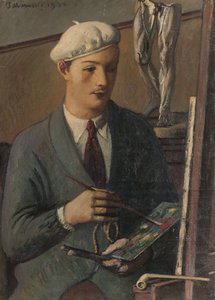
pietro marussig
1879 - 1937 , Italy
基本情報
- Artistic Movement Or Style: Expressionism, Cubism, Surrealism
- Artists Who Influenced This Artist: ['Leonardo da Vinci, Wassily Kandinsky],\n "Artists or movements influenced by this artist": ["Paul Klee Notebooks"]\n}']
- Date Of Birth: 18 December 1879
- Date Of Death: 29 June 1940
- Full Name: Paul Klee
- Nationality: Swiss-born German
- Notable Artworks:
- Angelus Novus
- Senecio
- Twittering Machine
- Fish Magic
- Place Of Birth: Münchenbuchsee, Switzerland
関連記事

The Enduring Legacy of Oil on Canvas: Technique, History & Aesthetic Impact
Explore the rich history & techniques of oil painting – from Renaissance masters to Impressionism. Discover pigments, layering methods, and why this timeless medium endures. Expert insights for artists & art enthusiasts.

Oil on Canvas: A Historical & Technical Exploration of a Timeless Artistic Medium
Explore the rich history & enduring techniques of oil painting on canvas. Discover the science behind its longevity, conservation practices, and contemporary relevance. Expert insights for art enthusiasts.
Silent Narratives: Exploring the Enduring Appeal of Still Life Painting Across Centuries
Explore the rich history of still life painting with ArtsDot. Discover Dutch Masters, decode vanitas symbolism & learn about collecting timeless art. Expert insights and museum-quality reproductions.

The Enduring Power of Painting: A Historical & Contemporary Exploration of Form and Emotion
Explore the rich history & enduring techniques of oil painting with ArtsDot. Discover masterpieces, learn about art collecting, and find authentic handmade reproductions crafted by skilled artists.
Oil on Board Masters: 10 Paintings That Redefined Art | ArtsDot
Explore 10 legendary 'Oil on Board' masterpieces by Van Gogh, Monet & more! Discover art history, iconic styles like Impressionism, and find museum-quality reproductions to elevate your home decor. Explore the full collection online at ArtsDot.com.