

 プレビュー
プレビュー
 プリントを購入
 シェアする
シェアする シェアする
シェアする
 詳細を見る
詳細を見る

 ダウンロード
 似ている作品
 X線調査
X線調査 スライドショー
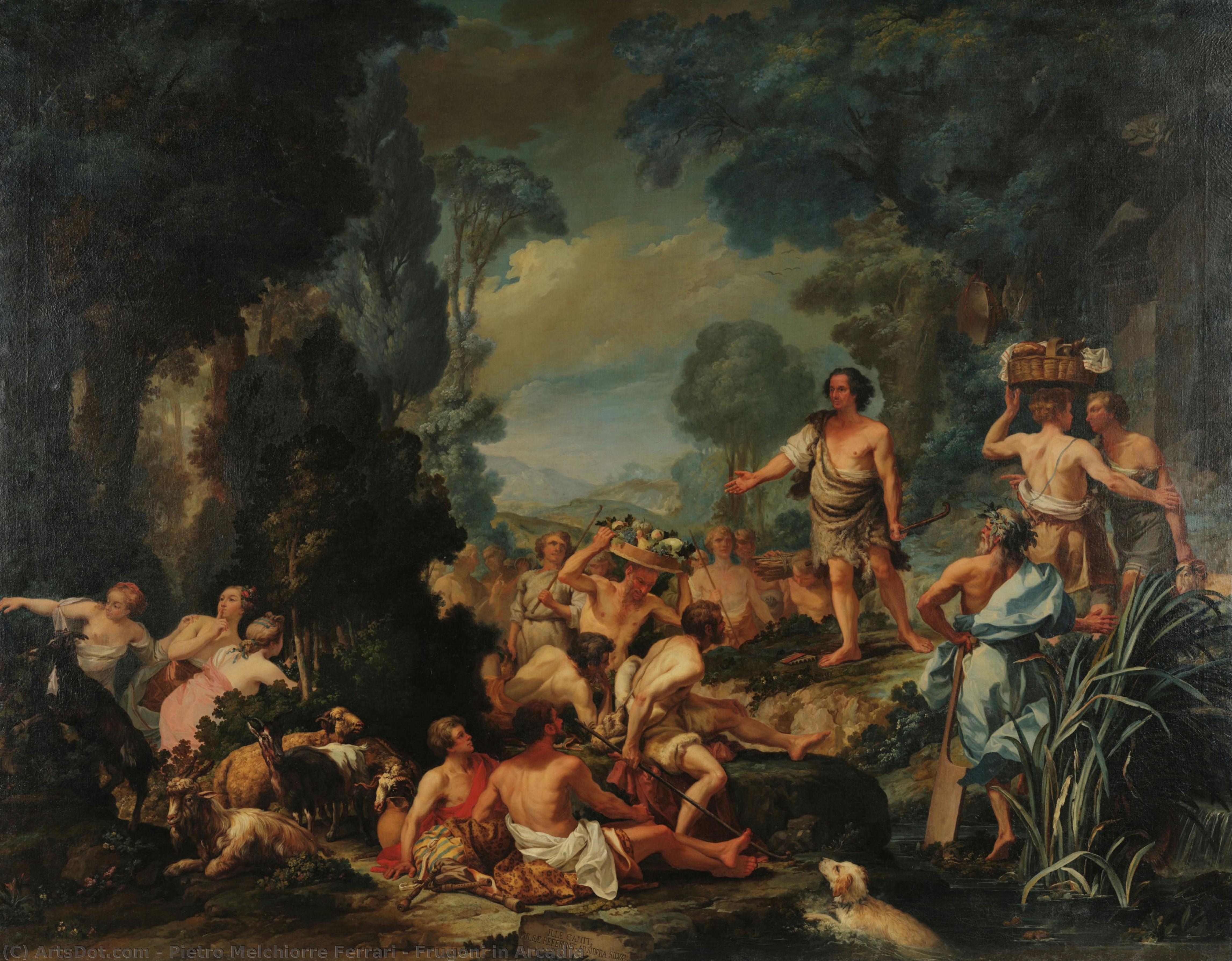
Frugoni in Arcadia
 180.0 x 218.0 cm
 Palazzo della Pilotta
 詳細を見る
詳細を見る
オンラインプレビューをはるかに凌ぐ、高解像度で鮮明なデジタル画像をご購入いただけます。
各ファイルは、社内の専門家が高度なツールと熟練した手作業によるレタッチを用いて、細心の注意を払って準備されています。すべての画像において、卓越した鮮明度、正確な色彩再現性、そして繊細なディテールを保証いたします。
最終ファイルは、プロフェッショナルな編集・印刷環境ですぐにご利用いただけるよう最適化された状態で、72時間以内にメールにてお届けいたします。これは、一流のデザインスタジオ、出版社、ギャラリーから信頼されているものと同等の品質です。
デジタル画像のご注文に付随する特典
高品質なデジタル画像配信を、確かな品質で。
ArtsDot.com を選ぶことは、単に画像を手に入れることではありません。それは、プロの手によって精密に仕上げられ、満足保証が付いた高品質なデジタルアートワークを受け取ることを意味します。ご注文いただいた際に自動的に付随する内容は、以下の通りです:

メールですぐにお届け
ご注文から72時間以内に、高解像度のデジタル画像ファイルがメールでお手元に届きます。すぐにそのままご利用いただけます。

AI技術で最適化されたデジタルファイル
お客様の作品は、高度なAIツールと専門家による手作業の編集を組み合わせてプロフェッショナルに最適化されており、細部のディテール、鮮明さ、そして正確な色再現性を最大限に引き出しています。

一生涯無料の再送サービス
ファイルを誤って削除したり、紛失してしまったりしましたか?ご安心ください。いつでも無料で再送いたします。

輸入手数料は一切かかりません
関税や手数料、配送料を気にすることなく、お気に入りのアートワークをすぐにお楽しみいただけます。デジタルダウンロードは常に免税です。

色彩再現の保証
プロ仕様のツールとカラーマネジメント技術を用いることで、デジタル画像が元の色を最大限に忠実に再現することを保証いたします。

60日間満足保証
ご購入いただいたデジタル画像にご満足いただけない場合は、60日以内であれば、修正または100%の返金(理由を問う必要はありません)をさせていただきます。

100% 返金保証
ご満足いただけない場合は、デジタルファイルを受け取ってから60日以内であれば、理由を問わず全額返金いたします。

まとめ買い割引
3枚購入で10%OFF - 5枚購入で15%OFF - 10枚以上購入で20%OFF。クリエイティブなプロジェクト、ギャラリー、エージェンシーに最適です。
作品の詳細
関連作品







作家の略歴
Early Life and Artistic Foundations
Joseph, Baron Ducreux, a figure both celebrated and somewhat enigmatic in the annals of 18th-century French art, was born on June 26, 1735, in Nancy, France. His lineage traced back to Lorraine, a region steeped in artistic tradition, suggesting an early exposure to the visual arts. While specific details about his formal training remain somewhat elusive, it’s widely believed that he began his artistic journey under the tutelage of his father, who was himself a painter – a crucial starting point for any aspiring artist of the time. This familial connection undoubtedly instilled in him a foundational understanding of technique and composition. However, Ducreux's true mentor and formative influence arrived in Paris in 1760: Maurice Quentin de La Tour, a renowned pastelist specializing in portraiture. La Tour’s workshop provided Ducreux with invaluable experience in capturing the nuances of light, shadow, and expression – skills that would become hallmarks of his distinctive style. Jean-Baptiste Greuze, another influential artist known for his dramatic scenes and emotional intensity, also played a role in shaping Ducreux's oil painting technique, adding depth and realism to his work. This confluence of influences—his father’s grounding, La Tour’s expertise in pastel, and Greuze’s mastery of oil—laid the groundwork for Ducreux’s unique artistic voice.Royal Patronage and a Shifting Portraiture
Ducreux's career truly ascended with his appointment as *premier peintre de la reine* (First Painter to the Queen) in 1769, a monumental achievement that catapulted him into the heart of French aristocratic society. This prestigious position was bestowed upon him by Marie Antoinette herself, a testament to his burgeoning talent and ability to capture the essence of her personality. The commission for a portrait, intended as a gift to King Louis XVI before their marriage, proved to be a pivotal moment. However, Ducreux’s approach to portraiture deviated significantly from the prevailing norms of the era. While he certainly produced formal, elegant portraits adhering to courtly expectations, it was his self-portraits that truly distinguished him and cemented his reputation as an innovator. These weren't simply representations of himself; they were explorations of personality, emotion, and even a touch of playful rebellion against artistic convention. The fact that he received this extraordinary honor despite not being a member of the Royal Academy of Painting and Sculpture—a body rigidly governed by tradition and membership requirements—underscores the unconventional nature of his talent and the Queen’s willingness to champion an artist who dared to challenge established boundaries.The Revolutionary Self-Portraits: A Reflection of the Times
Ducreux's self-portraits, particularly those created during the tumultuous years leading up to and following the French Revolution, are arguably his most enduring legacy. These weren’t the stoic, dignified representations typical of portraiture; instead, they were imbued with a remarkable sense of immediacy, humor, and even vulnerability. He frequently depicted himself in exaggerated poses—leaning against furniture, yawning dramatically, pointing directly at the viewer with a mischievous grin – capturing fleeting moments of human experience with startling realism. The “Self-Portrait, Yawning” (1783), for example, is a masterclass in conveying a sense of casualness and even weariness, while "Self-Portrait as a Mocker" (1783) embodies a playful engagement with the audience. These works weren’t merely exercises in self-portraiture; they were reflections of the changing social and political landscape of France. The revolutionary fervor had eroded traditional hierarchies and expectations, creating an environment where artists could challenge conventions and express themselves more freely. Ducreux's willingness to embrace this shift is evident in his unconventional approach to portraiture, which resonated with a public increasingly skeptical of established authority.A Lasting Influence and Modern Recognition
Following the French Revolution, Ducreux continued to work, albeit with less official recognition. He established an informal salon at his home, attracting artists, musicians, and intellectuals who commissioned portraits from him. His friend, Étienne Méhul, a composer, even served as the inspiration for a character in one of Méhul’s operas. Notably, Ducreux's last portrait was drawn of Louis XVI just weeks before the King’s execution – a poignant testament to his continued service and the tragic events unfolding around him. In the 21st century, Ducreux’s work has experienced a remarkable resurgence in popularity, largely thanks to the internet and social media. His self-portraits, with their expressive faces and relatable emotions, have been widely shared and repurposed, transforming him into an unlikely icon of contemporary art. This renewed interest highlights the timeless quality of his art—its ability to connect with audiences across generations and cultures. Joseph Ducreux’s legacy extends beyond his technical skill; it lies in his courage to challenge conventions, embrace humor, and capture the complexities of human emotion – a testament to an artist who dared to be uniquely himself.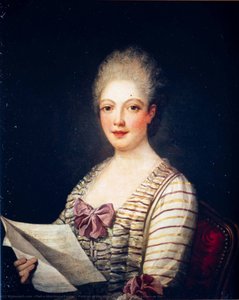
pietro melchiorre ferrari
1735 - 1787 , Italy
プロフィール概要
- Artistic Movement Or Style: Portraiture
- Artists Who Influenced This Artist: ['Maurice Quentin de La Tour']
- Date Of Birth: June 26, 1735
- Date Of Death: July 24, 1802
- Full Name: Joseph Ducreux
- Nationality: Lorrainian, French
- Notable Artworks:
- Self-Portrait, Yawning
- Self-Portrait as a Mocker
- Place Of Birth: Nancy, France

